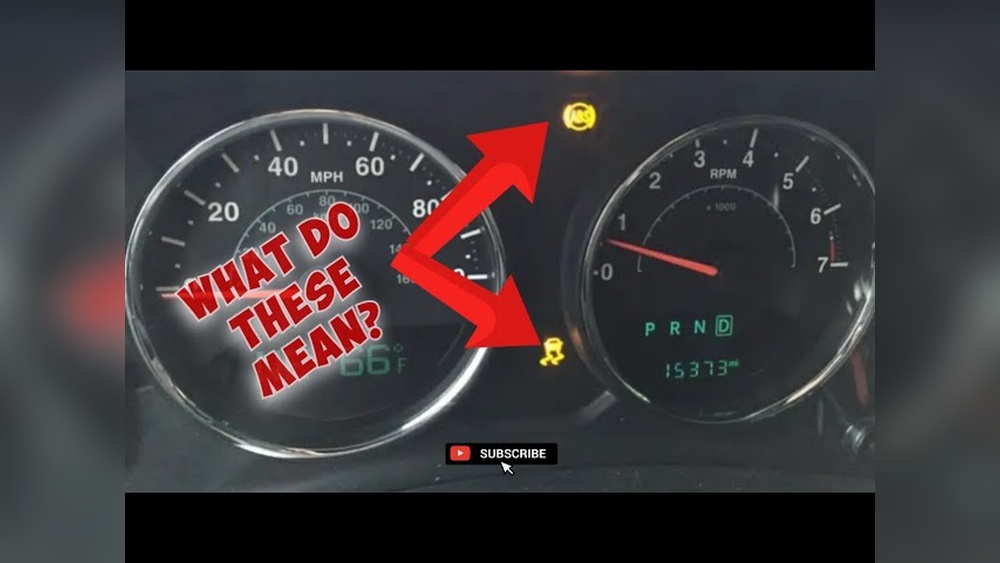
If you’ve noticed the ABS light glowing on your Jeep Cherokee’s dashboard, you might be wondering what it means and if you should be worried.
That little warning light isn’t just a random alert—it’s your vehicle’s way of telling you that something isn’t quite right with your braking system.
Understanding what the ABS light means can help you stay safe on the road and avoid costly repairs down the line.
You’ll learn exactly what triggers the ABS light, what it means for your Jeep Cherokee’s performance, and what steps you should take next.
Keep reading to make sure your brakes are working as they should.
Abs Light Basics
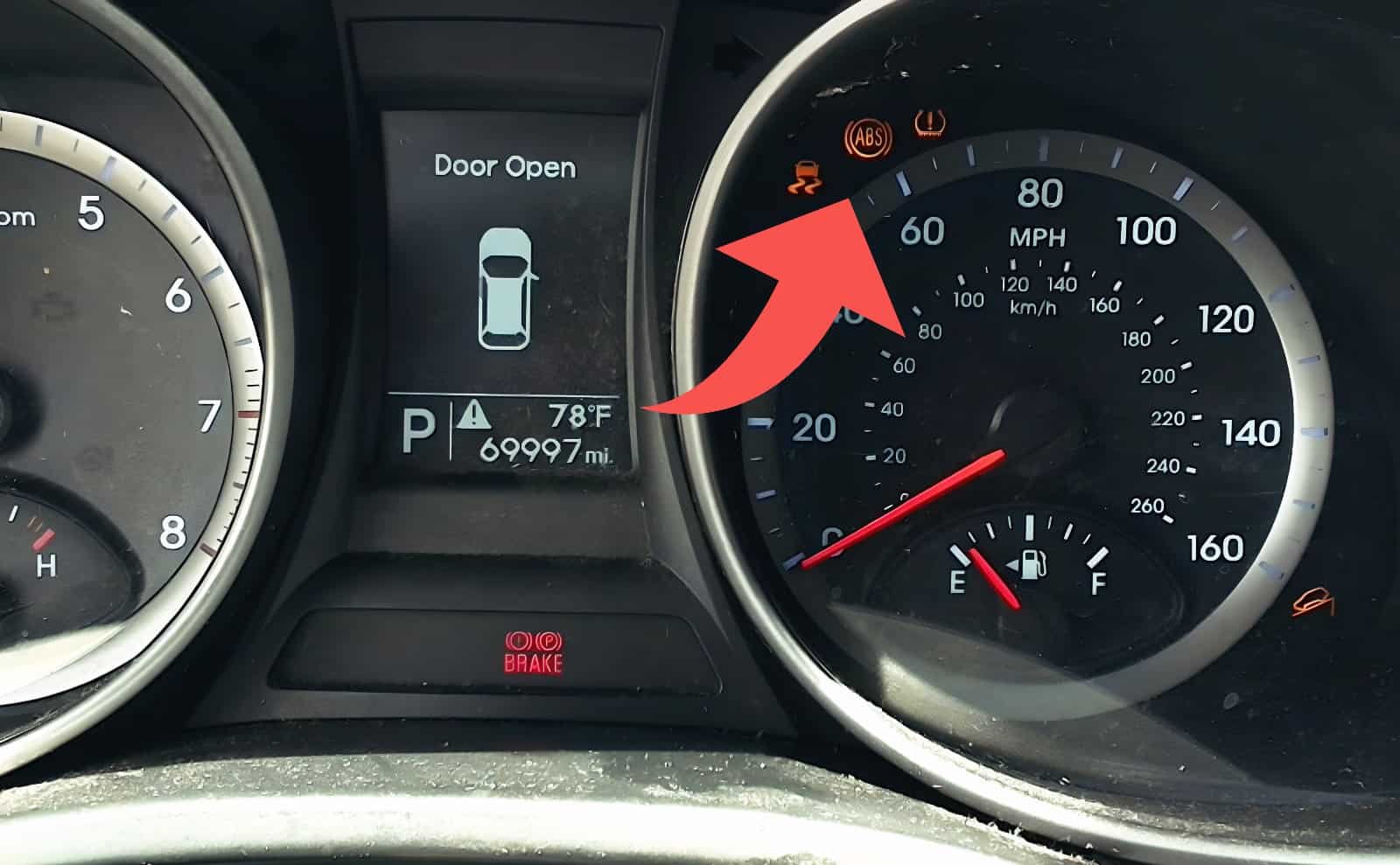
The ABS light on your Jeep Cherokee’s dashboard is a small but important warning. It alerts you about the Anti-lock Braking System (ABS).
This system helps prevent wheel lock-up during hard braking. Understanding the ABS light basics can keep you safe and help you spot issues early.
When the ABS light turns on, it means the system has detected a problem. This does not mean your brakes have failed, but your ABS may not work correctly.
Knowing what the ABS light indicates and common causes can help you decide your next steps.
What Abs Light Indicates
The ABS light means the system is off or has a fault. Your regular brakes will still work.
But without ABS, the wheels may lock in sudden stops. This can cause skidding or loss of control on slippery roads.
The light stays on until the problem is fixed.
The car’s computer runs tests on the ABS sensors. If it finds a fault, it triggers the light.
The system may disable ABS until repairs occur. Driving with the ABS light on means extra caution during braking.
Common Causes In Jeep Cherokee
Several issues can trigger the ABS light in a Jeep Cherokee. A faulty wheel speed sensor is the most common cause. These sensors track wheel rotation and send data to the ABS computer. Dirt or damage can stop sensors from working properly.
Another cause is a bad ABS module. This part controls the ABS functions and can fail over time.
Wiring problems or blown fuses also affect the system. Low brake fluid levels or worn brake pads may trigger the light too.
Some Jeep Cherokees show the ABS light due to wheel bearing issues. Loose or damaged bearings affect sensor readings and braking.
Regular maintenance checks can prevent many ABS-related problems.
Diagnosing Abs Issues
The ABS light on your Jeep Cherokee signals a problem with the Anti-lock Braking System. This system helps prevent the wheels from locking during hard braking.
When the ABS light activates, it means the system may not work properly. Understanding the effects of this activation is important for your safety and vehicle handling.
Impact On Braking Performance
The ABS light activation means the anti-lock brakes are disabled. Without ABS, your wheels can lock up during sudden stops.
Locked wheels reduce steering control, increasing the risk of skidding. Braking distances may also become longer on slippery roads.
Your Jeep Cherokee will still brake, but not as safely or efficiently. Drive carefully and avoid hard braking until the ABS issue is fixed.
Traction Control And Stability Systems
ABS is linked to traction control and stability systems. When the ABS light is on, these systems may also stop working.
Traction control helps prevent wheel spin during acceleration. Stability control assists in keeping the vehicle stable during turns.
Losing these features can make your Jeep harder to control on wet or icy roads. It is important to check the ABS system promptly to restore full safety functions.
Effects Of Abs Light Activation
The ABS light on your Jeep Cherokee signals a problem with the anti-lock braking system. Troubleshooting this warning light helps identify the issue.
Follow these steps to diagnose and fix the problem safely. Start with simple checks before moving to advanced tools.
This way, you can save time and avoid unnecessary repairs.
Using An Obd-ii Scanner
Connect an OBD-II scanner to the Jeep’s diagnostic port. This tool reads error codes stored by the vehicle’s computer. The codes point to the exact ABS system fault. Note down the codes for reference. Many auto parts stores offer free scanning services. Understanding the codes helps decide the next repair step.
Visual Inspection Tips
Look at the wheel speed sensors and wiring near each wheel. Check for dirt, damage, or loose connections.
Inspect the brake fluid level in the reservoir. Low fluid can trigger the ABS light.
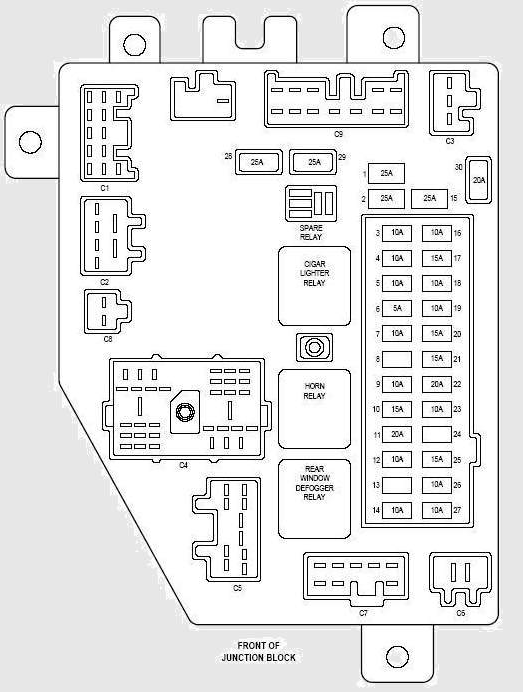
Also, examine the ABS fuse in the fuse box. Replace any blown fuses carefully.
Small problems here often cause the ABS warning.
Resetting The Abs Light
After fixing any issues, reset the ABS light to clear the warning. Use the OBD-II scanner’s reset function if available.
Alternatively, disconnect the vehicle’s battery for a few minutes. This can reset the system but may erase other settings.
Drive the Jeep a short distance to see if the light returns. Persistent light means further diagnosis is needed.

Frequently Asked Questions
Can I Drive A Jeep With An Abs Light On?
Driving a Jeep with the ABS light on is possible but risky. The ABS system may be disabled, increasing wheel lock-up risk during braking.
Get the ABS checked and repaired promptly for safe driving.
What Causes Abs Light To Come On In A Jeep?
The ABS light in a Jeep comes on due to faulty wheel speed sensors, damaged wiring, or a bad wheel bearing.
Can I Drive If My Abs Light Is On?
You can drive with the ABS light on, but the anti-lock braking system may not work. Drive cautiously and get it checked soon.
Is It Expensive To Fix An Abs Light?
Fixing an ABS light typically costs between $100 and $300. Costs vary by issue severity and sensor replacement needs.
Conclusion
The ABS light on your Jeep Cherokee signals a problem in the brake system. Ignoring it can affect your safety while driving.
Common causes include faulty wheel speed sensors or wiring issues. Getting the system checked soon helps avoid bigger repairs later.
Always prioritize your vehicle’s brake health for safe and smooth rides. Staying aware keeps you confident on the road.