If you own a Jeep Compass and have recently seen the dreaded P2173 error code pop up, you’re probably wondering what it means and how it affects your vehicle. This code points to a problem with the throttle actuator control system, which can lead to issues like poor engine performance or even limp mode.
But don’t worry understanding what causes P2173 and how to fix it can save you time, money, and stress.
Keep reading to learn exactly what this code means, what might be triggering it in your Jeep Compass, and the simple steps you can take to get your ride back to smooth, reliable driving.


P2173 Code Basics
The P2173 code in a Jeep Compass points to throttle body problems. The throttle body controls air flow into the engine. When it malfunctions, the engine runs poorly. Understanding throttle body issues helps in quick diagnosis and repair.
Effects Of Carbon Buildup
Carbon deposits form inside the throttle body over time. These deposits block the throttle plate from moving freely.
The engine may idle roughly or stall unexpectedly. Fuel efficiency drops as air flow gets restricted.
Cleaning the throttle body removes these carbon deposits. This restores smooth air flow and engine performance.
Checking For Mechanical Sticking
The throttle plate can stick due to mechanical wear or damage. Stickiness causes delayed throttle response or engine hesitation.
Inspect the throttle body by manually moving the throttle plate. It should move smoothly without resistance.
Replace or repair parts if the plate sticks. This prevents further engine performance issues.
Vacuum Leak Problems
The P2173 code in a Jeep Compass often points to a vacuum leak or unmetered air entering the engine. Diagnosing these leaks requires precise methods.
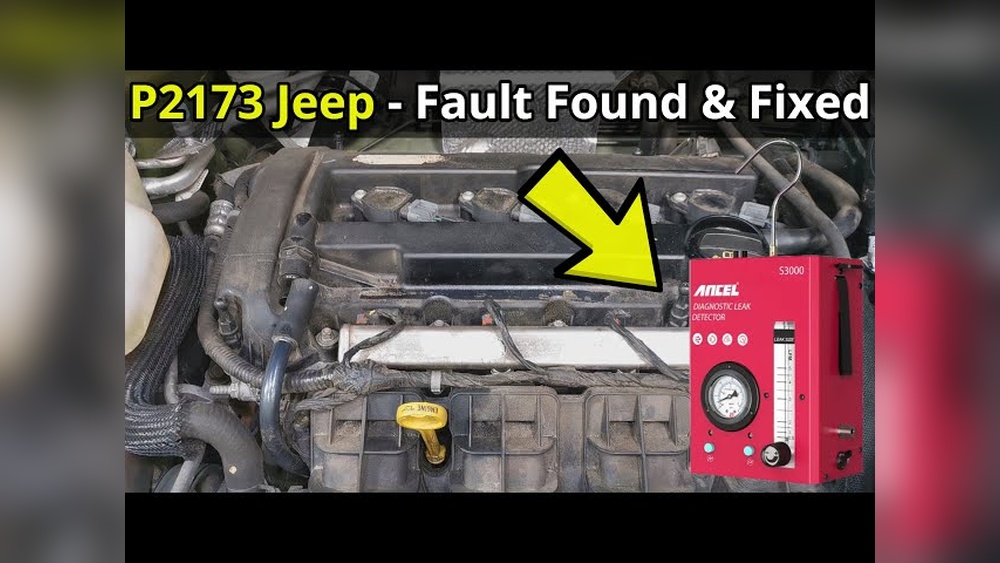
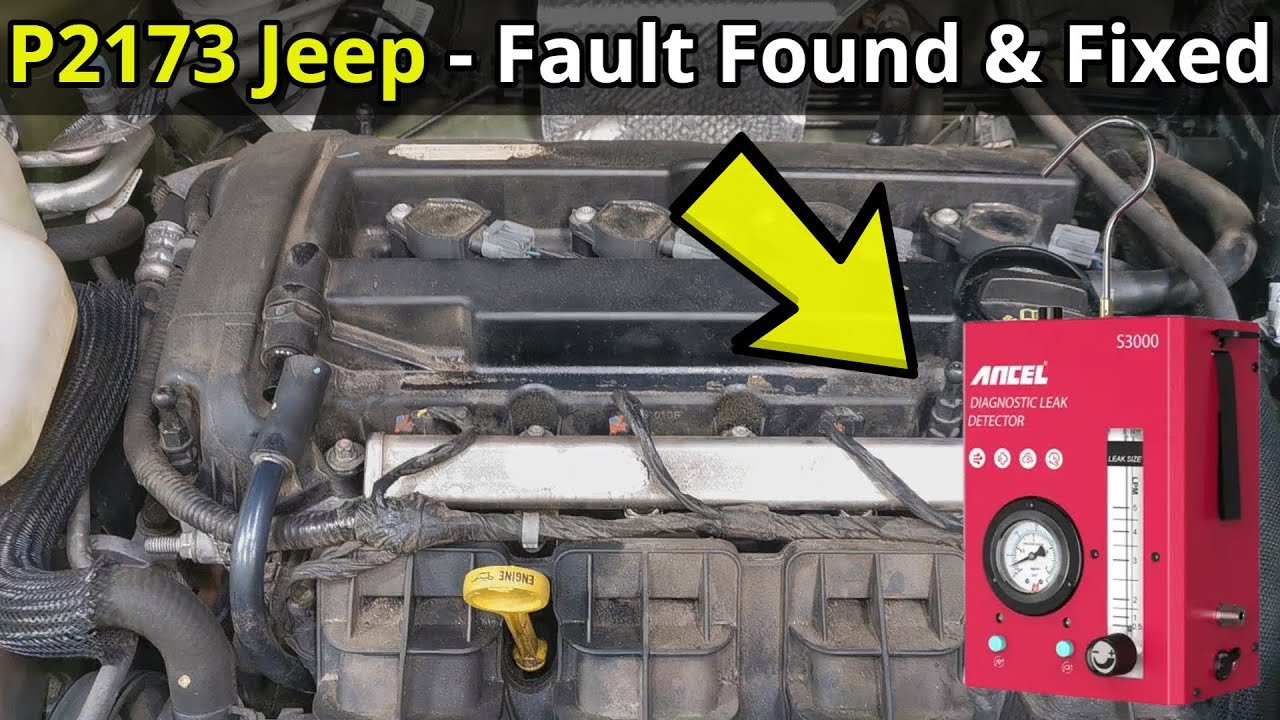
One effective technique is the smoke test for leaks. This test helps find hard-to-see leaks that cause engine problems.
Smoke testing is quick and reliable. It uses smoke to reveal cracks or holes in the intake system.
This method saves time compared to checking each hose or gasket manually. Mechanics trust smoke tests to spot even the smallest leaks.
How Smoke Testing Works
Smoke testing involves introducing smoke into the engine’s intake system. A special smoke machine generates thick, visible smoke.
The smoke travels through the intake, escaping only through leaks.
When smoke appears outside the intake system, it shows where the leak is. Technicians watch carefully for any smoke escaping.
The color and flow of smoke help identify the leak’s size and location quickly.
Vacuum leaks can hide in tight engine spaces or inside hoses. The smoke test reveals leaks that are invisible to the naked eye.
The smoke finds cracks in intake gaskets, vacuum lines, and throttle body seals.
By following the smoke, mechanics can pinpoint leaks fast. Fixing these leaks stops unmetered air from entering the engine.
This improves engine performance and clears the P2173 code.
Throttle Body Issues
The P2173 code on your Jeep Compass signals a problem with the throttle control system. Avoiding limp mode is important to keep your vehicle running smoothly and safely.
Limp mode limits your engine power and speed to prevent damage. This mode can be frustrating and inconvenient.
Understanding what triggers limp mode and knowing quick fixes helps you regain full performance. Acting fast can prevent further issues and reduce repair costs.
Keeping an eye on your vehicle’s symptoms helps catch problems early.
Common Triggers
Vacuum leaks are the top cause of the P2173 code. Cracked hoses or a damaged intake manifold gasket let air enter unmetered.
Carbon buildup on the throttle body can cause mechanical sticking. The MAP sensor may fail or get clogged with carbon deposits.
These issues confuse the throttle actuator control system, triggering limp mode.
Quick Fixes To Regain Performance
Start by inspecting the engine bay for loose or cracked vacuum hoses. Check that the oil fill cap and dipstick are sealed properly.
A smoke test on the intake manifold can find hidden leaks fast. Clean the throttle body with a safe cleaner to remove carbon deposits.
Replace the throttle body if the butterfly valve sticks mechanically. These steps often restore normal throttle response and disable limp mode.
Conclusion
The P2173 code on a Jeep Compass points to airflow or vacuum issues. Checking for vacuum leaks and cleaning the throttle body often solves the problem.
Simple inspections can prevent costly repairs later. Addressing the issue quickly keeps your Jeep running smoothly.
Stay attentive to warning signs for safer driving.