If your Jeep Grand Cherokee has thrown a P2096 code, you’re probably wondering what it means and how to fix it. This trouble code signals a post-catalyst fuel trim system running too lean, which can affect your Jeep’s performance and fuel efficiency.
You might notice rough idling, hesitation, or even the check engine light flashing. Don’t ignore it, understanding the causes and solutions can save you time, money, and frustration. You’ll discover the common reasons behind P2096 and practical steps to get your Grand Cherokee running smoothly again.
Keep reading to take control of your Jeep’s health and avoid costly repairs down the road.
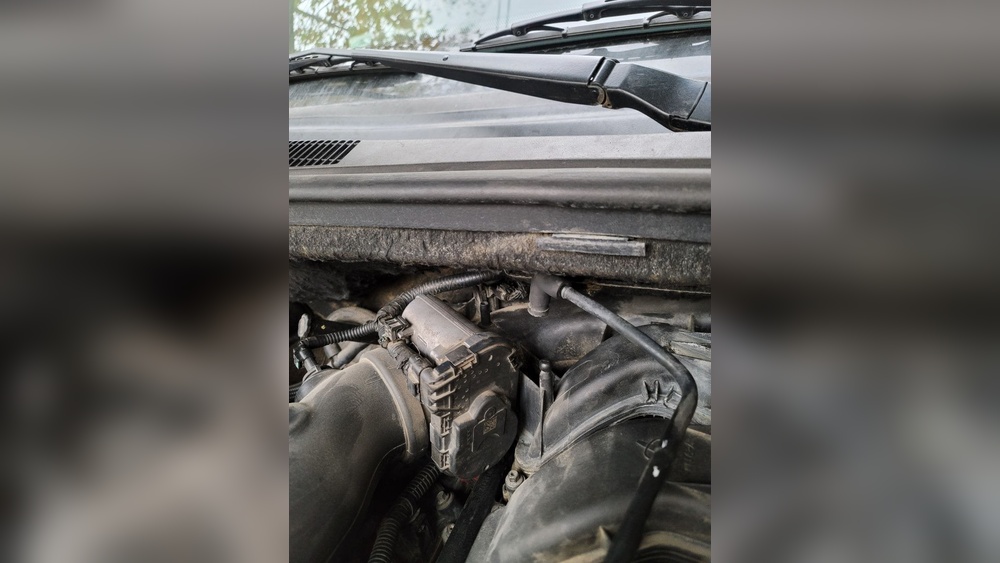
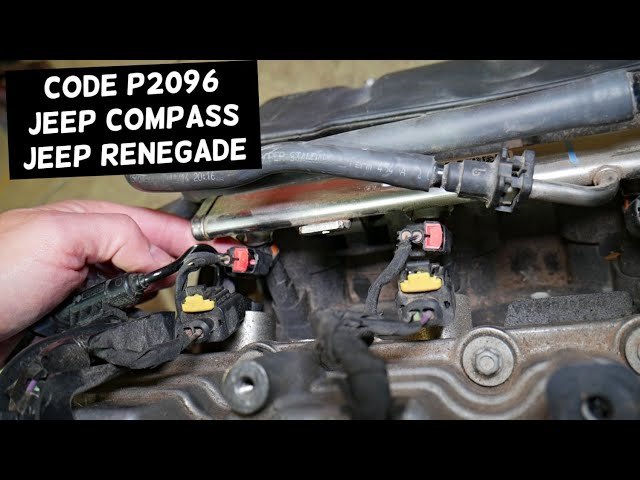
P2096 Code Basics
The P2096 code is important for Jeep Grand Cherokee owners to understand. It signals an issue with the vehicle’s exhaust system and air-fuel mixture. This code appears when the engine’s computer detects the exhaust system is too lean, meaning there is too much air or not enough fuel in the mixture.
Recognizing this code early helps prevent damage and keeps the Jeep running smoothly. Below, find key details about the P2096 code and what symptoms to watch for.
What P2096 Means
The P2096 code stands for “Post Catalyst Fuel Trim System Too Lean.” It means the oxygen sensor after the catalytic converter senses more oxygen than expected. The engine control module (ECM) notices this and flags the code.
This condition can be caused by exhaust leaks, vacuum leaks, or faulty oxygen sensors. The code tells you the engine is running with an air-fuel mixture that is too lean after the catalytic converter.
Symptoms To Watch For
Several signs may indicate the P2096 code is active. The Jeep may have rough idling or hesitate during acceleration.
You might notice a drop in fuel efficiency. The check engine light will likely be on.
Sometimes, the engine may stall or run unevenly. These symptoms signal that the engine’s fuel mixture needs attention to avoid further damage.
Common Causes
The P2096 code on a Jeep Grand Cherokee points to a lean condition in the post-catalyst fuel trim system. This issue arises when the engine senses too much air or not enough fuel in the exhaust gases.
Several problems can cause this code to appear, often related to air leaks or sensor malfunctions.
Understanding the common causes helps with quick diagnosis and repair. It also prevents repeated trouble codes and poor engine performance.
Here are the main reasons why the P2096 code triggers on a Jeep Grand Cherokee.
Exhaust Leaks
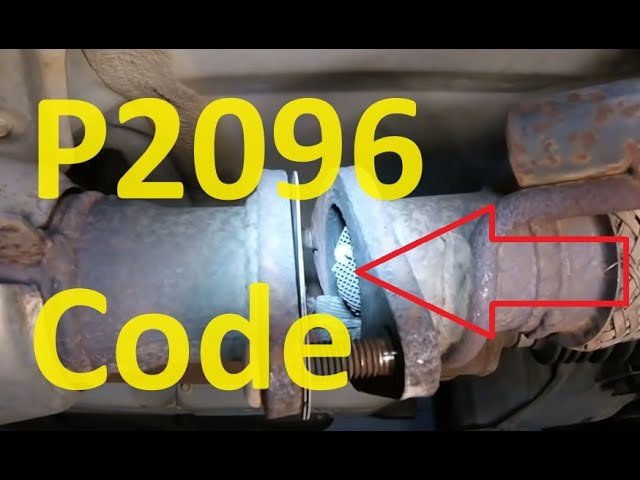
Exhaust leaks are the top cause of the P2096 code. The leak usually happens between the engine and the rear oxygen sensor.
Common spots include a cracked exhaust manifold or loose bolts. These leaks let fresh air enter the exhaust system.
The oxygen sensor then reads this air as a lean mixture. This false reading causes the engine control unit to set the P2096 code.
Vacuum Leaks
Vacuum leaks let unmeasured air into the engine intake. This air bypasses the mass airflow sensor.
Cracked hoses, loose clamps, or a bad intake manifold gasket often cause these leaks. The extra air creates a real lean condition.
The engine burns too much air and too little fuel. This imbalance triggers the P2096 code on the Jeep Grand Cherokee.
Sensor Issues
Faulty sensors can also cause the P2096 code. A failing rear oxygen sensor might send wrong signals.
Dirt, damage, or age can degrade sensor performance. The engine computer then reads incorrect fuel trim data.
Another sensor that causes problems is the mass airflow sensor. If it gives wrong readings, the fuel mixture can become unbalanced.
Replacing or cleaning these sensors often resolves the error code.
Tools And Parts Needed
Fixing the P2096 code on your Jeep Grand Cherokee needs the right tools and parts. Having these ready makes the job easier and faster.
You avoid guesswork and wrong replacements. Quality parts help your vehicle run smoothly again.
This section lists essential tools and parts to handle the P2096 error. It focuses on sensors and diagnostic devices.
These items ensure accurate repairs and reliable results.
Recommended Oem Sensors
Using original equipment manufacturer (OEM) sensors is best. NGK and NTK sensors fit the Jeep Grand Cherokee perfectly.
They provide accurate readings and last longer. Aftermarket sensors like Bosch may cause repeated issues.
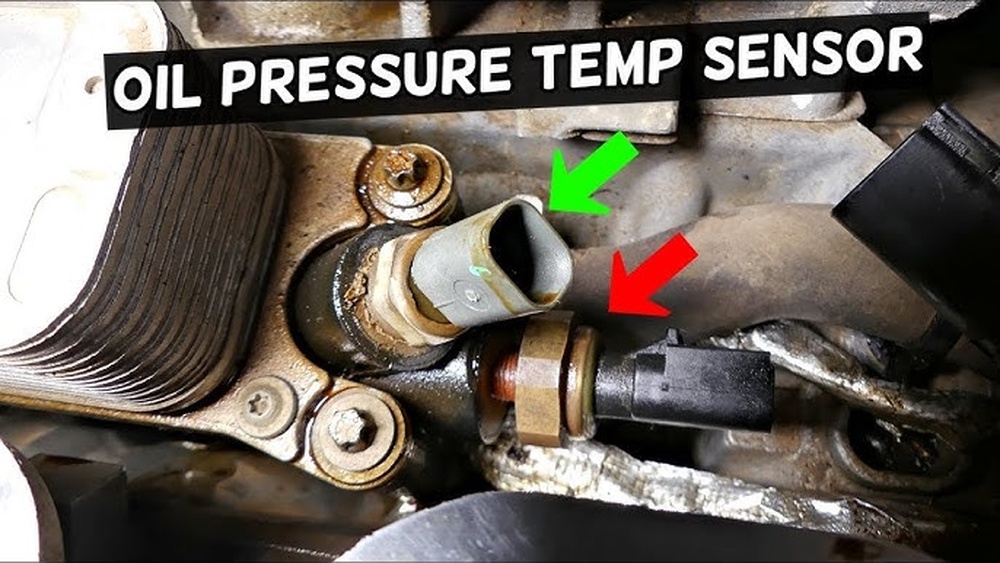
Oxygen sensors detect oxygen levels in exhaust gases. Faulty sensors give wrong data, causing the P2096 code.
Replacing with OEM sensors prevents false readings and performance problems.
Diagnostic Tools
A good scan tool is essential to diagnose the P2096 code. It reads trouble codes and live sensor data. This helps identify the exact problem quickly.
Look for a scanner that supports Jeep models and displays O2 sensor data. A multimeter can test sensor wiring and voltage.
Basic hand tools like screwdrivers and wrenches are also needed to remove and install parts.
Step-by-step Diagnosis
Diagnosing the P2096 code on your Jeep Grand Cherokee involves a clear, step-by-step process. This method helps find the root cause without guesswork.
Each check targets common issues causing this lean condition code.
Start with basic inspections and move to sensor tests. This approach saves time and prevents unnecessary part replacements. Follow these steps carefully for accurate diagnosis.
Checking For Exhaust Leaks
Begin by examining the exhaust system from the engine to the rear oxygen sensor. Look for cracks in the exhaust manifold or loose bolts.
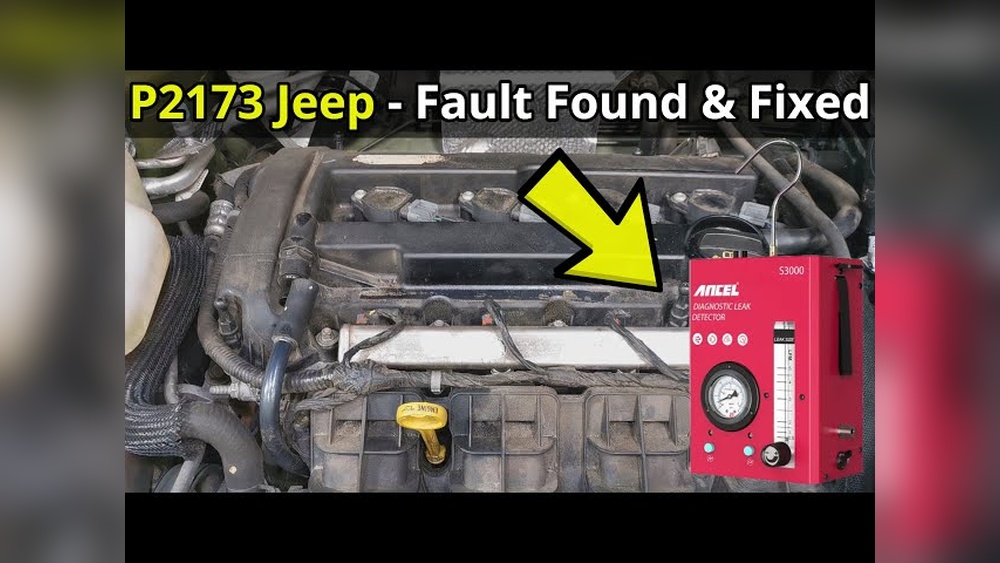
These leaks let fresh air enter, causing the sensor to report a lean condition. Use a smoke test or listen for hissing sounds to spot leaks.
Inspecting Vacuum Lines
Next, check all vacuum hoses around the engine. Cracked or disconnected hoses allow unmetered air into the intake.
This creates a true lean condition that triggers the P2096 code. Inspect clamps and gaskets for damage or looseness.
Replace any faulty parts found during this check.
Testing Oxygen Sensors
Oxygen sensors play a vital role in fuel management. Test both upstream and downstream sensors using a scan tool or multimeter.
Check sensor voltage and response times. Sensors that react slowly or give incorrect readings may need replacement.
Use OEM parts for best results and reliability.
Examining Throttle Position Sensor
The throttle position sensor (TPS) affects engine air-fuel balance. A dirty or failing TPS can cause hesitation or stalling.
Clean the sensor and test its signal with a scan tool. Look for smooth voltage changes as the throttle moves.
Replace the TPS if readings are erratic or out of range.

Conclusion
The P2096 code on your Jeep Grand Cherokee signals a lean fuel condition. Common causes include exhaust leaks and vacuum leaks.
Using quality OEM sensors helps avoid repeated issues. Regular checks and timely repairs keep your Jeep running smoothly.
Understanding this code saves time and money on repairs.
Keep an eye on your vehicle’s performance and address problems early. Stay informed to maintain your Jeep’s reliability and safety on the road.