If you’ve seen the P0340 code pop up on your Jeep Grand Cherokee’s dashboard, you know it’s more than just a random warning, it’s a sign that your camshaft position sensor might be having trouble.
This sensor plays a important role in keeping your engine running smoothly, so ignoring this issue can lead to rough starts, stalling, and poor performance.
But don’t worry you’re not alone, and fixing this problem is often simpler than you might think.
You’ll learn what causes the P0340 code, how to spot the symptoms early, and the best steps to get your Jeep back on the road without stress.
Keep reading to take control of your vehicle’s health before a small problem turns into a big headache.
Symptoms Of P0340 Code
The P0340 code on a Jeep Grand Cherokee indicates a problem with the camshaft position sensor circuit. This sensor is important for proper engine timing and performance.
Recognizing the symptoms early can help prevent further damage and costly repairs.
When the P0340 code appears, the vehicle often shows clear signs. These symptoms affect how the engine runs and feels while driving.
Below are the common symptoms to watch for.
Check Engine Light Activation
The most obvious sign is the Check Engine Light turning on. This warning alerts the driver to a sensor or engine issue.
The light may stay steady or flash depending on the problem’s severity.
Engine Starting Issues
The engine may crank but not start smoothly. Sometimes, it struggles to catch or takes longer to turn over.
This happens because the sensor fails to send correct timing signals to the engine control unit.
Stalling And Hesitation
The vehicle might stall unexpectedly or hesitate during acceleration. This can feel like the engine is sputtering or losing power suddenly.
Such symptoms occur as the engine timing becomes irregular due to sensor errors.
Loss Of Power And Poor Acceleration
A noticeable drop in power affects driving performance. The Jeep may feel sluggish when accelerating or climbing hills.
Poor throttle response often results from incorrect sensor data affecting fuel delivery and ignition timing.
Common Causes
The P0340 code on a Jeep Grand Cherokee points to a camshaft position sensor issue. Several factors cause this code to appear.
Understanding these common causes helps in quick diagnosis and repair. Below are key reasons why this error might trigger.
Failing Camshaft Position Sensor
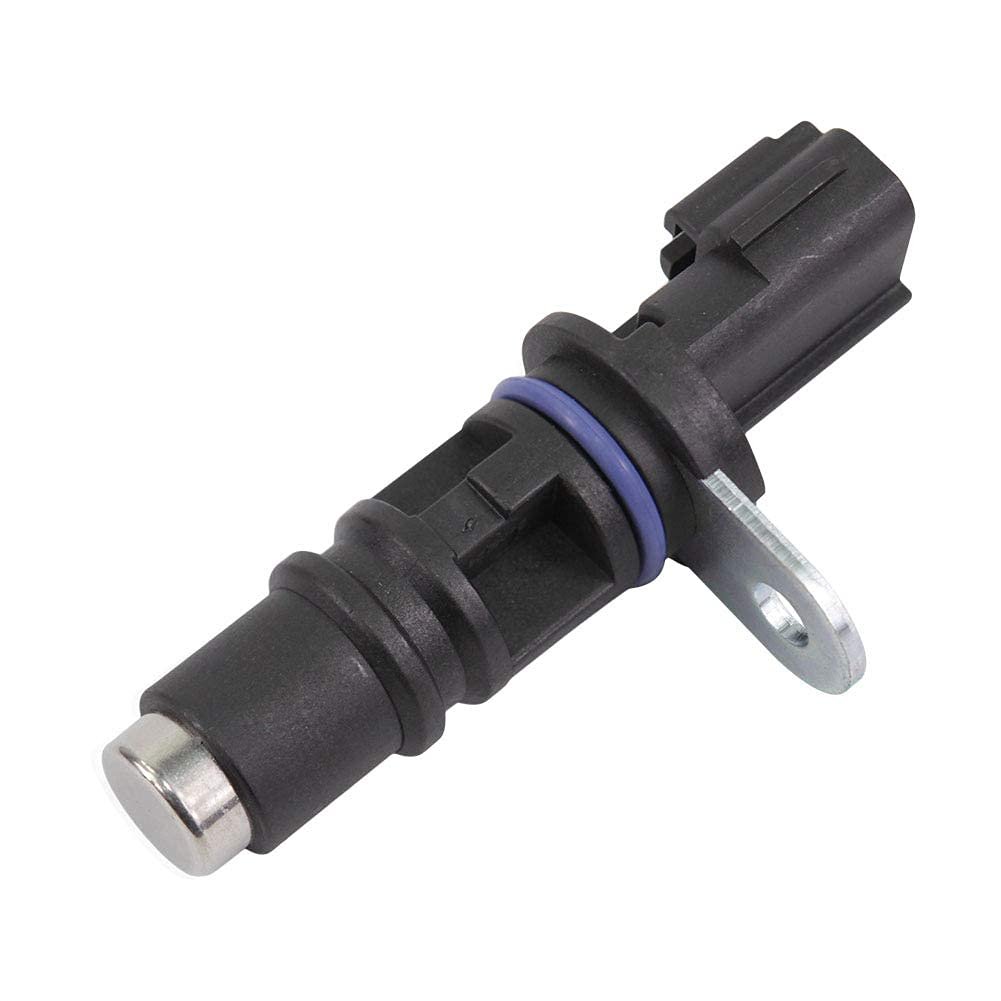
The camshaft position sensor detects the camshaft’s position and speed. Over time, this sensor can wear out or get dirty.
Engine sludge and heat damage also affect its performance. A failing sensor sends wrong signals to the engine control unit.
This leads to engine timing problems and triggers the P0340 code.
Wiring And Connector Problems
Wires and connectors link the sensor to the vehicle’s computer. Corrosion, loose connections, or broken wires disrupt signals.
Damaged wiring causes intermittent or no communication. This often results in error codes and engine performance issues.
Checking wiring for damage or poor connections is essential.
Battery And Voltage Issues
The sensor needs stable voltage to work correctly. A weak or dying battery can cause voltage drops.
Low voltage affects sensor signals and triggers error codes. Dirty or loose battery terminals also cause power issues.
Ensuring a strong and steady voltage supply is important for sensor function.
Faulty Starter Motor
The starter motor draws high current during engine start. A faulty starter may cause voltage drops in the electrical system.
This drop affects the camshaft sensor’s signal. In some cases, the P0340 code appears due to starter motor problems.
Testing the starter motor helps rule out this cause.
Locating The Camshaft Sensor
The camshaft sensor plays a key role in your Jeep Grand Cherokee’s engine. It helps the engine control unit know the exact position of the camshaft.
This information is essential for proper fuel injection and ignition timing. Locating this sensor is the first step to diagnose error code P0340.
Knowing where the camshaft sensor sits on your Jeep makes inspection easier. This guide explains its location and how to access it safely.
Understanding these points saves time and effort during troubleshooting or replacement.
Sensor Position On Jeep Grand Cherokee
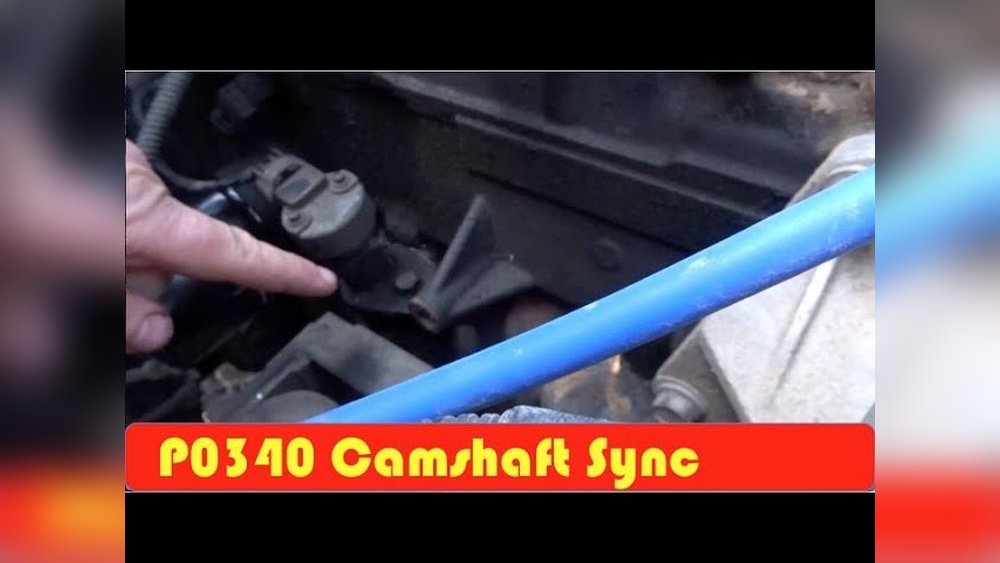
The camshaft sensor on a Jeep Grand Cherokee is usually found near the cylinder head. It sits close to the camshaft, often on the engine’s front side.
The sensor is mounted with one or two bolts and faces the camshaft gear or lobes.
This position allows the sensor to read the camshaft’s movement accurately. On most models, it is near the timing cover or valve cover.
The exact spot can vary depending on the engine type and year of your Jeep.
Accessing And Inspecting The Sensor
To access the camshaft sensor, start by opening the Jeep’s hood. Remove any engine covers blocking your view.
Use basic hand tools like a ratchet and socket to remove bolts.
Once exposed, inspect the sensor for dirt, oil, or damage. Check the wiring harness and connector for corrosion or loose pins.
A damaged sensor or loose wiring often triggers the P0340 code.
Cleaning the sensor gently with a cloth can help if it is dirty. Avoid using harsh chemicals that may harm the sensor.
If the sensor looks damaged or faulty, replacement is the best option.
Diagnostic Steps
Diagnosing the P0340 code on a Jeep Grand Cherokee requires a clear and methodical approach. This code signals a problem with the camshaft position sensor circuit.
Following specific diagnostic steps helps identify the root cause efficiently.
Each step targets a key part of the system. This process avoids unnecessary parts replacement and saves time.
Checking Battery Voltage
Start by measuring the battery voltage. A weak battery can cause sensor malfunctions.
Use a multimeter to check voltage levels. Ensure the battery reads around 12.6 volts when the engine is off.
During cranking, voltage should not drop below 9.6 volts. Low voltage can disrupt sensor signals and trigger the P0340 code.
Inspecting Sensor Wiring And Connections
Next, examine the wiring harness connected to the camshaft position sensor. Look for loose or corroded connectors.
Check for damaged wires or broken insulation. Proper electrical contact is important for sensor function.
Clean all connectors and tighten any loose fittings. Replace any wires that show signs of wear or damage.
Using A Scope Test For Sensor Signal
A scope test reveals the actual sensor signal waveforms. Connect an oscilloscope to the sensor output wire.
Observe the signal while cranking the engine. A healthy camshaft sensor produces a clear, consistent waveform.
Irregular or no signal indicates a faulty sensor or wiring issue. This test is more precise than just checking voltage.
Performing Guided Component Tests
Use a diagnostic scanner with guided test capabilities. This tool provides step-by-step instructions and pin layouts for the sensor connector.
It can activate the sensor and read live data. Follow the scanner’s prompts to test the camshaft position sensor and related components.
This method helps confirm if the sensor or the control module is at fault.
Repair And Replacement
Repair and replacement are key steps to fix the P0340 code on a Jeep Grand Cherokee. This code points to a problem with the camshaft position sensor circuit.
Fixing it often involves cleaning or replacing parts. Proper repair restores engine performance and stops warning lights.
Simple cleaning can solve sensor issues. Sometimes, worn parts need full replacement.
Wiring faults also cause trouble and must be checked carefully. Each repair step targets a specific cause of the P0340 error.
Cleaning The Camshaft Position Sensor
Dirt and oil can block the sensor’s signal. Remove the sensor carefully from the engine.
Use a safe cleaner to wipe the sensor’s surface. Avoid harsh chemicals that might damage it.
Let it dry completely before reinstalling. This can restore sensor function without buying new parts.
Replacing The Sensor
Old or damaged sensors fail to send correct signals. Buy a sensor that fits your Jeep Grand Cherokee model.
Disconnect the battery to avoid electrical shocks. Remove the faulty sensor by loosening its bolts.
Install the new sensor firmly and reconnect all wiring. Clear any error codes from the car’s computer after replacement.
Replacing The Camshaft Synchronizer
The camshaft synchronizer helps the sensor track camshaft position. If it wears out, sensor readings become wrong.
Replacing it requires removing engine covers and parts around the camshaft. Use the right tools to avoid damage.
Install a new synchronizer that matches your engine. This repair can fix timing issues that trigger the P0340 code.
Addressing Wiring Issues
Wiring problems often cause sensor errors. Check the wiring harness for cuts, corrosion, or loose connections.
Use a multimeter to test sensor wires for continuity. Repair or replace damaged wires carefully.
Secure all connectors and ensure tight fits. Proper wiring fixes help sensors communicate well with the engine control unit.
Preventive Tips
Preventing the P0340 error code on your Jeep Grand Cherokee saves time and money. Simple care steps keep the camshaft position sensor and engine running smoothly.
These tips help avoid common sensor problems and maintain engine health. Follow these easy preventive tips to reduce the chance of sensor failure and engine issues.
Maintaining Battery Health
Battery health affects sensor performance. A weak or low battery causes voltage drops.
These drops may trigger the P0340 code. Check battery terminals for corrosion.
Clean and tighten connections regularly. Test battery voltage often.
Replace the battery if voltage is low or unstable. A strong battery ensures steady sensor signals.
Regular Sensor Inspection
Inspect the camshaft position sensor regularly. Look for dirt, oil, or damage on the sensor.
Clean the sensor gently to remove grime. Check wiring and connectors for wear or loose connections.
Replace worn or damaged parts immediately. Regular checks help catch sensor issues before they cause problems.
Avoiding Engine Sludge Build-up
Engine sludge can foul the camshaft position sensor. Use the correct engine oil and change it on time.
Avoid long idling or short trips that cause sludge. Consider engine flushes if sludge is a concern.
Clean engine parts allow sensors to work accurately. A clean engine helps prevent sensor errors like P0340.
Expert Advice
Dealing with a P0340 error code on your Jeep Grand Cherokee requires careful handling. This code points to a camshaft position sensor circuit malfunction.
Expert advice can guide you through effective steps to manage the issue. Proper knowledge helps avoid costly repairs and ensures your vehicle runs smoothly.
When To Seek Professional Help
Some problems need a mechanic’s expertise. If the check engine light stays on after resetting, visit a professional.
Complex wiring faults or sensor replacements often require special tools. Mechanics can diagnose hidden issues that simple checks might miss.
Persistent engine stalling or poor acceleration also calls for expert attention. Professionals ensure safety and proper functioning of your Jeep Grand Cherokee.
Avoid guessing or delaying repairs to prevent further damage.
Clearing Codes And Monitoring
After fixing the sensor or wiring, clear the error codes using an OBD-II scanner. This device resets the check engine light.
Monitor the vehicle’s performance for a few days. If the P0340 code returns, further diagnosis is needed.
Regularly check battery voltage and sensor connections. Clean any dirt or corrosion around the sensor.
Keeping the camshaft position sensor area clean helps maintain accurate readings and prevents future errors.
Common Mistakes To Avoid
Do not ignore warning signs like engine hesitation or stalling. Avoid replacing parts without proper diagnosis.
Swapping sensors randomly wastes time and money. Ensure the replacement sensor matches your Jeep’s model and year.
Avoid using harsh chemicals on the sensor or wiring. Rough handling can damage delicate components.
Always disconnect the battery before working on electrical parts. These steps protect you and your vehicle.

Conclusion
The P0340 code in a Jeep Grand Cherokee often points to camshaft sensor issues. Fixing it usually means cleaning connections or replacing the sensor.
Ignoring this can cause engine problems and poor performance. Regular checks help keep your vehicle running smoothly.
Stay alert to symptoms like stalling or rough starts. Early action saves time and money.
Keep your Jeep in top shape by addressing sensor problems quickly.