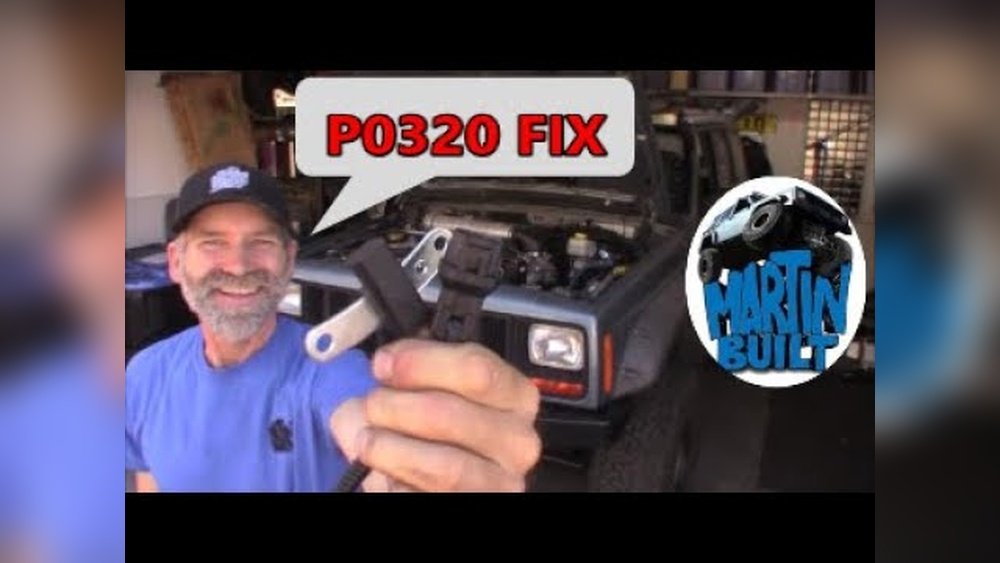
If you own a Jeep Grand Cherokee and have recently seen the dreaded P0320 code pop up on your dashboard, you’re likely wondering what it means and how it affects your ride. This code points to an issue in the ignition or engine speed input circuit, often related to the crankshaft position sensor.
Understanding this problem is important because it can cause your engine to stall, hesitate, or even fail to start problems you don’t want to face on the road.
You’ll discover the common symptoms tied to the P0320 code, what usually causes it, and simple steps you can take to fix it.
Keep reading to learn how to protect your Jeep’s performance and avoid unexpected breakdowns.
Symptoms Of Code P0320
Code P0320 in a Jeep Grand Cherokee signals a problem with the ignition or engine speed input circuit. This trouble code often leads to noticeable issues while driving. Identifying symptoms early helps prevent further engine damage and costly repairs. Below are common signs of Code P0320.
Engine Stalling And No-start Issues
The engine may stall unexpectedly, especially at low speeds or idle. Sometimes, the Jeep might refuse to start even if the engine cranks.
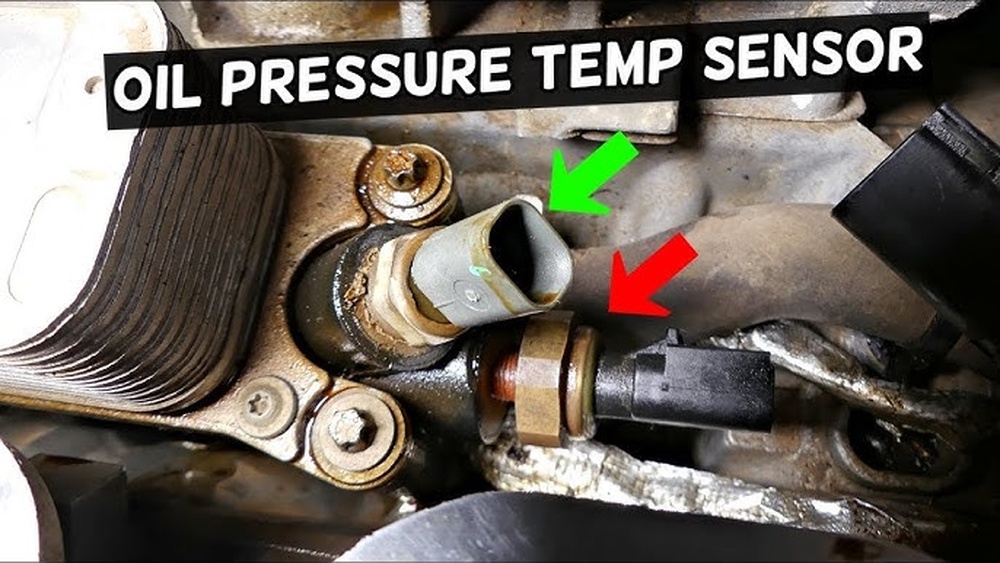
These problems happen because the crankshaft position sensor sends wrong signals or no signal at all. Stalling can be sudden, creating unsafe driving conditions.
Check Engine Light And Error Codes
The Check Engine Light turns on when the vehicle’s computer detects a fault. It stores Code P0320, indicating ignition or engine speed circuit malfunction.
A diagnostic scan tool can read this code from the onboard computer. Ignoring this warning may cause more severe engine problems later.
Erratic Rpm And Performance Drops
The tachometer may show irregular or fluctuating RPM readings. This causes uneven engine performance and power loss.
The Jeep might feel sluggish or hesitate during acceleration. Erratic RPM often reflects sensor failure or wiring issues in the ignition system.
Common Causes
Performing quick inspection steps can save time diagnosing the P0320 error on a Jeep Grand Cherokee. Start with simple checks before moving to complex repairs.
These steps help spot obvious problems fast. You can avoid unnecessary part replacements and get your Jeep running sooner.
Checking Wiring And Connectors
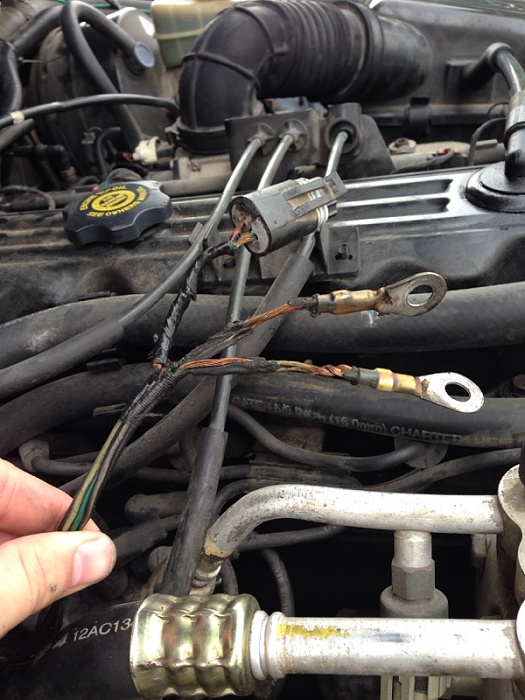
Begin by inspecting the wiring around the crankshaft and camshaft sensors. Look for frayed, broken, or melted wires.
Check connectors for corrosion or loose pins. Sometimes, a poor connection causes signal loss.
Secure any loose connectors and clean corroded terminals. This may restore proper communication with the engine control module.
Testing Battery And Ground Connections
Next, test the battery voltage to ensure it is fully charged. Low battery power can cause sensor errors.
Also, inspect ground wires for tightness and cleanliness. Corroded or loose grounds disrupt electrical flow.
Clean ground points and tighten connections. A strong, stable electrical system supports accurate sensor signals and smooth engine operation.
Quick Inspection Steps
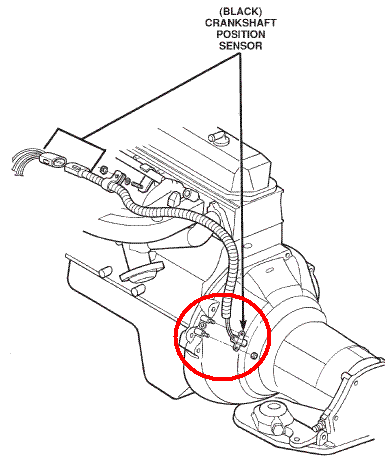
Preventive maintenance plays a key role in avoiding the P0320 error code in your Jeep Grand Cherokee. This code often relates to issues with the crankshaft position sensor and its wiring.
Keeping these parts in good condition helps maintain smooth engine performance and prevents sudden breakdowns.
Simple, regular checks can stop small problems from turning into costly repairs. Focus on wiring and battery health to reduce the risk of sensor malfunctions.
These steps keep your Jeep running reliably and safely on the road.
Regular Wiring Inspections
Check the wiring connected to the crankshaft position sensor often. Look for cracks, fraying, or loose connections that might interrupt the signal.
Heat and vibration can wear down wires over time. Fix or replace damaged wires quickly to avoid sensor errors.
Inspect connectors and terminals for corrosion or dirt. Clean these parts gently to ensure a strong electrical connection.
Pay special attention to wiring near the engine block and transmission area. Good wiring keeps sensor signals steady and accurate.
Battery Health Monitoring
A weak battery can cause voltage drops that affect sensor performance. Test your battery regularly to ensure it holds a full charge.
Replace it if you notice slow starts or dim lights. Clean battery terminals and secure all connections tightly.
Proper battery health supports stable sensor signals and engine control. Avoid letting the battery run too low, as this can trigger the P0320 code.
Keep your Jeep’s electrical system in check for smooth, trouble-free driving.
Conclusion
The P0320 code in a Jeep Grand Cherokee points to ignition issues. Common causes include a failing crankshaft sensor or damaged wiring.
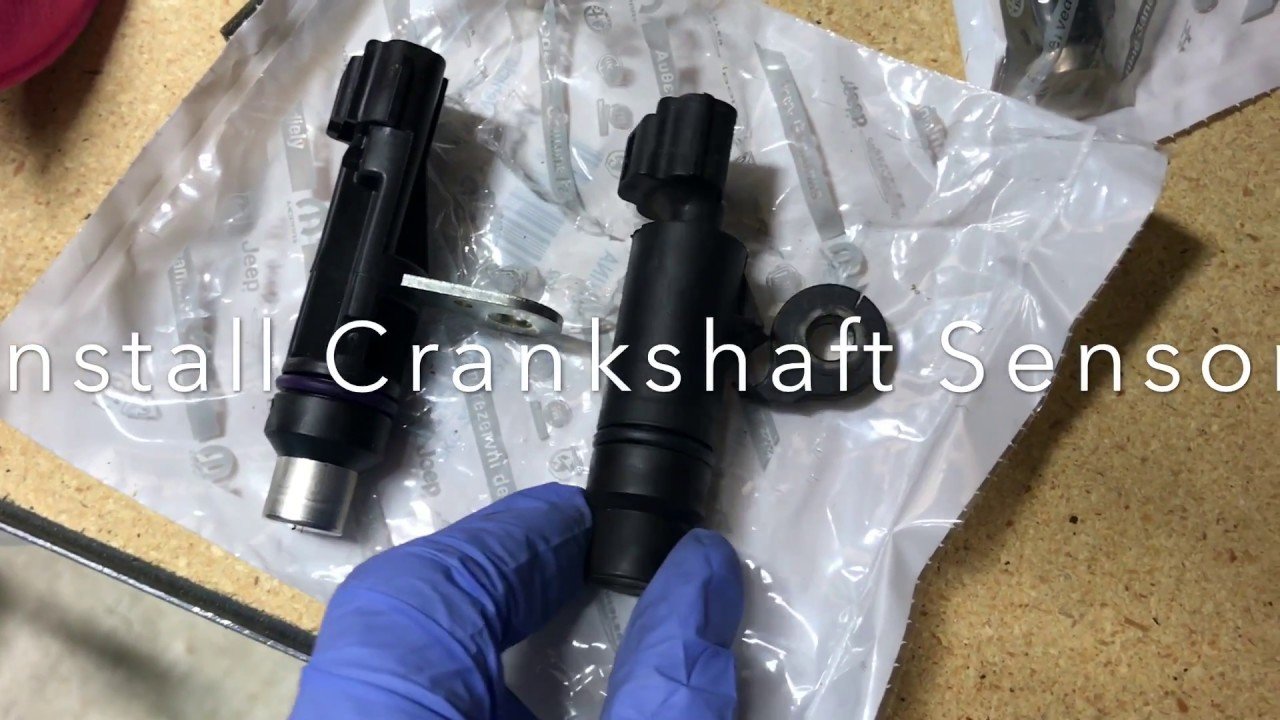
Regular checks of sensors and wiring can prevent bigger problems. Replacing the crankshaft position sensor often resolves the issue.
Pay attention to symptoms like stalling or hard starts. Timely repairs keep your Jeep running smoothly and safely.
Stay informed and act quickly for the best results.