If your Jeep’s check engine light just came on and you’ve seen the code P0201, you might be wondering what it means and what’s wrong with your ride. This code points to a problem with the fuel injector in cylinder number one.
That injector is key to delivering the right amount of fuel to your engine, and if it’s not working properly, you’ll notice issues like rough idling, loss of power, or even fuel smell from the exhaust.
Don’t ignore it understanding what causes P0201 and how to fix it can save you time and money while keeping your Jeep running smoothly.
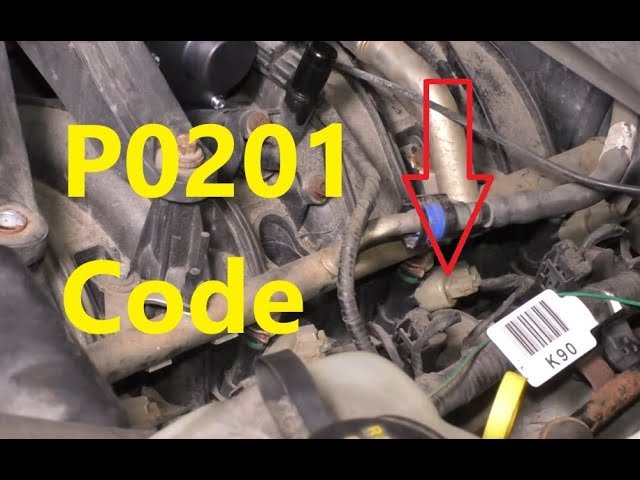
Keep reading to learn how to spot the signs, what usually causes this issue, and the simple steps you can take to get your Jeep back on the road.
Symptoms Of P0201 Code
The P0201 code in a Jeep signals a problem with the fuel injector circuit for cylinder 1. Recognizing its symptoms helps prevent further engine damage.
These symptoms often affect driving performance and engine behavior.
Early detection is key to fixing the issue quickly. Watch for signs that your Jeep needs attention under this code.
Understanding these symptoms gives you a clear idea of what is wrong.
Check Engine Light Indicators
The Check Engine Light often turns on with the P0201 code. It stays lit or may flash.
This warning means the engine control module found a fault with injector 1’s circuit. Never ignore this light as it flags a real problem.
Engine Misfire And Rough Idle
The engine may misfire due to poor fuel delivery. Expect rough idling or shaking when the Jeep is at rest.
Misfires can cause uneven engine sounds and vibrations. This happens because cylinder 1 isn’t firing properly.
Power Loss During Acceleration
Acceleration might feel weak or delayed. The Jeep could hesitate when pressing the gas pedal.
Power loss occurs because cylinder 1 does not get enough fuel. Driving becomes less smooth and responsive.
Common Causes Of P0201
Troubleshooting the P0201 code on a Jeep requires specific tools. Each tool helps pinpoint the issue accurately. Proper tools save time and avoid guesswork.
Using the right equipment ensures you can test electrical signals and fuel injectors. It also helps verify wiring and control module conditions.
Below are the essential tools needed for this job.
Obd-ii Scanner
An OBD-II scanner reads trouble codes from your Jeep’s computer. It shows the P0201 code and related data. This tool helps confirm the problem and clears codes after repair. Many scanners provide live data to monitor injector signals in real time.
Multimeter
A multimeter measures voltage, resistance, and continuity in the injector circuit. It checks wiring, connectors, and injector coil resistance.
This tool detects broken wires, shorts, or poor connections. Accurate readings help identify electrical faults causing the P0201 code.
Fuel Injector Tester
This tool tests the mechanical operation of the fuel injector. It applies power to the injector and listens for clicking sounds.
It also checks spray pattern and flow rate. A faulty injector may not open or spray properly, leading to engine misfires.
Tools Needed For Troubleshooting
Fixing the fuel injector is important for resolving the P0201 Jeep trouble code. This code points to a problem with the fuel injector on cylinder 1.
Addressing the injector issue restores engine performance and smooth running. It also helps prevent further damage to the engine and exhaust system.
The repair process depends on the injector’s condition and the cause of the fault. Sometimes cleaning is enough.
Other times, replacement or wiring repairs are needed. Each step plays a key role in fixing the injector effectively.
Cleaning Clogged Injectors
Fuel injectors can get clogged by dirt or deposits. This reduces fuel flow and causes misfires.
Cleaning involves removing the injector and soaking it in a cleaner solution. Professional ultrasonic cleaning is often used to clear blockages inside.
Cleaning restores proper spray patterns and fuel delivery. It is a low-cost option that can fix minor injector problems.
After cleaning, test the injector to ensure it works well before reinstalling.
Replacing Faulty Injectors
Some injectors fail internally and cannot be cleaned. These injectors need replacement.
Choose OEM or quality aftermarket injectors for best results. A new injector ensures proper fuel atomization and engine operation.
Replace the injector carefully to avoid damage to seals or connectors. Clear any fault codes from the vehicle’s computer after installation.
This step confirms the injector is no longer causing issues.
Repairing Wiring Harness
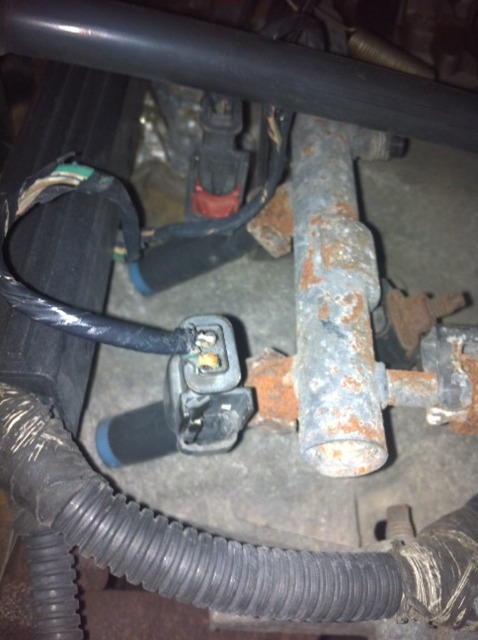
The injector’s wiring harness can suffer from corrosion or breaks. Faulty wiring causes poor electrical signals to the injector.
Inspect the harness for damaged wires, loose connectors, or shorts.
Repair wiring by cleaning contacts, replacing damaged wires, or tightening connectors. Good wiring restores injector control and stops error codes.
Check wiring with a multimeter to verify continuity and voltage.
Step-by-step Troubleshooting Guide
Preventive maintenance plays a key role in avoiding the P0201 error code on your Jeep. This code often points to issues with the fuel injector circuit, which can cause engine problems.
Keeping your Jeep’s fuel system and electrical components in good shape helps prevent this error. Simple, regular checks and care can save time and money.
tips to keep your Jeep running smoothly and avoid injector troubles.
Regular Fuel System Cleaning
Fuel injectors can get clogged with dirt and deposits over time. Cleaning the fuel system regularly removes these buildups.
Use fuel system cleaner additives or have a professional clean the injectors. This keeps fuel flowing properly and ensures efficient engine performance.
Clean injectors reduce the risk of the P0201 code appearing.
Inspecting Wiring Harness Periodically
The wiring harness connects the injector to the engine computer. Over time, wires can corrode, fray, or come loose.
Check the wiring harness regularly for damage or wear. Look for cracked insulation, exposed wires, or loose connectors.
Fix any problems immediately to maintain a strong electrical connection. Good wiring prevents false injector codes and engine misfires.
Using Quality Fuel And Additives
Low-quality fuel can contain impurities that harm the injector system. Always use fuel from reputable stations.
High-quality fuel burns cleaner and protects engine parts. Adding fuel additives designed to clean injectors can boost fuel quality.
These additives help keep injectors free from deposits and improve engine efficiency. Clean fuel extends injector life and reduces error codes.

Conclusion
The P0201 code signals a problem with Jeep's fuel injector. It can cause rough idling, loss of power, and engine misfires.
Checking wiring, connectors, and the injector itself helps find the fault. Fixing these issues keeps your Jeep running smoothly and safely.
Regular maintenance reduces the chance of this code appearing. Stay alert to symptoms and act quickly to avoid bigger problems.
Your Jeep will thank you with better performance and reliability.