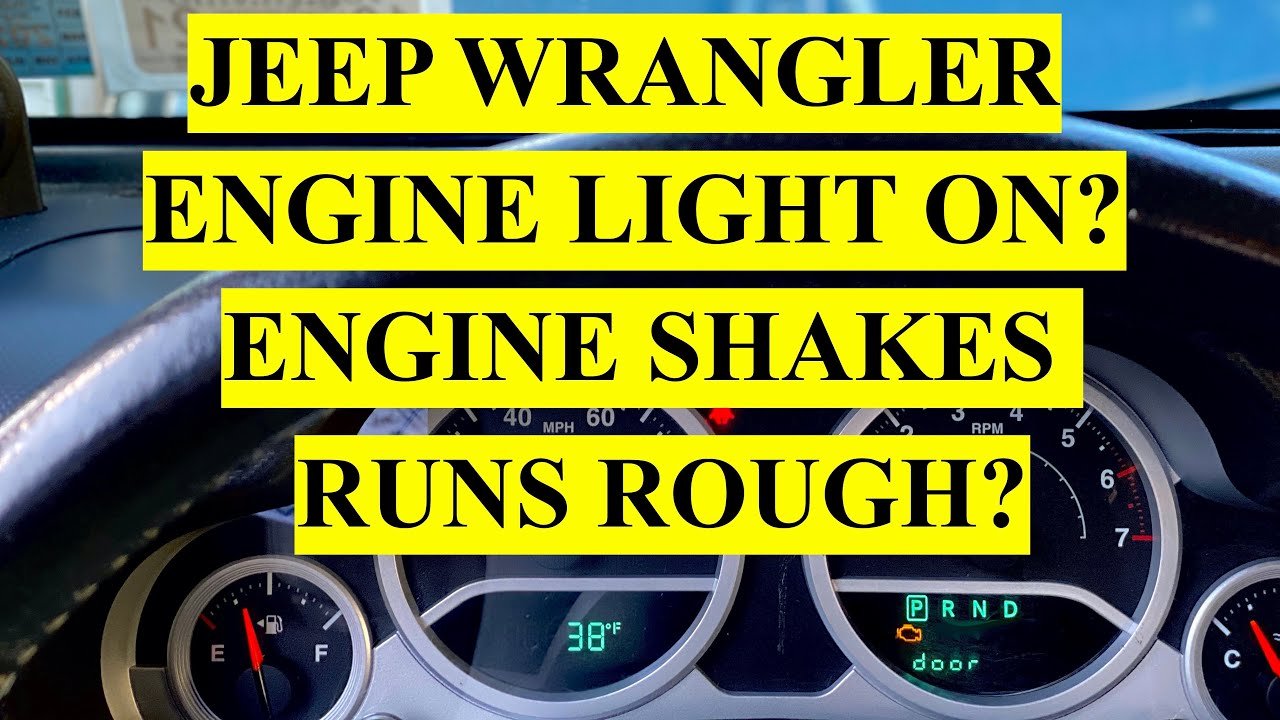
If your Jeep Wrangler’s check engine light turns on but isn’t flashing, you might be wondering what it really means and whether you should be worried.
That steady glow isn’t an emergency alarm, but it’s definitely your vehicle’s way of telling you something needs attention soon.
Ignoring it could lead to bigger problems down the road, but the good news is that many causes are simple and easy to fix.
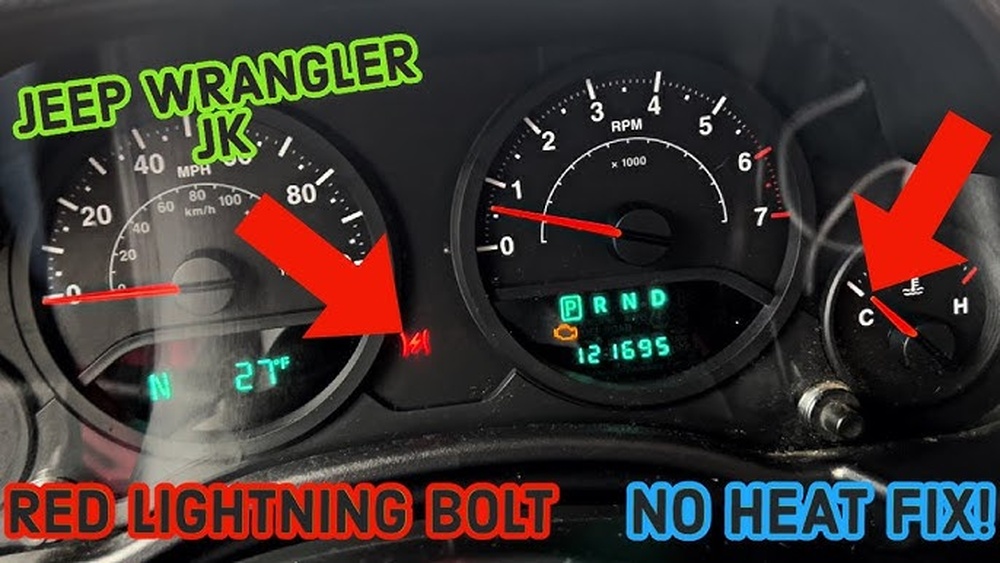
You’ll learn what a steady check engine light means, the most common reasons behind it, and practical steps you can take right now to diagnose and address the issue.
Keep reading to protect your Jeep and keep your adventures on track without unnecessary stress.

Steady Check Engine Light
The steady check engine light on your Jeep Wrangler signals a warning from the vehicle’s computer. This light means the system has detected an issue affecting emissions or performance. The light stays on steadily, without flashing, to show that the problem is not an emergency but needs attention soon.
Driving with a steady check engine light means caution. The issue is important but usually does not require immediate stopping.
Understanding what this light means helps you decide your next steps.
What The Light Indicates
A steady check engine light means the Jeep’s computer found a fault. This fault often relates to emissions or engine performance.
It may be caused by simple issues like a loose gas cap. More complex problems include a failing oxygen sensor or bad spark plugs.
The light tells you to get the problem checked soon to avoid damage.
Driving With A Steady Light
You can drive your Jeep Wrangler a short distance with the steady light on. Avoid long trips or heavy loads until the problem is fixed.
Pay attention to how the engine runs. If the Jeep starts to stall or run rough, stop driving and seek help.
Getting a diagnostic test quickly can prevent more serious damage or costly repairs.
Common Causes
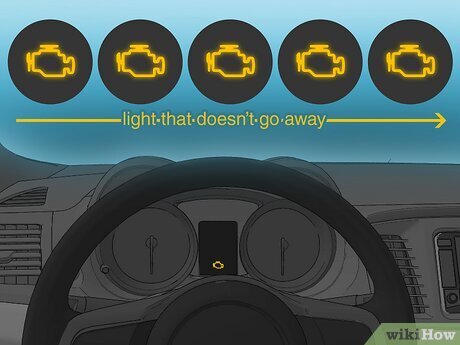
The check engine light on your Jeep Wrangler signals the vehicle’s computer has found an issue. When the light is on but not flashing, it means the problem is not urgent but needs attention.
Understanding the common causes helps you decide when to visit a mechanic. These causes often relate to the engine or emissions system.
Below are some frequent reasons for this warning light.
Loose Or Faulty Gas Cap
A loose or damaged gas cap often triggers the check engine light. It can allow fuel vapors to escape, causing the emissions system to detect a leak.
Simply tightening the cap until it clicks can solve this problem. If the cap is cracked or the seal is broken, replacing it may be necessary.
This is one of the simplest fixes and can save you a trip to the shop.
Failing Oxygen Sensor
The oxygen sensor measures how much oxygen is in the exhaust gases. A failing sensor sends wrong data to the engine computer.
This can lower fuel efficiency and increase emissions. A faulty sensor can cause the check engine light to come on steadily.
Replacing a bad oxygen sensor improves engine performance and saves fuel.
Bad Spark Plugs Or Coils
Worn spark plugs or faulty ignition coils cause poor engine performance. Symptoms include rough idling and slight misfires.
These problems make the engine work harder and can trigger the check engine light. Replacing spark plugs or coils restores smooth engine operation.
Regular maintenance helps prevent these issues from developing.
Quick Diy Inspections
When the check engine light on your Jeep Wrangler stays on but does not flash, it signals a problem that needs attention soon. Quick DIY inspections can help identify simple causes before visiting a mechanic. These easy checks save time and money.
Gas Cap Check
A loose or damaged gas cap often triggers the check engine light. Start by removing the gas cap.
Wipe the rubber seal clean to remove dirt and debris. Screw the cap back on firmly until you hear a click.
This ensures a tight seal and stops vapor leaks. After tightening, the light may turn off after some driving.
Battery Condition
Your Jeep’s battery health affects sensor readings. A weak or dying battery can cause voltage drops.
These drops confuse the engine’s computer and trigger warning lights. Check the battery terminals for corrosion or looseness.
Clean any corrosion with a wire brush. Tighten the terminals to ensure a solid connection.
Consider testing the battery with a multimeter or at an auto parts store.
Reading Error Codes
Reading error codes is the first step to understanding why your Jeep Wrangler’s check engine light is on. The light signals the vehicle’s computer has found a problem.
The codes help identify the specific issue. These codes are stored inside your Jeep’s onboard computer.
Accessing these codes can save time and money. It lets you know if the problem is minor or needs expert help.
The process is simple and requires only a few tools or tricks.
Using Obd-ii Scanner
An OBD-II scanner reads the error codes stored in your Jeep’s computer. Plug the scanner into the OBD-II port, usually located under the dashboard. Turn the ignition key to the “On” position without starting the engine. The scanner will communicate with the vehicle’s system.
The scanner displays the codes, which you can then look up in the user manual or online. These codes explain the issue causing the check engine light.
Most auto parts stores offer free code reading if you do not own a scanner.
Key On/off Trick
This method works on some Jeep Wrangler models without a scanner. Insert the key into the ignition.
Turn the key to the “On” position without starting the engine. Then turn it back to “Off.” Repeat this on/off cycle three to five times quickly.
After the last cycle, leave the key in the “On” position. The check engine light will flash a series of long and short blinks.
These blinks represent the error codes. Count the flashes to decode the problem.
This trick is a quick way to get basic trouble codes.
When To Seek Professional Help
A steady check engine light on your Jeep Wrangler signals a problem that needs attention soon. Driving short distances is usually safe, but persistent lights warrant a professional diagnosis.
Visit a mechanic if the light stays on after simple checks or if you notice performance issues.
Signs You Should Visit A Mechanic
The check engine light on your Jeep Wrangler signals a problem. A steady light means the issue is not urgent but needs attention.
If the light stays on for days without change, have a professional check it.
Strange noises or poor engine performance with the light on require immediate help. If your Jeep stalls, hesitates, or loses power, stop driving. Call a mechanic to avoid further damage.
Limitations Of Diy Fixes
Simple checks like tightening the gas cap can clear the light. Still, many problems hide deep inside the engine or sensors.
Without proper tools, you might miss the real cause.
Mechanics use scanners to read error codes and diagnose issues accurately. They have the training to fix complex problems safely and quickly.
When The Light Stays On After Repairs
If you tried basic fixes and the light stays on, seek professional help. Persistent warning lights often mean sensors or engine parts need replacement.
Ignoring these signs can lead to bigger repairs later.
Frequently Asked Questions
What Does It Mean If My Check Engine Light Is On But Not Blinking?
A steady check engine light means the vehicle’s computer detected a non-emergency issue. Drive cautiously to a service center soon.
What Is The Most Common Check Engine Light On A Jeep Wrangler?
The most common check engine light on a Jeep Wrangler indicates a loose or faulty gas cap. It often triggers the EVAP system warning.
Can I Still Drive My Car If The Check Engine Light Just Came On?
You can usually drive a short distance if the check engine light stays steady. Get your car checked soon to avoid further damage.
How To Clear A Jeep Wrangler Check Engine Light?
Turn off the engine and reconnect the gas cap tightly. Use an OBD-II scanner to read and clear error codes.
Drive to check if the light stays off.
Conclusion
A steady check engine light on your Jeep Wrangler signals a problem, but not an emergency. Driving short distances is usually safe while you plan a visit to a mechanic or auto parts store.
Start with simple checks like tightening the gas cap or inspecting the battery.
Using an OBD-II scanner can help identify specific issues without a professional. Catching problems early helps avoid costly repairs later.
Stay attentive to your Jeep’s signals to keep it running smoothly and safely.