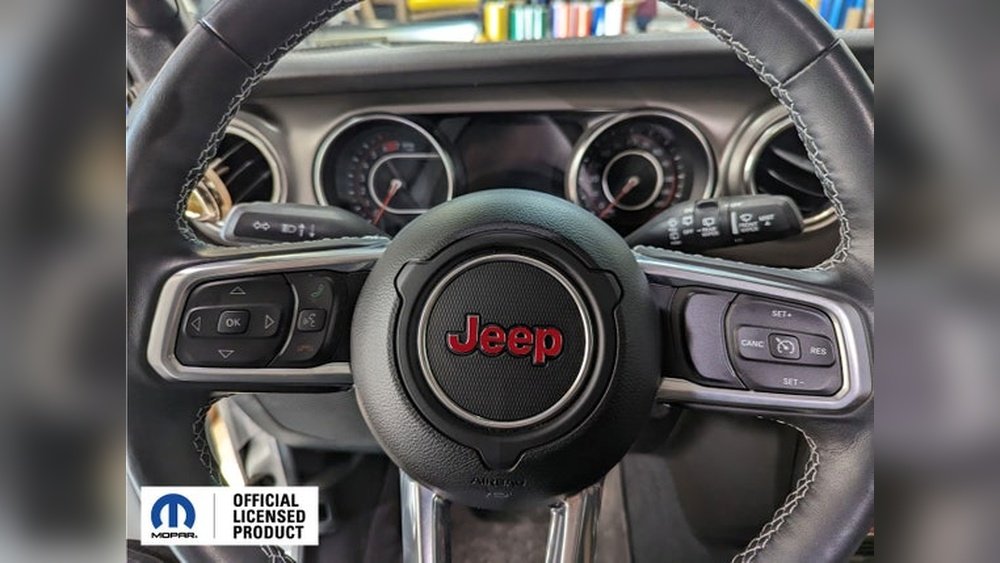
If your Jeep Wrangler’s check engine light has come on but the vehicle still runs smoothly, you’re not alone, and it’s a situation that can be both confusing and concerning. You might wonder, “Is it safe to keep driving?
What’s really wrong if nothing feels off? ” The good news is that this warning doesn’t always mean a major problem.
Often, it’s a simple issue like a loose gas cap or a minor sensor glitch. But ignoring the light isn’t the best choice either.
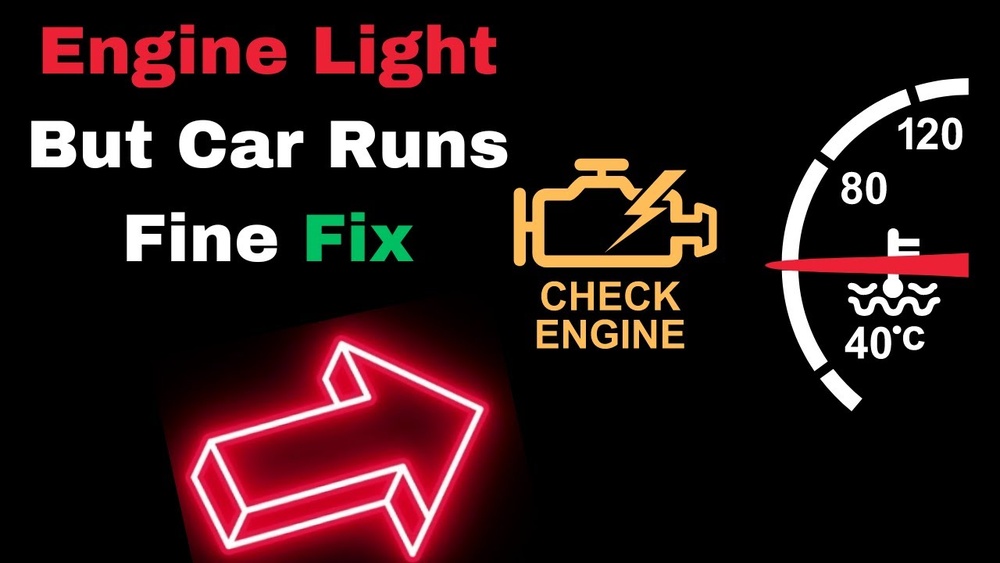
You’ll discover the most common reasons behind that stubborn check engine light, learn how to quickly diagnose the cause, and find out what steps you can take right now to protect your Jeep and avoid costly repairs.
Keep reading to take control and get peace of mind with your Wrangler.
Common Causes
Resetting the check engine light on a Jeep Wrangler can often solve minor issues. The light may stay on even after the problem clears. Resetting it helps confirm the fix and clears the dashboard. There are simple ways to reset the light without special tools. Other methods need a scanner or professional help. Knowing when to reset and how keeps your Jeep in good shape.
Manual Reset Techniques
One quick way to reset the light is by disconnecting the battery. Remove the negative terminal for about 15 minutes.
This cuts power and clears the engine computer memory. Reconnect the battery and start the Jeep.
The light should turn off if the problem is gone. Another method is to turn the ignition to “On” without starting.
Repeat this three times, then start the engine. This can reset some systems.
Note that manual resets may not work for all issues.
Using Diagnostic Tools
OBD-II scanners are easy to use and widely available. Plug the scanner into the Jeep’s OBD port under the dashboard.
Turn the ignition on without starting the engine. Follow the scanner’s prompts to read codes.
After noting the codes, choose the option to clear or reset. This resets the check engine light.
Scanners provide details on what caused the light. This helps avoid ignoring serious problems.
Many auto parts stores offer free scanning services.
When To Visit A Mechanic
Persistent lights after resetting need professional help. A mechanic has advanced tools to diagnose hard-to-find issues.
Visit a shop if the light flashes or returns quickly. Flashing lights warn of engine misfire or damage risk.
Mechanics can fix sensors, emissions parts, and wiring. They ensure your Jeep runs safely and efficiently.
Regular checkups prevent costly repairs later. Trust a professional if you feel unsure about the problem.


Why Is My Jeep Wrangler’s Check Engine Light On But Runs Fine?
The check engine light can come on due to minor issues like a loose gas cap or a failing sensor. These problems don’t always affect performance immediately, so the Jeep may run fine despite the warning.
Can A Loose Gas Cap Cause The Check Engine Light?
Yes, a loose, cracked, or missing gas cap often triggers the check engine light. It allows fuel vapors to escape, causing an EVAP system error.
Simply tightening or replacing the cap usually resolves this.
Is It Safe To Drive My Jeep With The Check Engine Light?
If the check engine light is steady, it’s generally safe to drive short distances. However, if the light is flashing, stop driving immediately to avoid serious engine damage.
How Can I Read The Diagnostic Trouble Codes On My Jeep?
You can use an OBD-II scanner to read trouble codes. Many auto parts stores, like AutoZone or O’Reilly, offer free code scanning services.
Conclusion
A Jeep Wrangler’s check engine light can come on for simple reasons. Often, a loose gas cap or a minor sensor issue causes the warning.
The vehicle may still run fine, but the light signals a problem needs attention. Use an OBD-II scanner to read trouble codes for clarity.
Don't ignore a flashing light; it means urgent engine trouble. Regular checks keep your Jeep safe and reliable.
Stay alert and act quickly to avoid bigger repairs later.