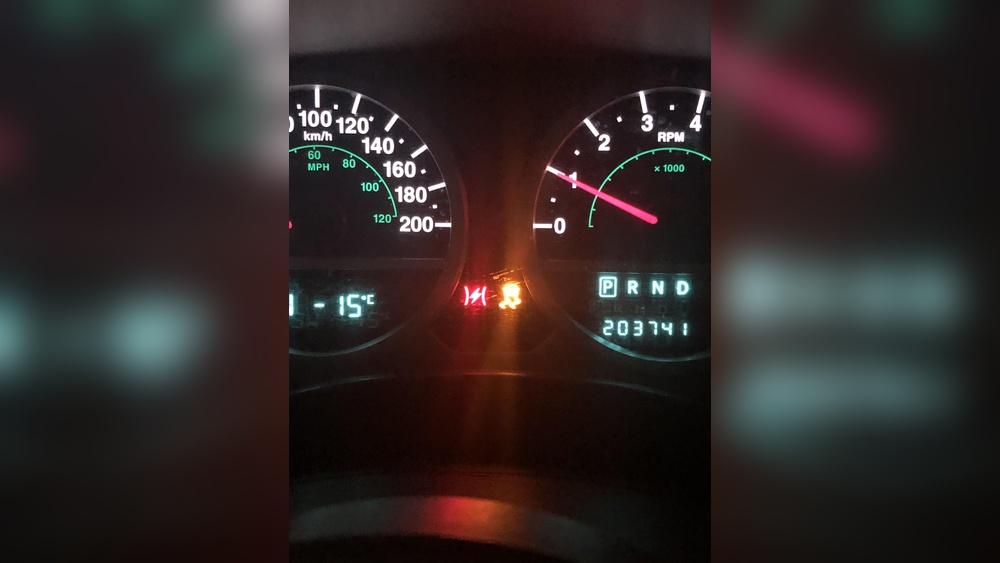
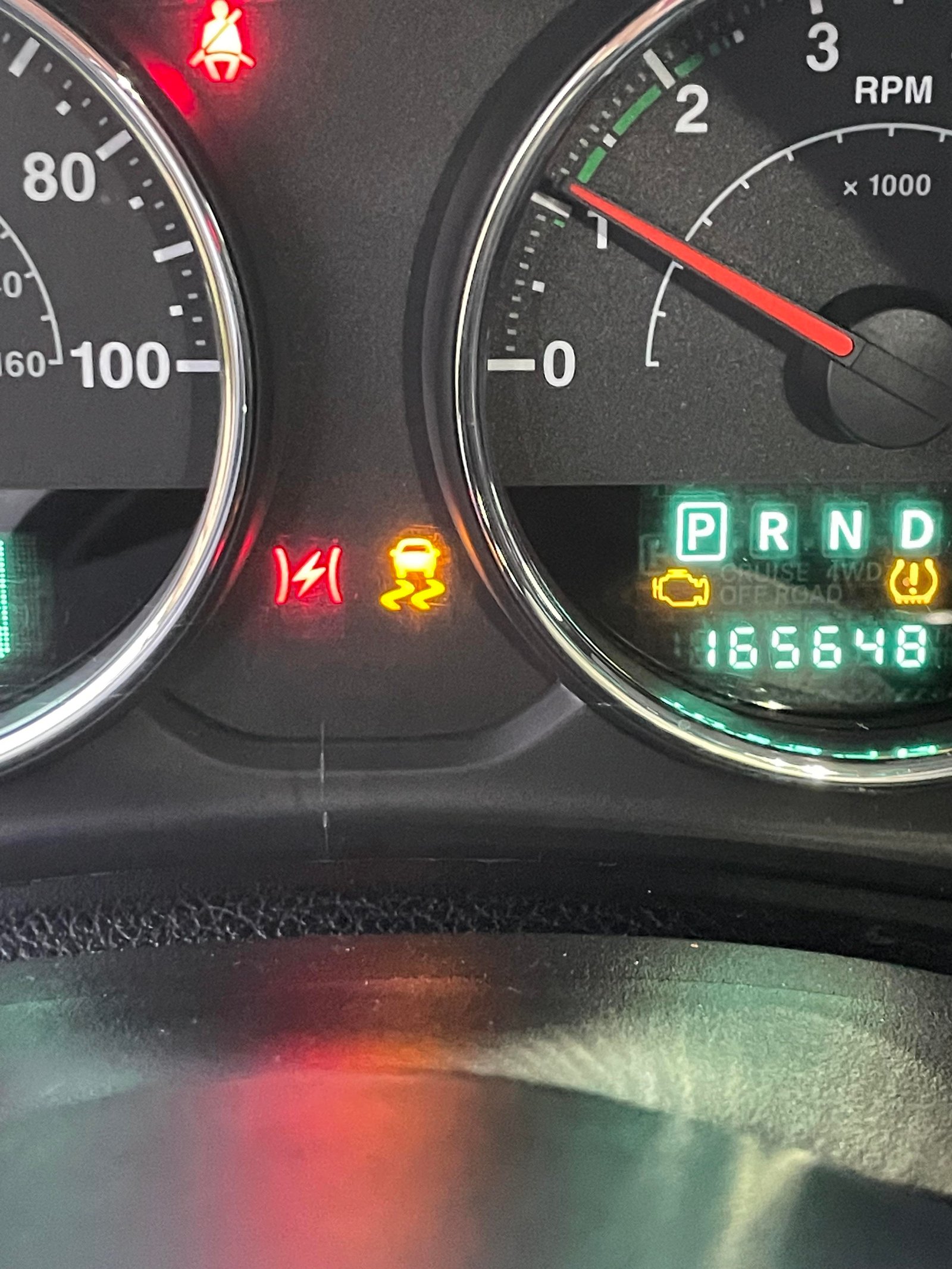
If you’ve noticed the traction control light glowing on your Jeep Patriot’s dashboard and felt your vehicle suddenly lose power, you’re not alone—and you’re likely wondering what’s going on.
This frustrating combination often signals that your Patriot has entered “limp mode,” a safety feature designed to protect your engine but one that can leave you stranded or struggling to drive smoothly.
Understanding why this happens and what you can do about it is crucial to getting back on the road with confidence.
You’ll discover the common causes behind the traction control light and power loss, simple steps to diagnose the issue, and practical fixes that can save you time and money.
Keep reading your Jeep’s health and your peace of mind depend on it.

Traction Control Light Basics
The traction control light on your Jeep Patriot tells you about the system that helps keep the vehicle stable. It activates when the car detects wheel slip or loss of traction.
Understanding this light can help you respond properly and avoid further issues.
This light is part of the safety features designed to prevent accidents. It works by adjusting engine power and braking to keep the wheels from spinning.
Knowing what this light means and spotting warning signs early can save time and money.
What The Light Means
The traction control light comes on when the system detects wheel slip. This usually happens on slippery roads or during sharp turns.
The system then works to regain grip by reducing engine power or applying brakes.
If the light stays on constantly, it may signal a problem with the traction control system. This can mean sensors or wiring are faulty, or the system is disabled.
In some cases, the vehicle might also enter limp mode to protect the engine.
Common Warning Signs
Besides the light, you might notice loss of power or reduced acceleration. The Jeep might feel sluggish or hesitate when pressing the gas pedal.
Sometimes, you may hear unusual noises from the wheels or brakes.
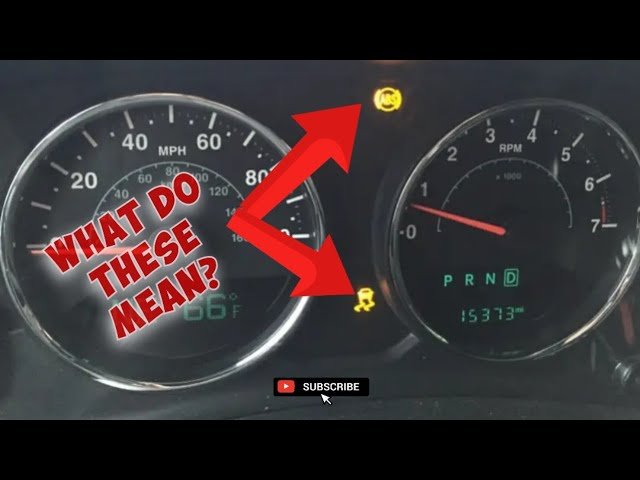
Other signs include the ABS light coming on or the vehicle pulling to one side. These symptoms often relate to faulty wheel speed sensors or brake components.
Early diagnosis prevents bigger repairs and keeps your Jeep Patriot safe.
Causes Of Traction Control Light Activation
Experiencing loss of power in your Jeep Patriot often means the vehicle has entered limp mode. Limp mode limits engine performance to protect critical components.
This safety feature keeps you moving but at reduced speed and power. Understanding limp mode helps you address the root cause quickly.
It prevents further damage until repairs are done.
How Limp Mode Protects The Vehicle
Limp mode activates when the vehicle detects a serious problem. It reduces engine power and limits RPMs.
This stops the engine from working too hard or overheating. The system also restricts certain functions like acceleration.
It ensures you can still drive safely to a repair shop. Without limp mode, damage could become much worse and costlier to fix.
Connection Between Traction Control And Power Loss
The traction control system uses sensors to monitor wheel grip. If it detects slipping, it reduces engine power to maintain control.
This can cause a noticeable loss of power while driving. Faulty sensors or wiring can trigger the traction control light.
It may also cause the engine to enter limp mode. The vehicle then limits power to prevent unsafe conditions.
Fixing sensor issues often restores normal power and clears warning lights.
Loss Of Power And Limp Mode
Knowing when to seek professional help is vital for your Jeep Patriot’s safety and performance. Some issues causing the traction control light and loss of power require expert tools and knowledge.
Ignoring these problems might lead to more damage or unsafe driving conditions. Understanding the signs that call for a mechanic can save time and money.
Complex Electrical Diagnostics
Traction control and power loss often link to electrical faults. Simple resets do not always fix the root cause.
A professional uses specialized scanners to find hidden error codes. They check wiring, sensors, and control modules thoroughly.
DIY methods rarely catch all electrical problems. Accurate diagnostics ensures the right repair and restores vehicle function.
Persistent Limp Mode Issues
Limp mode limits engine power to protect the vehicle. Sometimes the Jeep stays in limp mode even after basic fixes.
This signals deeper mechanical or electronic faults. Mechanics can reset the system and test components fully.
They identify causes like faulty sensors or throttle body problems. Persistent limp mode needs professional attention to prevent engine damage.
Advanced Sensor Replacement
Some sensors need special tools for removal and installation. Wheel speed sensors, throttle position sensors, and brake pedal switches are common culprits.
Professionals know the correct parts and calibration steps. Incorrect replacement can cause more errors or trigger warning lights again.
Trusting experts ensures proper sensor function and system reliability.
Frequently Asked Questions
Why Does My Traction Control Light Come On And My Car Won’t Accelerate?
Your traction control light signals a fault, often triggering limp mode. Throttle body issues or bad sensors limit acceleration to protect the engine.
Check throttle plate, wheel speed sensors, and brake pedal switch for faults. Repair or replacement usually restores normal power and turns off the light.
What Causes A Jeep Patriot To Go Into Limp Mode?
A Jeep Patriot enters limp mode due to throttle body carbon buildup, faulty sensors, or a bad brake pedal switch restricting engine power.
Can Traction Control Cause Loss Of Power?
Traction control can cause power loss by reducing engine output to prevent wheel spin. Faulty sensors or throttle issues may trigger this.
Why Is My Abs And Traction Control Light On My Jeep Patriot?
The ABS and traction control lights on your Jeep Patriot often indicate faulty wheel speed sensors, bad brake pedal switches, or throttle body issues. These cause power loss or limp mode to protect the engine.
Inspect sensors, wiring, and throttle body for damage or buildup to fix the problem.
Conclusion
The Jeep Patriot’s traction control light and loss of power often signal a protective limp mode. This mode helps prevent further damage to the engine or brakes.
Common causes include throttle body issues, faulty sensors, or wiring problems. Cleaning or replacing parts usually restores normal function.
Regular checks can catch problems early and keep your Jeep running smoothly. Don’t ignore warning lights; they guide you to fix issues before they worsen.
Stay safe by addressing traction control alerts quickly and maintaining your vehicle well.