The transmission fluid in your 2013 Jeep Wrangler is crucial for its smooth operation. It’s the lifeblood of your automatic transmission, acting as a lubricant, coolant, and hydraulic fluid.
Without the right type and amount of fluid, your transmission can overheat, wear out faster, and eventually fail. For a 2013 Jeep Wrangler, choosing the correct transmission fluid is not just a recommendation; it’s essential for maintaining the vehicle’s performance and longevity.
This guide will break down everything you need to know about selecting, checking, and changing the transmission fluid for your specific model.
Understanding Transmission Fluid’s Role
Automatic transmissions are complex systems with many moving parts, including gears, clutches, and a torque converter. These components generate a lot of heat through friction.
Transmission fluid plays a vital role in managing this heat. It circulates through the transmission, absorbing heat from the components and carrying it to the transmission cooler, which is often integrated into the radiator.
Beyond cooling, the fluid also lubricates these moving parts, reducing wear and tear. It provides the hydraulic pressure needed to shift gears, engaging and disengaging clutches and bands.
The fluid's unique properties ensure smooth engagements and prevent slippage. Think of it like oil for your engine, but specifically designed for the high-pressure, high-temperature environment of an automatic transmission.
Identifying The Correct Fluid For Your 2013 Jeep Wrangler
The most critical step is to identify the exact type of transmission fluid your 2013 Jeep Wrangler requires. Using the wrong fluid can lead to serious damage. Jeep, like most manufacturers, specifies particular fluid types for their vehicles. For the 2013 Jeep Wrangler, the primary recommendation is typically ATF+4 (Automatic Transmission Fluid +4).
ATF+4 is a proprietary fluid developed by Chrysler (Jeep's parent company). It offers superior performance characteristics compared to older ATF formulations, including better thermal stability, oxidation resistance, and friction modifiers.
It's designed to meet the specific demands of Chrysler's automatic transmissions, including those found in your 2013 Wrangler.
Why Atf+4 Is Key
ATF+4 was engineered to address some of the limitations of earlier fluids, like ATF+3. It contains special additives that help prevent sludge and varnish buildup, which can clog transmission passages and impair shifting.
Its formulation also provides enhanced protection against wear, especially in the extreme conditions that a Jeep Wrangler might encounter, such as off-roading or towing.
If your owner's manual specifies ATF+4, it’s crucial to stick with it. While some universal fluids claim to be compatible with multiple transmission types, they may not offer the same level of protection or performance as the manufacturer-recommended fluid.
Using a universal fluid could void your warranty and potentially lead to transmission problems down the line.
Where To Find Fluid Specifications
The owner’s manual for your 2013 Jeep Wrangler is the definitive source for this information. Look in the maintenance section or the specifications chapter. It will explicitly state the type of transmission fluid required. If you don’t have your owner’s manual, you can often find a digital copy on the official Jeep website. Alternatively, a qualified mechanic or a dealership service department can confirm the correct fluid type.
Checking Your Transmission Fluid Level
Regularly checking your transmission fluid level is a simple maintenance task that can prevent significant problems. Low fluid levels are a common cause of transmission overheating and shifting issues.
Steps To Check The Fluid
- Warm Up the Engine: Drive your Jeep for about 15-20 minutes to bring the transmission fluid up to its normal operating temperature. This ensures an accurate reading.
- Park on a Level Surface: Ensure your Wrangler is parked on a flat, level surface. This is crucial for an accurate fluid level measurement.
- Engage Parking Brake: Firmly engage the parking brake for safety.
- Shift Through Gears: With the engine running and your foot firmly on the brake pedal, slowly shift the gear selector through all the available gears (P, R, N, D, and any lower gears if applicable), pausing for a few seconds in each. Then, return the selector to the Park (P) position.
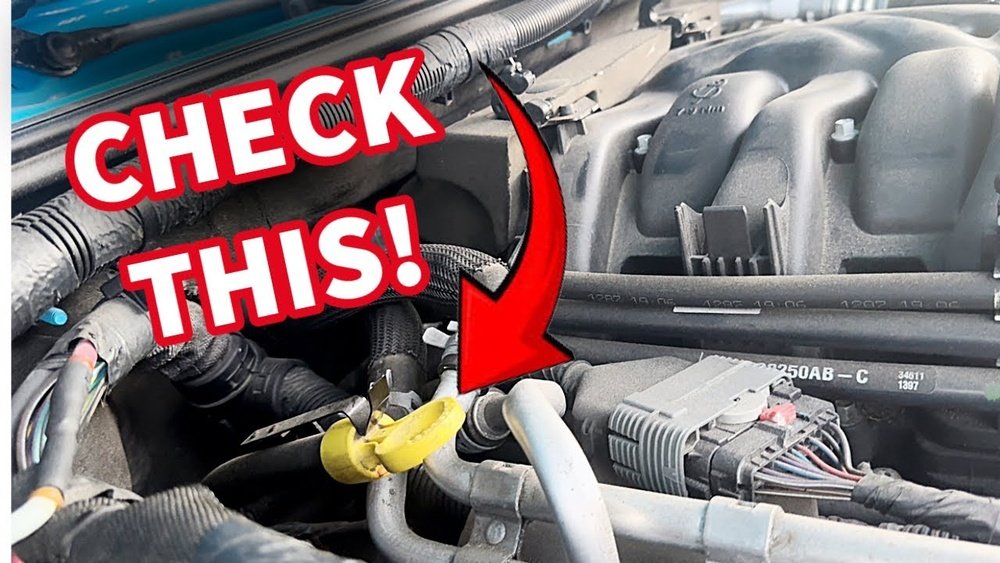
- Locate the Dipstick: Open the hood and find the transmission fluid dipstick. It’s usually brightly colored (often red or yellow) and may have “Transmission Fluid” or a similar label on it. It’s typically located towards the back of the engine bay, often near the firewall.
- Remove and Wipe the Dipstick: Pull the dipstick out completely. Use a clean, lint-free cloth or paper towel to wipe off all the fluid.
- Reinsert the Dipstick: Fully reinsert the dipstick back into its tube.
- Remove and Read the Dipstick: Pull the dipstick out again and examine the fluid level. There will be markings on the end of the dipstick indicating the correct range (e.g., “HOT” or “COLD” markings, or a hatched area). The fluid level should be within the “HOT” range when the engine is warm.
- Check Fluid Condition: While the dipstick is out, also check the condition of the fluid. Healthy transmission fluid should be bright red and clear, with a slightly sweet smell. If it appears dark brown or black, smells burnt, or has a gritty texture, it indicates that the fluid is old, contaminated, or the transmission may be experiencing internal problems.
What To Do If The Level Is Low
If the transmission fluid level is below the “HOT” mark, you need to add fluid.
- Add Fluid Slowly: Use a funnel and add a small amount of the correct ATF+4 fluid (about a quarter of a quart at a time).
- Wait and Recheck: Wait a few minutes for the fluid to settle, then recheck the level using the steps above.
- Repeat as Needed: Continue adding small amounts and rechecking until the fluid level is within the correct range. Do not overfill, as this can cause foaming and damage the transmission.
When To Change Your Transmission Fluid
Transmission fluid doesn't last forever. Over time, it degrades due to heat, pressure, and contamination from clutch material and metal particles.
Most manufacturers recommend a transmission fluid change at specific intervals.
Recommended Service Intervals
For a 2013 Jeep Wrangler, the typical recommendation for a transmission fluid and filter change is usually around 60,000 to 100,000 miles. However, this can vary depending on driving conditions. If you frequently tow, drive in dusty or off-road conditions, or operate your Jeep in extreme temperatures, you may need to change the fluid more often.
Always refer to your owner’s manual for the most accurate service schedule. Some owners prefer to change the fluid more frequently as a preventative measure, especially if they plan to keep the vehicle for a long time or use it for demanding activities.
Signs Your Fluid Needs Changing
Besides following the mileage interval, pay attention to signs that indicate your transmission fluid needs attention:
- Dark or Burnt Smell: As mentioned, a burnt odor is a strong indicator that the fluid is overheating and breaking down.
- Discolored Fluid: If the fluid is no longer bright red and clear, but rather dark brown or black, it’s time for a change.
- Rough Shifting: Hesitation, jerky shifts, or delayed engagement can sometimes be caused by old or low transmission fluid.
- Transmission Slipping: If the engine revs but the vehicle doesn’t accelerate as it should, it could be a sign of fluid issues.
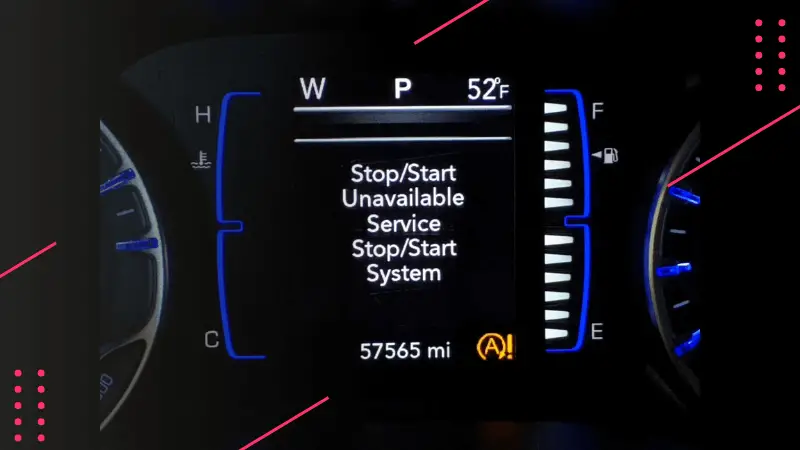
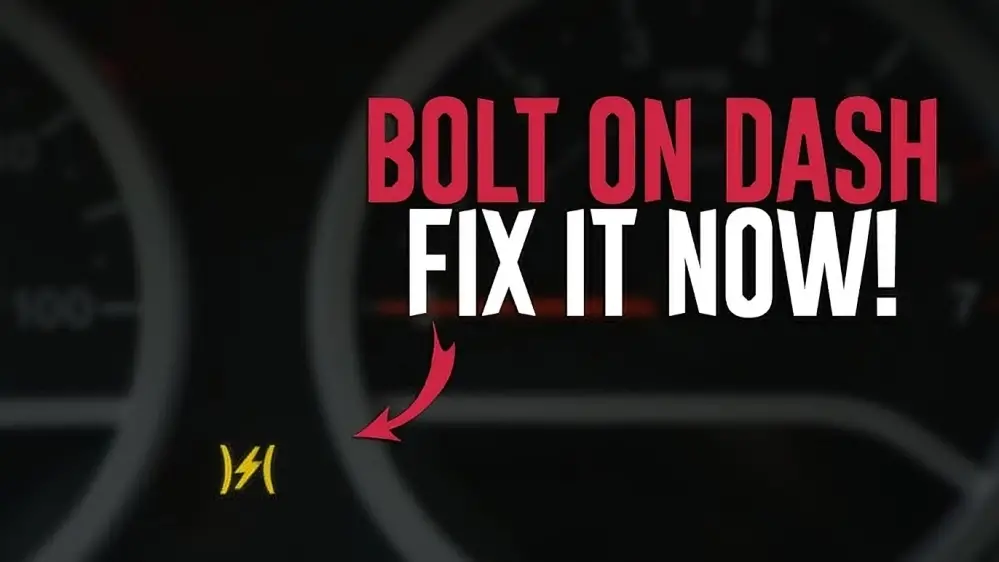
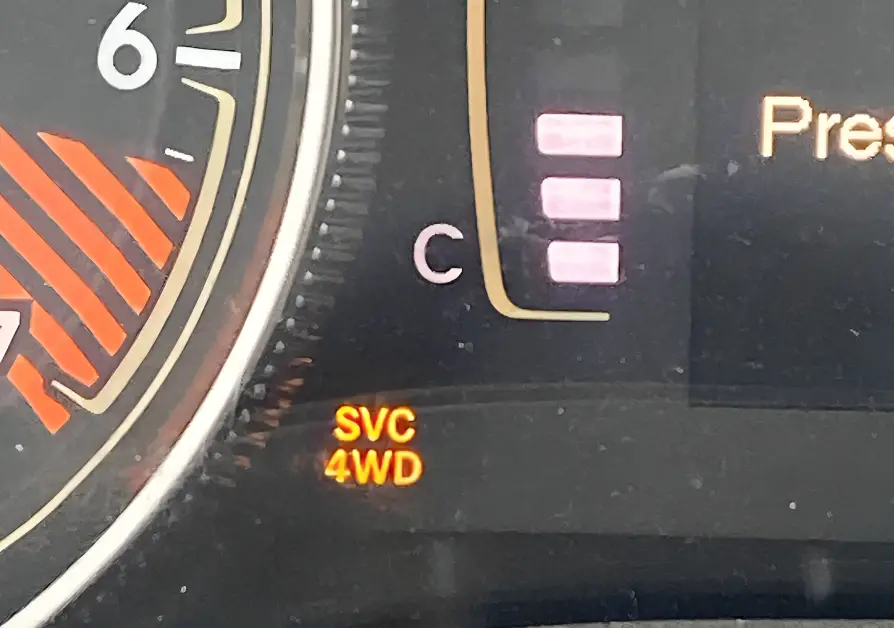
- Transmission Warning Light: If a warning light related to the transmission illuminates on your dashboard, it’s time to have it checked immediately.
How To Change Transmission Fluid And Filter
Changing transmission fluid and filter is a more involved maintenance task than simply checking the level. While it can be done at home by a confident DIY mechanic, it requires specific tools and care.
If you're not comfortable with this procedure, it's best to have it done by a professional mechanic.
Tools And Materials Needed:
- New ATF+4 Fluid: The exact amount will depend on your specific transmission, but typically 5-7 quarts for a drain and fill, and potentially more if changing the filter. Always buy a little extra.
- New Transmission Filter Kit: This usually includes the filter and a new pan gasket. Ensure it’s the correct one for your 2013 Jeep Wrangler.
- Drain Pan: A large pan to catch the old fluid.
- Socket Wrench Set: To remove the transmission pan bolts.
- Torque Wrench: To tighten the pan bolts to the correct specification.
- Funnel: For adding new fluid.
- Rags and Gloves: For cleanup and protection.
- Jack and Jack Stands: If you need to lift the vehicle for access.
Step-by-step Guide (drain And Fill):
- Prepare the Vehicle: Ensure the engine is warm but not hot. Park on a level surface and engage the parking brake. If needed, safely lift and support the vehicle with jack stands.
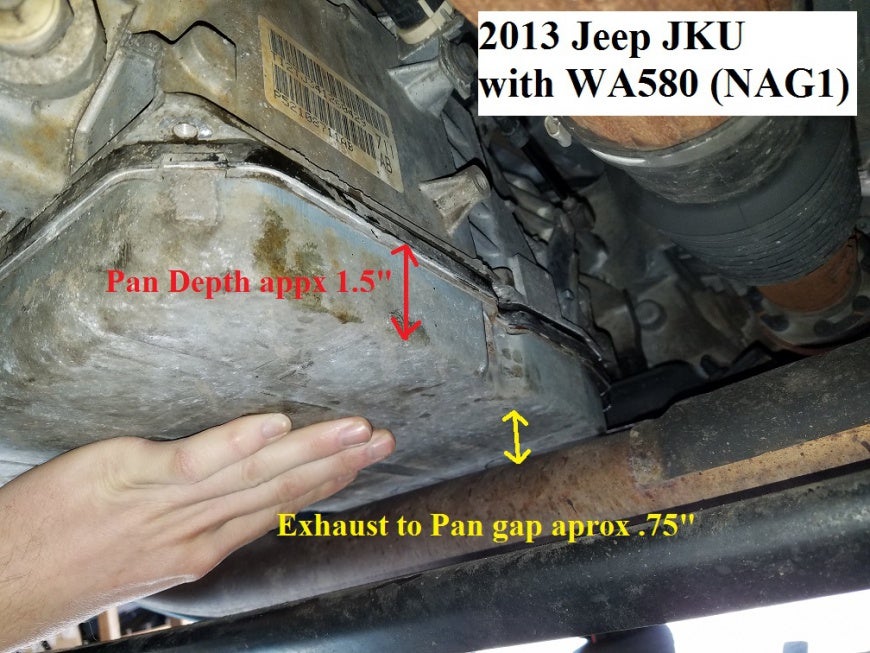
- Locate Transmission Pan: Identify the transmission oil pan underneath the vehicle.
- Position Drain Pan: Place the drain pan directly beneath the transmission pan.
- Remove Pan Bolts: Loosen and remove the bolts securing the transmission pan. Warning: Be prepared for fluid to drain out. Some people prefer to loosen one corner bolt and let the fluid drain slowly before removing all bolts to minimize mess.
- Remove Transmission Pan: Carefully lower the pan, letting the remaining fluid drain into the pan. Be aware that the pan can hold a significant amount of fluid.
- Clean the Pan: Thoroughly clean the inside of the transmission pan with a rag. Remove any old gasket material.
- Inspect Magnets: Many transmission pans have magnets to catch metal shavings. Clean these magnets and inspect them for excessive metal debris, which could indicate internal wear.
- Replace the Filter: Locate the old transmission filter (it may come out with the pan or be attached to the valve body). Remove it and install the new filter from the kit. Make sure it snaps or screws in securely according to the kit’s instructions.
- Install New Gasket and Pan: Fit the new gasket onto the clean transmission pan. Reinstall the pan, tightening the bolts by hand first to ensure proper alignment.
- Torque the Bolts: Using a torque wrench, tighten the pan bolts to the manufacturer’s specified torque, usually in a crisscross pattern. Over-tightening can warp the pan or strip threads; under-tightening can cause leaks.
- Add New Fluid: Locate the transmission dipstick tube. Insert a funnel and add the recommended amount of new ATF+4 fluid. Start with slightly less than the specified capacity (e.g., if it calls for 6 quarts, add 5).
- Check Fluid Level: Start the engine, engage the parking brake, and shift through the gears as described in the “Checking Your Transmission Fluid Level” section. Then, check the fluid level with the engine running in Park. Add more fluid as needed, a little at a time, until the level is correct.
- Test Drive: Take the Jeep for a short test drive and check for any leaks around the pan. Recheck the fluid level after the test drive.
Transmission Fluid Additives And Conditioners
The market offers various transmission fluid additives and conditioners. These products claim to improve performance, reduce wear, stop leaks, or extend fluid life. For a 2013 Jeep Wrangler specifically calling for ATF+4, it’s generally best to avoid aftermarket additives.
ATF+4 is a precisely formulated fluid. Adding other chemicals can alter its properties, potentially disrupting the delicate balance of friction modifiers, anti-wear agents, and detergents.
In most cases, using the correct, high-quality ATF+4 fluid and changing it at the recommended intervals is more effective than relying on additives.
If you are experiencing specific transmission issues, consult a professional mechanic before adding any aftermarket products.
Common Mistakes To Avoid
When dealing with transmission fluid for your 2013 Jeep Wrangler, several common mistakes can lead to costly repairs:
- Using the Wrong Fluid: As stressed before, using a fluid other than ATF+4 (unless explicitly stated otherwise by Jeep for a specific sub-model or transmission variant) is the most significant error.
- Overfilling: Adding too much fluid can cause it to foam, reducing its lubricating properties and potentially leading to leaks or transmission damage. Always add fluid incrementally and check the level frequently.
- Underfilling: Low fluid levels are a primary cause of overheating and transmission wear. Ensure the level is always within the correct range when the transmission is hot.
- Ignoring Fluid Condition: Don’t just look at the level; check the color and smell. Dark, burnt fluid needs changing, regardless of the mileage.
- Not Changing the Filter: When changing the fluid, it’s highly recommended to also replace the transmission filter. The filter can become clogged with debris over time, restricting fluid flow.
- Tightening Pan Bolts Incorrectly: Overtightening can damage the pan or its sealing surface, leading to leaks. Undertightening will also cause leaks. Always use a torque wrench.
- Not Warming Up the Fluid: Checking the fluid level when the transmission is cold will give an inaccurate low reading. Always check when the fluid is at operating temperature.
Transmission Fluid Options And Brands
When purchasing ATF+4 fluid for your 2013 Jeep Wrangler, you’ll find several reputable brands. While Jeep uses its own Mopar brand of ATF+4, many other manufacturers produce fluids that meet the ATF+4 specification. Look for fluids that are explicitly labeled as meeting or being compatible with Chrysler MS-9602 or ATF+4.
Some popular and reliable brands that offer ATF+4 compatible fluids include:
- Mopar ATF+4: The original equipment manufacturer (OEM) fluid.
- Valvoline ATF+4: A widely available and trusted aftermarket option.
- Castrol ATF+4: Another well-known brand offering a compatible fluid.
- SuperTech (Walmart brand) ATF+4: Often a more budget-friendly option that meets the specification.
- Mobil 1 Synthetic ATF: While Mobil 1 has excellent synthetic fluids, ensure the specific product is rated for ATF+4.
It’s wise to stick with well-known brands to ensure quality and consistency. Always double-check the packaging to confirm it states ATF+4 compatibility or meets the Chrysler MS-9602 specification.
The Importance Of Regular Maintenance
The transmission is one of the most complex and expensive components of your Jeep Wrangler to repair or replace. Regular maintenance, including consistent checks and timely changes of the