The allure of customizing a Jeep is undeniable. Among the most popular modifications are larger wheels and tires.
A combination that often sparks interest is Jeep with 20×12 wheels and 33s. This setup promises an aggressive stance and enhanced off-road capability.
But is it the right choice for everyone? Understanding the implications of such a significant change is crucial before you bolt them on.
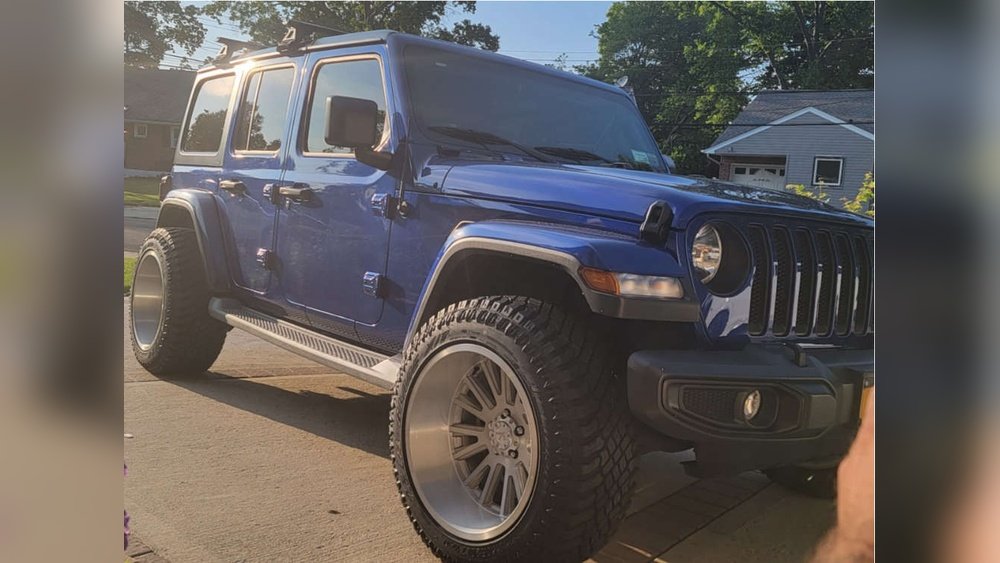
This article will explore everything you need to know about fitting 20×12 wheels with 33-inch tires on your Jeep, covering the benefits, drawbacks, necessary modifications, and considerations to ensure a successful and satisfying upgrade.
The Appeal Of 20×12 Wheels And 33-inch Tires
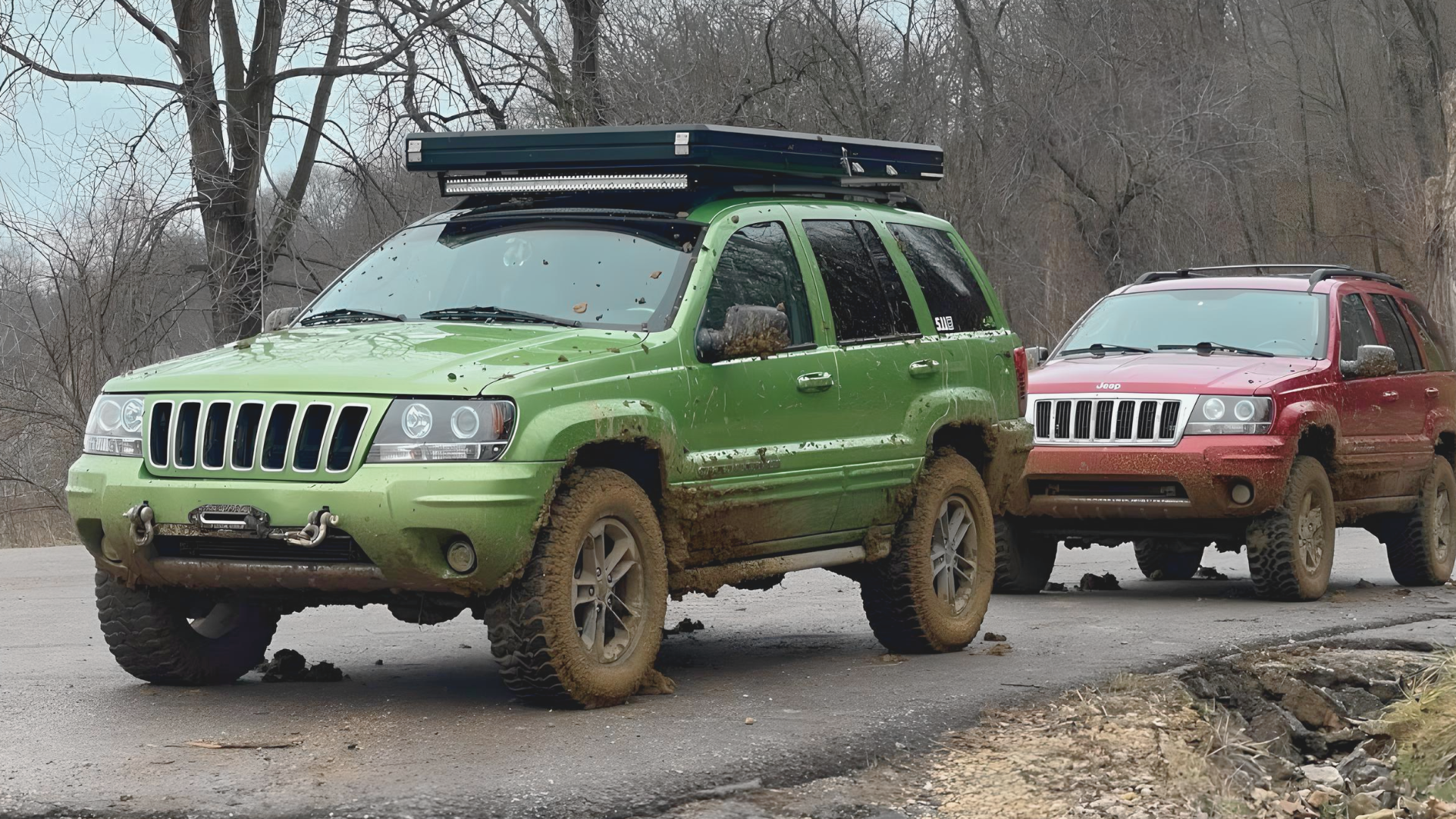
The visual impact of a Jeep with 20×12 wheels and 33-inch tires is immediate. The wider wheel, especially with a negative offset common in 12-inch wide wheels, pushes the tires out, creating a much more aggressive and purposeful stance.
This "stanced" look is highly sought after by many Jeep owners who want their vehicle to stand out from the crowd.
Beyond aesthetics, this tire and wheel combination can offer practical advantages, particularly for off-road enthusiasts.
Larger tires, like 33-inch ones, provide increased ground clearance. This means your Jeep can more easily roll over obstacles on the trail, reducing the risk of scraping or damaging the undercarriage.
The increased tire volume also allows for lower tire pressures, which can improve traction and provide a more comfortable ride over uneven terrain by allowing the tire to conform to the surface.
The 12-inch wide wheel offers a broader platform for the tire, potentially improving stability and the contact patch on certain surfaces, though this can be a double-edged sword depending on the tire tread.
Understanding Wheel And Tire Sizing: The Basics
Before diving into the specifics of 20×12 wheels and 33-inch tires, it’s helpful to understand what these numbers mean.
- Wheel Diameter (20): This refers to the diameter of the wheel itself, measured in inches. A 20-inch wheel is significantly larger than the stock wheels found on most Jeeps.
- Wheel Width (12): This indicates the width of the wheel, also in inches. A 12-inch wide wheel is considerably wider than typical stock wheels, which often range from 7 to 9 inches.
- Tire Diameter (33): This is the overall diameter of the tire when inflated, measured in inches. A 33-inch tire is a popular upgrade for Jeeps, often referred to as “33s.”
When combining these, a 20×12 wheel is designed to accommodate a tire. The 33-inch measurement refers to the tire's overall height.
The critical aspect is how these two components interact and fit onto the Jeep's suspension and body.

Key Considerations And Potential Challenges
Fitting 20×12 wheels with 33-inch tires onto a Jeep isn’t a simple bolt-on affair for most models. Several factors need careful consideration:
1. Fender Clearance And Rubbing
This is the most significant challenge. A 33-inch tire, especially when mounted on a wide 12-inch wheel, has a larger overall diameter and often a wider stance than stock. This combination is highly prone to fender rubbing, especially when the suspension compresses or when turning the steering wheel.
- Stock Suspension: On a stock Jeep, fitting 33-inch tires on 20×12 wheels will almost certainly result in rubbing against the fenders, fender liners, and potentially the control arms at full lock.
- Aftermarket Lift Kits: To clear 33-inch tires on 20×12 wheels without significant rubbing, a lift kit is usually required. The height of the lift needed can vary depending on the Jeep model, the specific wheel offset, and the tire’s actual dimensions (some 33-inch tires measure larger than advertised). A common recommendation for 33-inch tires is a 2.5-inch lift, but with a 12-inch wide wheel, you might need more, or at least specific fender flares to manage the outer edge of the tire.
- Fender Trimming: In some cases, even with a lift, minor fender trimming might be necessary to achieve full steering lock without rubbing. This is a more permanent modification that alters the Jeep’s body.
2. Wheel Offset And Backspacing
The offset of a wheel dictates how it sits in relation to the hub mounting surface. A negative offset pushes the wheel outwards, increasing the track width and contributing to the aggressive stance. 12-inch wide wheels often come with significant negative offsets.
- Backspacing: This is the measurement from the back of the wheel mounting surface to the outer lip of the wheel. Lower backspacing (common with negative offsets) means the wheel sits further out.
- Impact on Clearance: A wide wheel with a negative offset (e.g., -44mm or more) will push the tire further out from the suspension components, potentially causing it to rub against the fenders or fender flares. It can also increase stress on wheel bearings and suspension components due to the leverage created by the wider stance.
3. Steering And Suspension Components
The increased width and leverage from 20×12 wheels can put additional strain on your Jeep’s steering and suspension system.
- Steering Components: Tie rods, drag links, and steering knuckles can experience increased wear and tear. Some owners opt for heavy-duty steering components when making such significant upgrades to ensure durability.
- Wheel Bearings: The wider stance can increase the load on the wheel bearings. While modern Jeeps have robust bearings, prolonged aggressive off-roading with this setup might accelerate wear.
- Ball Joints: Similar to wheel bearings, ball joints can also experience increased stress.
4. Re-gearing And Performance
Larger and heavier tires can impact your Jeep’s performance.
- Gearing: 33-inch tires are noticeably larger than stock (often around 29-31 inches). This increase in tire diameter, combined with the weight of larger wheels and tires, effectively raises your Jeep’s final drive ratio. This means your engine has to work harder to turn the wheels, leading to:
- Reduced Acceleration: Your Jeep will feel slower.
- Lower Fuel Economy: You’ll likely see a decrease in miles per gallon.
- Increased Transmission Strain: The transmission will shift more frequently and work harder, especially on hills.
For many Jeep owners, especially those with automatic transmissions, re-gearing the axles is a necessary step to restore performance. Common gear ratios for 33-inch tires on a Jeep Wrangler include 4.56 or 4.88, depending on the engine and transmission.
- Braking: Larger, heavier tires also increase the rotational mass, which can affect braking performance. While usually not a critical issue for everyday driving, it’s something to be aware of, especially during aggressive off-road descents or emergency stops.
5. Tire Choice And Tread Pattern
While the wheel size is fixed at 20×12, the tire choice is crucial.
- Tire Width vs. Wheel Width: A 33-inch tire is typically designed for a range of wheel widths. However, mounting a 33-inch tire on a 12-inch wide wheel means the tire will be stretched wider than it might be on a narrower wheel (e.g., 9 inches). This can affect the tire’s sidewall profile and the shape of the contact patch.
- Tread Design: The tread pattern of your 33-inch tires will significantly influence their performance on different terrains.
- All-Terrain (AT) Tires: Offer a good balance for on-road comfort and off-road capability. They are quieter and more fuel-efficient than mud-terrain tires.
- Mud-Terrain (MT) Tires: Provide superior traction in mud, rocks, and loose terrain but are generally louder, less comfortable, and less fuel-efficient on pavement.
- Hybrid Tires: Combine features of both AT and MT tires.
6. Ride Comfort
The combination of a larger wheel diameter (20 inches) and a 33-inch tire can impact ride comfort.
- Tire Sidewall: Larger wheels mean less tire sidewall. The sidewall of a tire acts as a cushion, absorbing road imperfections. With a 20-inch wheel, the sidewall of a 33-inch tire is relatively short compared to a 33-inch tire on a 17-inch or 18-inch wheel. This can lead to a stiffer ride, especially on rough roads.
- Tire Pressure: While lower tire pressure can improve off-road comfort, running very low pressures on a 12-inch wide wheel might affect tire bead seating and stability, especially during aggressive maneuvers.
7. Cost Of Implementation
Upgrading to 20×12 wheels and 33-inch tires involves more than just the cost of the wheels and tires themselves.
- Wheels: 20×12 wheels, especially those with aggressive offsets and desirable finishes, can be expensive.
- Tires: 33-inch tires are also a premium product, with prices varying based on brand, tread type, and load rating.
- Lift Kit: A quality lift kit can range from a few hundred to over a thousand dollars.
- Re-gearing: Professional installation of new ring and pinion gears can cost several hundred dollars per axle.
- Other Components: Potential costs for fender flares, steering upgrades, and alignment add up.
Necessary Modifications For A 20×12 Wheel And 33-inch Tire Setup
To successfully and safely install 20×12 wheels with 33-inch tires on most Jeeps, several modifications are typically required.
1. Lift Kit Installation
A lift kit is almost always essential. The goal is to raise the body and axles away from the tires, providing the necessary clearance.
- Common Lift Heights: For 33-inch tires, a 2.5-inch lift is a popular starting point. However, with the added width of a 12-inch wheel, a 3.5-inch or even a 4-inch lift might be more appropriate to ensure adequate clearance, especially for off-road use where suspension travel is maximized.
- Types of Lift Kits:
- Spacer Lifts: The most budget-friendly option, these use spacers to lift the suspension. They are straightforward to install but can sometimes negatively affect ride quality and suspension geometry.
- Coil Spring Lifts: These replace the stock coil springs with taller ones, offering a better ride and more articulation. They are a more comprehensive upgrade.
- Long Arm Kits: For serious off-roaders, long arm kits provide significant improvements in suspension geometry, articulation, and ride quality, but they are the most expensive and complex option.
2. Fender Flares And Trimming
Even with a lift, the outward-sticking tires can pose a clearance issue.
- Aftermarket Fender Flares: Installing aftermarket fender flares is common. These are often taller and wider than stock flares, providing more clearance for the tire. They also help keep road debris contained. Many owners opt for “flat-top” or “high-clearance” fender flares for maximum clearance.
- Fender Trimming: For maximum tire clearance and a more aggressive look, some owners choose to trim their factory fenders or install aftermarket tube fenders that are significantly cut away. This is a common practice for extreme off-roading.
3. Steering Stabilizer Upgrade
While not strictly mandatory for clearance, a steering stabilizer upgrade is often recommended when running larger tires.
- Purpose: The steering stabilizer acts like a shock absorber for your steering system, reducing steering wheel shimmy and making it easier to control the vehicle, especially at higher speeds or on rough terrain.
- Benefit: Larger tires can cause “death wobble” or steering wheel oscillations, and a heavier-duty steering stabilizer can help mitigate these issues.
4. Re-gearing Axles
As mentioned earlier, re-gearing is often necessary to restore performance lost due to the larger tires.
- Gear Ratio Calculation: The ideal gear ratio depends on your Jeep’s engine, transmission, tire size, and intended use. Online calculators can help estimate the best ratio. For 33-inch tires on a Jeep Wrangler, common recommendations for the 3.6L V6 engine are 4.56 or 4.88.
- Professional Installation: Re-gearing requires specialized knowledge and tools. It’s best to have this work done by a reputable off-road shop.
5. Alignment
After installing a lift kit and new wheels/tires, a professional alignment is crucial.
- Importance: The lift kit can alter the suspension geometry, affecting alignment angles like caster, camber, and toe. Proper alignment ensures the vehicle drives straight, prevents premature tire wear, and maintains safe handling characteristics.
Popular Jeep Models And Their Fitment
The ease of fitting 20×12 wheels with 33-inch tires varies significantly by Jeep model.
1. Jeep Wrangler (jk/jl)
The Jeep Wrangler is the most popular platform for this type of modification.
- JK (2007-2018) & JL (2018-Present): These generations are well-supported by the aftermarket.
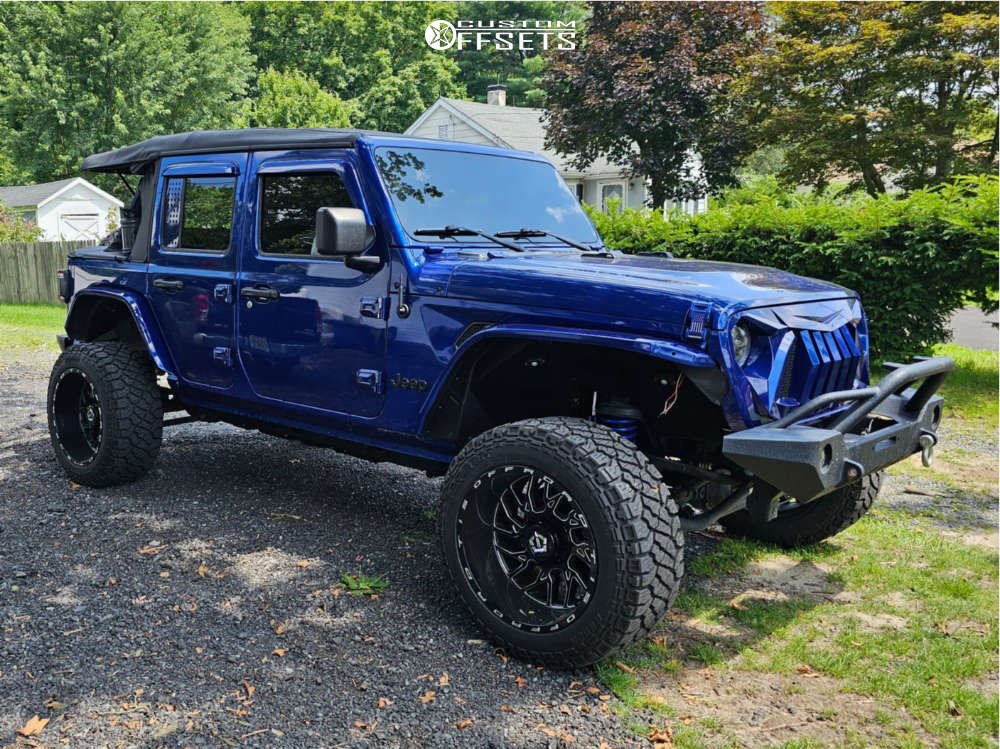
- Clearance: With a 2.5-inch lift and appropriate fender flares, 33-inch tires on 20×12 wheels can often fit, though some minor rubbing might occur during full suspension compression or sharp turns.
- Recommended Mods: For optimal clearance and performance, a 3.5-4 inch lift, high-clearance fender flares, re-gearing (e.g., 4.56 or 4.88), and potentially steering upgrades are often recommended.
- Aesthetics: The 12-inch wide wheel with negative offset pushes the tires out significantly, giving the Wrangler a very aggressive look.
2. Jeep Grand Cherokee (wk2)
The Grand Cherokee (WK2 generation, 2011-2026) offers more comfort and luxury but has less inherent off-road prowess than the Wrangler.
- Clearance: Fitting 33-inch tires on 20×12 wheels is much more challenging on a Grand Cherokee. Stock Grand Cherokees have limited fender clearance.