The Jeep Cherokee XJ is a beloved vehicle, known for its ruggedness and off-road capabilities. However, like any vehicle, it can experience issues.
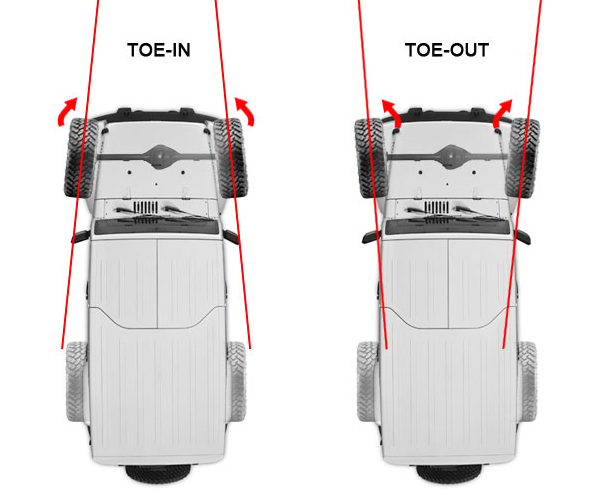
One common problem that can affect its handling and safety is when one wheel is toed out. This condition, known as toe-out, means that the front edge of the tires points slightly away from each other when viewed from above.
It’s the opposite of toe-in, where the front edges point towards each other.
Understanding why this happens, how to identify it, and how to fix it is crucial for any XJ owner who wants to keep their Jeep performing at its best and ensure their safety on and off the road.
A properly aligned front end is essential for a vehicle’s stability, tire wear, and overall driving experience. When one wheel is significantly out of alignment, especially in a toe-out condition, it can lead to a variety of problems that range from annoying to downright dangerous.
This article will explore the causes of a Jeep XJ having one wheel toed out, the symptoms you might notice, and the steps involved in diagnosing and correcting this alignment issue. We’ll cover everything from basic checks to the more complex adjustments needed to get your XJ tracking straight again.
Understanding Wheel Alignment And Toe
Wheel alignment refers to the angles of the wheels relative to the road and to each other. There are several key angles that mechanics adjust:
- Camber: This is the inward or outward tilt of the top of the tire when viewed from the front of the vehicle. Positive camber means the top tilts outward, negative camber means it tilts inward.
- Caster: This is the angle of the steering axis when viewed from the side. It affects steering stability and returns the steering wheel to center after a turn.
- Toe: This is the angle of the tires relative to the vehicle’s centerline, viewed from above. Toe-in means the front of the tires point inward, and toe-out means they point outward.
For the Jeep Cherokee XJ, like most vehicles, the toe setting is critical for straight-line stability and even tire wear. When one wheel is significantly out of specification, it disrupts the intended balance of forces acting on the front axle. A slight toe-out on one side, or even both sides, can be a symptom of underlying mechanical problems or simply a result of wear and tear on suspension components.
Common Causes Of One Wheel Toed Out On A Jeep Xj
Several factors can contribute to a Jeep XJ having one wheel with a toe-out condition. Identifying the root cause is the first step towards a proper repair.
Worn Or Damaged Steering Components
The steering system is a complex network of parts designed to translate your steering wheel input into precise movement of the front wheels. On a Jeep XJ, these components are particularly susceptible to wear and damage due to its off-road nature and age.
- Tie Rod Ends: These are critical joints that connect the steering rack or steering box to the steering knuckles. They allow the wheels to pivot. If a tie rod end becomes worn, loose, or damaged, it can allow excessive play in the steering, leading to misalignment. When one tie rod end is significantly more worn than the other, it can cause one wheel to toe out more than the other.
- Drag Link: This connects the steering arm on the pitman arm (from the steering box) to the steering knuckle. Similar to tie rod ends, wear or damage here can cause steering looseness and alignment issues.
- Steering Gearbox/Rack: The steering gearbox (on older XJs) or rack and pinion (on later models) is the central component of the steering system. Internal wear or damage can lead to imprecise steering inputs and contribute to alignment problems. If the gearbox has excessive play, it can allow one wheel to deviate from its intended path.
- Ball Joints: While ball joints primarily affect camber and caster, severe wear can also contribute to overall looseness in the front suspension, indirectly affecting toe settings.
Suspension Component Issues
Beyond the direct steering linkages, other suspension parts can wear out and cause alignment problems.
- Control Arm Bushings: The control arms connect the axles to the chassis. They have rubber or polyurethane bushings at their mounting points. When these bushings wear out, crack, or become loose, they allow excessive movement of the axle relative to the chassis. This movement can significantly alter wheel alignment angles, including toe. If one side’s bushings are more worn than the other, it can lead to uneven toe.
- Track Bar (Panhard Bar): The track bar is crucial for keeping the front axle centered under the vehicle. If the track bar itself is bent, or if its mounting bushings are worn, the axle can shift side-to-side. This lateral movement can manifest as alignment issues, including affecting the toe angle of one or both wheels.
- Wheel Bearings: While primarily causing noise and vibration, severely worn wheel bearings can introduce play that affects how the wheel sits and tracks, potentially contributing to alignment variations.
Damaged Axle Components
The front axle housing itself can be compromised, especially after off-road incidents.
- Bent Axle Housing: In severe impacts or rollovers, the solid axle housing of the Jeep XJ can bend. A bent housing will throw off all alignment angles and is a serious structural issue that requires professional assessment and often replacement.
- Bent Steering Knuckles: The steering knuckle is the part the wheel hub attaches to and pivots on for steering. If a knuckle is bent, it will directly affect the wheel’s alignment.
Aftermarket Modifications And Improper Installation
Many Jeep XJ owners modify their vehicles for off-roading, which can introduce alignment challenges.
- Lift Kits: Improperly installed or low-quality lift kits can alter suspension geometry. If the components of the lift kit (like adjustable control arms or track bar relocation brackets) are not installed correctly or are worn, they can cause alignment issues.
- Unbalanced Modifications: Sometimes, modifications on one side of the vehicle might not be mirrored on the other, leading to an imbalance that affects alignment.
Impact Damage
Off-roading is fun, but it can lead to impacts that damage steering and suspension components. Hitting rocks, curbs, or other obstacles can bend tie rods, damage steering components, or knock suspension parts out of alignment, resulting in one wheel being toed out.
Symptoms Of A Jeep Xj With One Wheel Toed Out
Recognizing the signs of a toe-out condition is vital for timely repair. Ignoring these symptoms can lead to further damage and unsafe driving.
Steering Wheel Off-center
One of the most common and noticeable symptoms is that your steering wheel is not centered when you are driving straight. If one wheel is toed out, the vehicle may try to pull or steer slightly, and you’ll have to hold the steering wheel at an angle to maintain a straight path.
Uneven Tire Wear
This is a significant indicator of alignment problems. A toe-out condition, especially if it’s only on one wheel, will cause the tire to scrub or drag across the pavement.
- Outer Edge Wear: If the toe-out is on the *inside* of the tire (less common for toe-out, but possible with complex issues), the outer edge will wear faster.
- Inner Edge Wear: More typically for a toe-out condition, the inner edge of the tire will show accelerated wear. You might see feathering or a scalloped pattern on the inner tread blocks. This happens because the tire is being forced to turn slightly even when you’re trying to go straight.
Vehicle Pulling Or Drifting
A vehicle with significant toe-out on one side will often exhibit a noticeable pull to one side. This is because the misaligned wheel is not tracking parallel to the other wheels, creating an uneven force. The vehicle might also feel like it’s “darting” or drifting across the lane.
Loose Or Wandering Steering
The steering might feel vague, loose, or wander on the highway. You’ll find yourself making constant small corrections to keep the vehicle going straight. This is a direct result of the wheels not pointing in the intended direction and the steering system working harder to compensate.
Increased Tire Noise
Scrubbing tires can produce an audible humming or droning sound, especially at higher speeds. This noise can be mistaken for wheel bearing issues, but if it’s accompanied by other alignment symptoms, it’s likely related to the toe angle.
Poor Fuel Economy
While not as dramatic as other symptoms, tires that are not rolling straight create more rolling resistance. This means the engine has to work harder to maintain speed, leading to a slight decrease in fuel efficiency.
Difficulty Maintaining Speed
On the highway, you might notice that maintaining a steady speed requires more throttle than usual, again due to increased rolling resistance from misaligned wheels.
Diagnosing The Problem
Accurately diagnosing why one wheel is toed out on your Jeep XJ involves a systematic inspection.
Visual Inspection
Start with a thorough visual check of the entire front end.
- Tires: Look for the tell-tale signs of uneven tire wear, especially on the inner edges. Check the tread depth across the entire width of the tire.
- Steering Components: Inspect the tie rod ends, the drag link, and the steering damper (if equipped). Look for any obvious signs of damage, torn boots, or excessive play when you or a helper gently wiggles the tire (with the engine off and brakes off).
- Suspension Components: Examine the control arm bushings, track bar and its mounting points, and ball joint boots. Look for cracks, tears, or separation in the rubber or polyurethane.
- Axle Housing: Check the front axle housing for any signs of bending or damage, particularly if the Jeep has a history of hard impacts.
Checking For Play In Steering And Suspension
This is a critical step that often requires two people.
- Steering Wheel Play: With the engine off, have one person gently turn the steering wheel back and forth. Observe the front wheels. There should be very little delay between turning the wheel and the wheels responding. Excessive free play in the steering wheel before the wheels move is a strong indicator of worn tie rod ends, steering gearbox/rack issues, or a loose steering column.
- Tire Wiggle Test: Have one person grasp the tire at the 9 and 3 o’clock positions and try to rock it back and forth. Simultaneously, have another person grasp the tire at the 12 and 6 o’clock positions and try to rock it. Any looseness felt at the 9 and 3 o’clock positions often points to worn tie rod ends or steering gearbox issues. Looseness at the 12 and 6 o’clock positions typically indicates worn ball joints or wheel bearings.
- Control Arm/Track Bar Bushing Check: With the vehicle safely supported on jack stands, try to pry between the control arms and their mounting points, or the track bar and its mounting points, using a pry bar. Significant movement of the axle relative to the chassis indicates worn bushings.
Professional Alignment Check
The most definitive way to diagnose alignment issues is to take your Jeep XJ to a reputable alignment shop. They have specialized equipment that can measure all the alignment angles precisely.
- Alignment Machine: These machines use sensors mounted on each wheel to measure camber, caster, and toe angles. The readings will clearly show if one wheel is out of specification and by how much.
- Printout: A good alignment shop will provide you with a printout showing the “before” and “after” alignment readings, allowing you to see exactly what was adjusted.
Repairing The Toe-out Condition
Once the cause of the toe-out is identified, the repair can proceed. The specific fix depends entirely on the underlying problem.
Replacing Worn Steering Components
If worn tie rod ends, drag links, or steering gearbox/rack components are the culprit, they must be replaced.
- Tie Rod Ends: Replacing tie rod ends is a common repair. After replacement, the toe will need to be adjusted. This is typically done by adjusting the length of the tie rod sleeve.
- Drag Link: Similar to tie rod ends, a worn drag link needs replacement.
- Steering Gearbox/Rack: This is a more involved repair. If the steering gearbox or rack is worn internally, it will need to be rebuilt or replaced. After this, a full alignment is essential.
Addressing Suspension Component Wear
Worn bushings or damaged suspension parts require replacement.
- Control Arm Bushings: If control arm bushings are worn, they need to be pressed out and new ones installed. This can be a labor-intensive job.
- Track Bar: If the track bar is bent or its bushings are worn, it needs to be replaced or repaired. Proper installation and alignment are crucial after track bar replacement.
- Ball Joints: Worn ball joints must be replaced. This is a safety-critical repair.
Repairing Axle Or Housing Damage
- Bent Axle Housing: If the axle housing is bent, it’s a significant structural problem. Repairing a bent axle housing is often not feasible or cost-effective. Replacement of the entire axle assembly is usually the recommended solution.
- Bent Steering Knuckles: Bent knuckles also require replacement to restore proper alignment.
Correcting Alignment After Repairs
After any steering or suspension component replacement, an alignment adjustment is absolutely necessary.
- Adjusting Toe: The toe angle is typically adjusted by loosening clamps on the tie rod sleeves and rotating the sleeves to lengthen or shorten the tie rod assembly until the desired toe specification is achieved. For a Jeep XJ, a slight amount of toe-out might be specified for certain off-road setups, but a significant or uneven toe-out is usually problematic. The standard specification for most XJs is a very slight toe-in (e.g., 1/16 inch).
- Full Alignment: It’s highly recommended to perform a full front-end alignment after replacing steering or suspension parts, as other angles like camber and caster might also be affected.
Diy Vs. Professional Repair
The decision to tackle a toe-out issue yourself or take it to a professional depends on your mechanical skill level, available tools, and the complexity of the problem.
When Diy Is Feasible
- Replacing Tie Rod Ends: If you have basic mechanical knowledge, a good set of tools (including a tie rod end puller), and a way to measure toe roughly (like string alignment or toe plates), you can replace tie rod ends. However, achieving a precise alignment without specialized equipment is very difficult.
- Replacing Bushings: Replacing control arm or track bar bushings can be a DIY job if you have a good press and are comfortable with suspension disassembly.
When To Seek Professional Help
- Bent Components: If you