The Jeep XJ is a legendary SUV. For many years, it was the go-to vehicle for off-road enthusiasts and daily drivers alike.
Its compact size, rugged build, and capable platform made it incredibly versatile. When it comes to Jeep XJ wheels, one of the most popular and iconic choices is the ATX wheels.
These wheels are known for their durability, style, and performance, making them a perfect match for the XJ.
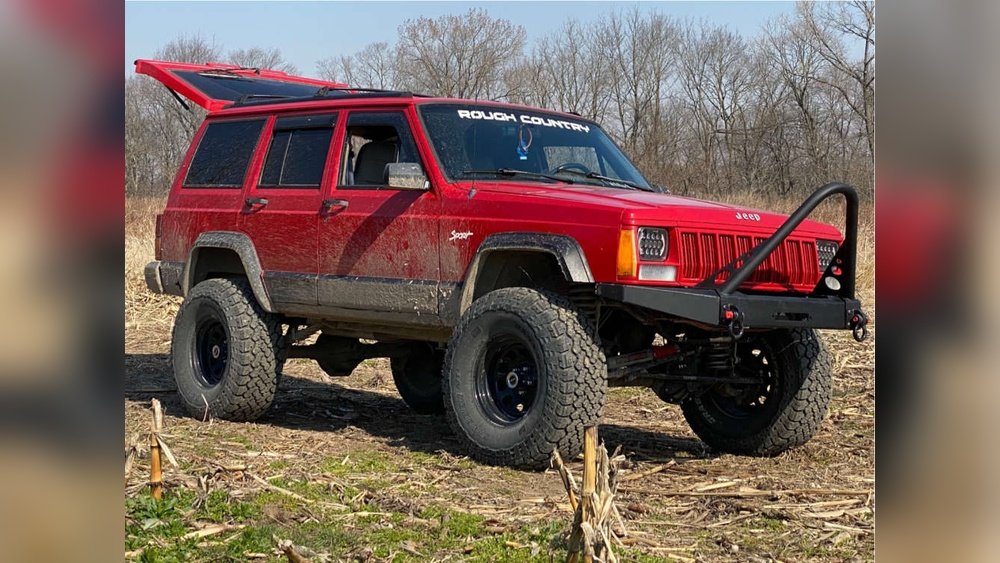
If you’re an XJ owner looking to upgrade your wheels, or just curious about the ATX wheel options for your Jeep, you’ve come to the right place. This article will explore why ATX wheels are such a great fit for the Jeep XJ, what factors to consider when choosing them, and some popular ATX wheel models that enthusiasts love. We’ll cover everything from bolt patterns and offsets to tire sizes and off-road performance.
Why Atx Wheels Are A Great Choice For The Jeep Xj
ATX (Advanced Technology Xtreme) is a brand that has built a strong reputation in the off-road community. Their wheels are designed to withstand the harshest conditions, which is exactly what a Jeep XJ owner might demand. The XJ, with its solid axles and robust chassis, is built for adventure. Pairing it with ATX wheels enhances its capabilities and its aggressive look.
Durability And Strength
The primary reason ATX wheels are favored for the Jeep XJ is their unmatched durability. These wheels are typically constructed from high-quality aluminum alloys or sometimes forged aluminum, making them incredibly strong yet relatively lightweight. This strength is crucial for off-roading. When you’re tackling rough terrain, rocks, or mud, your wheels take a beating. ATX wheels are engineered to resist bending, cracking, and damage from impacts. This means fewer worries about wheel failure when you’re far from civilization. For an XJ, which is often used for weekend adventures and expeditions, this robustness is a key selling point.
Performance Enhancement
Beyond just looking good, ATX wheels can actually improve the performance of your Jeep XJ. The right wheel and tire combination can offer better traction, handling, and off-road capability. ATX offers wheels in various sizes and offsets, allowing you to fine-tune your suspension setup. A wider wheel with a more aggressive offset can provide a broader stance, increasing stability on uneven ground and allowing for larger tire fitment. This is particularly important for XJ owners who want to run larger off-road tires for increased ground clearance and better obstacle traversal. The lightweight nature of some ATX designs also contributes to reduced unsprung weight, which can subtly improve acceleration and braking response.
Aesthetic Appeal
Let’s be honest, wheels are a major part of a vehicle’s appearance. ATX wheels offer a wide range of styles, from rugged, no-nonsense designs to more intricate, eye-catching patterns. For the Jeep XJ, which often sports a utilitarian or aggressive off-road look, ATX wheels fit right in. Whether you prefer a classic five-spoke design, a multi-spoke pattern, or a beadlock-style rim (for extreme off-roading), ATX likely has an option that will complement your XJ’s build. The black finishes, machined faces, and satin grey options are particularly popular among XJ enthusiasts looking to give their Jeep a distinct personality.
Key Considerations When Choosing Atx Wheels For Your Jeep Xj
Selecting the right ATX wheels for your Jeep XJ involves more than just picking a style you like. Several technical factors need careful consideration to ensure proper fitment, optimal performance, and safety.
Bolt Pattern And Hub Bore
The bolt pattern is the arrangement of the lug holes on the wheel. For the Jeep XJ, the most common bolt pattern is 5×4.5 inches (or 5×114.3mm). This is a critical measurement; if the bolt pattern doesn’t match your XJ’s wheel studs, the wheels simply won’t mount. ATX wheels are manufactured in various bolt patterns, so always double-check that the specific model you’re interested in comes in the 5×4.5 configuration.
The hub bore is the diameter of the center hole on the wheel, which fits over your vehicle’s hub. Ideally, the hub bore of the wheel should be the same size or larger than your XJ’s hub. If it’s larger, hub-centric rings can be used to ensure the wheel is perfectly centered on the hub, which is vital for smooth driving and preventing vibrations. Most ATX wheels designed for Jeep applications will have a sufficiently large hub bore or be specifically engineered for Jeep hubs.
Wheel Size: Diameter And Width
Wheel diameter and width are crucial for determining the tire size you can run and how the wheel fits within your XJ’s fender wells.
- Diameter: The Jeep XJ typically came with 15-inch wheels from the factory. However, many XJ owners upgrade to 16-inch, 17-inch, or even 18-inch wheels. Larger diameter wheels generally allow for lower profile tires, which can offer better on-road handling, but they can also limit the sidewall of your tire, which is beneficial for off-road cushioning and airing down. For most XJ builds, especially those focused on off-roading, 15-inch or 16-inch wheels are still very popular as they allow for larger sidewalls on the tires. ATX offers wheels across a range of diameters.
- Width: The width of the wheel dictates the range of tire widths it can safely accommodate. Common XJ wheel widths range from 7 inches to 9 inches. A wider wheel will generally support a wider tire, providing a larger contact patch with the ground for improved traction. For example, a 15×8 inch wheel is a very common choice for XJ owners looking to fit 31-inch or 33-inch tires.
Offset And Backspacing
Offset and backspacing are perhaps the most technical aspects of wheel fitment, and they directly impact how the wheel sits in relation to the fender and suspension components.
- Offset: This is the distance from the wheel’s mounting surface (where it bolts to the hub) to the centerline of the wheel.
- A positive offset (common on many modern vehicles) means the mounting surface is closer to the outside face of the wheel.
- A negative offset (common on off-road wheels) means the mounting surface is further inward, pushing the wheel outward.
- Jeep XJs often benefit from negative offset wheels (e.g., -12mm, -25mm). This pushes the wheels out wider, which helps clear suspension components, allows for larger tires, and gives the XJ a more aggressive stance.
- Backspacing: This is the distance from the inside of the wheel (the back mounting pad) to the outer lip of the wheel. It’s closely related to offset. Lower backspacing values (e.g., 3.75 inches for an 8-inch wide wheel) push the wheel outward, similar to a negative offset.
Choosing the correct offset and backspacing is crucial. Too little backspacing (or too much positive offset) can cause the tire to rub on suspension components like the control arms or sway bar links. Too much backspacing (or too much negative offset) can cause the tire to rub on the fender flares or bodywork, especially when turning or the suspension is compressed. For a Jeep XJ, a common and effective range for backspacing on a 15×8 or 16×8 wheel is around 3.75 to 4.0 inches.
Material And Construction
ATX wheels are typically available in two main types of construction:
- Cast Aluminum: This is the most common and cost-effective method. Molten aluminum is poured into a mold. Cast wheels are strong and durable for most applications, including moderate off-roading.
- Flow-Formed (Rotary Forged): This process starts with a cast wheel blank that is then heated and spun at high speed while pressure is applied to the rim. This process refines the grain structure of the aluminum, making the rim stronger and lighter than a standard cast wheel. These are often a good middle ground between cast and fully forged.
- Forged Aluminum: This is the strongest and most expensive type. A solid block of aluminum is heated and then pressed under immense force into the desired shape. Forged wheels are incredibly strong, lightweight, and resistant to bending or cracking, making them ideal for extreme off-roading.
For the Jeep XJ, cast aluminum or flow-formed wheels from ATX are excellent choices for most owners. If you’re planning on very extreme rock crawling or competitive off-roading, forged ATX wheels would be the ultimate in strength, though significantly more expensive.
Tire Size Compatibility
The wheels you choose will directly influence the tire sizes you can fit on your Jeep XJ. When selecting ATX wheels, think about the tire size you ultimately want to run.
- 15-inch wheels: Commonly paired with tires ranging from 30 inches to 35 inches in diameter. A 15×8 wheel is ideal for 31-33 inch tires.
- 16-inch wheels: Can accommodate a similar range, often allowing for slightly more tire sidewall than a 17-inch wheel of the same diameter. Good for 33-35 inch tires.
- 17-inch wheels: Often paired with 33-inch to 37-inch tires. These might be chosen for a more modern look or if specific tire models are only available in 17-inch sizes.
Always check the recommended tire width range for the specific ATX wheel you choose. Running a tire that is too narrow or too wide for the wheel can compromise safety and performance.
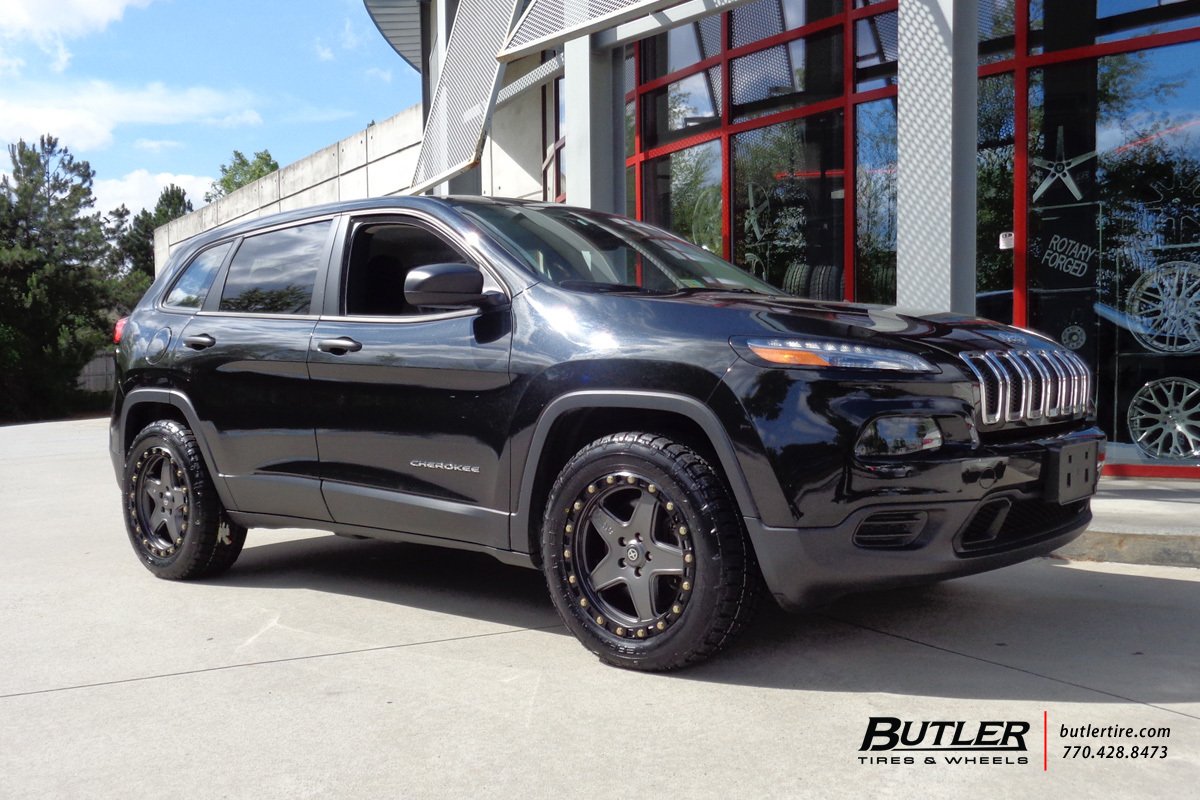
Popular Atx Wheel Models For The Jeep Xj
ATX offers a variety of wheel models that are well-suited for the Jeep XJ. Here are a few examples that are frequently seen on modified XJs, highlighting their features and why they are a good fit.