If you’ve ever seen the 4 Wheel Drive warning light pop up on your Jeep Patriot’s dashboard, you know it can be unsettling. That little light means your vehicle’s four-wheel-drive system isn’t working as it should, and ignoring it could lead to bigger problems down the road.
But don’t panic. You’re about to learn what this warning light really means, the common reasons it appears, and the simple steps you can take to fix it.
Keep reading to take control of your Jeep’s 4WD system and drive with confidence again.
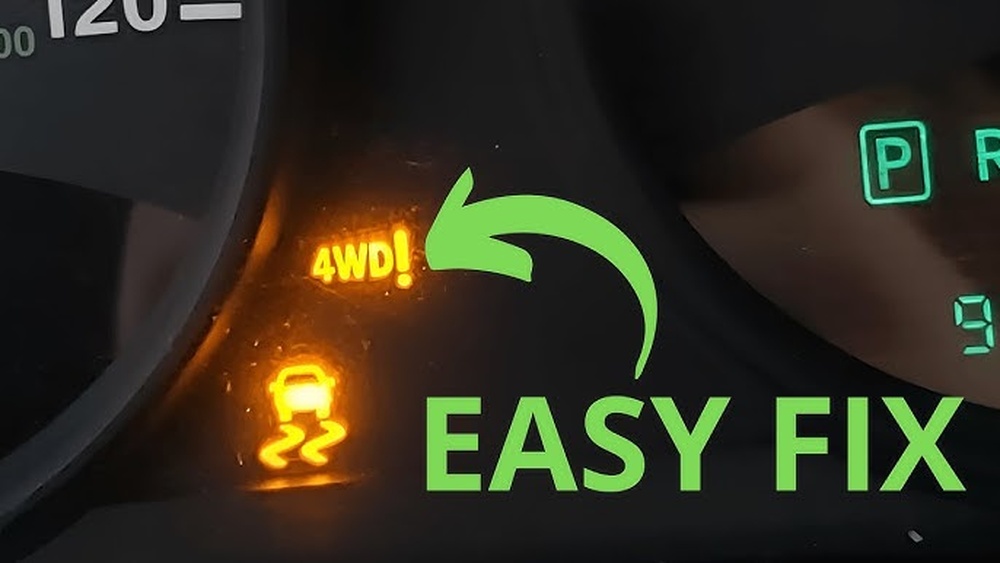

4wd Warning Light Basics
The 4WD warning light in your Jeep Patriot signals the status of the four-wheel-drive system. It helps you know if the system works well or if it needs attention.
Understanding this light keeps you safe on all road types and in tough conditions.
Paying attention to this light saves you from costly repairs and unexpected breakdowns. Knowing what it means and when it appears is key to maintaining your vehicle’s performance.
What The Light Means
The 4WD warning light shows there is a problem in the four-wheel-drive system. It could be a minor issue or a serious fault.
The system may not transfer power to all wheels properly. This affects your Jeep’s ability to handle rough terrain or slippery roads.
The light may also indicate a sensor failure or a mechanical fault. Sometimes, it means the system is off or not engaged correctly.
Ignoring the warning can lead to more damage and unsafe driving conditions.
When It Usually Appears
The 4WD warning light often appears when you switch the system on or off. It may flash briefly during this process.
The light should turn off once the system works properly.
If the light stays on or blinks while driving, this shows a problem. It can come on during bad weather or rough driving.
Sometimes, it lights up after a system error or electrical issue.
Check the light anytime you notice your Jeep handles oddly or loses traction. Early detection helps prevent bigger issues and keeps your drive smooth.
Common Causes
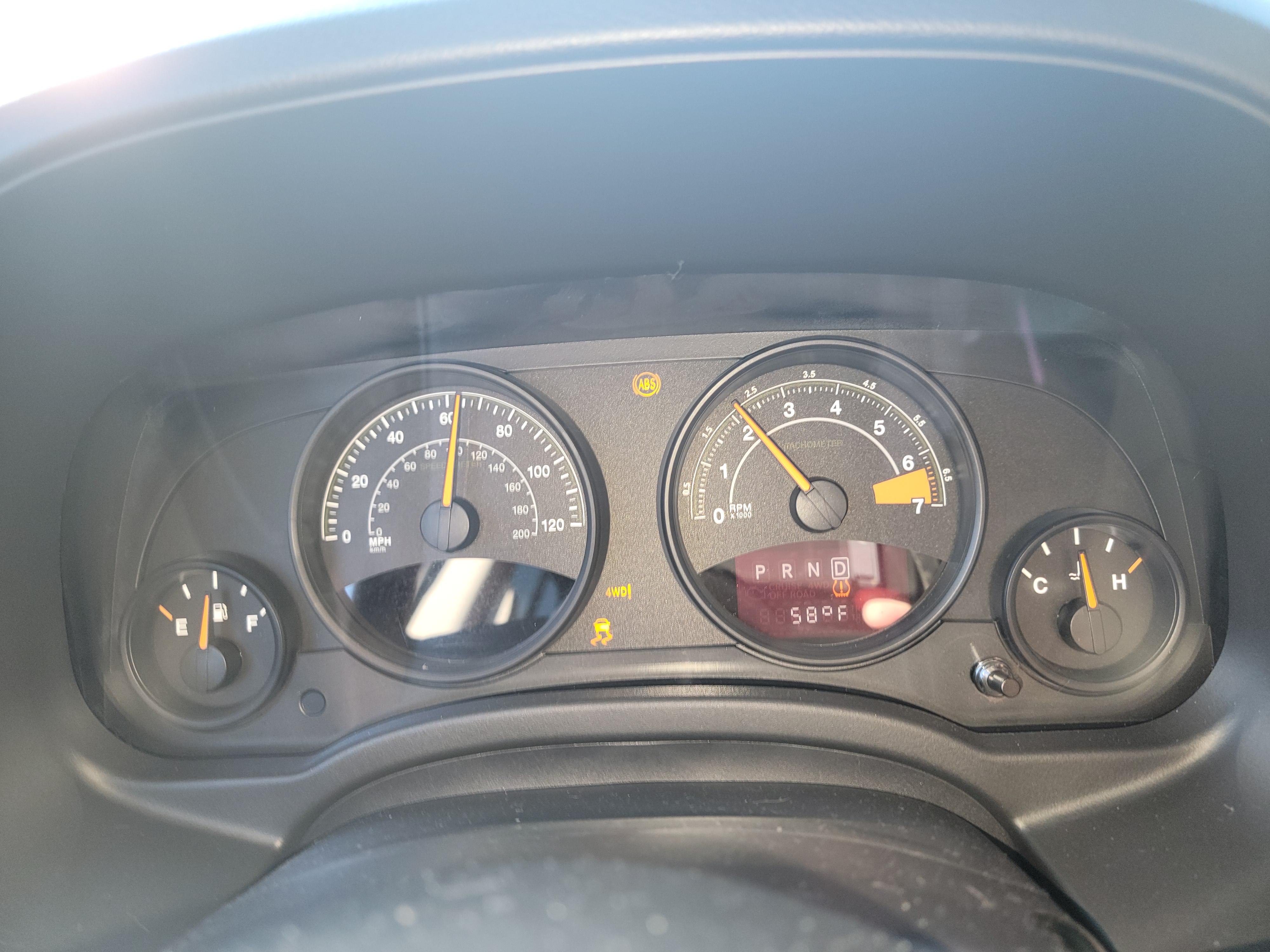
The Jeep Patriot 4 Wheel Drive warning light signals an issue within the four-wheel-drive system. Several common problems can trigger this alert.
Understanding these causes helps in diagnosing and fixing the issue quickly. This section explains the frequent reasons behind this warning light.
Corroded Wiring Issues
Wiring corrosion often occurs behind the driver’s side kick panel. Moisture can enter and damage the wires over time.
Corroded wires break the connection and disable the four-wheel-drive system. This issue may also affect the ABS system, causing multiple warning lights.
Transfer Case Actuator Problems
The transfer case actuator controls power distribution to the wheels. If this actuator fails, the system cannot shift between two-wheel and four-wheel drive.
Faulty actuators often cause the 4WD warning light to illuminate. Mechanical wear or electrical faults usually trigger these problems.
Faulty Wheel Speed Sensors
Wheel speed sensors monitor the speed of each wheel. They send data to the vehicle’s computer for traction control.
Malfunctioning sensors provide incorrect information, confusing the four-wheel-drive system. This may cause the warning light to activate and affect braking functions.
Abs System Interference
The ABS system works closely with the 4WD system. Problems in the ABS, such as sensor faults or damaged wiring, can interfere with four-wheel drive.
The vehicle’s computer detects these faults and triggers the 4WD warning light. Diagnosing ABS issues often resolves the 4WD alert.
Wiring Inspection Tips
Wiring problems often cause the Jeep Patriot 4 Wheel Drive warning light to turn on. Inspecting the wiring can help find the root cause.
A careful check prevents bigger issues and costly repairs. Follow these simple tips to inspect the wiring harness behind the driver’s side kick panel.
Accessing The Driver’s Side Kick Panel
Start by opening the driver’s door fully. Remove any floor mats or loose items near the footwell.
Locate the kick panel, which is the plastic cover at the lower left side near the pedals. Gently pry the panel off using a trim tool or flathead screwdriver.
Be careful not to break the clips. Set the panel aside to expose the wiring harness behind it.
Identifying Corrosion And Damage
Look closely at the wiring harness for any signs of corrosion or damage. Moisture can cause the wires to rust or break.
Check for green or white powdery deposits on the wires or connectors. Look for cracked, frayed, or broken wires.
Any discoloration or melted plastic is a red flag. Clean mild corrosion with electrical contact cleaner and a soft brush.
Replace severely damaged wires or connectors to restore proper function.
Fixing Wiring Problems
The transfer case actuator plays a key role in your Jeep Patriot’s four-wheel drive system. It controls the transfer case, shifting power between two-wheel and four-wheel drive modes.
When the actuator fails, the 4WD warning light often appears on the dashboard. Understanding transfer case actuator solutions helps maintain your vehicle’s performance and safety.
Problems with the actuator can cause difficulty in shifting or loss of 4WD function. Addressing these issues early avoids more costly repairs.
Below are ways to diagnose and fix actuator faults.
Diagnosing Actuator Faults
Start by checking the actuator’s electrical connections. Corroded or damaged wires often cause faults.
Use a multimeter to test for continuity and proper voltage. Listen for unusual noises when shifting between drive modes. The actuator should move smoothly without hesitation.
Scan your Jeep’s computer system for trouble codes. Error codes related to the transfer case help pinpoint the problem.
Inspect the actuator motor and gears for physical damage. Sometimes dirt or debris causes the actuator to stick.
Repair And Replacement Options
Minor wiring issues can be repaired by cleaning and reconnecting terminals. Replace corroded wires or connectors as needed.
If the actuator motor is faulty, replacing it is often the best solution. Use OEM parts to ensure compatibility and reliability.
For severe transfer case damage, professional service may be required. Avoid forcing the actuator, as this can cause further harm.
Regular maintenance and inspection extend the life of your 4WD system and keep warning lights off.
Transfer Case Actuator Solutions
The Jeep Patriot 4 Wheel Drive warning light signals an issue with your vehicle’s 4WD system. Sometimes, simple steps can fix it.
Other times, the problem needs expert care. Knowing when to seek professional help protects your vehicle and safety.
Ignoring serious signs might lead to costly repairs or unsafe driving. Trust your instincts and the warning signs your car shows.
Early action keeps your Jeep Patriot running well and avoids bigger problems.
Signs You Need A Mechanic
The 4WD warning light stays on even after restarting your Jeep. You hear unusual noises when shifting into 4WD mode.
The vehicle struggles to switch between 2WD and 4WD. Your Jeep feels unstable or pulls to one side.
You notice fluid leaks under the vehicle. These signs mean your 4WD system might fail soon.
A mechanic can diagnose and fix these issues safely.
Choosing The Right Repair Shop
Pick a shop experienced with Jeep vehicles. Look for certified technicians and positive customer reviews. Make sure the shop uses quality parts for repairs. Ask if they offer a warranty on their work. Clear communication about costs and timelines is important. A good repair shop ensures your Jeep Patriot’s 4WD system works like new.

Why Is The 4 Wheel Drive Light On In My Jeep Patriot?
The 4-wheel drive light in your Jeep Patriot signals a problem in the 4WD system. Common causes include corroded wiring behind the driver's kick panel or issues with the transfer case actuator or wheel speed sensors.
Inspect wiring and sensors promptly to avoid further damage.
Why Is My 4wd Warning Light On?
The 4WD warning light signals a problem with your four-wheel-drive system. Common causes include a faulty transfer case actuator, damaged wheel speed sensors, or corroded wiring.
Inspect these parts promptly to avoid further damage and maintain safe driving conditions.
Can I Still Drive With The Service 4wd Light On?
Driving with the service 4WD light on is not recommended. It signals a problem in the four-wheel-drive system.
Have a mechanic inspect it promptly to avoid further damage or safety risks.
Is It Safe To Drive With A 4wd Light On?
Driving with the 4WD light on can be risky. It signals a system issue that may affect vehicle control.
Have a mechanic inspect it promptly to ensure safety and prevent further damage. Avoid rough terrain until the problem is fixed.
Conclusion
The Jeep Patriot 4 wheel drive warning light signals a problem in the system. Checking the wiring behind the driver's side panel is a good start.
Corrosion often causes these issues, especially if moisture gets in. Addressing this early can prevent bigger repairs.
Pay attention to other warning lights too, like ABS. Understanding these signs helps keep your Jeep safe and reliable on the road.
Don't ignore the warning; act quickly for the best results.