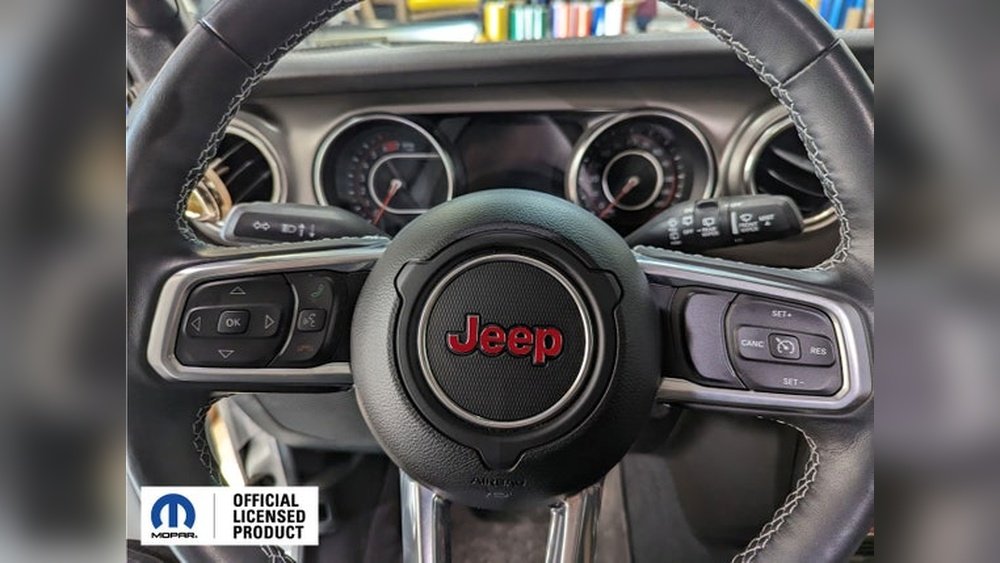
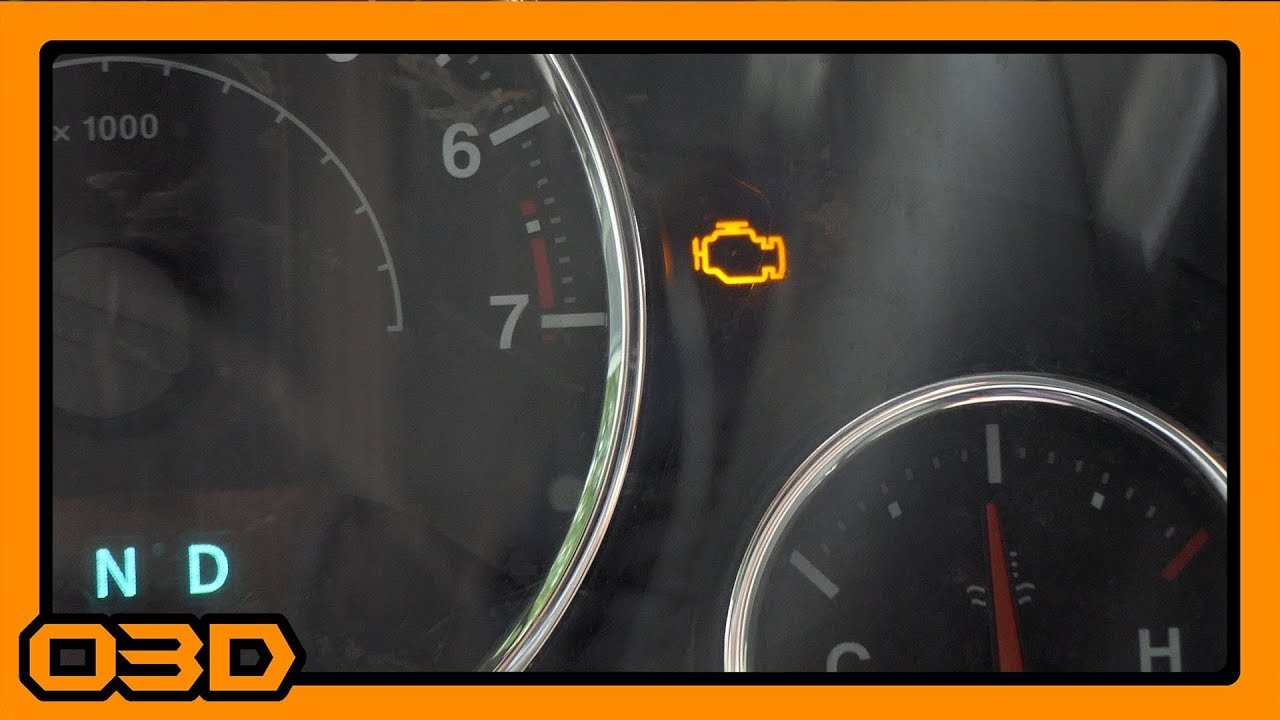
If your Jeep JK’s check engine light just came on, you’re probably wondering what it means and what you should do next. That little light can feel like a big warning sign, but don’t panic.
It’s your vehicle’s way of telling you that something needs attention whether it’s a minor issue or something more serious.
You’ll learn how to quickly identify the common reasons behind the check engine light, how to check your Jeep JK’s engine codes yourself, and when you should seek professional help.
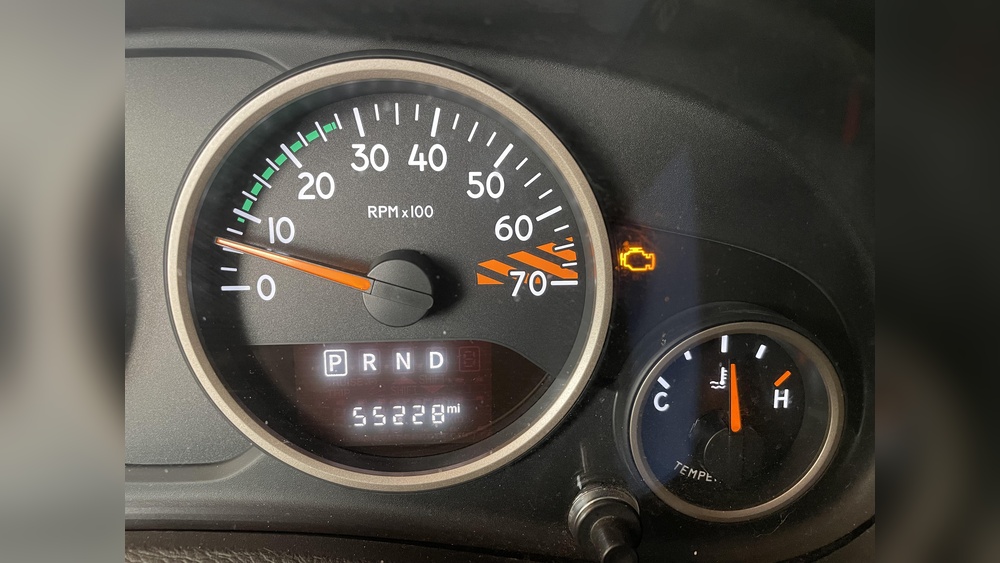
Keep reading to take control of your Jeep’s health and keep your adventures on the road without unexpected surprises.
Common Causes
The Jeep JK’s check engine light can turn on for many reasons. This warning alerts you that the engine or emission system needs attention.
Understanding common causes helps you know what to check first. Some problems are simple and easy to fix.
Others might require professional help. Here are the most frequent reasons for the check engine light on a Jeep JK.
Loose Gas Cap
A loose or missing gas cap often triggers the check engine light. It lets fuel vapors escape, causing the emission system to detect a leak.
Tightening the gas cap usually solves this issue quickly. Make sure the cap clicks several times when you tighten it.
Faulty Oxygen Sensor
The oxygen sensor monitors the air-fuel mix in the exhaust. A bad sensor can cause poor fuel economy and higher emissions.
The engine light may come on if the sensor fails. Replacing the sensor restores proper engine performance.
Catalytic Converter Issues
The catalytic converter reduces harmful gases in exhaust fumes. Problems with this part affect engine efficiency and emissions.
A clogged or damaged converter often causes the check engine light to glow. Repair or replacement is needed for proper function.
Worn Spark Plugs
Spark plugs ignite the fuel in each cylinder. Old or worn plugs cause misfires and rough running.
This triggers the check engine light to warn you. Changing the spark plugs improves engine smoothness and fuel use.
Evap System Problems
The EVAP system stops fuel vapors from escaping the fuel tank. Leaks or failures here trigger the check engine light.
Common causes include cracked hoses or a faulty purge valve. Fixing EVAP system problems helps reduce pollution and clear the warning light.
Reading Engine Codes
Reading engine codes is the first step to understanding why your Jeep JK’s check engine light is on. These codes reveal details about problems in your engine or related systems.
By knowing how to read and interpret these codes, you can decide what needs fixing or if you should see a mechanic. Different methods help you access these codes, from simple ignition tricks to advanced diagnostic tools.
Using The Ignition Method
The ignition method lets you read engine codes without special tools. Start by inserting your key into the ignition.
Turn it to the “On” position, but do not start the engine. Next, push the key in and turn it off, then on, three times in a row.
End with the key in the “On” position. The check engine light will blink out a series of numbers.
These numbers are your engine codes. Count the blinks carefully to get the right code. Write them down for later interpretation.
Diagnostic Tools
Diagnostic tools provide a faster way to read engine codes. An OBD-II scanner plugs into your Jeep’s diagnostic port, usually under the dashboard. Once connected, the tool communicates with your vehicle’s computer. It reads all active and stored trouble codes. Some scanners show live data, like engine temperature and RPM. Basic scanners display codes as numbers. Advanced tools may also explain what each code means. These tools save time and help you understand the problem better.
Interpreting Dtc Codes
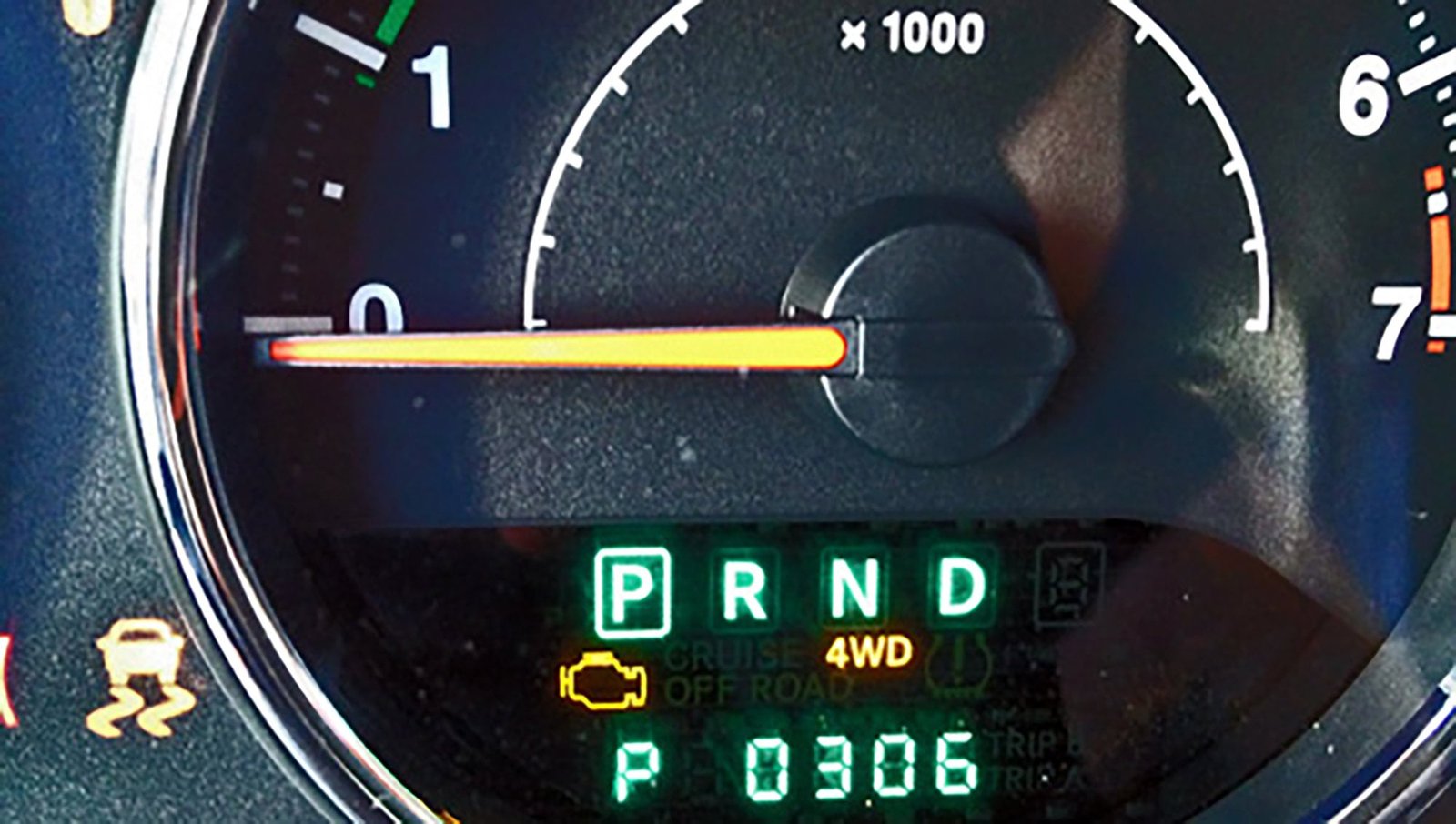
DTC stands for Diagnostic Trouble Code. Each code points to a specific problem area in your Jeep.
Codes start with a letter followed by four digits. The letter shows the system type: P for powertrain, B for body, C for chassis, and U for network.
The digits narrow down the exact issue. For example, P0301 means a misfire in cylinder one.
Use a Jeep JK code list or online database to find the meaning. Knowing the code helps you decide if you can fix it or need professional help.
Quick Fixes
The Jeep JK check engine light can signal various issues. Some problems have quick fixes.
These fixes save time and money. They often do not require a mechanic. You can try these simple steps first.
Tightening Or Replacing Gas Cap
A loose or damaged gas cap often triggers the check engine light. The fuel system may lose pressure causing an error code.
Tighten the cap until it clicks. If the cap is old or cracked, replace it.
This fix usually turns off the light quickly.
Replacing Oxygen Sensor
The oxygen sensor measures the air-fuel mix in the engine. A faulty sensor can cause poor engine performance and light up the warning.
Replacing the oxygen sensor is a common and easy fix. It improves fuel efficiency and reduces emissions.
Repairing Snapped Hoses
Vacuum or emission hoses can crack or snap over time. This causes leaks that trigger the check engine light.
Check hoses near the engine for damage. Replace any broken hoses with new ones.
This repair often stops the warning light from staying on.
Resetting The Check Engine Light
After fixing the problem, reset the check engine light to clear the error. Turn the ignition on without starting the engine.
Press the gas pedal fully three times within 10 seconds. Turn off the ignition and start the engine.
The light should turn off if the issue is resolved.
When To Seek Professional Help
The Jeep JK check engine light signals various engine or system problems. Knowing when to seek professional help can protect your vehicle from serious damage.
Some situations need immediate expert attention. Others might require a mechanic’s tools and knowledge for accurate diagnosis and repair.
Flashing Check Engine Light
A flashing check engine light means a severe problem exists. It often signals engine misfire that can harm the catalytic converter.
Stop driving as soon as it is safe. Continuing to drive can cause costly repairs.
Contact a professional mechanic immediately for inspection and repair.
Persistent Codes After Fixes
Sometimes, the check engine light stays on even after basic fixes. This means the problem is still active or there are multiple issues.
DIY fixes may not solve complex faults. A mechanic can use advanced diagnostic tools to read and clear codes properly.
Persistent codes need professional evaluation for safety and performance.
Complex Engine Issues
Some engine problems trigger the check engine light but are hard to diagnose. Issues with sensors, fuel systems, or emissions require expert knowledge.
Professionals have the right equipment to test and repair these systems. Trying to fix complex problems without experience may worsen damage.
Seek professional help to ensure a reliable and safe Jeep JK.
Driving With The Light On
Seeing the check engine light on your Jeep JK can cause worry. Knowing how to drive safely with this warning helps protect your vehicle and yourself.
The light signals a problem with the engine or emissions system. You should pay attention to its behavior to decide your next steps.
Steady Light Guidelines
A steady check engine light means a minor issue or a system alert. You can continue driving but avoid long trips.
Schedule a service appointment soon to diagnose the problem. Do not ignore the light, as small issues can grow worse.
Keep an eye on how the vehicle runs.
Flashing Light Precautions
A flashing check engine light signals a serious problem like engine misfire. Stop driving as soon as it is safe to do so.
Continuing to drive may cause damage to the engine. Avoid hard acceleration or high speeds.
Call for roadside assistance or tow your Jeep to a mechanic.
Impact On Vehicle Performance
The check engine light can affect how your Jeep drives. Engine power may drop to prevent damage.
Fuel efficiency might decrease, causing more trips to the gas station. You may notice rough idling or stalling.
Addressing the issue quickly keeps your Jeep running smoothly.
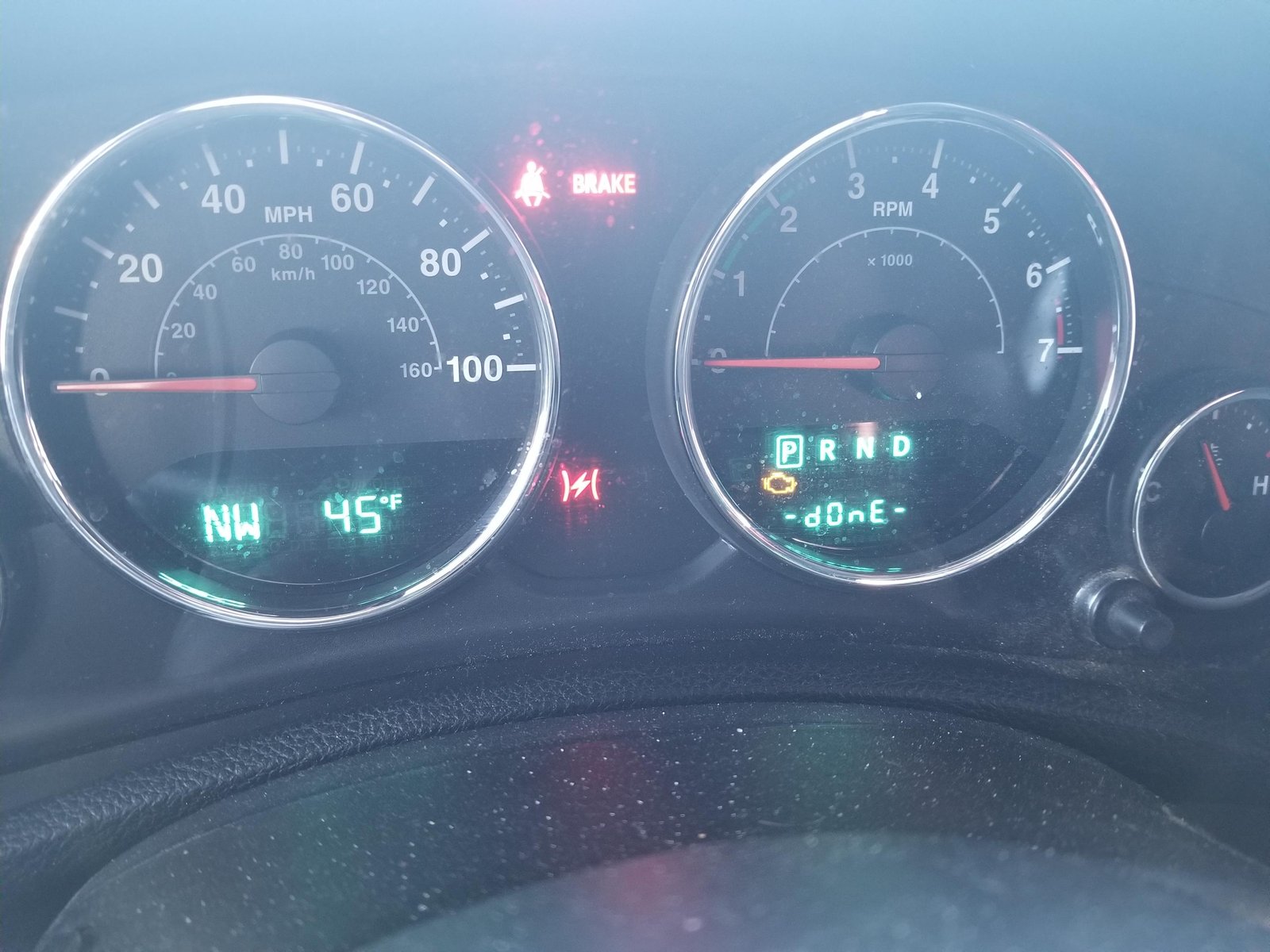
Preventive Maintenance
Preventive maintenance keeps your Jeep JK running smoothly. It helps avoid sudden check engine light warnings.
Regular care extends your vehicle’s life and improves safety. Simple steps can prevent costly repairs and breakdowns.
Regular Inspections
Inspect your Jeep JK often to catch issues early. Check engine parts, hoses, and wiring for wear or damage.
Look for leaks or loose connections under the hood. Early detection stops small problems from growing.
Timely Part Replacements
Replace worn parts before they fail. Change spark plugs, air filters, and fluids as scheduled.
Old parts reduce engine efficiency and trigger the check engine light. Use quality parts to keep your Jeep JK reliable.
Checking Fuel System Components
Fuel system issues often cause the check engine light. Check fuel injectors, fuel pump, and fuel filter regularly.
Clean or replace clogged components to maintain proper fuel flow. This keeps your engine running clean and smooth.
Frequently Asked Questions
What Is The Most Common Check Engine Light On A Jeep Wrangler?
The most common check engine light on a Jeep Wrangler indicates an issue with the EVAP system, often caused by a loose or damaged gas cap.
How To Check Engine Codes Jeep Jk?
Insert the key and turn the ignition to ON without starting. Push and hold the key in, turn OFF then ON three times, ending in ON.
The engine codes will display via the check engine light flashes.
Why Would My Check Engine Light Come On On My Jeep?
The check engine light on your Jeep can come on due to a loose gas cap, faulty oxygen sensor, bad catalytic converter, or worn spark plugs. It signals engine or emission system issues requiring prompt diagnosis and repair to avoid further damage.
Can I Drive My Jeep With The Engine Light On?
You can drive your Jeep with the engine light on if it’s steady. Drive cautiously and schedule a repair soon.
Stop immediately if the light flashes, indicating a serious issue. Ignoring the light risks engine damage and costly repairs.
Conclusion
The Jeep JK check engine light signals a need for attention. Ignoring it can lead to bigger problems and costly repairs.
Simple checks, like tightening the gas cap, may solve the issue quickly. For persistent lights, scanning the codes helps identify the exact problem.
Always address warning lights promptly to keep your Jeep running smoothly and safely. Regular maintenance prevents unexpected breakdowns and protects your investment.
Stay alert, take action early, and enjoy your Jeep’s performance without worry.