If your Jeep Grand Cherokee codes list is showing unfamiliar codes after the check engine light comes on, don’t ignore them. Every Diagnostic Trouble Code (DTC) points to a specific issue, from a loose gas cap to a faulty transmission sensor.
Understanding these codes helps you diagnose problems early, avoid expensive repairs, and decide whether you can fix the issue yourself or need a mechanic.
In this guide, you’ll learn the most common Jeep Grand Cherokee trouble codes, what they mean, possible causes, and the first steps to take before spending money on repairs.
What Are Jeep Grand Cherokee Trouble Codes?
A Diagnostic Trouble Code (DTC) is a code stored in your Jeep’s computer whenever it detects a problem. Modern Jeep Grand Cherokee models use the OBD-II (On-Board Diagnostics II) system to monitor the engine, transmission, emissions, and other important systems.
When a fault is detected, the check engine light turns on, and one or more codes are stored in the Engine Control Module (ECM).
These codes help identify:
- Engine performance issues
- Transmission problems
- Emissions failures
- Sensor malfunctions
- Electrical faults
- Fuel system problems
How to Read Jeep Grand Cherokee Codes
Reading the codes is simple.
You’ll need:
- An OBD-II scanner
- A Bluetooth OBD adapter with a smartphone app
- A professional diagnostic scan tool
Steps
- Locate the OBD-II port under the dashboard.
- Plug in the scanner.
- Turn the ignition to ON.
- Read the stored and pending codes.
- Look up each code before replacing parts.
Many auto parts stores will also scan your Jeep for free.
Common Jeep Grand Cherokee Codes List
| Trouble Code | Description | Common Causes | Repair Difficulty |
|---|---|---|---|
| P0128 | Coolant thermostat below regulating temperature | Bad thermostat, coolant sensor | Easy |
| P0171 | System too lean (Bank 1) | Vacuum leak, dirty MAF sensor, weak fuel pump | Medium |
| P0300 | Random cylinder misfire | Spark plugs, ignition coils, and injectors | Medium |
| P0301-P0308 | Cylinder-specific misfire | Spark plug or ignition coil | Easy |
| P0420 | Catalyst efficiency below threshold | Catalytic converter, oxygen sensor | Hard |
| P0456 | Small EVAP leak detected | Loose gas cap, cracked hose | Easy |
| P0440 | EVAP system malfunction | Leak or faulty purge valve | Medium |
| P0455 | Large EVAP leak | Gas cap, EVAP hose | Easy |
| P0507 | Idle speed higher than expected | Vacuum leak, throttle body | Medium |
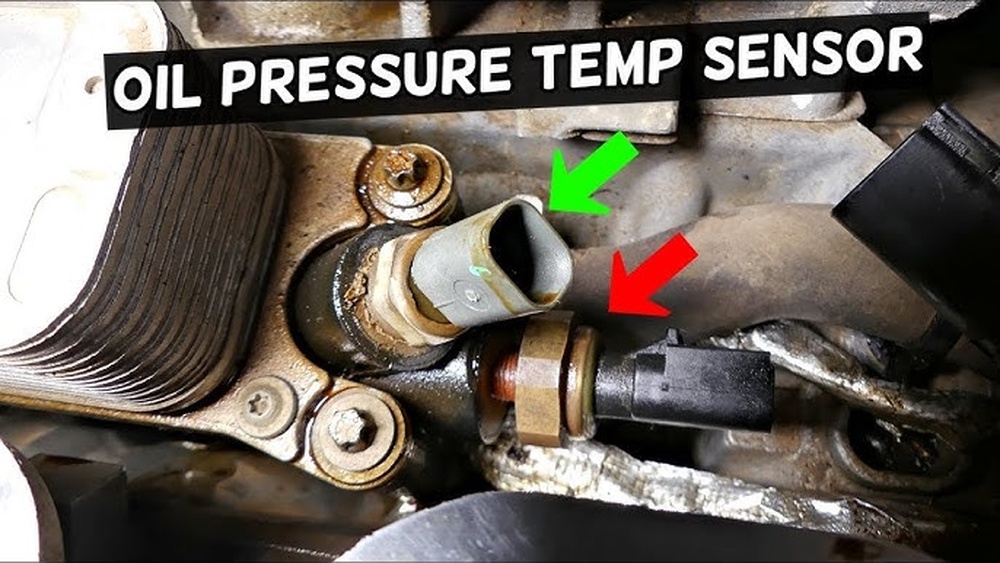
| P0520 | Engine oil pressure sensor malfunction | Faulty oil pressure sensor | Easy |
| P0700 | Transmission control system fault | Transmission issue stored in TCM | Medium |
| P0730 | Incorrect gear ratio | Transmission wear or low fluid | Hard |
| P0740 | Torque converter clutch problem | Transmission solenoid | Hard |
| P1128 | Closed-loop fueling issue | Oxygen sensor, vacuum leak | Medium |
| U0101 | Lost communication with transmission module | Wiring, TCM | Hard |
Most Common Jeep Grand Cherokee Check Engine Codes
P0456: Small EVAP Leak
This is one of the most common Jeep Grand Cherokee trouble codes.
Possible causes:
- Loose gas cap
- Cracked EVAP hose
- Faulty purge valve
- Leaking charcoal canister
Start by tightening or replacing the gas cap before replacing expensive components.
P0300: Random Misfire
Symptoms include:
- Rough idle
- Poor acceleration
- Engine shaking
- Flashing check engine light
Common fixes:
- Replace spark plugs
- Replace ignition coils
- Inspect fuel injectors
- Check for vacuum leaks
P0128: Thermostat Problem
Your engine isn’t warming up properly.
Common symptoms:
- Poor fuel economy
- Heater not getting hot
- Check engine light
Usually, replacing the thermostat solves the issue.
P0420: Catalytic Converter Efficiency
This code usually appears after high mileage.
Possible causes include:
- Worn catalytic converter
- Bad oxygen sensor
- Exhaust leak
Always inspect the oxygen sensors before replacing the catalytic converter.
P0700: Transmission Control System
P0700 doesn’t tell you the exact transmission problem.
Instead, it means another transmission code is stored in the Transmission Control Module (TCM).
A professional scanner is often needed to read the additional codes.
Jeep Grand Cherokee Transmission Codes
Transmission-related trouble codes often include:
| Code | Meaning |
|---|---|
| P0700 | Transmission Control System Malfunction |
| P0715 | Input Speed Sensor Failure |
| P0720 | Output Speed Sensor Failure |
| P0730 | Incorrect Gear Ratio |
| P0740 | Torque Converter Clutch Failure |
| P0750 | Shift Solenoid A Malfunction |
Transmission repairs range from simple sensor replacement to complete rebuilds.
Jeep Grand Cherokee ABS Codes
ABS faults affect braking performance.
Common ABS-related issues include:
- Wheel speed sensor failure
- ABS module fault
- Brake pressure sensor issue
- Damaged ABS wiring
ABS warning lights should never be ignored.
Jeep Grand Cherokee Body and U-Codes
Body and communication codes begin with “U.”
Examples include:
| Code | Meaning |
|---|---|
| U0001 | CAN Bus Communication Problem |
| U0100 | Lost Communication with ECM |
| U0101 | Lost Communication with TCM |
| U0140 | Lost Communication with Body Control Module |
These problems often result from damaged wiring, battery voltage issues, or faulty control modules.
What Causes Jeep Grand Cherokee Trouble Codes?
Several issues trigger DTCs.
Common causes include:
- Worn spark plugs
- Dirty fuel injectors
- Vacuum leaks
- Oxygen sensor failure
- Bad ignition coils
- Weak battery
- Faulty sensors
- Transmission problems
- Loose gas cap
- Wiring damage
Routine maintenance helps prevent many of these problems.
Should You Clear the Codes?
Clearing codes without fixing the underlying problem is not recommended.
Instead:
- Diagnose the issue.
- Repair the fault.
- Clear the codes.
- Drive the vehicle.
- Verify the code doesn’t return.
If the code comes back, further diagnosis is needed.
DIY or Visit a Mechanic?
DIY Repairs
Suitable for:
- Gas cap replacement
- Spark plug replacement
- Air filter replacement
- Battery replacement
- Basic sensor replacement
Professional Repairs
Recommended for:
- Transmission repairs
- ABS problems
- CAN Bus communication faults
- Engine timing issues
- Internal engine repairs
Best OBD2 Scanners for Jeep Grand Cherokee
| Scanner | Best For | Approx Price |
|---|---|---|
| BlueDriver | Home mechanics | $100 to $130 |
| TOPDON TopScan | Smartphone diagnostics | $70 to $100 |
| Autel AP2500E | Budget users | $60 to $80 |
| Autel MaxiCOM MK808 | Professional diagnostics | $450 to $550 |
Prices vary by retailer and promotions.
Tips to Prevent Trouble Codes
Follow these maintenance habits:
- Change engine oil on schedule.
- Replace spark plugs at recommended intervals.
- Inspect hoses regularly.
- Tighten the gas cap after refueling.
- Check battery voltage.
- Scan for pending codes every few months.
- Address warning lights promptly.
Small maintenance tasks often prevent costly repairs later.
Watch: Jeep Grand Cherokee Trouble Codes Explained
This video provides a helpful overview of reading and understanding Jeep Grand Cherokee diagnostic trouble codes:
What is the most common Jeep Grand Cherokee trouble code?
P0456 (Small EVAP Leak) is one of the most frequently reported codes. A loose or damaged gas cap is often the cause.
Can I drive with the check engine light on?
If the light is steady and the Jeep drives normally, you may drive for a short time while scheduling a diagnosis. If the light is flashing, stop driving as soon as it is safe, as this often indicates an active engine misfire that may damage the catalytic converter.
Does disconnecting the battery clear trouble codes?
Sometimes. However, this does not fix the underlying problem, and the code will usually return if the fault remains.
Are all Jeep Grand Cherokee codes the same?
Most engine codes follow the standard OBD-II format, but manufacturer-specific codes vary by model year, engine, and vehicle systems.
How much does it cost to diagnose a Jeep Grand Cherokee?
A basic diagnostic scan typically costs between $50 and $150 at independent repair shops. Dealerships may charge more, depending on the complexity of the diagnosis.
Conclusion
Understanding the Jeep Grand Cherokee codes list makes diagnosing vehicle problems much easier. Whether you’re dealing with a simple EVAP leak, an engine misfire, or a transmission warning, reading the stored trouble codes is the first step toward an accurate repair.
A quality OBD2 scanner, regular maintenance, and prompt attention to warning lights help keep your Grand Cherokee reliable for years. Instead of guessing what the check engine light means, use the code to identify the issue, make informed repair decisions, and avoid unnecessary expenses.
Last update on 2026-10-07 / Affiliate links / Images from Amazon Product Advertising API