If your Jeep’s dashboard just lit up with the P0740 code, you might be wondering what it means and how it affects your ride. This warning isn’t just a random error, it points to an issue with your transmission’s torque converter clutch.
When your torque converter isn’t locking properly, it can lead to lower fuel efficiency and rougher driving experiences.
But don’t worry you’re in the right place to understand what’s behind this code, how to spot the symptoms, and what steps you can take to get your Jeep back on the road smoothly.
Keep reading to learn how to tackle the P0740 code and protect your vehicle from costly damage.
Symptoms Of Code P0740
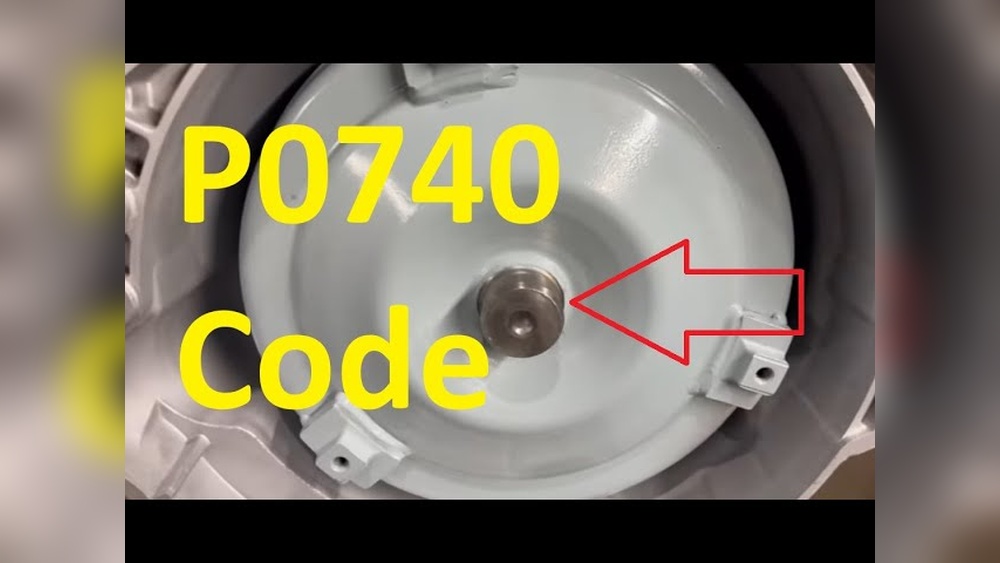
The P0740 code on a Jeep signals a problem with the torque converter clutch (TCC) system. This issue affects how the transmission locks the torque converter.
Several symptoms arise from this code, impacting driving and vehicle performance. Recognizing these signs helps in early diagnosis and repair.
Below are the common symptoms linked to code P0740.
Check Engine Light Activation
The most obvious symptom is the check engine light turning on. This warning appears on the dashboard to alert the driver.
It indicates the vehicle’s computer has detected a transmission issue. Ignoring this light can lead to more serious problems later.
Fuel Economy Drop
A failing torque converter clutch causes poor fuel efficiency. The engine works harder because the transmission does not lock up properly.
This leads to increased fuel consumption, especially on highways. Drivers may notice needing to fill the tank more often.
Transmission Performance Issues
Shifting problems and slipping gears often happen with code P0740. The Jeep may hesitate or jerk during acceleration.
The transmission might not engage smoothly, causing rough rides. These issues reduce driving comfort and can worsen if untreated.

Common Causes Of P0740
The P0740 code in a Jeep indicates an issue with the torque converter clutch (TCC) system. This code means the transmission does not lock the torque converter properly.
Several common problems cause this code to appear. Understanding these causes helps in finding the right fix quickly.
Low Or Dirty Transmission Fluid
Transmission fluid plays a key role in locking the torque converter. Low fluid levels reduce hydraulic pressure needed for the clutch to engage.
Dirty or old fluid can clog the system and cause slipping. Checking the fluid level and condition is the simplest first step.
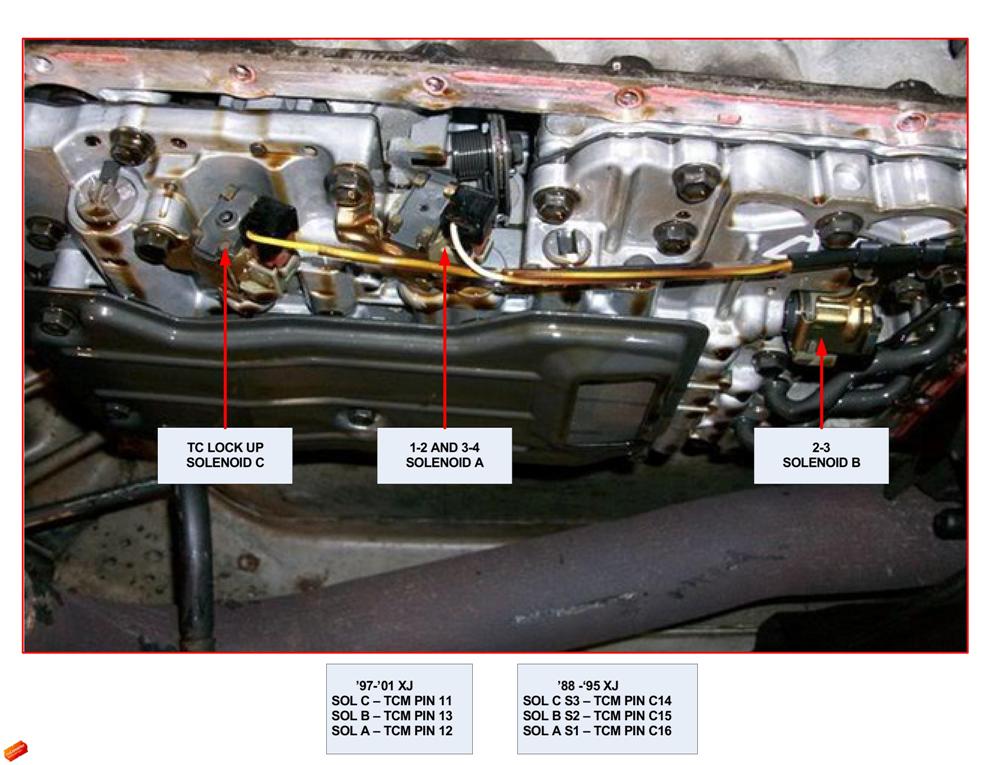
Faulty Torque Converter Clutch Solenoid
The TCC solenoid controls the flow of transmission fluid to the torque converter. If this solenoid fails electrically or mechanically, the clutch cannot lock properly.
Faulty solenoids often cause the P0740 code. Testing or replacing the solenoid can fix the issue.
Worn Torque Converter
Inside the torque converter, worn parts or seals may prevent lockup. Over time, wear causes slipping and loss of pressure.
A damaged torque converter requires repair or replacement to restore proper function. This issue often needs professional help.
Damaged Wiring And Connectors
Wiring to the torque converter clutch solenoid can get damaged or corroded. Broken or shorted wires stop the solenoid from working.
Inspecting connectors and wiring harnesses for damage is important. Fixing electrical issues often clears the P0740 code.
Inspecting Transmission Fluid
Inspecting transmission fluid is a key step when diagnosing a P0740 code on a Jeep. The transmission fluid supports the torque converter clutch operation.
Checking its level and condition can reveal issues affecting performance. Clean, sufficient fluid helps maintain smooth shifting and prevents damage.
Neglecting the fluid can worsen the problem and lead to costly repairs.
Checking Fluid Level
Start by warming the engine to normal operating temperature. Park the Jeep on a level surface and engage the parking brake.
Locate the transmission dipstick under the hood. Remove the dipstick, wipe it clean, then reinsert it fully.
Pull it out again to read the fluid level. The fluid should be between the “Full” and “Add” marks.
Low fluid can cause the torque converter clutch to malfunction. Add the recommended transmission fluid if the level is low.
Avoid overfilling, as this can also cause problems.
Evaluating Fluid Condition
Transmission fluid should be bright red and clear. Dark, dirty, or burnt-smelling fluid signals trouble.
Contaminated fluid reduces lubrication and can cause slipping or overheating. Check for metal particles or debris in the fluid, which indicate internal wear.
Fresh fluid keeps the transmission running smoothly. Dirty fluid means it is time for a change.
When To Change Fluid And Filter
Change the transmission fluid and filter based on Jeep manufacturer recommendations. Typically, this occurs every 30,000 to 60,000 miles.
Heavy towing or rough driving may require more frequent changes. Replacing the fluid and filter removes contaminants and restores proper function.
Regular fluid maintenance can prevent P0740 code issues. It supports the torque converter clutch and extends transmission life.
Testing The Torque Converter Clutch Solenoid
Testing the torque converter clutch solenoid is important for diagnosing P0740 Jeep issues. This solenoid controls the lockup of the torque converter.
Faults here cause poor fuel efficiency and transmission problems. Accurate testing can prevent costly repairs.
Electrical Testing Methods
Start by checking the solenoid’s electrical connections. Use a multimeter to measure resistance.
The reading should match the manufacturer’s specifications. Check for broken wires or loose connectors.
Inspect the wiring harness for signs of damage. A quick continuity test helps find open or short circuits. Replace any faulty wiring before further testing.
Mechanical Inspection Tips
Look for physical damage on the solenoid. Remove it carefully and check for debris or wear.
The solenoid should move smoothly without sticking. Clean any dirt or grime from the surface.
Inspect the torque converter for fluid leaks. Dirty or low transmission fluid can affect solenoid function. Address fluid issues before mechanical repairs.
Using Diagnostic Tools
Scan the vehicle’s computer system with an OBD-II scanner. This tool reads the P0740 code and related data. Check live data for solenoid operation during driving. Some advanced scanners can activate the solenoid manually. This test confirms if the solenoid responds correctly. Use manufacturer-specific software for detailed analysis. This helps identify if the solenoid or other parts cause the problem.
Wiring And Connector Checks
Checking the wiring and connectors is essential when diagnosing the P0740 code on a Jeep. Faulty wiring can cause the torque converter clutch solenoid to malfunction.
This leads to poor transmission performance and lower fuel efficiency. Proper inspection helps spot issues early and avoid costly repairs.
Identifying Damage Or Corrosion
Look closely at all wiring near the transmission solenoid. Check for cracks, frays, or broken wires.
Corrosion on connectors can block electrical signals. Clean any rust or buildup using a wire brush or electrical cleaner.
Damaged wires or corroded connectors must be repaired or replaced to restore proper function.
Ensuring Proper Connector Seating
Make sure all connectors are fully seated and locked in place. Loose connections cause intermittent faults and error codes.
Press connectors firmly until you hear a click. Check that locking tabs are secure.
A well-seated connector ensures steady power flow to the solenoid.
Avoiding Common Wiring Mistakes
Do not twist or stretch wires during repairs. Avoid using cheap connectors or tape instead of proper terminals.
Always match wire colors and follow Jeep wiring diagrams. Incorrect wiring can cause shorts or open circuits.
Use quality parts and take time to do the job right.
Advanced Torque Converter Diagnosis
Advanced torque converter diagnosis is important for maintaining your Jeep’s transmission health. The torque converter transfers engine power to the transmission fluidly.
Problems here can cause poor performance and higher fuel use. Early detection helps avoid costly repairs and keeps your Jeep running smoothly.
Signs Of Internal Torque Converter Wear
Watch for unusual noises like rattling or whining from the transmission. Notice if your Jeep slips during acceleration or has delayed gear engagement.
Shaking or shuddering at low speeds can also indicate torque converter issues. These signs point to worn internal parts or failing seals inside the converter.
When To Consider Replacement
Replace the torque converter if symptoms persist after fluid and electrical checks. Severe slipping or overheating means internal damage is likely.
Also consider replacement if the check engine light stays on with code P0740. Timely replacement prevents further transmission damage and restores smooth operation.
Professional Repair Options
Torque converter repairs require specialized tools and knowledge. Professionals can test the converter pressure and inspect internal components.
They may recommend rebuilding or replacing the torque converter. Choose a trusted transmission specialist for accurate diagnosis and quality repair work.
Diy Vs Professional Repairs
Deciding between DIY and professional repairs for the P0740 Jeep code depends on the issue’s complexity. Some fixes can be handled at home, saving money and time.
Others require expert knowledge and specialized tools to avoid further damage.
Understanding which approach fits your situation helps keep your Jeep running smoothly and safely.
Simple Fixes You Can Do
Start by checking the transmission fluid level. Low or dirty fluid often triggers the P0740 code.
Replace the fluid and filter if needed. This is a common, easy fix that improves transmission function.
Inspect wiring and connectors for damage or corrosion. Clean or repair any problems found.
Clearing the code after these steps can confirm if the issue is resolved.
When To Visit A Transmission Specialist
Persistent P0740 codes after simple fixes need professional attention. Internal torque converter or solenoid failures require expert diagnosis.
Transmission specialists have tools to test the torque converter clutch solenoid accurately.
Complex repairs like replacing the torque converter or rebuilding the transmission demand skilled technicians.
Visiting a specialist ensures the job is done right and prevents costly mistakes.
Costs And Considerations
DIY fixes usually cost less, mainly for fluid and parts. Labor is free, but mistakes can be expensive.
Professional repairs cost more but offer warranty and quality work. Transmission work can range from a few hundred to over a thousand dollars.
Consider your skill level, tools, and the Jeep’s condition before deciding.
Sometimes paying for expert help saves money in the long run.
Preventing Future Transmission Issues
Preventing future transmission issues in your Jeep is important for long-term vehicle health. Regular care helps avoid costly repairs and keeps your ride smooth.
Simple steps can protect the transmission system and improve performance.
Regular Fluid Maintenance
Check your transmission fluid often. Low or dirty fluid causes poor performance.
Change the fluid and filter as recommended by Jeep. Fresh fluid helps the transmission parts move freely. It also prevents overheating and wear.
Routine Electrical Inspections
Inspect the wiring and connectors linked to the transmission solenoid. Damaged or loose wires can trigger codes like P0740.
Fix any electrical issues early to avoid bigger problems. A clean and secure connection ensures proper solenoid function.
Driving Habits That Help Transmission Health
Drive gently to reduce stress on the transmission. Avoid sudden stops and rapid acceleration.
Let your Jeep warm up before driving in cold weather. Use the correct gear for your speed and load.
These habits keep the transmission running smoothly longer.
How To Fix Trouble Code P0740?
Check and replace dirty or low transmission fluid first. Inspect wiring and connectors for damage.
If the code returns, have a professional test or replace the torque converter clutch solenoid or torque converter.
How Serious Is A P0740 Code?
A P0740 code signals torque converter clutch lock-up failure. It reduces fuel efficiency and can cause transmission damage if ignored. Address promptly to avoid costly repairs.
Can Low Transmission Fluid Cause A P0740 Code?
Yes, low transmission fluid can cause a P0740 code. Low fluid reduces pressure, preventing the torque converter clutch from engaging properly.
Check fluid levels and condition to help resolve this issue.
What Is The Average Cost To Fix P0740?
The average cost to fix P0740 ranges from $150 to $600. Fluid changes cost less; solenoid or torque converter repairs cost more.
Conclusion
The P0740 code signals trouble with your Jeep’s torque converter. Fixing it early helps avoid bigger transmission issues.
Start by checking fluid levels and wiring condition. Dirty fluid or damaged wiring often cause this problem.
If the code stays, seek help from a transmission expert.
Proper care keeps your Jeep running smoothly and saves money. Don't ignore warning signs; act to maintain performance and fuel efficiency.
Understanding the basics makes repairs easier and less stressful.