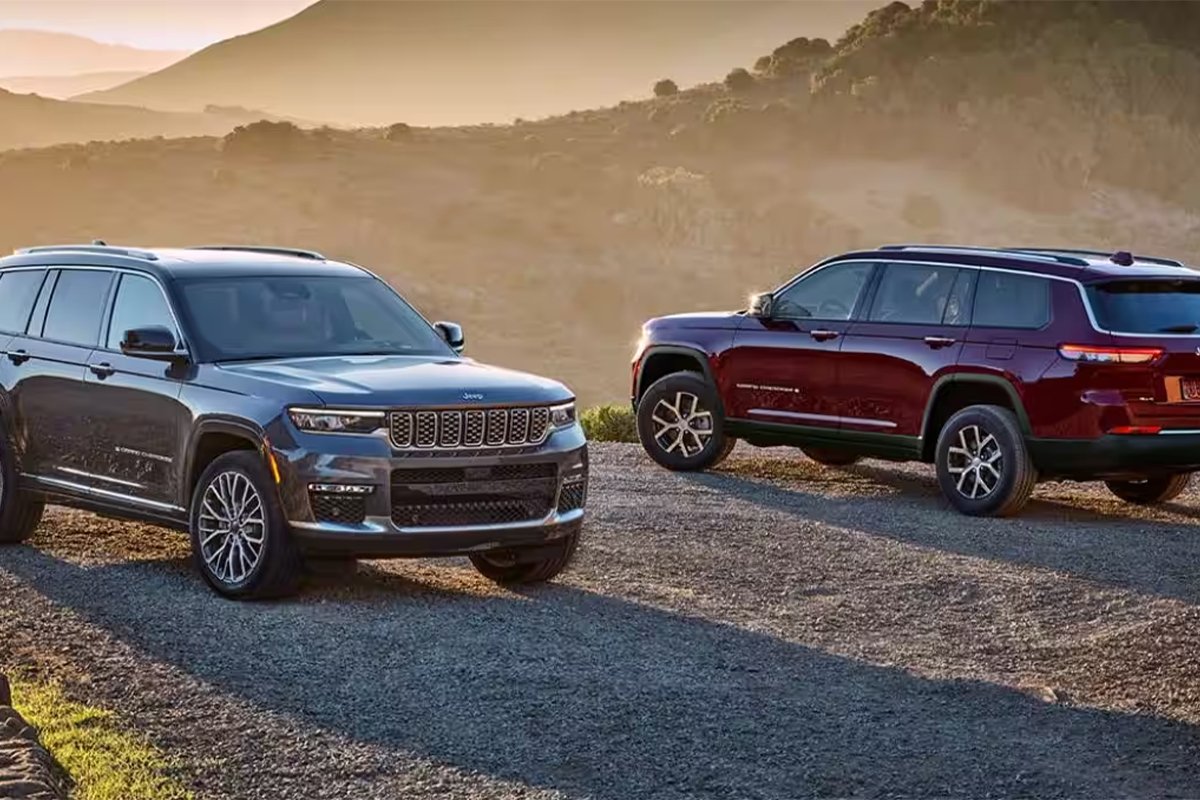
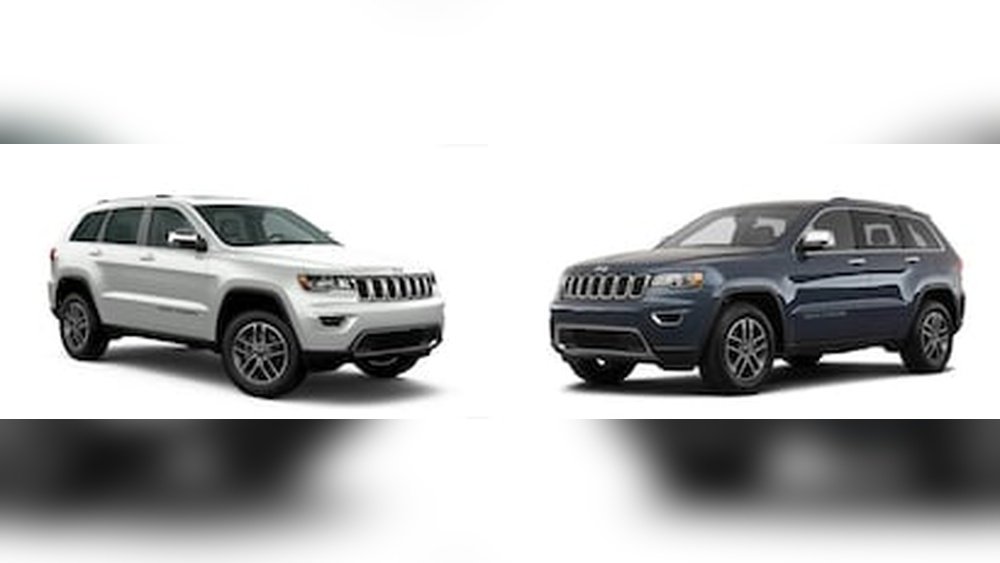
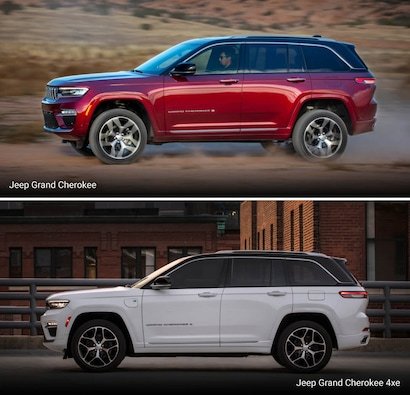
The Jeep Grand Cherokee has been a favorite among SUV lovers for years. When shopping for this vehicle, one important choice is between the 4X2 and 4X4 drive types. Both options look similar from the outside, but their performance, price, and purpose are quite different. Understanding these differences can help you make the best decision for your needs. People often underestimate how much these drive types affect daily driving, comfort, and even long-term costs. Whether you want a reliable family car or a rugged adventure vehicle, knowing what each system offers is essential.
What Do 4×2 And 4×4 Mean?
These numbers refer to the way the Jeep Grand Cherokee sends power to its wheels.
- 4X2: Power goes to only two wheels, usually the rear wheels.
- 4X4: Power goes to all four wheels, giving better grip and control.
This basic difference changes how the vehicle handles, especially in tough driving conditions. For example, a 4X4 Grand Cherokee can push or pull itself through mud and snow, while a 4X2 may struggle to move if one wheel slips.
Some drivers think 4X4 is only for off-roading, but it also helps in everyday situations like heavy rain or icy roads.
Another point beginners often miss is that modern 4X4 systems can automatically adjust power between wheels. This means you don’t always need to manually switch modes, making 4X4 easier to use than it was years ago.
Performance And Handling
Many buyers wonder which option gives better performance. The answer depends on where and how you plan to drive.
| Feature | Grand Cherokee 4X2 | Grand Cherokee 4X4 |
|---|---|---|
| Traction | Good on dry, paved roads | Excellent on slippery or uneven surfaces |
| Off-road ability | Limited | Strong |
| Handling | Stable for city/highway | Stable for any terrain |
- The 4X2 is perfect for daily driving, especially in cities and on highways.
- The 4X4 shines when roads are wet, snowy, or off-road.
Many beginners miss that 4X4 systems often add extra weight. This can slightly reduce acceleration compared to 4X2 models. For example, if you value smooth cornering and responsive steering, you may notice the 4X2 feels a bit lighter and easier to maneuver. However, the 4X4’s ability to keep traction on uneven roads can be a lifesaver when driving through rural areas or construction zones.
Another insight: with 4X4, you can take safer routes through rough patches or unpaved paths. Even if you never plan to go off-road, this added confidence can make long trips or family vacations less stressful.
Fuel Economy And Cost
Fuel economy is a big concern for many buyers. 4X2 models usually have better gas mileage because they are lighter and have fewer moving parts.
| Model | City MPG | Highway MPG | Starting Price (USD) |
|---|---|---|---|
| Grand Cherokee 4X2 | 19 | 26 | $38,000 |
| Grand Cherokee 4X4 | 18 | 25 | $40,000 |
- 4X2: Saves you money on gas and is usually cheaper to buy.
- 4X4: Costs more to buy and run because of extra technology and weight.
A common mistake is ignoring insurance costs. 4X4 models often have higher insurance rates due to their complex parts and off-road potential. Also, resale value can differ. Some buyers pay more for used 4X4 models, but only if they live in areas with tough weather or rough roads.
Another practical tip: If you plan to keep your Jeep for many years, think about total cost—not just the price at the dealership. Factor in fuel, repairs, insurance, and potential resale value.
Safety Features
Safety is another area where these two models differ.
- 4X4 offers more control in bad weather. If you live in a place with snow, heavy rain, or mud, the extra grip can be a lifesaver.
- 4X2 is still safe, but its control is best on dry pavement.
Both versions include standard safety features like airbags, ABS brakes, and stability control. But the real difference comes during emergencies on slippery roads.
For example, sudden stops or quick turns in rain can be safer with 4X4. Some advanced 4X4 systems also have hill descent control, making steep slopes less risky.
One detail many forget: if you drive in areas with steep hills or winding mountain roads, 4X4 can help keep your vehicle stable and prevent sliding. This is especially useful for families or anyone who values extra safety.

Off-road Capabilities
If you plan to take your Jeep off the beaten path, the 4X4 is the clear winner.
- 4X4 models have special systems like Quadra-Trac or Quadra-Drive for tough terrain.
- They handle rocks, mud, and steep hills easily.
Many people think 4X2 can handle simple dirt roads, but it is not designed for real off-roading. You risk getting stuck or damaging your vehicle.
For example, if you try to cross deep sand or muddy fields, the 4X2 may lose traction and require towing.
A smart tip: Even if you only go off-road once a year, the 4X4’s extra features can be worth it. You’ll avoid getting stranded and enjoy more freedom. Another insight: some 4X4 models include adjustable ride height or special tires, making rough trails easier and more comfortable.
Maintenance And Reliability
Maintaining a Jeep Grand Cherokee is important for long-term reliability.
| Aspect | 4X2 | 4X4 |
|---|---|---|
| Maintenance Cost | Lower | Higher |
| Parts Complexity | Simple | Complex |
| Potential Repairs | Fewer | More |
- 4X2 models are easier and cheaper to repair because they have fewer moving parts.
- 4X4 systems may need more attention, especially if used for heavy off-roading.
One insight many miss: using a 4X4 for normal city driving does not harm the system, but regular off-road trips increase maintenance needs. For example, after driving through mud or water, it’s wise to check the undercarriage and suspension. Small issues can become expensive if ignored.
Another example: 4X4 systems need special fluids and regular inspections. If you delay maintenance, repairs can be costly. Always follow the service schedule, especially if you use your Jeep in rough conditions.
Which One Should You Choose?
Your lifestyle is the key factor.
- Choose 4X2 if you drive mostly on paved roads, want better gas mileage, and prefer lower costs.
- Choose 4X4 if you need to tackle rough weather, plan to go off-road, or want extra peace of mind.
Some buyers think buying 4X4 means they must use it off-road, but you can use it for extra safety in city driving too. For families, having 4X4 can mean fewer worries during winter storms or unexpected road hazards.
For more details on Jeep’s drive systems, check the official Jeep Grand Cherokee site. The site explains all the latest features, including drive modes and technology updates.
Frequently Asked Questions
What Is The Main Difference Between 4×2 And 4×4?
The main difference is which wheels get power. 4X2 sends power to only two wheels, while 4X4 sends power to all four wheels. This changes traction and handling.
Is 4×4 Always Better Than 4×2?
No, 4X4 is better for slippery, rough, or off-road conditions. But 4X2 is better for city and highway driving, offering lower costs and better fuel economy.
Can I Drive A 4×4 Grand Cherokee In The City?
Yes, the 4X4 works well in the city. You do not need to go off-road to enjoy its benefits. It offers extra safety in rain or snow.
Does 4×4 Require More Maintenance?
Yes, the 4X4 system has more parts and may need more repairs, especially if used off-road. 4X2 is simpler and cheaper to maintain.
Is Insurance Higher For 4×4 Models?
Usually, insurance costs are higher for 4X4 models. This is because they have more complex parts and are often used in riskier situations.
Choosing between the Jeep Grand Cherokee 4X2 and 4X4 depends on your needs, budget, and driving habits. Both are strong vehicles, but understanding their differences will help you get the best value and performance for your lifestyle.
With the right choice, your Jeep Grand Cherokee will be a reliable companion for years, no matter where you drive.