Jeep Fuel System Fuel Pump Vs Sending Unit
Many Jeep owners hear about the fuel pump and fuel sending unit but do not fully understand their differences. Both are found inside your Jeep’s gas tank. Both are important for your Jeep to run properly. However, they do very different jobs. If you ever face fuel issues or think about replacing parts, knowing the difference will save you time and money.
What Does The Fuel Pump Do?
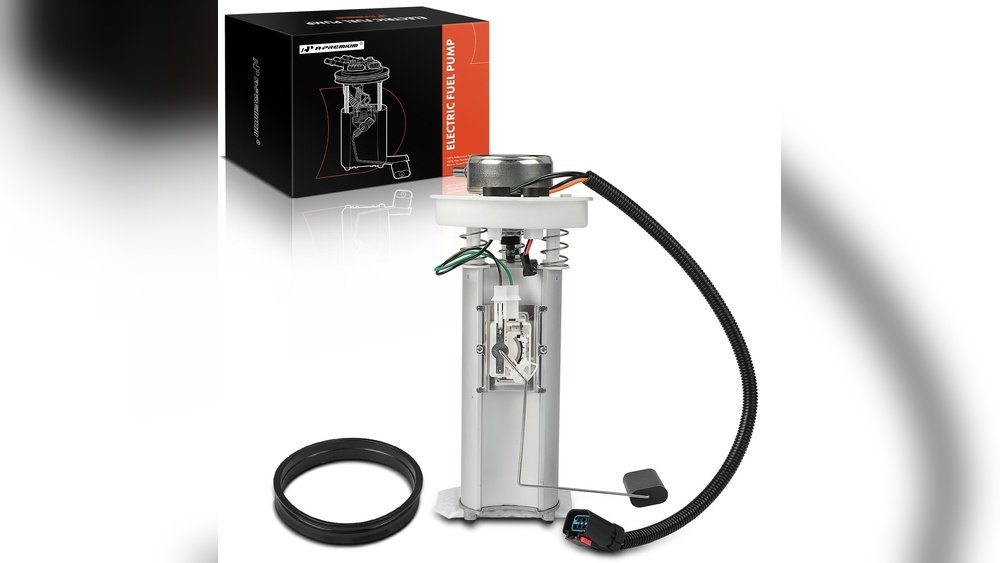
The fuel pump is the “heart” of your Jeep’s fuel system. Its main job is to move gasoline from the tank to the engine. Without the fuel pump, your engine cannot get the fuel it needs to run.
Modern Jeeps use electric fuel pumps. These pumps are mounted inside the fuel tank. When you turn the key, the pump starts. It pushes fuel through the fuel lines, past the fuel filter, and finally to the engine’s injectors.
A few facts:
- Most Jeep fuel pumps operate at pressures between 45-60 psi.
- If the pump fails, the engine may crank but will not start.
- Bad pumps can cause stalling, rough running, or long cranking times.
What Is The Fuel Sending Unit?
The fuel sending unit is like the “fuel level sensor.” Its job is to tell you how much gas is in the tank. The sending unit has a float (like a fishing bobber) attached to a metal arm. As fuel goes up or down, the float moves. This changes the position of the arm, which changes the electrical signal sent to the fuel gauge on your dash.
Key details:
- If your fuel gauge always reads “empty” or “full,” the sending unit is likely the problem.
- The sending unit does not affect how your Jeep drives.
- Many Jeep models combine the sending unit and fuel pump into one assembly.
Key Differences: Fuel Pump Vs Sending Unit
It’s easy to mix up these two parts because they are both in the fuel tank and sometimes sold together. Here’s a side-by-side comparison to clear things up:
| Feature | Fuel Pump | Sending Unit |
|---|---|---|
| Main Function | Moves fuel to engine | Measures fuel level |
| Effect on Driving | Engine will not run if bad | Only affects fuel gauge reading |
| Location | Inside fuel tank | Inside fuel tank |
| Common Symptoms When Failing | Stalling, hard start | Fuel gauge stuck or inaccurate |
Common Problems And Diagnosis
Many Jeep owners confuse fuel pump and sending unit symptoms. Here are practical examples:
- Jeep won’t start, but cranks: Often a failed fuel pump.
- Fuel gauge stuck on empty/full: Usually the sending unit.
- Stalling when hot: Could be a weak fuel pump.
- Inaccurate gauge after fill-up: Likely a sending unit issue.
A quick check: When you turn your Jeep’s key to “ON,” listen near the fuel tank. A faint “whirring” sound means the pump is running.
Replacement: What To Know
Changing a fuel pump or sending unit requires dropping the fuel tank. This job can take 2-4 hours for a DIYer. Always relieve fuel pressure before starting.
Combined Units
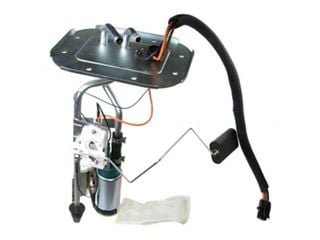
On most modern Jeeps (like the Wrangler JK or Grand Cherokee), the fuel pump and sending unit are part of a single module. That means you replace both, even if only one fails.
Standalone Units
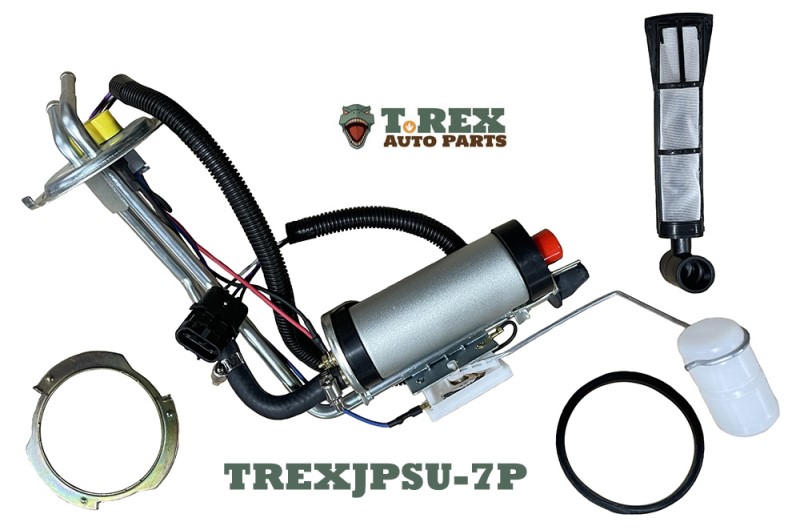
Older Jeeps (like the Cherokee XJ) sometimes have separate pump and sending units. It’s important to check your Jeep’s year and model.
Cost Comparison
How much will you spend to fix these parts? Here’s a quick look:
| Part | Average Cost (Part Only) | Labor (Estimated) |
|---|---|---|
| Fuel Pump | $100–$400 | $200–$400 |
| Sending Unit | $50–$200 | $150–$350 |
| Combined Assembly | $150–$600 | $200–$400 |
Prices change based on Jeep model, location, and if you use OEM or aftermarket parts.
Practical Tips Before Replacing
- Diagnose carefully: Don’t guess. Wrong diagnosis wastes time and money.
- Check wiring and fuses: Sometimes, a bad wire or blown fuse is the cause.
- Buy the right part: Use your VIN to match the exact assembly.
- Replace the fuel filter: Always do this when changing the pump. Clogged filters stress the pump.
- Work safely: Gasoline is dangerous. Disconnect the battery and work in a well-ventilated area.
Two Non-obvious Insights
- Low fuel level kills pumps: Running your Jeep often with less than 1/4 tank can overheat and wear out the pump faster. The pump uses gasoline for cooling and lubrication.
- Aftermarket assemblies vary: Many cheaper fuel pump/sending unit combos have poor float designs. This can cause your fuel gauge to read wrong, even if the pump works fine. Always check reviews before buying.
When To Replace Each Part
Replace the fuel pump when:
- The engine cranks, but there’s no fuel pressure.
- Jeep stalls randomly and will not restart.
- You do not hear the pump “prime” when turning the key.
Replace the sending unit when:
- The fuel gauge is always stuck.
- The gauge shows empty after filling up.
- You are sure the wiring and gauge are good.
Real-world Example
A 2012 Jeep Wrangler driver notices his Jeep stalls at random times, and the gauge sometimes reads “empty” even after a full tank. After testing, he finds that the pump sometimes fails and the sending unit float is sticking.
He chooses to replace the whole assembly, which solves both problems.
More Resources
To learn more about how fuel systems work, see the Wikipedia page on fuel pumps.
Frequently Asked Questions
What Happens If My Jeep Fuel Pump Fails?
If the fuel pump fails, your Jeep will not start or run. The engine will crank, but no fuel reaches the engine.
Can I Replace Just The Sending Unit Without Changing The Fuel Pump?
On some older Jeeps, yes. On most modern Jeeps, the fuel pump and sending unit are one assembly, so you change both together.
How Do I Know If My Fuel Sending Unit Is Bad?
If your fuel gauge does not move, always reads empty or full, or acts strangely after filling up, the sending unit is probably bad.
Is It Safe To Drive With A Bad Sending Unit?
Yes, but you will not know your true fuel level. This can lead to running out of gas unexpectedly.
How Long Does A Jeep Fuel Pump Usually Last?
A typical Jeep fuel pump can last 100,000 to 150,000 miles if you keep the tank above 1/4 full and change the fuel filter as needed.