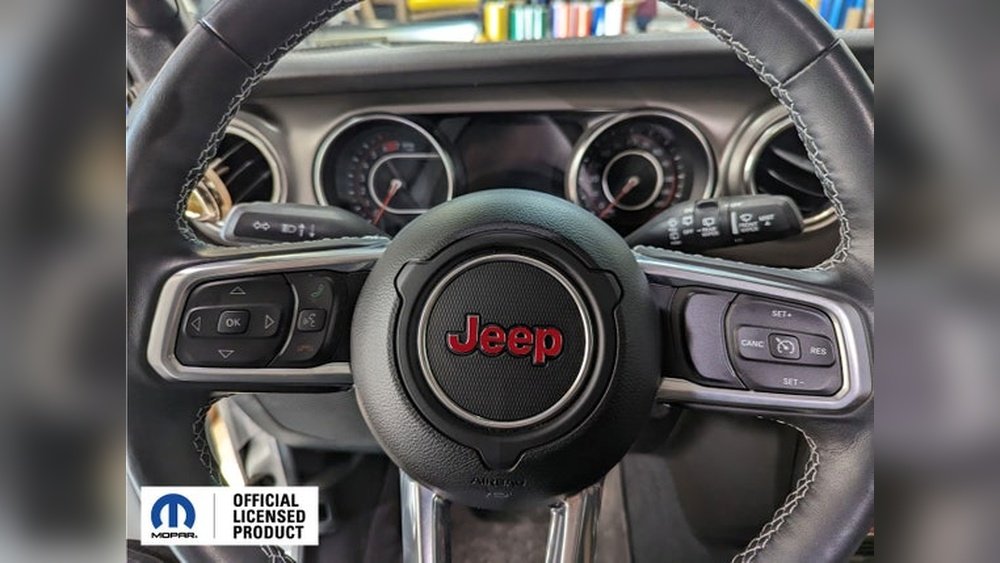
Your Jeep’s engine light just came on, and now you’re wondering what it means. Should you panic?
Can you keep driving? Ignoring that little warning can lead to bigger problems, but sometimes the fix is simpler than you think.
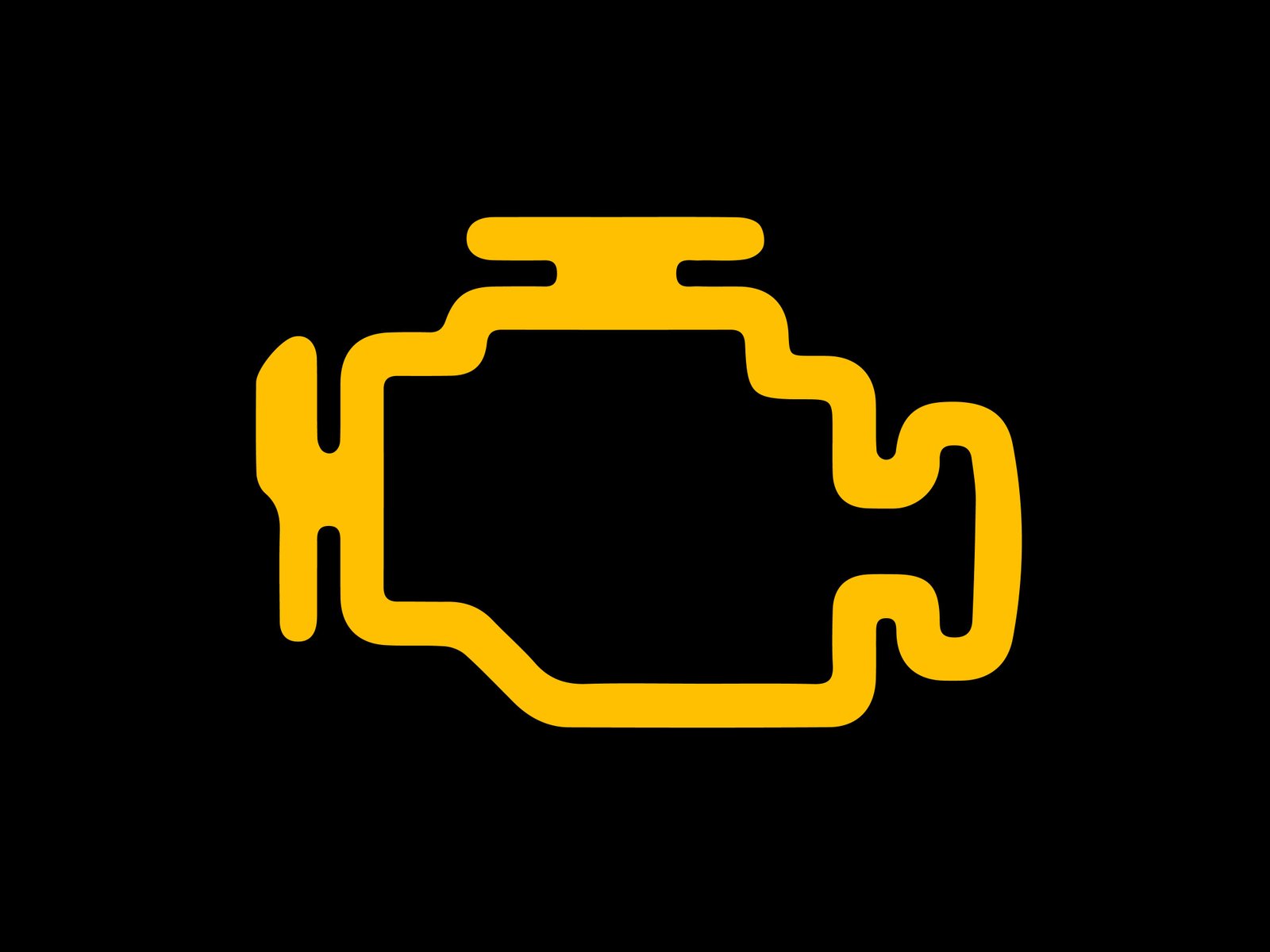
This light is your Jeep’s way of telling you something needs attention whether it’s a loose gas cap or a more serious engine issue.
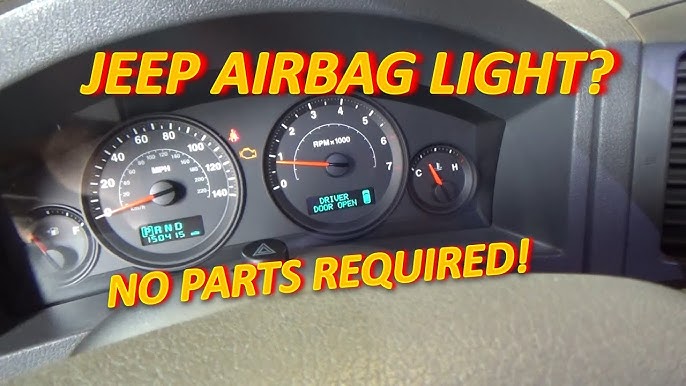
You’ll discover what your Jeep engine light really means, the most common reasons it turns on, and what steps you should take next. Keep reading to protect your Jeep and avoid costly repairs down the road.
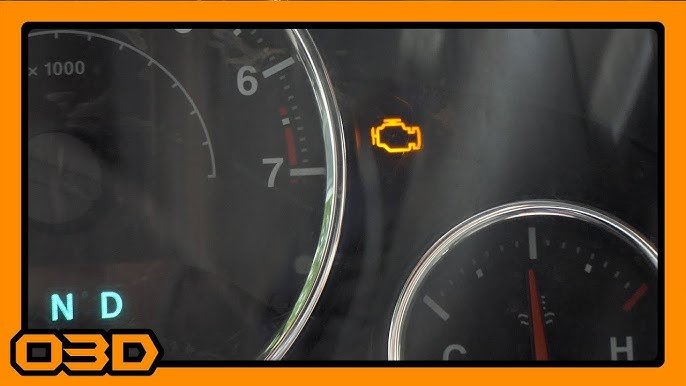
Common Engine Light Causes
The Jeep engine light signals trouble in your vehicle’s engine or emission system. It can turn on for many reasons, from minor to serious issues.
Knowing common causes helps you decide the next step. Addressing problems early can save money and prevent breakdowns.
Loose Or Damaged Gas Cap
A loose or damaged gas cap is a frequent cause of the engine light. It allows fuel vapors to leak, triggering the warning.
Tighten the cap firmly or replace it if broken. This simple fix often turns off the light quickly.
Faulty Oxygen Sensor
The oxygen sensor measures oxygen in the exhaust. A faulty sensor sends wrong data to the engine’s computer.
This affects fuel mixture and increases emissions. Replacing the sensor can improve fuel economy and clear the engine light.
Bad Catalytic Converter
The catalytic converter reduces harmful gases from the engine. A bad converter can cause poor engine performance and higher emissions.
The engine light will stay on if the converter is clogged or damaged. Fixing it requires professional help.
Worn Spark Plugs
Worn or dirty spark plugs cause weak engine sparks. This leads to rough idling, misfires, and poor fuel efficiency.
Changing spark plugs regularly keeps the engine running smoothly. It also helps turn off the engine light.
Engine Misfires
Engine misfires happen when fuel does not burn properly in the cylinders. Causes include bad spark plugs, ignition coils, or fuel issues.
Misfires reduce power and increase emissions. The engine light warns you about this problem early.
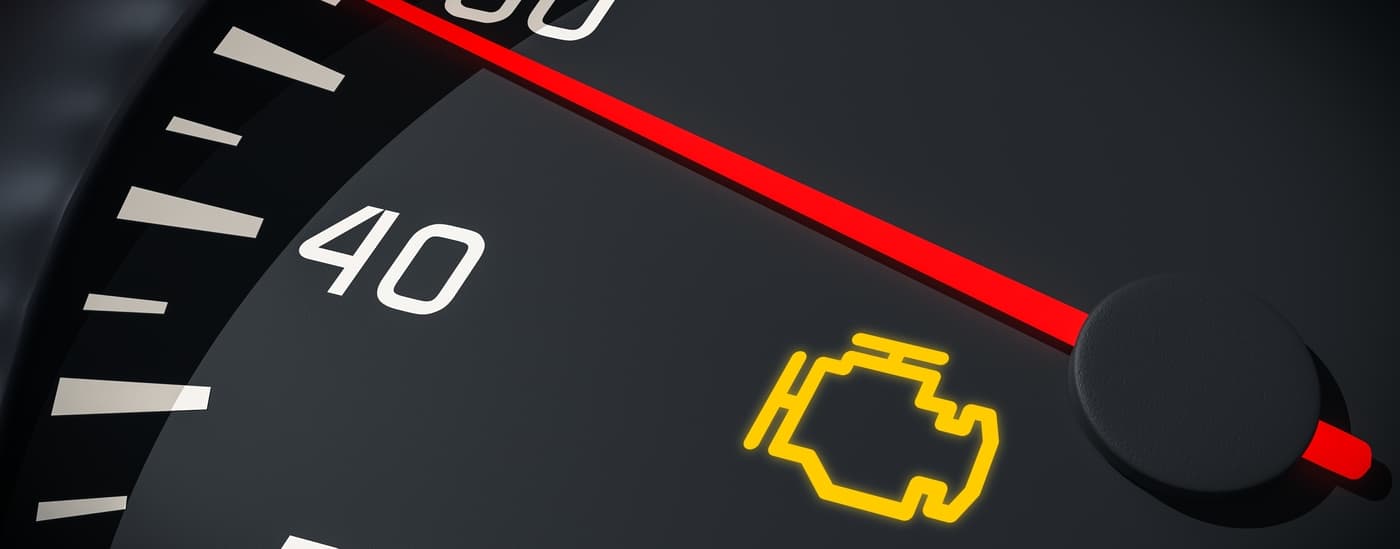
Signs Behind Different Light Patterns
The Jeep engine light uses different patterns to communicate issues. Each pattern signals a specific type of problem.
Recognizing these signs helps you decide the right action. The light can be steady or flashing.
Each pattern has a different meaning for your Jeep’s health.
Steady Light Meaning
A steady engine light means your Jeep’s computer found a problem. It may not be urgent but needs attention.
Common causes include a loose gas cap or a faulty sensor. Your Jeep can usually be driven safely with a steady light.
Still, you should check the issue soon to avoid bigger repairs.
This light signals that the engine runs but something is wrong. It helps prevent more serious damage if you act early.
Ignoring it might cause poor fuel economy or higher emissions. Simple fixes like tightening the gas cap can turn the light off.
Flashing Light Dangers
A flashing engine light means a severe problem. It often points to engine misfires or serious faults.
Driving with a flashing light can damage your Jeep’s engine. Stop driving immediately to avoid costly repairs.
The flashing pattern warns that your engine is at risk. It needs urgent service from a mechanic.
Continuing to drive can cause overheating or failure of key parts. Always treat a flashing light as an emergency to protect your Jeep.
Simple Fixes You Can Try
The Jeep engine light can turn on for many reasons. Some issues are small and easy to fix.
Trying simple solutions first may save time and money. These quick fixes can often solve the problem without a visit to the mechanic. easy steps to try.
Tightening Or Replacing Gas Cap
A loose gas cap is a common cause of the engine light. It allows fuel vapors to escape, triggering the sensor.
Check the gas cap and tighten it firmly. If the cap is cracked or damaged, replace it with a new one.
This simple fix can turn off the engine light quickly.
Replacing Spark Plugs
Worn or faulty spark plugs affect engine performance. They can cause misfires and trigger the engine light.
Remove old spark plugs and replace them with new ones. Use the correct type for your Jeep model.
New spark plugs help the engine run smoothly and may clear the light.
Checking And Replacing Hoses
Hoses connect important engine parts and carry fluids or air. Cracked or broken hoses can cause leaks and engine problems.
Inspect the hoses carefully for damage or wear. Replace any damaged hoses with proper parts.
Fixing hoses can stop the engine light from coming on.
Resetting The Engine Light
Sometimes, the engine light stays on after fixing the issue. Resetting the light can help.
You can use an OBD-II scanner to clear the code. Disconnecting the battery for a few minutes may also reset the light.
After resetting, drive your Jeep to see if the light stays off.
When To Drive And When To Stop
The Jeep engine light can signal different issues. Knowing when to keep driving or stop is important for safety and vehicle health.
Some problems allow you to drive safely. Others need urgent attention to avoid damage or danger.
Safe To Drive Conditions
A steady engine light usually means a minor issue. Examples include a loose gas cap or a small sensor fault.
These problems rarely cause immediate harm. You can drive your Jeep carefully to a mechanic.
Watch for other signs like unusual noises or smells. If the Jeep runs normally, short trips are okay.
Urgent Repair Warnings
A flashing engine light means a serious problem. It often signals engine misfires that can cause damage.
Stop driving as soon as it is safe. Continuing can harm the engine or catalytic converter.
Also, strange noises, smoke, or loss of power are urgent warnings. Pull over and call for help or a tow.
Ignoring these signs risks costly repairs and safety hazards.
Using Diagnostic Tools
Using diagnostic tools is the first step to understand why your Jeep’s engine light is on. These tools connect to your vehicle’s system and read the stored trouble codes.
They give clear information about what might be wrong. This helps avoid guesswork and saves time and money on repairs.
Diagnostic tools come in different types, from simple code readers to advanced scanners. Each tool provides useful data to help identify the issue quickly.
Learning how to use these devices can make a big difference in vehicle maintenance.
Code Readers And Scanners
Code readers are basic tools that display error codes from your Jeep’s engine control unit. They are affordable and easy to use.
Simply plug the reader into the OBD-II port, usually located under the dashboard, and turn on the ignition.
Scanners offer more detailed information than code readers. They can show live data, freeze frame data, and sometimes allow you to clear codes.
This helps in diagnosing problems beyond just the error code. Scanners are useful for both beginners and experienced users.
Interpreting Error Codes
Error codes are a combination of letters and numbers that point to specific issues. For example, a code starting with “P” relates to the powertrain, which includes the engine and transmission.
Each code has a unique meaning that can be looked up in the tool’s manual or online database.
Understanding these codes helps you decide the next step. Some problems may be simple fixes, like tightening the gas cap.
Others might need professional attention, like a faulty oxygen sensor. Interpreting codes correctly prevents unnecessary repairs and keeps your Jeep running smoothly.
Preventing Future Engine Light Issues
Keeping your Jeep’s engine light off saves time and money. Preventing future engine light issues starts with simple care routines.
These steps help your Jeep run smoothly. They reduce the chance of unexpected breakdowns or costly repairs.
Focus on regular care, fuel system health, and sensor checks. These areas often cause engine light problems.
Regular Maintenance Tips
Check your Jeep’s oil and fluid levels often. Change oil and filters on time.
Replace air filters to keep the engine clean. Follow the service schedule in your owner’s manual.
Keep tires properly inflated for better engine performance. Regular tune-ups catch small problems early. This reduces engine stress and error codes.
Fuel System Care
Use high-quality fuel to protect the engine. Fill up before the tank gets too low.
Replace the fuel filter as recommended. Clean fuel injectors to maintain smooth fuel flow.
Avoid letting water or dirt enter the fuel system. Proper fuel care helps avoid engine misfires and light warnings.
Sensor Inspections
Many engine light issues come from faulty sensors. Check oxygen sensors, mass airflow sensors, and others regularly.
Replace sensors that show wear or damage. Clean sensor connectors to prevent poor signals.
Good sensor health keeps the engine running correctly. It stops false error signals that trigger the light.
Conclusion
The Jeep engine light signals your vehicle needs attention. Don’t ignore this warning.
Simple issues like a loose gas cap can cause it. More serious problems might affect engine performance.
Getting a quick diagnosis saves time and money. Drive carefully and get help if the light flashes.
Regular maintenance keeps your Jeep running smoothly. Stay aware and act promptly to avoid bigger repairs.
Your Jeep will thank you with better reliability.