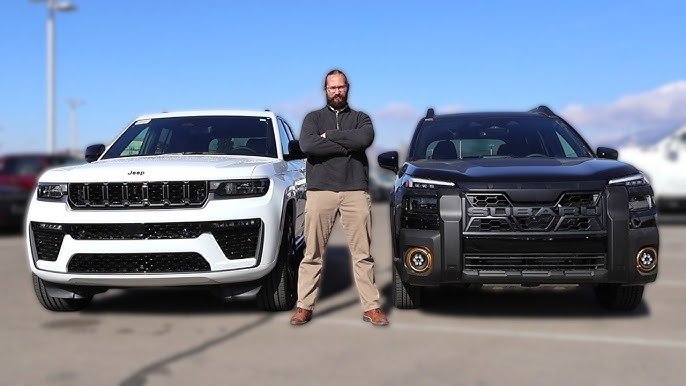
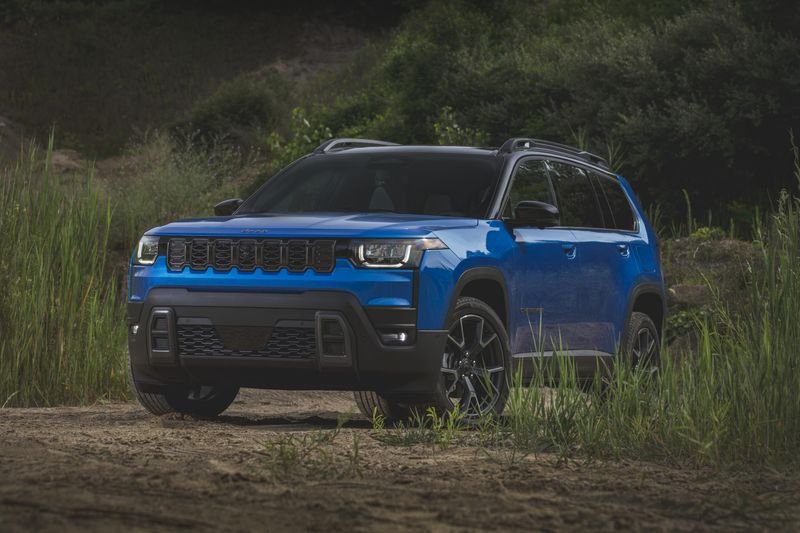
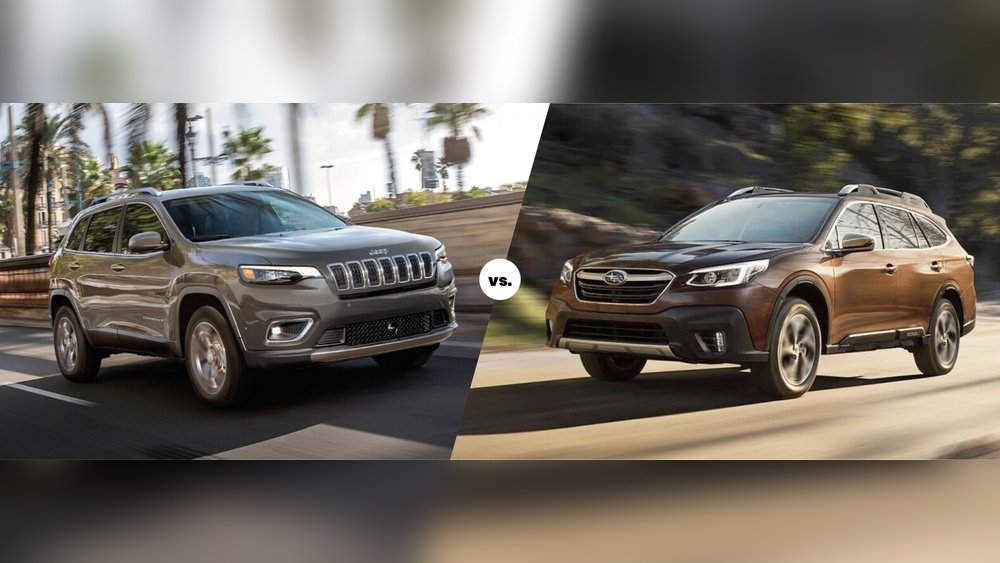
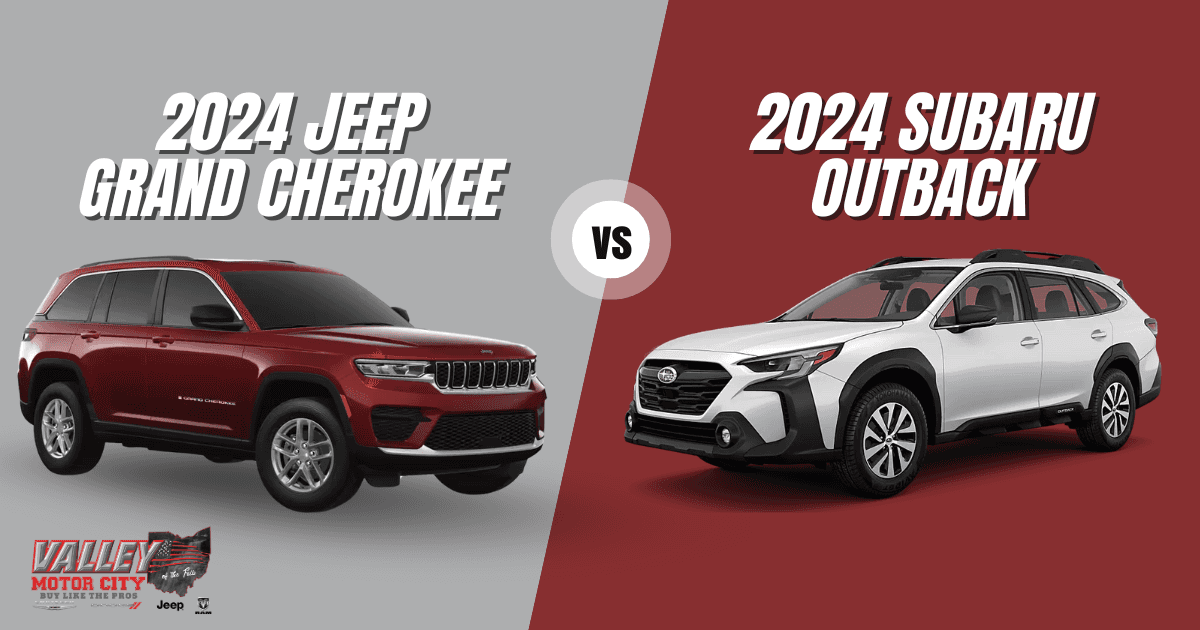
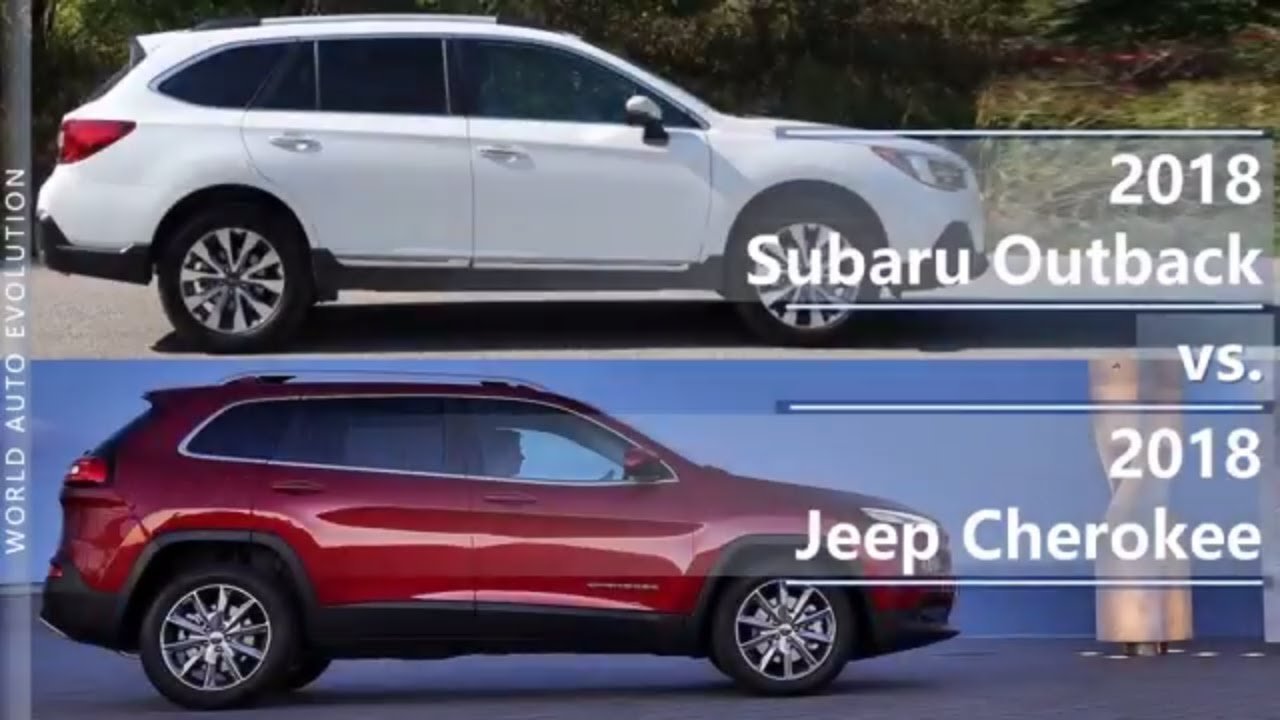
The Jeep Cherokee and Subaru Outback are two of the most popular choices for drivers who want a reliable, flexible, and adventure-ready vehicle. Both have strong reputations for handling rough roads, carrying families, and offering good value.
But which one fits your needs best? Let’s dive deep and compare these two vehicles from the perspective of features, performance, safety, and real-world ownership.
Performance And Handling
If you care about how your car feels on the road or off it, performance is a key factor.
| Model | Engine Options | Horsepower | Drivetrain |
|---|---|---|---|
| Jeep Cherokee | 2.4L I4, 3.2L V6 | 180–271 hp | FWD/4WD |
| Subaru Outback | 2.5L I4, 2.4L Turbo | 182–260 hp | AWD |
The Jeep Cherokee stands out for its off-road abilities. The available 4WD systems and the Trailhawk trim make it a favorite for drivers who want to tackle mud, snow, or rocky paths. Its V6 engine delivers extra power for towing and climbing tough hills.
The Subaru Outback is famous for its standard all-wheel drive. This means every Outback, not just special trims, can handle slippery roads. The turbocharged option gives a nice boost, but the Outback is more tuned for smooth driving and light off-roading. For most people, the Outback’s ride feels more comfortable and controlled on highways.
Interior Comfort And Space
You spend most of your time inside your car, so comfort and roominess matter.
| Model | Cargo Space (cu ft) | Passenger Volume (cu ft) | Infotainment Screen |
|---|---|---|---|
| Jeep Cherokee | 25.8 | 128 | 8.4″ |
| Subaru Outback | 32.5 | 109 | 11.6″ |
The Subaru Outback offers more cargo space and a bigger infotainment screen. This makes it great for families, travelers, and anyone needing to carry bikes, luggage, or camping gear. The seats are comfortable, and there’s plenty of legroom in both rows.
The Jeep Cherokee is a bit smaller inside but still fits five adults. The materials feel solid, and the controls are simple to use. One insight many overlook: the Cherokee has more passenger volume, which means more headroom and shoulder space, even if the cargo area is smaller.
Safety Features
Safety is often the top concern for buyers, especially families.
| Model | Standard Safety Features | IIHS Rating | NHTSA Rating |
|---|---|---|---|
| Jeep Cherokee | Automatic Emergency Braking, Lane Departure Warning | Good | 4 stars |
| Subaru Outback | EyeSight Driver Assist, Adaptive Cruise Control | Top Safety Pick+ | 5 stars |
The Subaru Outback wins in safety. It gets a Top Safety Pick+ from IIHS and a 5-star NHTSA rating. Its EyeSight system uses cameras for lane keeping, automatic braking, and adaptive cruise. Most Subaru buyers mention feeling safer, especially in bad weather.
The Jeep Cherokee also has strong safety features, but some advanced aids are only available in higher trims. It scores “Good” in crash tests but doesn’t reach the Outback’s highest marks.
Fuel Economy And Costs
How much you pay for gas and maintenance adds up over years of ownership.
- Jeep Cherokee: 22–31 mpg (depending on engine and trim)
- Subaru Outback: 26–33 mpg (depending on engine)
The Outback is more efficient, especially in city driving. This matters if you drive long distances or commute every day. The Cherokee’s V6 uses more fuel, especially when towing or off-roading.
For maintenance, Subaru models often have lower repair costs and longer-lasting parts. Jeep Cherokees may need more frequent service, especially if used for rugged adventures. One non-obvious insight: Subaru’s AWD system has fewer moving parts than Jeep’s complex 4WD, making it easier and cheaper to maintain.
Real-world Ownership Experience
What is it like to live with these cars every day?
Jeep Cherokee
- Best for: Adventurers, off-road lovers, towing trailers
- Unique Strength: Trailhawk trim can handle tough terrain most crossovers cannot
- Weakness: Smaller cargo space, higher fuel costs
Subaru Outback
- Best for: Families, outdoor hobbyists, commuters
- Unique Strength: Spacious interior and cargo, great safety, reliable AWD
- Weakness: Less powerful for towing, not as rugged for extreme off-roading
Many drivers find the Outback easier to drive in cities and suburbs. The Outback’s lower ground clearance compared to the Cherokee Trailhawk is enough for most dirt roads but not true rock crawling.
Pricing And Value
Both vehicles have a range of trims, from basic to luxury. Here’s a quick look:
- Jeep Cherokee: Starts around $31,000, can reach $40,000+ for Trailhawk or Limited
- Subaru Outback: Starts around $28,000, goes up to $42,000 for Touring XT
Resale value is another point to consider. Subarus tend to keep their value longer, especially the Outback.
Jeep Cherokees can lose value faster, especially if heavily used off-road.
Which Should You Choose?
Think about your main needs:
- If you want a rugged off-road SUV that can tow and climb, the Jeep Cherokee is your best bet.
- If you want a safe, spacious, and fuel-efficient crossover for family trips and commuting, the Subaru Outback stands out.
Don’t forget: test driving both will show you what feels right. Small details like seat comfort, visibility, and tech controls are hard to judge on paper.
For more detailed specs and real owner reviews, check the official sites or trusted sources like Consumer Reports.
Frequently Asked Questions
<!– wp:rank-math/faq-block {"questions":[{"id":"faq-question-237cd2eada95","title":"Is The Jeep Cherokee Better For Off-road Driving?","content":"Yes. The Cherokee Trailhawk trim is built for tough terrain, with extra ground clearance, skid plates, and advanced 4WD. The Outback can handle rough roads but isn’t designed for deep mud or rocks.
“,”visible”:true},{“id”:”faq-question-9093d74c149d”,”title”:”Which Car Is Safer For Families?”,”content”:”The Subaru Outback is safer overall. It has more standard safety features and the highest ratings from IIHS and NHTSA.
“,”visible”:true},{“id”:”faq-question-3d99f85344d0″,”title”:”How Does Fuel Economy Compare?”,”content”:”The Outback is more efficient, getting up to 33 mpg. The Cherokee ranges from 22 to 31 mpg, with the V6 using more fuel.
“,”visible”:true},{“id”:”faq-question-0baf119b42b0″,”title”:”Are Both Vehicles Good For Winter Driving?”,”content”:”Both are strong in winter. The Outback’s AWD is standard and works well in snow. The Cherokee’s 4WD is excellent, but only available on certain trims.
“,”visible”:true},{“id”:”faq-question-62b1fa12f6f0″,”title”:”Which Has Better Resale Value?”,”content”:”The Subaru Outback keeps its value longer, especially if maintained well. The Cherokee may lose value faster, especially if used for heavy off-roading.
Both the Jeep Cherokee and Subaru Outback offer unique strengths. Your choice depends on whether you need serious off-road power or a safer, roomier family vehicle.
Consider your daily needs, budget, and driving style before making a final decision.
“,”visible”:true}]} –>Is The Jeep Cherokee Better For Off-road Driving?
Yes. The Cherokee Trailhawk trim is built for tough terrain, with extra ground clearance, skid plates, and advanced 4WD. The Outback can handle rough roads but isn’t designed for deep mud or rocks.
Which Car Is Safer For Families?
The Subaru Outback is safer overall. It has more standard safety features and the highest ratings from IIHS and NHTSA.
How Does Fuel Economy Compare?
The Outback is more efficient, getting up to 33 mpg. The Cherokee ranges from 22 to 31 mpg, with the V6 using more fuel.
Are Both Vehicles Good For Winter Driving?
Both are strong in winter. The Outback’s AWD is standard and works well in snow. The Cherokee’s 4WD is excellent, but only available on certain trims.
Which Has Better Resale Value?
The Subaru Outback keeps its value longer, especially if maintained well. The Cherokee may lose value faster, especially if used for heavy off-roading.
Both the Jeep Cherokee and Subaru Outback offer unique strengths. Your choice depends on whether you need serious off-road power or a safer, roomier family vehicle.
Consider your daily needs, budget, and driving style before making a final decision.