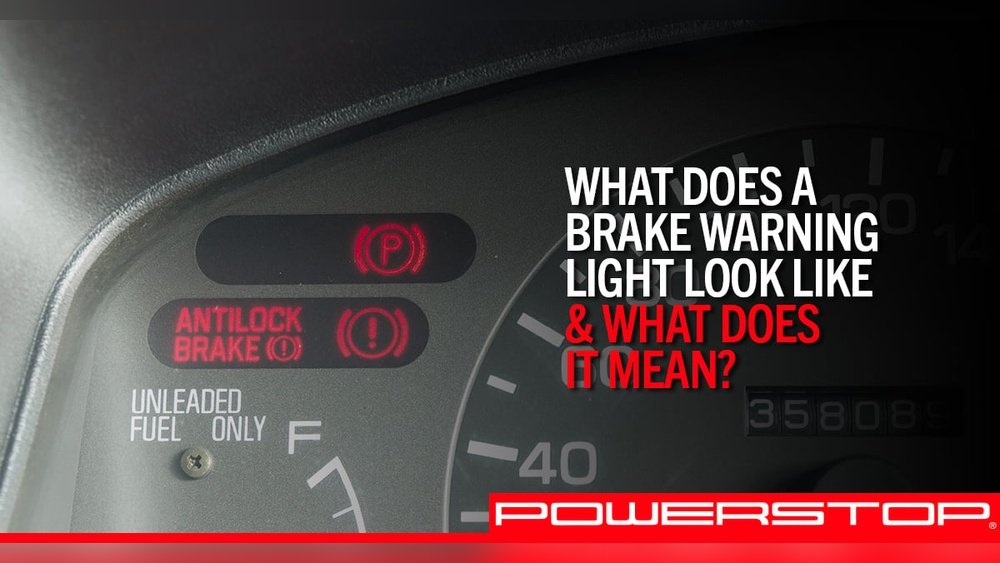
If your Jeep’s ABS light just won’t turn off, you’re probably wondering what’s going on and how to fix it fast. That little warning can be annoying and even a bit worrying, but you don’t have to stay stuck with it blinking on your dashboard.
Whether it’s a faulty sensor, a wiring issue, or something else, knowing how to turn off the ABS light on your Jeep can save you time, money, and stress.
In this guide, you’ll learn simple, practical steps to diagnose and reset that ABS light, so you can get back on the road with confidence.
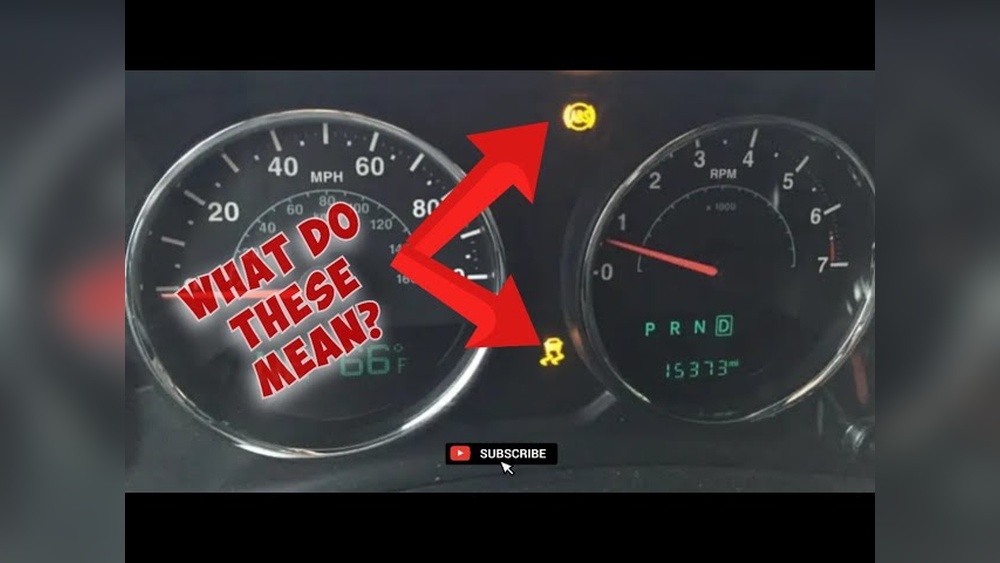
Keep reading your Jeep and your peace of mind depend on it.

Common Abs Light Causes
The ABS light on your Jeep signals an issue with the anti-lock braking system. Understanding common causes helps diagnose and fix the problem quickly. The light may come on due to sensor faults, pump issues, or wiring problems.
Faulty Wheel Speed Sensors
Wheel speed sensors track each wheel’s rotation. They send data to the ABS control module. Dirt, damage, or wear can cause sensor failure. A faulty sensor triggers the ABS light. Cleaning or replacing the sensor often solves the problem.
Damaged Abs Pump Or Module
The ABS pump controls brake pressure during stops. The module processes sensor signals. Damage or malfunction in either part can cause the ABS light to stay on. Repair or replacement may be necessary to restore proper function.
Wiring And Connector Issues
Wiring connects sensors, pump, and control module. Loose connectors, broken wires, or corrosion disrupt signals. These issues lead to ABS warning lights. Inspecting and fixing wiring restores communication within the system.
Brake Fluid And Sensor Contamination
Brake fluid leaks or dirt can contaminate sensors. Contamination affects sensor accuracy. This causes the ABS light to illuminate. Cleaning sensors and fixing leaks often clears the warning light.
Diagnosing Abs Light Problems
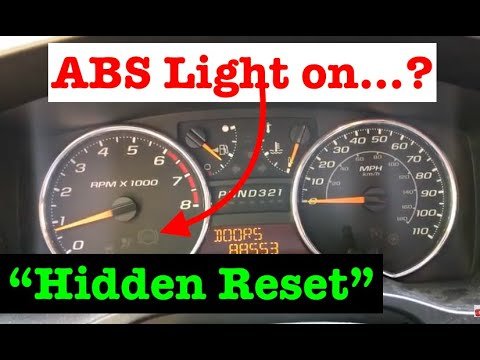
Quick ABS light fixes can save time and money. Many ABS light issues are simple to solve. Basic troubleshooting helps turn off the ABS warning fast. Some common problems involve sensors and wiring. These fixes often restore proper function without a visit to the shop.
Resetting The Abs System
Resetting the ABS system clears error codes. Start by turning the ignition on without starting the engine. Next, turn the steering wheel fully left, then fully right. Turn off the ignition and wait a few minutes. Restart the vehicle to check if the ABS light is off.
Cleaning Wheel Speed Sensors
Wheel speed sensors detect wheel rotation and can get dirty. Dirt or grease blocks their signals, causing the ABS light. Locate the sensors near each wheel hub. Clean them carefully with a soft brush and brake cleaner. Dry the sensors before testing the ABS system again.
Repairing Or Replacing Wiring
Damaged wiring often causes ABS light problems. Check wiring near the wheel sensors for cuts or corrosion. Repair minor damage with electrical tape or connectors. For severe damage, replace the wiring harness sections. Secure all connections tightly to ensure proper signal flow.
Replacing Faulty Sensors
Faulty wheel speed sensors trigger the ABS warning light. Use a diagnostic tool to identify the bad sensor. Remove the sensor carefully from the wheel hub. Install a new sensor that matches your Jeep model. Test drive the vehicle to confirm the ABS light turns off.
Quick Abs Light Fixes
Permanent ABS light solutions help fix ongoing issues causing the warning light. These methods address the root problems rather than just resetting the light. Fixing the source ensures the ABS light stays off and your Jeep remains safe on the road.
Replacing Abs Pump Or Module
The ABS pump or module may fail over time. Faulty parts cause the ABS light to stay on. Replacing the damaged pump or module can solve the problem. Use quality parts designed for your Jeep model. This replacement stops error codes and restores proper ABS function.
Professional Diagnostics And Repair
Specialized tools find precise ABS problems. Professionals read trouble codes with advanced scanners. They test sensors, wiring, and control units. Accurate diagnosis prevents unnecessary part replacements. Expert repairs ensure the ABS light turns off permanently.
Software Updates And Reprogramming
Jeep ABS systems sometimes need software updates. Manufacturers release updates to fix bugs and improve performance. Reprogramming the ABS control module clears glitches causing false warnings. Keeping your vehicle’s software current helps avoid ABS light issues.
Permanent Abs Light Solutions
The ABS light on your Jeep signals an issue with the anti-lock braking system. It may stay on even after the problem is fixed. Turning off the ABS light temporarily can help reset the system and clear minor faults. This step does not replace proper repairs but can assist in diagnosing or driving safely short-term.
Several methods exist to turn off the ABS light temporarily. Some are simple manual resets. Others require disconnecting the battery or using diagnostic tools. Each method works differently, so choose the one that suits your Jeep and tools available.
Manual Reset Procedures
Start by turning the ignition key to the “ON” position without starting the engine. Next, turn the steering wheel fully to the left, then fully to the right. After this, turn the ignition off and wait for a few seconds. Turn the ignition back on to check if the ABS light has reset.
This process helps clear some ABS sensor errors. It is a quick and easy way to reset the light without special tools. Note that this reset may not work if the fault is severe.
Disconnecting Battery Safely
Locate the negative terminal of your Jeep’s battery. Use a wrench to loosen the bolt and disconnect the cable carefully. Wait for about 15 minutes to let the vehicle’s computer reset. Reconnect the battery cable and tighten the bolt securely.
Turning the battery off resets the ABS module and clears codes temporarily. Be cautious not to touch both terminals together. This method also resets other electronic settings in your Jeep.
Using Diagnostic Tools To Clear Codes
Plug an OBD-II scanner into your Jeep’s diagnostic port, usually under the dashboard. Turn the ignition key to “ON” without starting the engine. Use the scanner to read ABS trouble codes and then select “Clear Codes” or “Erase Codes”.
This method directly communicates with the vehicle’s computer. It clears ABS codes and switches off the warning light quickly. Using a scanner helps identify specific faults for proper repair later.
Turning Off Abs Light Temporarily
The Anti-lock Braking System (ABS) helps prevent wheel lock during braking. Some Jeep owners consider disabling ABS to stop the warning light or for off-road use. Disabling the ABS system is a serious step. It affects how the brakes work and can impact vehicle safety.
Understanding the risks and methods is important. Also, legal rules apply to ABS modifications. This section explains what to expect when disabling ABS on your Jeep.
Risks Of Disabling Abs
Turning off ABS can increase stopping distance. Wheels may lock during hard braking. This loss of control raises the chance of accidents. ABS helps maintain steering control in emergencies. Without it, skidding is more likely on wet or icy roads.
Disabling ABS may also cause other warning lights to appear. It can affect the stability control system. Repair costs might rise if damage happens due to disabled ABS. Safety for the driver, passengers, and others on the road is at risk.
Methods To Disable Abs
One way to disable ABS is through the vehicle’s computer. Some use an OBD2 scanner or special software. This can turn off ABS electronically. Another method is to remove or disconnect ABS fuses or sensors. This may trigger warning lights and error codes.
Mechanically disconnecting ABS components is possible but not common. It requires advanced skills and tools. Jeep owners should know that these methods may not fully stop the ABS light. A diagnostic reset might be needed after changes.
Legal And Safety Considerations
In many places, disabling ABS is illegal. Vehicles must meet safety standards to be roadworthy. Disabling ABS can cause a failed inspection or fines. Insurance claims may be denied if an accident occurs with ABS off.
Consider the risks to your safety and others. It is best to fix ABS issues rather than disable the system. Always check local laws before making changes. Consulting a professional mechanic is recommended for advice.
Disabling Abs System
Preventing future ABS light issues on your Jeep helps avoid sudden problems and costly repairs. Taking simple steps keeps the ABS system working smoothly. Staying proactive extends your Jeep’s brake system life.
Regular Maintenance Tips
Check your brakes regularly for wear and damage. Replace brake pads and rotors on schedule. Use a scan tool to check ABS codes often. Clean brake parts to stop dirt buildup. Regular inspections catch problems early. Maintain proper brake fluid levels and replace fluid as needed.
Protecting Wheel Sensors
Wheel sensors detect wheel speed and send signals to ABS. Dirt, grease, or damage can cause sensor failure. Clean sensors carefully during brake service. Avoid getting grease or oil on sensor surfaces. Inspect sensor wiring for cracks or loose connections. Replace damaged sensors promptly to keep the system accurate.
Monitoring Brake System Health
Watch for signs of brake issues like noise or vibration. Test brake pedal feel and response often. Listen for unusual sounds when braking. Check for uneven brake wear or fluid leaks. Address any brake problems quickly to avoid triggering the ABS light. Healthy brakes support ABS function and ensure safety.
Preventing Future Abs Light Issues
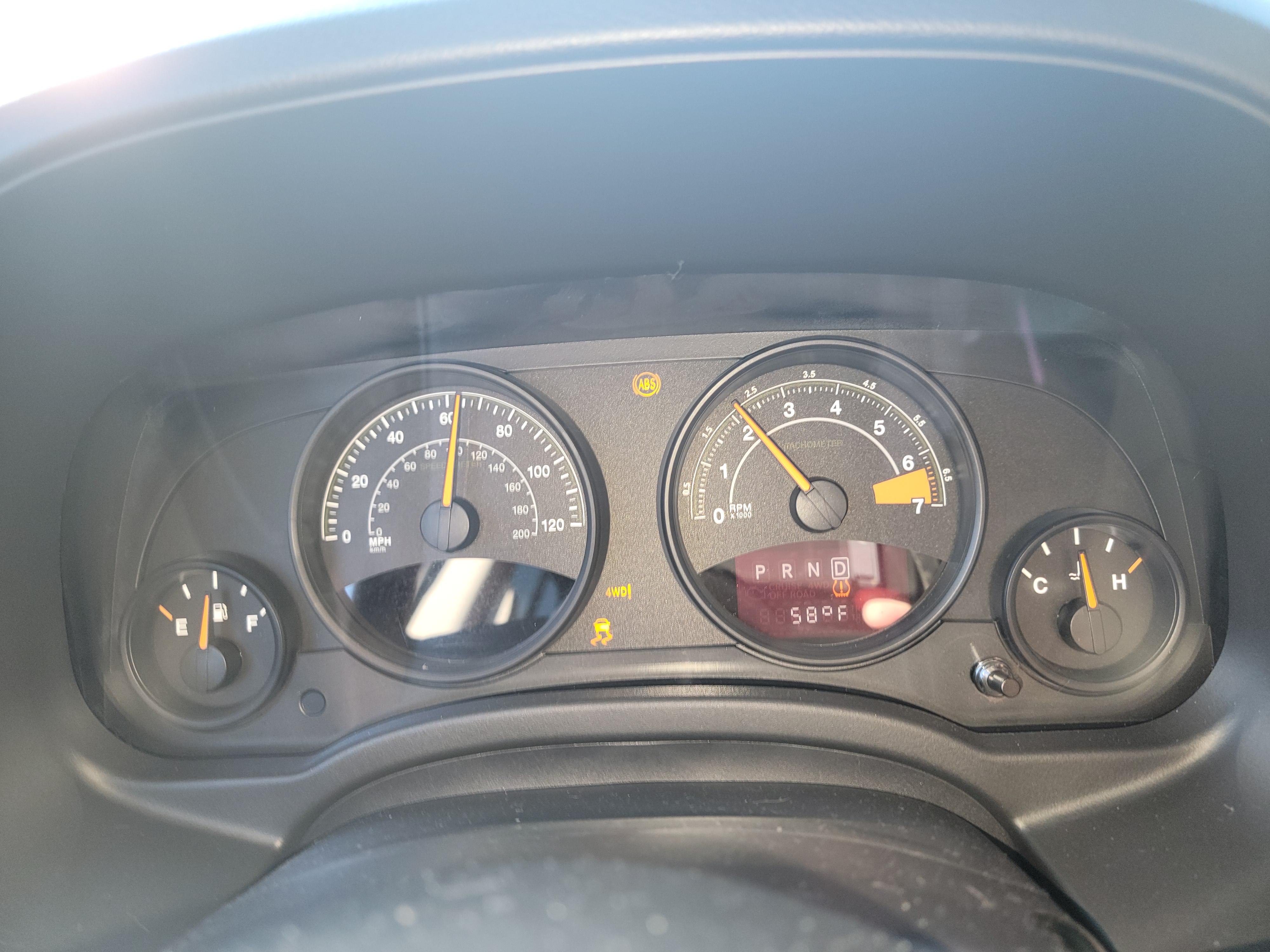
The ABS (Anti-lock Braking System) light on a Jeep dashboard signals a problem with the braking system. Driving with this light on means the ABS might not work properly. This affects how your Jeep handles during sudden stops or slippery roads. Understanding the risks and knowing what to do can keep you safer on the road.
Safety Implications
The ABS helps prevent wheel lock-up during hard braking. Without it, wheels may skid, causing loss of steering control. This raises the chance of accidents, especially on wet or icy roads. Your regular brakes still work, but stopping distance could increase. Drive with extra caution and avoid sudden stops.
When To Seek Immediate Repair
If the ABS light stays on after starting the Jeep, get a repair soon. Also, if the brake warning light or traction control light appears, seek help immediately. Strange noises, reduced braking power, or a spongy brake pedal need urgent attention. Do not ignore these signs. A mechanic can diagnose and fix the ABS issue safely.
Temporary Driving Tips
Drive slowly and keep a safe distance from other vehicles. Avoid sharp turns and hard braking to reduce skidding risk. Check your tire condition and pressure regularly. Use extra caution on slippery surfaces and steep hills. Plan your route to avoid heavy traffic or hazardous areas. These tips help maintain control until repairs are done.
<!– wp:rank-math/faq-block {"questions":[{"id":"faq-question-023fd73b61a6","title":"How Do I Get My Abs Light To Shut Off?","content":"
Use a scan tool to read ABS codes, fix the faulty sensor or wiring, then reset the system to turn off the ABS light.
“,”visible”:true},{“id”:”faq-question-d79a66c91acc”,”title”:”What Causes The Abs Light To Come On In A Jeep?”,”content”:”The ABS light in a Jeep comes on due to faulty wheel speed sensors, damaged wiring, low brake fluid, or ABS module issues.
“,”visible”:true},{“id”:”faq-question-ae230edeb5f7″,”title”:”Can I Drive My Jeep With The Abs Light On?”,”content”:”You can drive your Jeep with the ABS light on, but ABS may not function properly. Get it checked soon for safety.
“,”visible”:true},{“id”:”faq-question-2cd8e525a3f4″,”title”:”How To Turn Off Abs On A Jeep Wrangler?”,”content”:”To turn off ABS on a Jeep Wrangler, use a scan tool to diagnose and clear fault codes. Repair or replace faulty sensors or wiring. Disabling ABS permanently is not recommended for safety reasons.
“,”visible”:true}]} –>How Do I Get My Abs Light To Shut Off?
Use a scan tool to read ABS codes, fix the faulty sensor or wiring, then reset the system to turn off the ABS light.
What Causes The Abs Light To Come On In A Jeep?
The ABS light in a Jeep comes on due to faulty wheel speed sensors, damaged wiring, low brake fluid, or ABS module issues.
Can I Drive My Jeep With The Abs Light On?
You can drive your Jeep with the ABS light on, but ABS may not function properly. Get it checked soon for safety.
How To Turn Off Abs On A Jeep Wrangler?
To turn off ABS on a Jeep Wrangler, use a scan tool to diagnose and clear fault codes. Repair or replace faulty sensors or wiring. Disabling ABS permanently is not recommended for safety reasons.
Conclusion
Turning off the ABS light on your Jeep starts with finding the root cause. Use a code reader to check for sensor or wiring issues.
Fixing or replacing faulty parts often clears the light. Always address ABS problems promptly for safe driving.
Following simple steps can help you reset the warning light. Keep your Jeep’s braking system in good shape for peace of mind.
Regular maintenance prevents ABS light from coming back. Stay safe on the road by paying attention to your vehicle’s alerts.