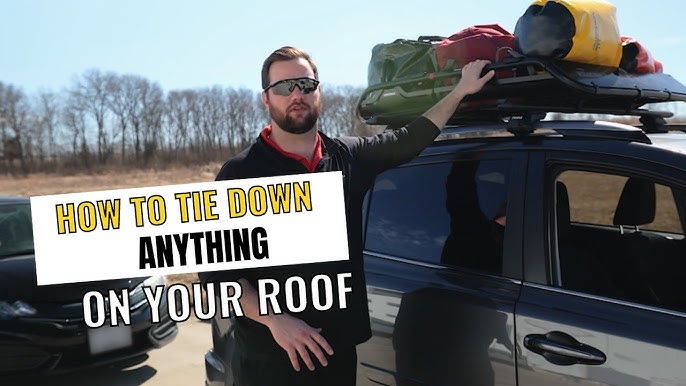
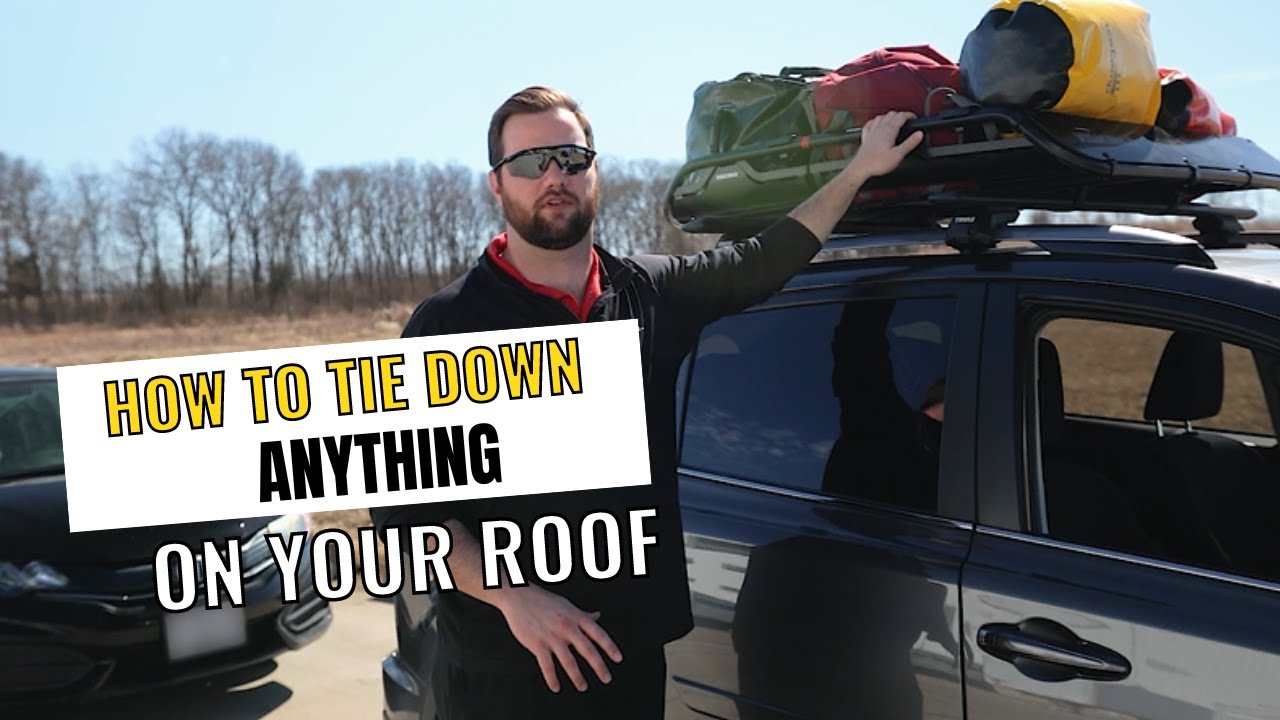
Traveling with extra luggage often means using the roof rack of your vehicle. But tying luggage to a roof rack isn’t just about throwing bags on top and hoping for the best.
Safe, secure, and efficient packing prevents accidents, saves fuel, and protects your gear.
Whether you’re taking a road trip or moving house, learning the right way to tie luggage makes your journey smoother.
Choosing The Right Equipment
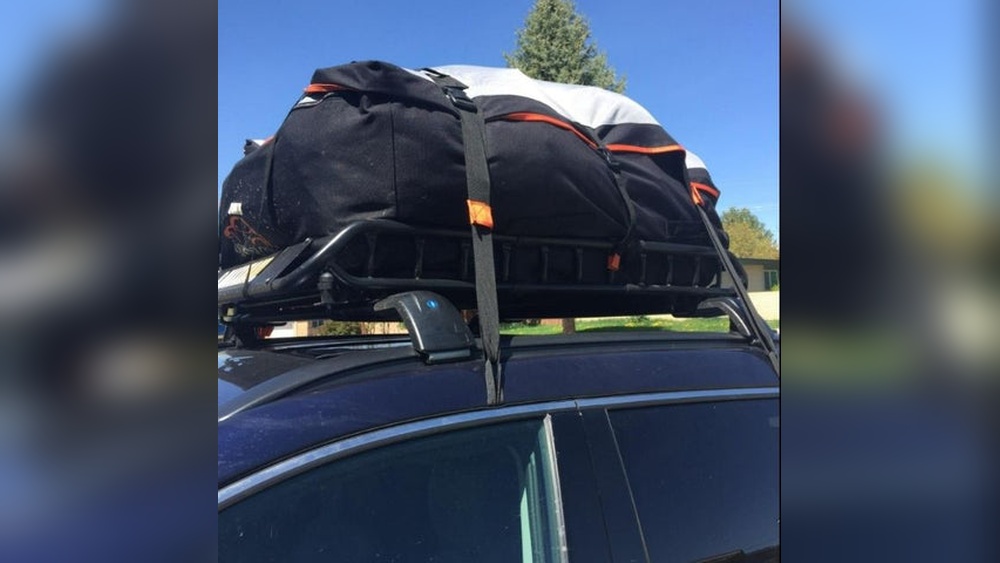
The first step is selecting the right tools. Roof racks come in various styles, and so do the straps you’ll use to secure your luggage. Always check the weight limit of your roof rack. Most standard racks hold between 75 and 250 pounds. Exceeding this limit can damage your vehicle or cause accidents.
Common tie-down options include:
- Ratchet straps (strong, reliable, best for heavy loads)
- Rope (cheap, but requires good knot skills)
- Bungee cords (easy, but not ideal for long trips or heavy items)
Below is a quick comparison of popular tie-down options:
| Type | Strength | Ease of Use | Best For |
|---|---|---|---|
| Ratchet Straps | High | Medium | Large, heavy luggage |
| Rope | Medium | Low | Light, odd-shaped items |
| Bungee Cords | Low | High | Small, soft bags |
For most situations, ratchet straps are the safest and easiest to use.
Packing And Placing Luggage
How you pack affects how well your luggage stays in place. Always use weather-resistant bags or boxes, especially if rain is likely. Hard cases and soft duffel bags can both work, but hard cases are easier to tie down securely.
- Place heaviest items closest to the roof rack’s center.
- Keep lighter items at the ends.
- Make sure items are evenly distributed to avoid unbalanced driving.
Try to keep your load as low and flat as possible. Tall, uneven stacks catch wind and can shift or fall during travel.
Here’s a simple packing layout for a standard roof rack:
| Rack Area | Type of Luggage | Why? |
|---|---|---|
| Center | Heavy boxes, hard cases | Improves balance |
| Sides | Light bags, duffel bags | Reduces tipping risk |
| Top layer | Blankets, soft items | Protects gear from weather |
Packing tip: Use a protective mat under your luggage to prevent scratches and reduce sliding.
Tying Luggage: Step-by-step Guide
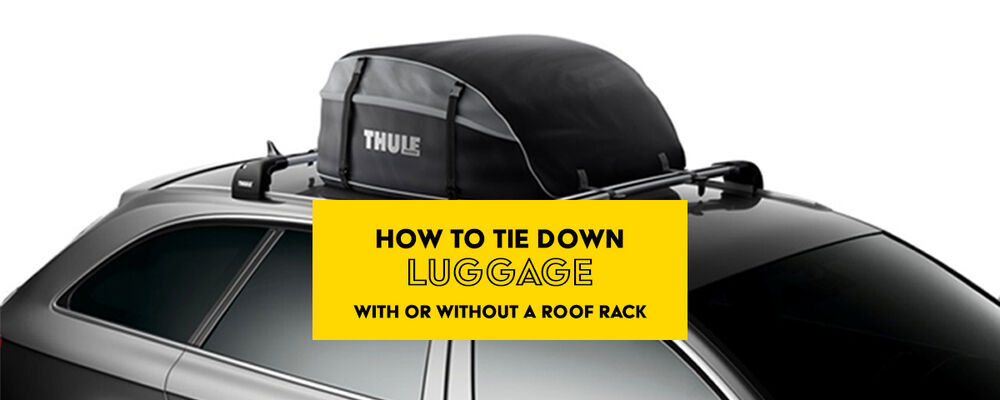
Securing luggage well is as important as packing. Here’s how to tie luggage to a roof rack safely:
- Place the luggage: Arrange your bags as described above.
- Lay out straps: Place ratchet straps over the luggage, making sure each strap touches the rack on both sides.
- Attach hooks or ends: Fasten hooks to the rack’s frame, not the crossbars. If using rope, tie a secure knot like the trucker’s hitch.
- Tighten straps: Use the ratchet to pull straps tight. The luggage should not move when pushed.
- Double-check: Pull on each strap. If anything feels loose, re-tighten.
- Tie off excess: Secure leftover strap or rope so it doesn’t flap while driving.
Here’s a comparison of common knot types for roof rack tying:
| Knot | Security | Ease | Use Case |
|---|---|---|---|
| Trucker’s Hitch | High | Medium | Heavy, shifting loads |
| Bowline | Medium | High | Fixed loops |
| Square Knot | Low | High | Light, small items |
Ratchet straps don’t require knots, but ropes do. If you use rope, practice tying the trucker’s hitch before your trip.
Safety Checks Before Driving
After tying your luggage, safety checks are essential. Loose luggage is a real hazard.
According to the AAA Foundation, over 39,000 crashes per year in the U. S.
are caused by road debris, including items falling from vehicles.
- Push and pull each piece of luggage. If it shifts, re-tie.
- Make sure all straps are tight and flat.
- Remove or secure any loose ends.
- Check visibility: Nothing should block your view or interfere with doors.
Drive for a few miles, then stop and check the straps again. Sometimes straps loosen as items settle.
Practical Tips And Common Mistakes
Many beginners forget these important details:
- Avoid overloading. Too much weight can damage your car and increase risk.
- Never use damaged straps or ropes. Replace them if they show wear.
- Don’t let straps cover car windows or doors.
- Double-check your roof rack’s manual for weight and attachment guidance.
A non-obvious tip: In hot weather, straps can loosen due to stretching. Check tension during long drives, especially after driving on highways.
Another insight: Aerodynamics matter. Try to cover luggage with a streamlined cargo bag. This reduces drag and saves fuel.
For more guidance on safe roof packing, visit NHTSA Vehicle Safety.
Frequently Asked Questions
How Much Weight Can I Safely Tie To My Roof Rack?
Most roof racks hold between 75 and 250 pounds. Check your car and rack manuals. Exceeding this limit can damage your vehicle and cause accidents.
What Type Of Straps Are Best For Tying Luggage?
Ratchet straps are safest for heavy or long trips. Rope can work for lighter items if you know strong knots. Avoid bungee cords for heavy loads.
Should I Use A Cargo Bag Or Box?
A cargo bag is good for irregular shapes and weather protection. A cargo box is more secure and aerodynamic but can be expensive.
How Do I Prevent Straps From Scratching My Car?
Use a protective mat under your luggage and straps. Avoid sliding straps across painted surfaces. Double-check that straps are flat and not twisted.
Can I Tie Bikes Or Other Sports Gear To The Roof Rack?
Yes, but use special mounts or holders for bikes, kayaks, and skis. Never tie large sports gear with just rope or straps; it needs proper support.
Traveling with tied luggage doesn’t have to be stressful. The right tools, packing style, and safety checks make all the difference.
Take time to secure your gear before every trip, and enjoy the peace of mind that comes from knowing your luggage is safe.