Elevating Your Jeep Grand Cherokee: A Guide To Lift Kits
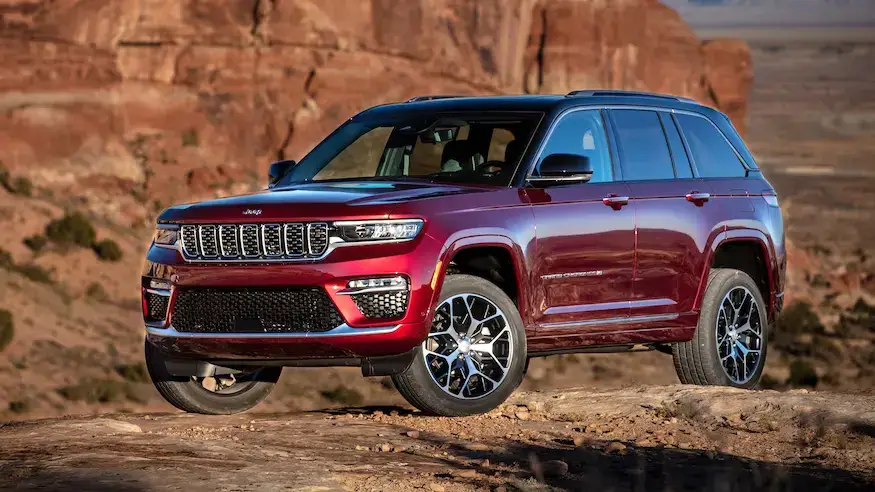
The Jeep Grand Cherokee is a beloved SUV known for its blend of luxury, capability, and off-road potential. For many owners, the desire to enhance its stance, improve off-road performance, and give it a more aggressive look leads them to consider a lift kit.
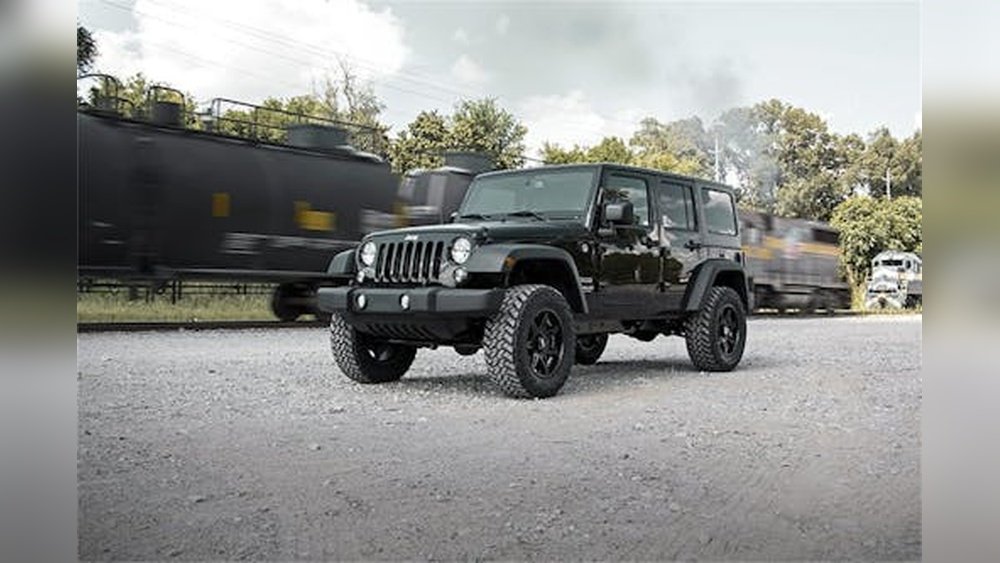
A lift kit does exactly what its name suggests: it raises the vehicle's body or suspension higher off the ground. This modification isn't just about aesthetics; it offers tangible benefits for those who venture beyond paved roads.
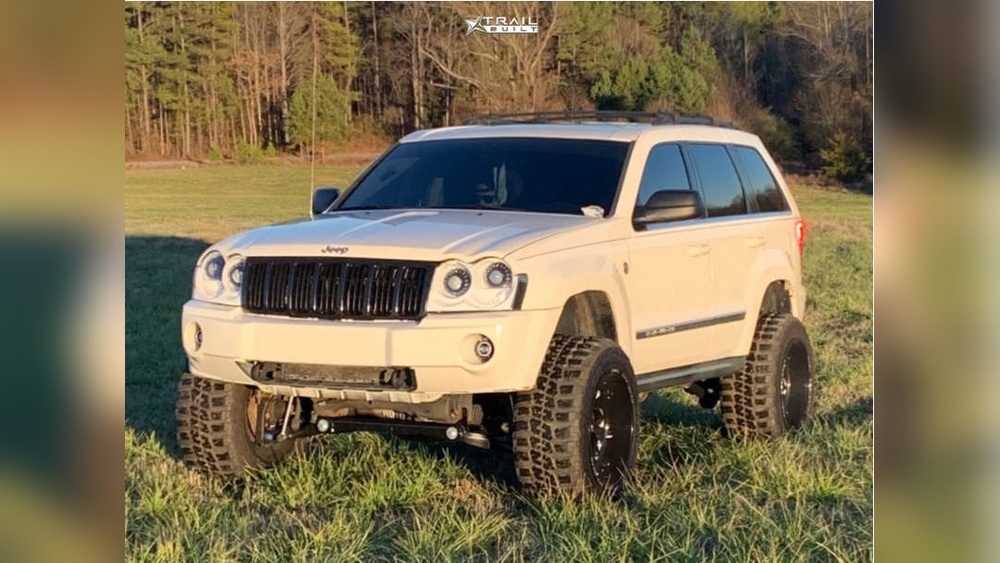
Choosing the right lift kit for your Jeep Grand Cherokee involves understanding different types of kits, their impact on performance, and the specific needs of your driving style. Whether you’re looking to clear larger tires for better traction on trails, improve approach and departure angles for rock crawling, or simply achieve that imposing, lifted look, this guide will help you make an informed decision. We’ll explore the various options available, from mild budget-friendly spacers to more complex, performance-oriented suspension systems, and discuss what you need to consider before taking the plunge.
Understanding Jeep Grand Cherokee Lift Kit Types
When you decide to lift your Grand Cherokee, you'll encounter several main types of lift kits. Each has its own method of raising the vehicle, affecting ride quality, cost, and complexity.
Understanding these differences is crucial for selecting the best option for your needs and budget.
Suspension Lift Kits
These are the most common and comprehensive type of lift kit. A suspension lift kit works by altering or replacing the factory suspension components to achieve a higher ride height. This can involve longer springs, shocks, control arms, track bars, and other hardware.
- Coil Spring Spacers: These are simple pucks or spacers that are installed on top of the existing coil springs. They are a cost-effective way to gain a small amount of lift, typically 1-3 inches. They don’t replace any suspension components, so they generally have minimal impact on ride quality, though they can sometimes lead to a slightly stiffer feel.
- Extended Coil Springs: Instead of adding a spacer, this type of kit replaces the factory coil springs with longer ones. This provides a more integrated lift and can improve suspension travel. It’s a step up in complexity and cost from spacers but offers a more robust solution.
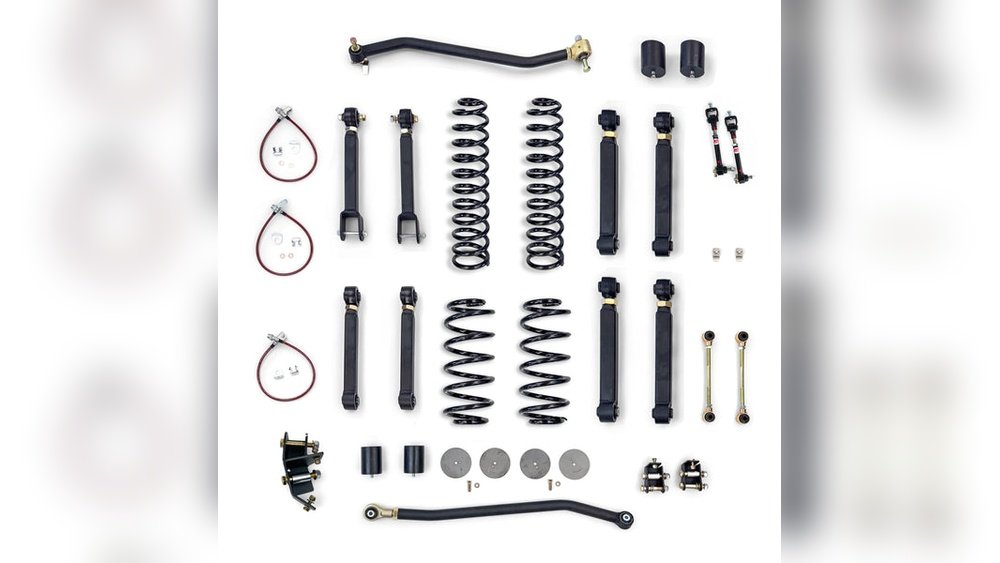
- Complete Suspension Systems: For significant lifts (4 inches and above), complete suspension systems are often necessary. These kits include a wider array of upgraded components such as longer shock absorbers, adjustable control arms, new track bars, sway bar links, and sometimes even a dropped pitman arm and differential drop brackets. These kits are designed to maintain or improve suspension geometry and articulation, crucial for off-road performance. They are the most expensive and complex to install but offer the best results for serious off-roading.
Body Lift Kits
A body lift kit is a simpler and generally less expensive way to increase tire clearance and the overall height of your vehicle. Instead of raising the suspension, it lifts the vehicle’s body off the frame using durable pucks or spacers, typically made of polyurethane or aluminum.
- How it Works: These spacers are inserted between the body mounts and the frame rails. This effectively pushes the body higher away from the frame, creating more space between the tires and the fenders.
- Benefits: Body lifts are excellent for allowing larger tires without significantly altering the vehicle’s center of gravity or ride quality. They are also a good option for achieving a certain aesthetic without the cost and complexity of a full suspension lift.
- Limitations: Body lifts do not improve suspension travel or off-road articulation. They also don’t enhance ground clearance under the differential pumpkin or other crucial undercarriage components.
Spacer Lifts Vs. Full Suspension Lifts
The choice between a spacer lift and a full suspension lift often comes down to budget, desired lift height, and intended use.
| Feature | Spacer Lift | Full Suspension Lift |
|---|---|---|
| **Cost** | Lower | Higher |
| **Installation** | Simpler, often DIY-friendly | More complex, often requires professional installation |
| **Ride Quality** | Minimal impact, can be slightly firmer | Can be improved with quality shocks/springs, or worse with poor components |
| **Off-Road Articulation** | Limited improvement | Significant improvement with quality components |
| **Lift Height** | Typically 1-3 inches | Can achieve 2-6+ inches |
| **Component Wear** | Minimal added stress on other components | Can increase stress on CV joints, ball joints, etc. |
| **Best For** | Mild lift, larger tires, budget-conscious | Serious off-roading, improved clearance, performance |
Pro Tip: For most Grand Cherokee owners looking for a balanced upgrade, a mild suspension lift (2-3 inches) using quality components like longer springs and shocks offers a good compromise between performance, aesthetics, and cost.
Factors To Consider When Choosing A Lift Kit
Selecting the right lift kit for your Jeep Grand Cherokee involves more than just picking a height. Several critical factors will influence your decision and the overall success of your modification.
1. Desired Lift Height And Tire Size
The primary goal of a lift kit is often to accommodate larger tires. Taller tires provide better ground clearance, improved traction, and a more aggressive look.
- Common Lift Heights:
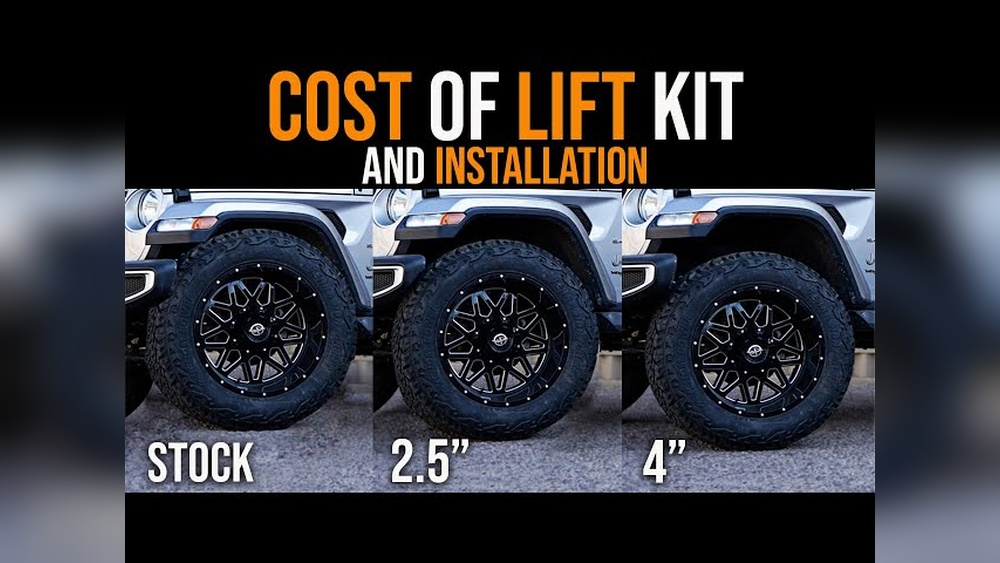
- 1-2 inches: Usually allows for slightly larger tires (e.g., 31-32 inches) without major modifications. Good for a mild aesthetic upgrade and a small boost in clearance.
- 3-4 inches: A popular range that can fit significantly larger tires (e.g., 33-35 inches) and offers a noticeable increase in ground clearance. Often requires additional components like adjustable control arms or track bars to correct suspension geometry.
- 5+ inches: For fitting 35-inch tires and larger, these kits are extensive and require careful consideration of all suspension components to maintain proper function and safety.
- Tire Fitment: It’s essential to research specific tire sizes that fit your chosen lift height and Grand Cherokee model. You’ll also need to consider wheel offset and potential rubbing on fenders, control arms, or the frame at full suspension compression and steering lock.
2. Intended Use: On-road Vs. Off-road
Your daily driving habits and planned adventures should heavily influence your lift kit choice.
- Mostly On-Road: If your Grand Cherokee spends most of its time on pavement, a body lift or a mild suspension lift with street-friendly shocks might be best. These options minimize changes to the vehicle’s on-road manners, steering feel, and fuel economy. Ride comfort is usually a higher priority.
- Mixed Use (On and Light Off-Road): A moderate suspension lift (2-3 inches) with quality shocks can provide a good balance. It improves off-road capability without making the vehicle unwieldy on the street. You’ll get better clearance for trails and fire roads.
- Serious Off-Roading (Rock Crawling, Trails): For aggressive off-roading, a taller suspension lift (4+ inches) with robust, high-quality components is necessary. This includes adjustable control arms for proper alignment, heavy-duty shocks, and potentially longer travel systems to maximize articulation and maintain tire contact with uneven terrain. Expect a more noticeable difference in on-road handling and potentially a rougher ride.
3. Budget
Lift kits vary dramatically in price. A simple body lift or spacer kit might cost a few hundred dollars, while a complete, high-end suspension system can run into thousands.
- Budget Considerations:
- Kit Cost: The price of the lift kit itself.
- Installation: Factor in the cost of professional installation if you’re not doing it yourself. Complex kits can take many hours to install correctly.
- Additional Components: Larger tires, new wheels, potential re-gearing of differentials (for larger tires to regain lost power), upgraded driveshafts, and alignment are often necessary add-ons.
- Maintenance: Lifted vehicles, especially those used off-road, may experience increased wear on components like CV joints, ball joints, and tie rods.
4. Ride Quality And Handling
Lifting a vehicle inevitably changes its handling characteristics.
- Suspension Geometry: Taller lifts can alter suspension geometry, potentially leading to issues like steering wander, increased bump steer, or premature wear on drivetrain components. Kits designed to correct these issues (e.g., with adjustable control arms or track bars) are crucial for maintaining good handling and longevity.
- Center of Gravity: A higher center of gravity can make the vehicle more prone to body roll in corners. While some increase is unavoidable, well-designed kits aim to minimize this effect.
- Shock Absorbers: The shocks included in a lift kit are critical. Performance shocks designed for lifted applications can significantly improve ride quality and control, both on and off-road.
5. Installation Complexity
Some lift kits are relatively straightforward bolt-on affairs, while others require significant mechanical expertise and specialized tools.
- DIY vs. Professional: If you’re a seasoned mechanic, you might tackle a moderate suspension lift yourself. However, complex kits, especially those involving cutting, welding, or extensive suspension component replacement, are best left to experienced professionals.
- Alignment: After any suspension modification, a professional alignment is absolutely essential to ensure proper tire wear, steering, and handling.
Popular Lift Kit Brands And Options For Jeep Grand Cherokee
When it comes to lifting a Jeep Grand Cherokee, several reputable brands offer a range of kits designed to suit different needs and budgets. Researching these options can help you find the best fit for your specific model year and desired outcome.
1. Rough Country
Rough Country is known for offering affordable and accessible lift kits. They provide a wide variety of options for the Grand Cherokee, from simple leveling kits to more substantial suspension lifts.
- Pros: Budget-friendly, widely available, often include necessary hardware.
- Cons: Ride quality can sometimes be a compromise compared to premium brands, especially on their less expensive kits.
- Typical Offerings: 2-inch, 3-inch, and 4-inch suspension lift kits, often including shocks, springs, and sometimes control arm drop brackets.
2. Teraflex
TeraFlex is a highly respected name in the Jeep community, known for its quality, durable, and performance-oriented suspension components. Their kits are often designed with serious off-roading in mind.
- Pros: Excellent build quality, engineered for performance and durability, often provide superior articulation and ride quality.
- Cons: Generally more expensive than budget brands.
- Typical Offerings: Suspension lift kits ranging from 2.5 inches up to 6 inches or more, often featuring adjustable control arms, high-performance shocks (like Falcon shocks), and components designed to correct suspension geometry.
3. Old Man Emu (ome)
Old Man Emu, by ARB, is renowned for its premium suspension systems that focus on providing a comfortable yet capable ride, both on and off-road. Their kits are engineered to improve ride quality and handling.
- Pros: Exceptional ride comfort and control, durable components, designed to work together as a complete system.
- Cons: Higher price point, installation can be more involved.
- Typical Offerings: Complete suspension lift kits (often around 2-3 inches) that replace springs and shocks with specifically tuned OME components, designed to handle increased loads and varying terrain.
4. Rancho
Rancho offers a diverse range of suspension products, including lift kits and performance shocks, catering to various Jeep models. They often provide options that balance on-road comfort with off-road capability.
- Pros: Good balance of performance and price, often paired with their own line of adjustable shocks.
- Cons: Some kits might require additional components for optimal geometry correction on higher lifts.
- Typical Offerings: Suspension lift kits in various heights (e.g., 2-inch, 4-inch), often including their RS5000 or RS9000XL shocks, which can be adjusted for different driving conditions.
5. Mopar (oem+)
For Grand Cherokee owners who prefer to stick close to factory specifications or want a mild, integrated lift, Mopar offers some factory- or dealer-installed options. These are typically mild lifts designed to work seamlessly with the vehicle’s existing systems.
- Pros: Guaranteed fitment, maintains vehicle warranty (if installed by dealer), designed for the specific Grand Cherokee model.
- Cons: Limited lift height (usually 1-2 inches), higher cost for less modification compared to aftermarket.
- Typical Offerings: Mild lift kits, often involving spacers or slightly taller springs and shocks, designed to accommodate slightly larger tires and provide a subtle styling enhancement.
It’s crucial to check compatibility with your specific Grand Cherokee model year and trim level, as suspension designs can vary.
Installing A Lift Kit: What To Expect
Installing a lift kit on your Jeep Grand Cherokee is a significant undertaking. Whether you opt for a DIY approach or professional installation, understanding the process and potential challenges is vital.
Diy Installation
For simpler kits like body lifts or basic spacer lifts, a DIY installation is feasible for those with mechanical aptitude and the right tools.
- Tools Required: You’ll likely need a comprehensive set of sockets and wrenches, jack stands, a floor jack, torque wrench, spring compressors (if replacing springs), and potentially specialized tools depending on the kit.
- Process Overview (Suspension Lift):
- Safely Lift the Vehicle: Use a jack to lift the Jeep and secure it on sturdy jack stands.
- Remove Existing Components: Disconnect suspension components like shocks, springs, control arms, and sway bar links.
- Install New Components: Fit the new springs, shocks, spacers, or control arms according to the kit manufacturer’s instructions. This often involves carefully compressing and installing new springs.
- Reassemble: Reconnect all suspension components, ensuring proper torque specifications are met.
- Lower Vehicle: Carefully lower the Jeep off the jack stands.
- Common Challenges: Difficult-to-remove bolts, spring installation can be dangerous if not done correctly, ensuring all components are torqued properly.
Professional Installation
For more complex suspension lifts, or if you lack the time, tools, or confidence, professional installation is recommended.
- Benefits: Experienced technicians have the specialized tools and knowledge to install the kit correctly and safely. They can also identify any underlying issues with your existing suspension.
- Cost: Professional installation can add several hundred to over a thousand dollars to the