The Thrill Of The Sand: Understanding Jeep Car Desert Rallies
The desert, a vast expanse of sand, rock, and unforgiving sun, holds a unique allure for adventurers. For some, it’s a place of quiet contemplation.
For others, it’s a canvas for extreme sports. Among the most exhilarating of these is the Jeep car desert rally.
These events transform rugged off-road vehicles into racing machines, pitting drivers and their machines against the harsh desert environment. It’s a test of skill, endurance, and the sheer capability of a Jeep to conquer terrain that would stop most vehicles in their tracks.
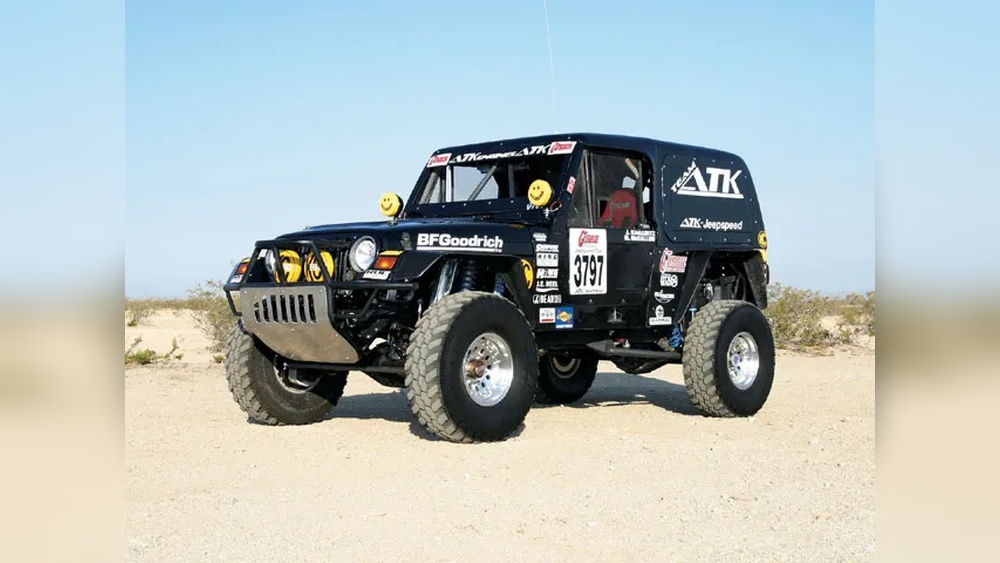
Desert rallies are not just about speed; they are about navigation, vehicle preparation, and driver stamina. The unpredictable nature of sand dunes, rocky outcrops, and washouts demands constant vigilance. A wrong turn can lead to hours lost, and a mechanical failure in the middle of nowhere can be a serious problem. This is where the legendary toughness of Jeep vehicles truly shines. Their robust construction, advanced 4×4 systems, and ample ground clearance make them ideal candidates for such demanding challenges. From the iconic Wrangler to the more utilitarian Gladiator, Jeeps have a long history of proving their mettle in off-road competitions worldwide. This article will explore the essence of Jeep car desert rallies, covering what they entail, how participants prepare, and what makes them such a captivating spectacle.
The Essence Of Desert Rally Racing
A desert rally is more than just a race; it’s an expedition across challenging terrain, often covering hundreds or even thousands of miles. When specifically focusing on Jeep car desert rallies, the emphasis shifts slightly towards the unique capabilities of these vehicles. Unlike some other rally types that might favor lighter, more agile buggies, Jeep rallies often celebrate the sheer brute force and resilience of their chassis and drivetrains.
These events typically involve navigating a series of checkpoints scattered across a vast desert landscape. Drivers must use a combination of GPS, maps, and compasses to find their way. The terrain is the primary adversary: soft sand that can easily bog down a vehicle, sharp rocks that can puncture tires, steep inclines that test engine power and traction, and extreme temperatures that push both man and machine to their limits. The goal is to complete the course in the shortest possible time, or sometimes, to reach specific waypoints within a given time window.
Types Of Desert Rally Formats
Desert rallies come in various formats, each with its own set of rules and challenges:
- Point-to-Point Rallies: These are the most traditional format. Participants start at one location and race to a designated finish line, passing through several mandatory checkpoints along the way. The challenge lies in finding the fastest and safest route between these points.
- Rally Raids: Similar to point-to-point, but often longer and more arduous, spread over multiple days. Drivers might camp in the desert each night, adding an element of survival and logistics to the competition.
- Navigation Challenges: These events put a heavier emphasis on navigation skills. Checkpoints might be hidden or require precise coordinates to locate. Speed is a factor, but accuracy in navigation is paramount.
- Endurance Rallies: Designed to test the durability of both the vehicle and the driver over extended periods. These might involve multiple laps of a challenging course or a very long, single-stage race.
For Jeep car desert rallies, the specific format often leverages the vehicle’s strengths. For instance, a rally featuring extreme rock crawling sections would naturally favor a Jeep’s articulation and low-range gearing. Conversely, a long-distance endurance race would highlight the vehicle’s robust build and the driver’s ability to manage fatigue and mechanical issues.
Key Challenges In The Desert
The desert presents a unique set of obstacles that demand specialized knowledge and preparation:
- Sand: This is perhaps the most notorious desert challenge. Deep, soft sand can act like quicksand, easily trapping tires and bogging down vehicles. Maintaining momentum is crucial, but over-acceleration can dig the vehicle in deeper. Understanding tire pressure and how to use it to maximize flotation is key.
- Heat: Desert temperatures can soar, leading to overheating of engines, transmissions, and even driver fatigue. Proper cooling systems and hydration are vital.
- Terrain Variability: Deserts are not just flat sand. They can include rocky plains, canyons, dry riverbeds (wadis), and steep dunes. Each requires different driving techniques and vehicle capabilities.
- Dust and Sandstorms: Visibility can be drastically reduced by dust kicked up by other vehicles or by sudden sandstorms, making navigation extremely difficult and increasing the risk of accidents.
- Remoteness: Many desert rally courses are in extremely remote areas. Mechanical breakdowns or getting lost far from help can be dangerous. Self-sufficiency in terms of repair skills and spare parts is essential.

Preparing Your Jeep For The Sands
Taking a Jeep into the desert for a rally is a serious undertaking. It’s not simply a matter of driving off the pavement. Thorough preparation is the bedrock of success and safety. This involves modifications to the vehicle, meticulous maintenance, and ensuring the driver is ready for the physical and mental demands.
Vehicle Modifications And Upgrades
While a stock Jeep is capable off-road, rally conditions push vehicles far beyond typical trail use. Several modifications are crucial:
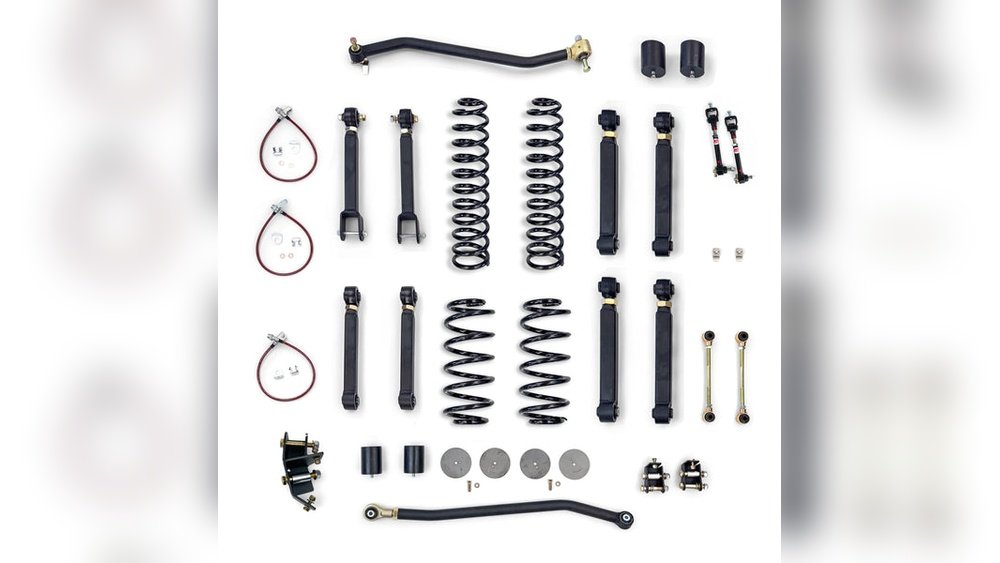
- Suspension: Upgraded suspension systems are vital. This includes heavy-duty shocks and springs designed to handle rough terrain at speed and absorb impacts. Long-travel suspension can improve wheel articulation, keeping tires on the ground over uneven surfaces and providing a smoother ride.
- Tires: The right tires are paramount. Aggressive off-road tires with a robust sidewall are necessary to withstand punctures from rocks and provide maximum traction in sand. Many competitors opt for larger tires, which can improve ground clearance and flotation on sand. Lowering tire pressure is a common tactic in deep sand to increase the tire’s contact patch and prevent sinking.
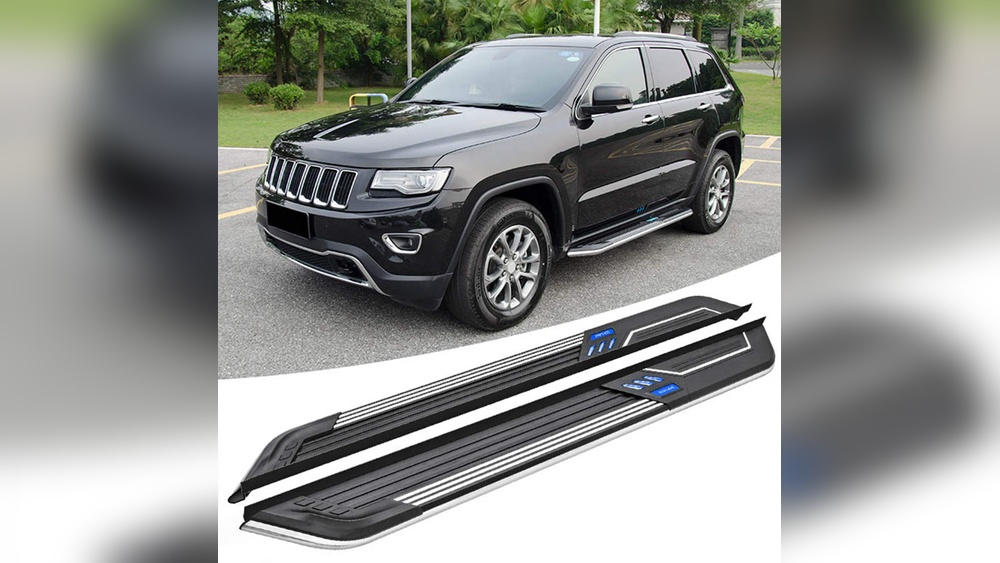
- Protection: The underside of the Jeep is vulnerable. Skid plates made of strong materials like steel or aluminum are essential to protect the engine, transmission, transfer case, and fuel tank from impacts with rocks and debris. Rock sliders protect the rocker panels from damage.
- Cooling System: Desert heat is relentless. Upgrading the radiator to a larger, more efficient unit, and ensuring the cooling fan is powerful enough, is critical to prevent overheating. Sometimes, auxiliary transmission coolers are also added.
- Wheels: Stronger, beadlock wheels are highly recommended. These wheels lock the tire bead to the rim, preventing the tire from coming off the wheel even at very low air pressures, which is common when driving in sand.
- Engine and Drivetrain: While major engine overhauls might be beyond the scope of many, ensuring the engine is in peak condition is vital. This includes regular maintenance like oil changes with high-quality oil, ensuring the air filter is clean, and checking all fluid levels. Some competitors might opt for performance tunes to optimize engine output for desert conditions. The transfer case and differentials should be inspected and serviced.
- Fuel System: Extended range is often necessary. This can be achieved with larger aftermarket fuel tanks or by carrying extra fuel in approved containers.
- Recovery Gear: Essential for self-rescue or helping others. This includes tow straps, shackles, a high-lift jack, and potentially a winch. Knowing how to use this gear safely is as important as having it.
- Lighting: For rallies that extend into the night or involve driving in low visibility, upgraded headlights and auxiliary lighting (like LED light bars) are crucial for safety and navigation.
- Interior: Competitors often remove unnecessary weight. Racing seats might be installed for better support, and a roll cage can be a critical safety feature, especially in more extreme events.
Essential Maintenance Checks
Before any desert rally, a comprehensive maintenance checklist is non-negotiable. This goes beyond routine servicing:
- Fluids: Check and top off engine oil, transmission fluid, transfer case fluid, differential fluid, coolant, and brake fluid. Consider using high-quality synthetic fluids that can withstand higher temperatures.
- Belts and Hoses: Inspect all belts for cracks or wear and replace them if necessary. Check all hoses for leaks, bulges, or brittleness.
- Brakes: Ensure the brake pads and rotors are in good condition. Desert terrain can be hard on brakes, especially during descents.
- Electrical System: Check the battery and alternator to ensure they are functioning correctly. Clean all electrical connections.
- Steering and Suspension Components: Inspect for any loose or worn parts, including ball joints, tie rods, and bushings.
- Exhaust System: Ensure there are no leaks and that the system is securely mounted.
Driver Preparation
The driver is as crucial as the vehicle. Desert rallying is physically and mentally demanding.
- Physical Fitness: Drivers need good stamina to handle the constant jolting, steering effort, and concentration required. Staying hydrated and managing fatigue is key.
- Navigation Skills: Proficiency with GPS devices, maps, and compasses is essential. Understanding how to read terrain and anticipate challenges is a skill honed through practice.
- Driving Technique: Mastering driving in sand, including how to accelerate, brake, and steer without getting stuck, is vital. Learning to read the terrain and choose the optimal line is an art.
- Mechanical Knowledge: Basic mechanical skills are invaluable for making quick repairs in the field. Knowing how to change a tire quickly, fix a minor leak, or bypass a small issue can save a rally.
- Mental Fortitude: Dealing with frustration, unexpected problems, and long hours of driving requires strong mental resilience.
Driving a Jeep in the desert is a unique skill that requires specific techniques. Sand behaves very differently from dirt or mud, and mastering its nuances is key to a successful rally.
Driving In Sand
The primary goal when driving in sand is to maintain traction and momentum without digging the vehicle in.
- Tire Pressure: This is one of the most critical adjustments. Lowering tire pressure increases the tire’s footprint, allowing it to float on top of the sand rather than sinking into it. For deep sand, pressures can be dropped significantly, sometimes down to 15-20 psi or even lower, depending on the tire and vehicle. However, it’s crucial to use beadlock wheels or drive cautiously at lower pressures to prevent the tire from de-beading. Always remember to reinflate tires to normal pressures after leaving the sand.
- Momentum: In sand, it’s often better to maintain a steady, moderate speed. Sudden acceleration or braking can cause the tires to dig in and lose traction. Smooth inputs are key.
- Steering: Wide, sweeping turns are generally better than sharp ones, which can cause the front tires to plow through the sand and lose steering control. Avoid sharp turns at high speed.
- Hill Climbs: When climbing sandy hills, maintain a steady speed and try to go straight up. If you start to lose momentum, avoid spinning your wheels excessively, as this will dig you in. If you must stop, try to do so on a flatter section.
- Getting Unstuck: If you get stuck, resist the urge to floor the accelerator. This will only dig you deeper. Try rocking the vehicle back and forth gently. If that doesn’t work, you may need to dig sand out from in front of the tires or use recovery gear.
Desert navigation is a skill that combines technology with traditional methods.
- GPS: A reliable GPS device is essential. Many rally participants use dedicated off-road GPS units with pre-loaded maps or the ability to load custom routes. Understanding how to use waypoints, track logs, and route planning features is crucial.
- Maps and Compass: While GPS is primary, paper maps and a compass are vital backups. Batteries can die, and electronic devices can fail. Knowing how to orient a map and navigate using landmarks and a compass is a fundamental skill.
- Reading the Terrain: Experienced desert drivers learn to read the landscape. Subtle changes in sand color or texture can indicate firmer or softer ground. Recognizing natural landmarks, dry riverbeds, and vegetation can aid in orientation.
- Following Tracks: In established rally courses, following the tracks of previous vehicles can be helpful, but be aware that these tracks can sometimes lead to difficult sections or become washouts.
Vehicle Recovery Techniques
Getting stuck is a common occurrence in desert rallying. Knowing how to recover your vehicle safely is critical.
- Self-Recovery: This involves using tools like a high-lift jack to lift the vehicle and place traction mats or sand ladders underneath the tires. Digging sand away from tires is also a common technique.
- Winching: If equipped with a winch, this is a powerful recovery tool. It requires a secure anchor point (another vehicle, a strong tree if available, or a ground anchor) and careful operation to avoid damaging the winch or the vehicle.
- Towing: Using tow straps to pull a stuck vehicle. It’s important to use the correct type of strap (snatch straps are designed to stretch and provide a gentle pull) and to connect them to designated recovery points on both vehicles. Avoid using the tow hitch ball, as it is not designed for recovery forces and can break dangerously.
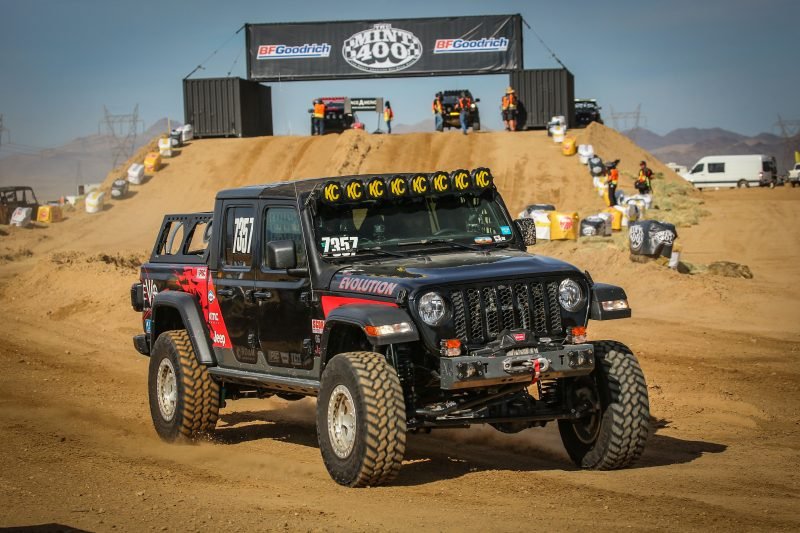
The Spectacle And Community Of Jeep Desert Rallies
Beyond the technical challenges and the thrill of competition, Jeep car desert rallies foster a unique sense of community and offer a spectacular display of automotive prowess.
The Spectator Experience
For those who aren't competing, desert rallies offer a unique viewing experience. The vastness of the desert means that finding good vantage points can be a challenge, but the sight of these rugged Jeeps tackling formidable terrain is awe-inspiring.
Spectators often gather at natural viewing areas, like the crest of a large dune or a rocky pass, to witness the action.
The sound of engines roaring and tires churning sand echoes across the landscape. The dust clouds kicked up by the vehicles create a dramatic visual effect against the stark desert backdrop.
Events often have designated spectator zones that are safely accessible, allowing enthusiasts to get close to the action without interfering with the race.
The Camaraderie Among Competitors
Despite the competitive nature of the sport, there is a strong sense of camaraderie among rally participants. The harsh desert environment often forces competitors to rely on each other.
It's common to see rival drivers stopping to help someone who has broken down or become stuck.
Sharing tools, knowledge, and even spare parts is not unusual. This spirit of mutual support is born