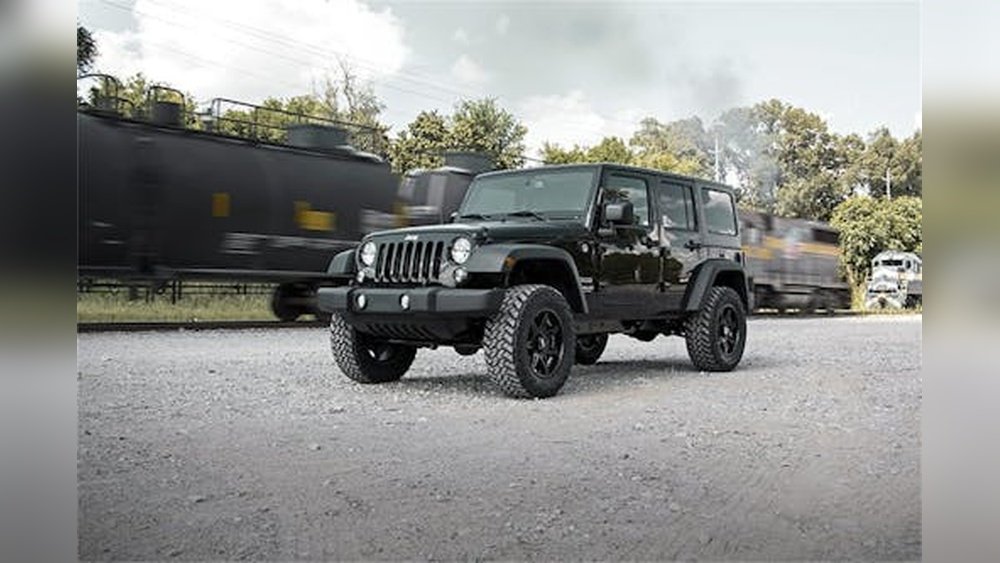
The Jeep Wrangler JL Sport with Rubicon wheels is a popular choice for off-road enthusiasts who want a capable vehicle without the full price tag of a Rubicon model.
It offers a solid foundation for adventure, and adding Rubicon wheels can significantly enhance its looks and, in some cases, its off-road performance. This combination strikes a balance between affordability, capability, and iconic Jeep styling.
The Wrangler JL, introduced for the 2018 model year, brought significant updates to the classic design. It’s lighter, more refined on the road, and features updated technology compared to its JK predecessor.
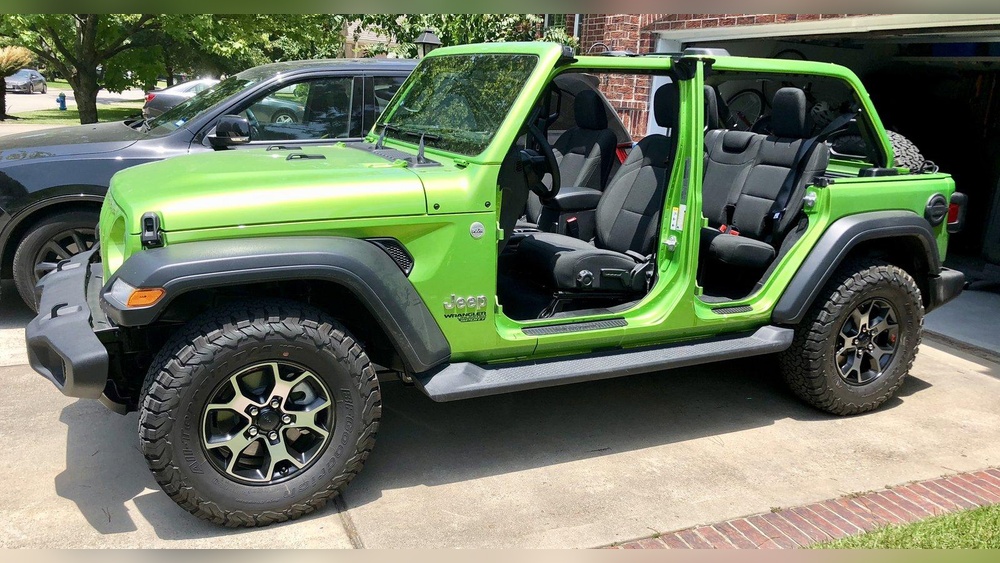
The Sport trim is the entry-level model, providing the essential Wrangler experience.
Many owners look to upgrade their Sport model to give it a more aggressive stance and better off-road readiness, and fitting Rubicon wheels is a common and effective way to achieve this.
This article will explore the Jeep Wrangler JL Sport, the benefits and considerations of equipping it with Rubicon wheels, and what you need to know before making this modification. We’ll cover everything from the stock Sport model’s capabilities to the specific advantages and potential drawbacks of using Rubicon wheels, including fitment, performance, and aesthetics.
Understanding The Jeep Wrangler Jl Sport
The Jeep Wrangler JL Sport is the most basic version of the iconic off-roader. It’s designed for those who want the core Wrangler experience, the open-air freedom, the rugged capability, and the distinctive styling, at the most accessible price point.
While it lacks some of the creature comforts and advanced off-road features found on higher trims like the Rubicon, it still possesses the fundamental DNA that makes a Wrangler a Wrangler.
Standard Features And Capabilities
The JL Sport typically comes equipped with a 3. 6L Pentastar V6 engine, offering ample power for both daily driving and trail use.
It features a 6-speed manual transmission as standard, with an 8-speed automatic available as an option. Essential off-road components include a Command-Trac NV242 part-time 4WD system, solid front and rear axles, and 17-inch steel wheels.
The exterior is functional, often featuring a basic black grille and bumpers, and a soft top for that classic open-air feel.
While it doesn’t have the locking differentials or electronic sway bar disconnect of the Rubicon, the Sport model is still highly capable. Its approach, departure, and breakover angles are respectable, and the standard tires provide decent grip for moderate trails.
The beauty of the Sport trim is its simplicity and its role as a blank canvas for customization. Many owners choose the Sport specifically because they plan to upgrade components like wheels, tires, and suspension to tailor the vehicle to their specific needs and preferences.
What The Sport Model Lacks (compared To Rubicon)
The most significant differences between a Sport and a Rubicon lie in their off-road hardware. The Rubicon trim is the pinnacle of factory-equipped Wrangler capability. It boasts:
- Dana 44 Heavy-Duty Front Axle: Stronger than the Dana 30 found on the Sport, better for extreme off-roading.
- Electronic Front and Rear Locking Differentials: Allows for maximum traction in challenging situations by locking both axles.
- Electronic Disconnectable Front Sway Bar: Provides greater articulation (wheel flex) off-road.
- Rock-Trac 4WD System: A more robust transfer case with a lower crawl ratio for better control at very low speeds.
- Larger Tires and Higher Ground Clearance: Typically comes with 33-inch tires and a suspension lift.
- Body-Colored Fender Flares: A cosmetic difference, but often associated with the Rubicon’s more aggressive look.
The Sport trim is designed to be more affordable, meaning these advanced features are omitted. However, the core chassis, engine options, and the fundamental Wrangler architecture are shared across the trims, making the Sport a viable platform for upgrades.
The Appeal Of Rubicon Wheels On A Sport
Rubicon wheels are highly sought after for several reasons. They offer a distinct aesthetic and can provide tangible benefits for off-road performance.
Equipping a Sport model with these wheels is a popular modification that instantly elevates the vehicle's appearance and hints at its off-road potential.
Aesthetic Enhancements
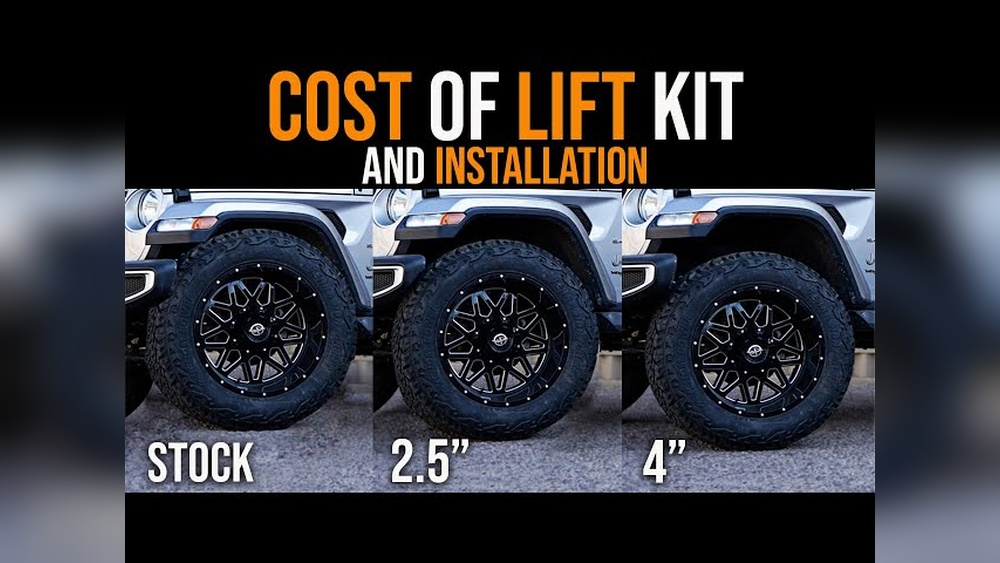
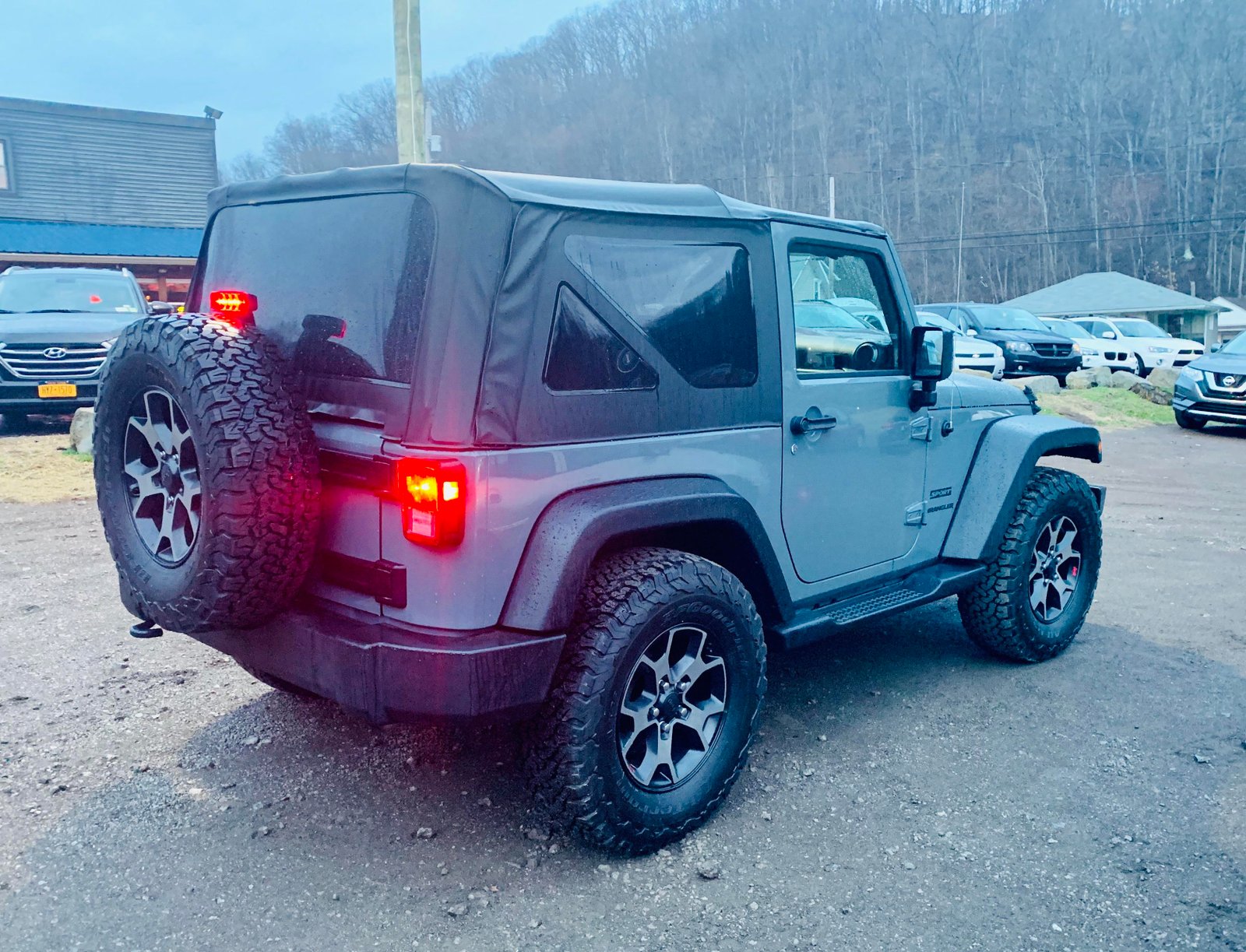
The most immediate impact of fitting Rubicon wheels is the visual transformation. Rubicon wheels are typically larger, often 17 inches in diameter, and feature a more aggressive, robust design compared to the standard steel wheels on a Sport.
They are usually finished in a dark gray or black, with a machined face that adds a premium touch.
This design language is inherently more rugged and sporty, giving the entire vehicle a more purposeful look.
When paired with the Wrangler JL Sport’s body, these wheels fill out the wheel wells better, making the vehicle appear more planted and ready for action. They create a visual connection to the Rubicon’s off-road prowess, even if the underlying hardware remains that of the Sport model.
This is a relatively simple modification that delivers a significant visual upgrade, making the Sport look more like its higher-trim sibling.
Performance Considerations And Benefits
Beyond looks, Rubicon wheels can offer practical performance advantages, especially when paired with appropriate tires.
- Larger Diameter: The standard Rubicon wheels are often 17 inches. While the Sport might come with 17-inch steel wheels, the design and construction of Rubicon wheels can be more robust. More importantly, the larger wheel diameter often allows for the fitment of larger, more aggressive off-road tires.
- Beadlock-Capable (Optional): Some Rubicon wheel options, particularly those from the factory or aftermarket Rubicon-style wheels, are beadlock-capable. Beadlock wheels allow the tire bead to be mechanically locked to the wheel rim. This enables much lower tire pressures off-road without the risk of the tire coming off the rim. Lower tire pressures increase the tire’s contact patch with the ground, improving traction and allowing the vehicle to better conform to uneven terrain, which is crucial for rock crawling.
- Stronger Construction: Factory Rubicon wheels are generally built to withstand more abuse than standard wheels. They are designed for the rigors of off-road driving, including impacts from rocks and rough terrain.
However, it’s important to note that simply putting Rubicon wheels on a Sport doesn’t automatically grant Rubicon-level performance. The Sport’s axles, suspension, and differential systems are still the limiting factors.
The true benefit comes when these wheels are paired with tires that match their off-road intent and when the vehicle is used on trails that leverage the advantages of lower tire pressures and better traction.
Fitment And Compatibility
When considering Rubicon wheels for a JL Sport, ensuring proper fitment is crucial. While they are designed for the same JL platform, there can be subtle differences and considerations to keep in mind to avoid issues.
Bolt Pattern And Offset
The Jeep Wrangler JL uses a 5×5 inch (5x127mm) bolt pattern. All factory JL Rubicon wheels will share this bolt pattern, making them physically compatible with the Sport model’s hubs. However, the offset of the wheels is also important. Offset refers to the distance from the wheel’s mounting surface to the centerline of the wheel.
- Factory Rubicon wheels typically have a slightly more negative offset (meaning the wheel sits further out from the hub) compared to standard Sport wheels. This wider stance can improve stability and reduce the chance of tire rubbing on suspension components.
- Aftermarket Rubicon-style wheels can vary greatly in offset. It’s essential to check the specifications. A wheel with too little offset might cause the tire to rub on the steering knuckle or suspension components, especially when turning. Conversely, excessive negative offset can lead to rubbing on the fender flares or bodywork.
A common offset for JL Rubicon wheels is around +44mm. When fitting aftermarket Rubicon-style wheels, aiming for an offset in the range of +30mm to +44mm is generally safe for most tire sizes without requiring significant modifications.
Tire Size Considerations
The size of the tires you plan to mount on the Rubicon wheels is as important as the wheels themselves.
- Stock Rubicon Tires: Factory Rubicon models often come with 33-inch (LT285/70R17) tires. These will generally fit on 17-inch Rubicon wheels and can also fit on a stock JL Sport without major modifications, though you might experience some minor rubbing at full steering lock or over large bumps.
- Larger Aftermarket Tires: If you plan to fit larger tires (e.g., 35 inches or more), you will almost certainly need additional modifications. This typically includes:
- Suspension Lift: To provide clearance for the larger tires and prevent rubbing.
- Fender Flares: Higher-clearance fender flares might be necessary.
- Re-gearing: Larger tires put more strain on the drivetrain. Re-gearing the axles (changing the differential gear ratio) is often recommended to restore performance, especially with the 3.6L V6 engine. Without re-gearing, you may notice sluggish acceleration and reduced fuel economy.
- Steering Components: Upgraded steering components might be needed to handle the increased forces from larger tires.
For a Sport model with Rubicon wheels, sticking to 33-inch tires is often the most straightforward upgrade path that requires minimal additional work.
Clearance Issues
Even with compatible bolt patterns and offsets, other clearance issues can arise:
- Brake Caliper Clearance: While unlikely with factory Rubicon wheels on a JL Sport, some aftermarket wheels, especially those with very deep spokes or unique designs, could potentially interfere with the brake calipers. Always verify this before purchasing.
- Fender and Bumper Clearance: As mentioned, larger tires mounted on Rubicon wheels can rub against the stock fenders, bumpers, or even the pinch seam inside the wheel well. This is more common with tires wider than 11 inches or taller than 33 inches.
Pro Tip: Check For Factory Take-offs
A great way to get genuine Rubicon wheels without the new price is to look for factory take-offs. Many Rubicon owners upgrade their wheels shortly after purchasing their Jeep. These sets are often sold in excellent condition for a fraction of the original cost. Ensure they are specifically for the JL generation, as JK wheels may have different offsets or clearing issues.
Mounting And Installation
Installing Rubicon wheels on a Jeep Wrangler JL Sport is a relatively straightforward process, often achievable with basic tools or by a professional tire shop.
Diy Installation Steps
- Gather Tools: You’ll need a reliable jack, jack stands, a lug wrench or socket set with the correct socket size for your Jeep’s lug nuts (typically 19mm or 3/4 inch), and a torque wrench.
- Loosen Lug Nuts: Before jacking up the vehicle, slightly loosen the lug nuts on the wheels you are removing.
- Jack Up the Vehicle: Place the jack under a strong point on the frame or axle and lift the vehicle until the wheel is off the ground. Secure it with jack stands for safety.
- Remove Lug Nuts and Wheel: Fully unscrew the lug nuts and carefully remove the old wheel.
- Mount New Wheel: Place the new Rubicon wheel onto the wheel studs.
- Install Lug Nuts: Thread the lug nuts on by hand to avoid cross-threading.
- Snug Lug Nuts: Use the lug wrench to snug the lug nuts in a star pattern.
- Lower Vehicle: Carefully lower the vehicle until the tire is just touching the ground.
- Torque Lug Nuts: Using a torque wrench, tighten the lug nuts to the manufacturer’s specification in a star pattern. For the JL Wrangler, this is typically around 100-130 lb-ft (135-176 Nm). Consult your owner’s manual for the exact spec.
- Repeat for All Wheels: Repeat the process for the remaining wheels.
- Re-Torque: After driving for about 50-100 miles, it’s crucial to re-torque the lug nuts to ensure they haven’t loosened.
Professional Installation
If you're not comfortable doing this yourself, any reputable tire shop can handle the installation quickly and correctly. They have the specialized equipment, including lifts and torque wrenches, to ensure the job is done safely and to spec.
This is especially recommended if you are also mounting new tires, as balancing is critical for a smooth ride.
Tire Pressure Monitoring System (tpms)
Jeep Wranglers are equipped with a Tire Pressure Monitoring System. When you swap wheels, you’ll need to ensure the TPMS sensors are either transferred from your old wheels to the new ones or that new sensors are installed.
Most shops can do this during the tire mounting process.
The system will need to be reset or recalibrated to recognize the new sensors and their locations.
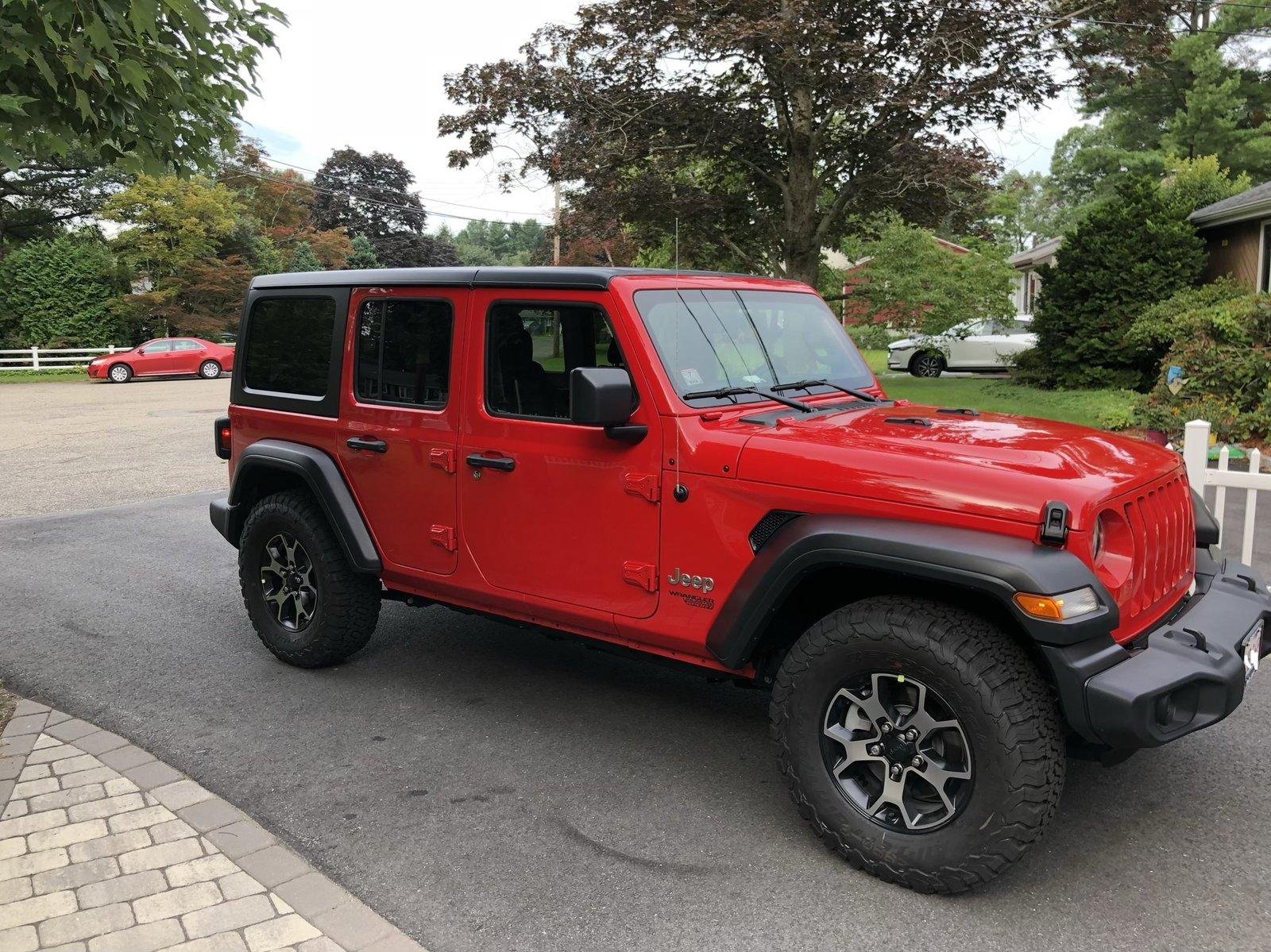
Advantages Of Rubicon Wheels On A Jl Sport
Combining the JL Sport with Rubicon wheels offers a compelling package for many Jeep owners, blending affordability with enhanced looks and potential performance gains.
Enhanced Off-road Capability (with Tires)
As mentioned, Rubicon wheels are often designed to accommodate larger, more aggressive tires. When paired with appropriate all-terrain (AT) or mud-terrain (MT) tires, they significantly improve traction and capability on dirt, mud, sand, and rocks.
The ability to run lower tire pressures, especially with beadlock-capable wheels, is a major advantage off-road, allowing the tires to conform to obstacles and distribute weight more evenly.
Improved Durability
Factory Rubicon wheels are built to a higher standard than those on base models. They are designed to withstand the impacts and stresses of serious off-road use.
This means they are less likely to bend or crack when encountering rocks, potholes, or other trail hazards, providing greater peace of mind for adventurous drivers.
Increased Resale Value
A Jeep Wrangler that has been tastefully modified with desirable components like Rubicon wheels can hold its value well. These wheels are a sought-after upgrade, and their presence can make your Sport model more attractive to potential buyers looking for a Jeep that’s already equipped for adventure.
Customization Options
While factory Rubicon wheels offer a great look, there are also many aftermarket wheels designed in the "Rubicon style. " This opens up a world of customization.
You can find them in various finishes, sizes, and designs, allowing you to personalize your JL Sport further.
Potential Downsides And What To Watch Out For
While the benefits are clear, there are potential downsides and important considerations when fitting Rubicon wheels to a JL Sport.
Cost
Genuine factory Rubicon wheels, even as take-offs, can still be relatively expensive. Aftermarket Rubicon-style wheels offer a more budget-friendly option, but their quality can vary.
It’s essential to budget not only for the wheels but also for the tires, mounting, balancing, and potential installation of TPMS sensors.