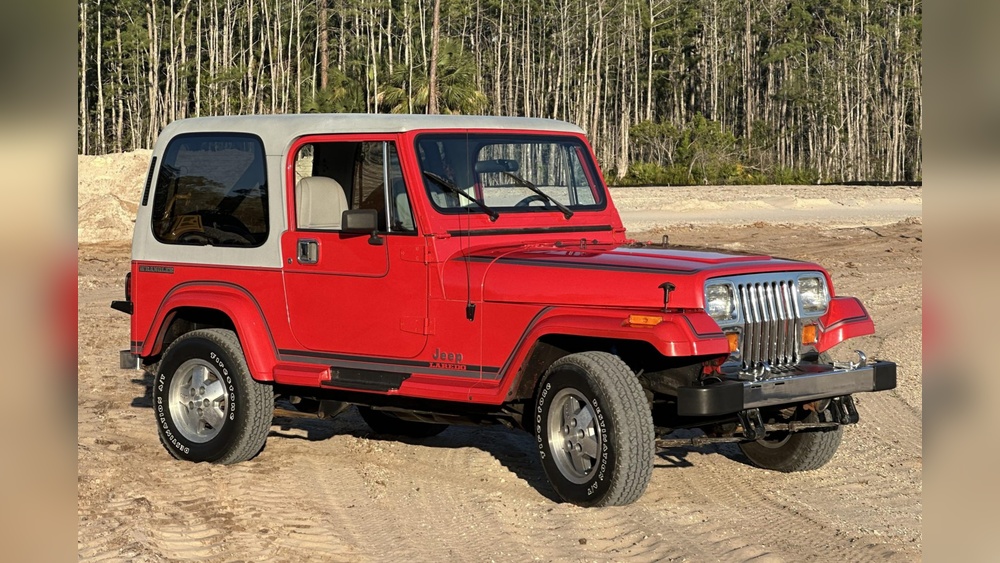
The 1989 Jeep Sahara was a special edition of the iconic Jeep Wrangler (YJ) that offered a blend of rugged capability and enhanced comfort.
While the standard Wrangler YJ was known for its off-road prowess, the Sahara trim aimed to provide a more refined experience for those who wanted to enjoy the Jeep lifestyle without sacrificing everyday usability.
This meant a focus on features that improved on-road comfort, aesthetics, and convenience, making it a popular choice for Jeep enthusiasts looking for something a bit more special than the base models.
Understanding the specifics of the 1989 Sahara, from its unique features to its place in Jeep history, can be fascinating for collectors and casual admirers alike.
Understanding The 1989 Jeep Sahara Yj
The year 1989 marked a significant period for the Jeep Wrangler YJ. It was a time when the vehicle was still relatively new, having debuted in 1987, and Jeep was refining its offerings. The YJ generation was a departure from the CJ series, most notably with its introduction of Rectangular headlights, a feature that still divides Jeep purists. The Sahara trim was introduced to cater to a market segment that desired a more premium feel within the rugged Wrangler package. It wasn’t just about off-road performance; the Sahara was designed to be a more comfortable and visually distinct vehicle, appealing to a broader audience.
The Sahara trim level was positioned above the base models and offered a package of features that enhanced both its appearance and its comfort. This included unique exterior decals, a specific color palette, upgraded interior appointments, and often, more standard equipment than lower trims.
For 1989, Jeep continued this philosophy, making the Sahara a desirable option for those seeking a well-equipped Wrangler that could handle daily driving as well as weekend adventures.
Key Differentiators Of The Sahara Trim
What set the 1989 Jeep Sahara apart from other Wrangler models of its time? The Sahara trim was characterized by several key features that gave it a distinct identity.
These were not just minor cosmetic tweaks; they represented a conscious effort by Jeep to elevate the Wrangler experience.
One of the most noticeable differentiators was the Sahara decal package. These decals were typically found on the hood and sides of the vehicle, often featuring a unique design that signified its special status. The graphics were often two-toned and complemented the body color, giving the Sahara a sportier and more aggressive look.
Beyond the decals, the Sahara trim usually came with unique wheel options. While specific designs could vary, these wheels were often more stylized than the basic steel wheels found on other trims, contributing to the vehicle’s overall premium appearance. They were designed to look good both on and off the pavement.
The interior also received attention. Sahara models often featured upgraded seat upholstery. This could include different patterns, materials, or color accents that made the cabin feel more upscale. The goal was to provide a more comfortable and visually appealing environment for the driver and passengers.
Furthermore, the Sahara trim often included a more comprehensive list of standard features. This could encompass items like power steering, a tilt steering wheel, and sometimes even air conditioning, which might have been optional on other YJ models. These additions were aimed at improving the daily driving experience.
Engine And Drivetrain Options
For 1989, the Jeep Wrangler Sahara, like other YJ models, was primarily powered by the 2.5-liter AMC 150 inline-four engine. This engine was known for its fuel efficiency and decent torque for its size, making it a practical choice for everyday driving. It produced around 112 horsepower.
However, a more powerful option was available: the 4.2-liter AMC 258 inline-six engine. This legendary engine offered significantly more torque and horsepower, typically around 112 horsepower and 210 lb-ft of torque, which was particularly beneficial for off-road performance and towing. While the exact horsepower figures might seem modest by today’s standards, the inline-six was renowned for its durability and low-end grunt.
Transmission choices for the 1989 Sahara included a 5-speed manual transmission as standard, which was the preferred choice for many off-road enthusiasts. An automatic transmission was also available, offering a more relaxed driving experience, especially in city traffic.
In terms of drivetrain, the Sahara was available in two-wheel drive (2WD) and four-wheel drive (4WD) configurations. The 4WD system, often Jeep’s Command-Trac part-time system, was a hallmark of the Wrangler’s capability, allowing drivers to engage four-wheel drive when needed for challenging terrain. The Sahara, while offering comfort, never compromised on this core Jeep identity.
Exterior And Interior Features
The 1989 Jeep Sahara YJ was designed to stand out. Its exterior was typically enhanced with unique color options that were often more vibrant or distinctive than those offered on base models. These special paint schemes were part of the Sahara’s appeal, making it easily identifiable.
The aforementioned Sahara decals were a prominent visual cue. These graphics were carefully designed to complement the body lines and color of the Jeep, adding a sporty flair. They were not just stickers; they were part of the vehicle’s overall aesthetic package.
Standard equipment on the Sahara often included full metal doors with roll-up windows, which offered better weather protection and security compared to the optional soft doors or half doors. This contributed to a more comfortable and refined cabin experience.
Inside, the Sahara stepped up the comfort game. The upgraded seat upholstery was a key feature, often using a combination of durable fabric with unique patterns or color accents. The seats themselves might have offered slightly better bolstering or cushioning than standard seats.
Other interior enhancements could include color-keyed floor mats, a more premium steering wheel, and sometimes enhanced instrumentation. The goal was to create an interior that felt more finished and comfortable for daily use, bridging the gap between a pure off-roader and a more conventional vehicle.
The 1989 Jeep Sahara In Context: A Look At Its Place In History
The 1989 Jeep Sahara YJ arrived at a time when Jeep was solidifying its identity in the automotive market. Following the transition from the popular CJ series to the more modern YJ, Jeep was balancing tradition with innovation.
The YJ generation, with its independent front suspension (a departure from the solid front axle of the CJ) and the controversial rectangular headlights, was a significant step.
The Sahara trim was a crucial part of this evolution, demonstrating Jeep’s intention to broaden the appeal of the Wrangler.
The Sahara wasn't just a trim package; it represented a philosophy. It showed that Jeep understood its customers wanted the capability and ruggedness associated with the brand, but also appreciated comfort, style, and a touch of luxury.
This approach paved the way for future Wrangler special editions and higher trim levels that continued to blend off-road prowess with on-road refinement.
Comparing The 1989 Sahara To Other Yj Trims
To truly appreciate the 1989 Jeep Sahara, it’s helpful to compare it with the other YJ trims available that year. The primary trims were typically the base Wrangler and the Laredo.
The base Wrangler was the no-frills option. It usually came with the 2.5-liter engine, minimal creature comforts, and basic steel wheels. It was designed for maximum affordability and pure off-road functionality.
The Laredo trim offered a step up from the base model. It usually included features like a more comfortable interior, upgraded exterior trim, and potentially options like air conditioning and power steering as standard or more readily available. It was aimed at buyers who wanted a more comfortable daily driver.
The Sahara then sat at the top, offering the most comprehensive package. It incorporated many of the Laredo’s comfort features but added its own unique styling elements, such as the distinctive decals and often specific wheel designs. The Sahara was for the buyer who wanted the best of both worlds: the iconic Jeep look and capability, with added style and comfort that made it stand out from the crowd.
Here’s a simplified comparison:
| Feature | Base Wrangler | Laredo | Sahara |
|---|---|---|---|
| Engine | 2.5L I4 | 2.5L I4 / 4.2L I6 | 2.5L I4 / 4.2L I6 |
| 4WD | Optional | Optional | Optional |
| Decals | None | Minimal | Sahara Package |
| Wheels | Steel | Alloy (often) | Unique Alloy |
| Upholstery | Basic Cloth | Upgraded Cloth | Premium Cloth |
| Doors | Full Metal | Full Metal | Full Metal |
| Comfort Features | Minimal | Enhanced | Most Enhanced |
The Legacy Of The Yj Generation
The YJ generation, which spanned from 1987 to 1995, was a pivotal era for the Jeep Wrangler. It represented a significant shift from the beloved CJ series, introducing features that made it more compliant with modern automotive standards and regulations.
The introduction of power steering, automatic transmissions, and more comfortable interiors broadened the Wrangler’s appeal beyond hardcore off-roaders.
The rectangular headlights remain the most debated aspect of the YJ. While controversial among some enthusiasts who preferred the round headlights of the CJ, they were a functional and stylistic choice that defined the YJ’s era.
The YJ also saw the introduction of safety features like improved seat belts and crumple zones, making it a safer vehicle for daily use. The Sahara trim, in particular, embodied this move towards a more refined and user-friendly Jeep. It demonstrated that Jeep could offer a vehicle that was both highly capable off-road and comfortable enough for a daily commute or a long road trip.
Impact On Future Jeep Models
The success of special editions like the Sahara in the YJ generation had a lasting impact on Jeep's strategy. It showed that there was a strong market demand for Wranglers that offered more than just basic functionality.
This paved the way for subsequent generations of the Wrangler to offer a wider range of trim levels, from the utilitarian Sport to the luxurious Rubicon with premium features.
The Sahara trim itself evolved over the years, but its core concept remained: to provide a Wrangler with enhanced styling and comfort features. The 1989 Sahara was an early and successful example of this strategy, proving that Jeep could successfully blend ruggedness with refinement, a formula that continues to define the Wrangler’s enduring appeal.
Specifics Of The 1989 Jeep Sahara Wheels
When discussing the 1989 Jeep Sahara wheels, we’re talking about a specific aesthetic and functional element that contributed significantly to the Sahara’s distinct character. The wheels were not just for mounting tires; they were a key part of the Sahara’s visual identity and a differentiator from other YJ models.
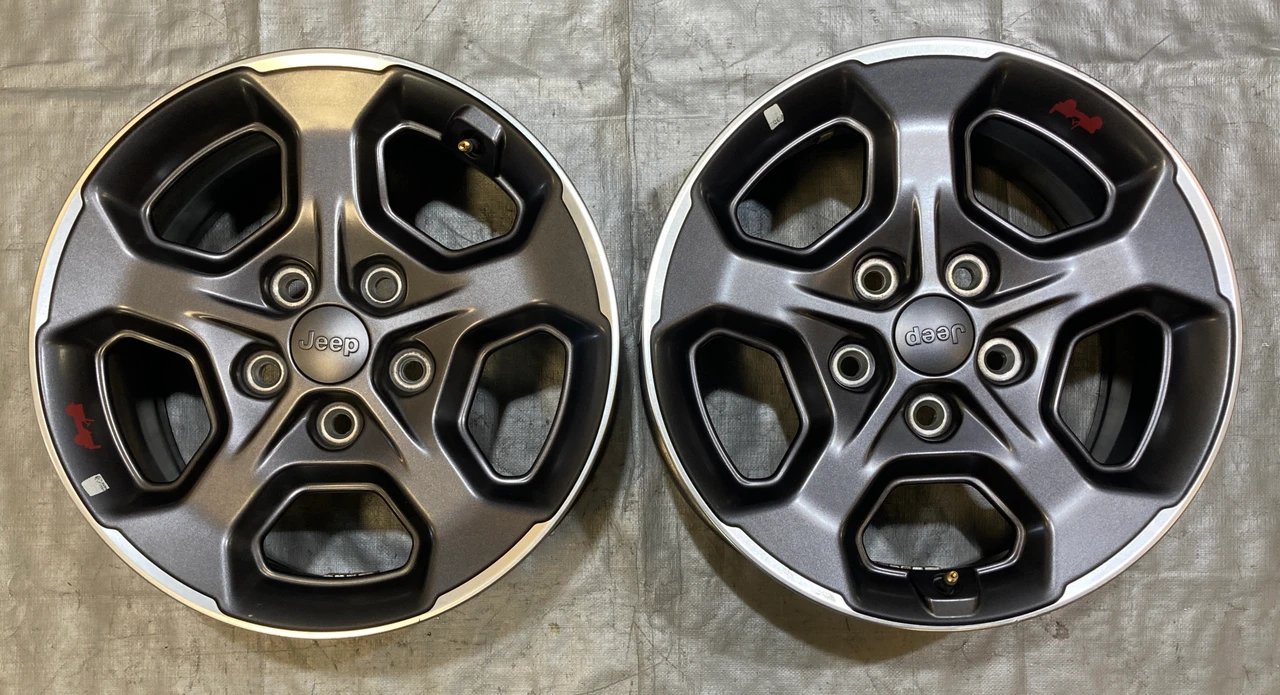
For the 1989 model year, the Sahara trim typically came equipped with unique alloy wheels. These were not the standard steel wheels found on base models, nor were they always the same alloy wheels offered on the Laredo. Jeep designed specific wheels for the Sahara to enhance its sporty and premium look.
These wheels were often 15 inches in diameter and featured a multi-spoke design. The finish could vary, but they were generally painted or clear-coated to give them a brighter, more attractive appearance than plain steel wheels. The design was usually somewhat intricate, with clean lines that complemented the ruggedness of the Jeep without appearing overly flashy.
The tire size typically fitted to these 15-inch wheels was often 215/75R15. This size provided a good balance between on-road comfort and off-road capability, fitting well within the wheel wells without requiring significant modifications. The tires themselves would have been all-terrain or highway-terrain tires, depending on the original factory specification and options.
Design And Finish Of Sahara Wheels
The design of the 1989 Sahara wheels was carefully chosen to align with the Sahara’s overall package. They often featured a five-spoke or multi-spoke pattern, which was a popular style in the late 1980s and early 1990s. These designs aimed to be visually appealing while maintaining structural integrity for off-road use.
The finish was crucial. Unlike basic steel wheels, the Sahara’s alloys typically had a machined face with painted accents or a full painted finish. This gave them a more polished look. For instance, the spokes might have been machined to a bright metallic finish, with the recesses between the spokes painted in a contrasting color, often black or a dark grey, to highlight the design.
The center cap of the wheel also played a role. It would often feature the Jeep logo, sometimes in a specific color that complemented the wheel's finish.
The lug nuts and valve stem were standard, but the overall impression was one of a more refined and complete wheel assembly.
Tire Size And Fitment
The standard tire size for the 1989 Jeep Sahara, when fitted with its factory alloy wheels, was typically 215/75R15. This tire size offered a good compromise for a vehicle that was expected to perform both on paved roads and in light to moderate off-road conditions.
- 215: This is the width of the tire in millimeters. A 215mm width provides a decent contact patch for grip on various surfaces.
- 75: This is the aspect ratio, meaning the tire’s sidewall height is 75% of its width. A higher aspect ratio generally contributes to a more comfortable ride.
- R15: This indicates that the tire is radial construction and designed to fit a 15-inch diameter wheel.
This tire size was chosen to work well with the stock suspension and body of the YJ Wrangler. It provided sufficient ground clearance without causing excessive speedometer error or requiring significant fender modifications.
While owners might later upgrade to larger tires for more aggressive off-roading, the 215/75R15 was the intended fitment for the 1989 Sahara.
Availability And Replacement
Original 1989 Jeep Sahara wheels can be difficult to find in pristine condition today. Many have been replaced over the years due to wear, damage from off-roading, or owners opting for aftermarket wheels.
However, they remain sought after by collectors and restorers who want to maintain the authentic look of their Sahara.
When looking for replacements, it’s important to ensure you are getting the correct Sahara-specific design for the 1989 model year, as wheel designs can vary slightly between years and trim levels. Websites specializing in vintage Jeep parts or online marketplaces like eBay are often the best places to search.
It’s also worth noting that reproduction wheels are sometimes available. These can be a good option if original wheels are too rare or expensive, offering a similar look at a potentially lower cost. However, authenticity