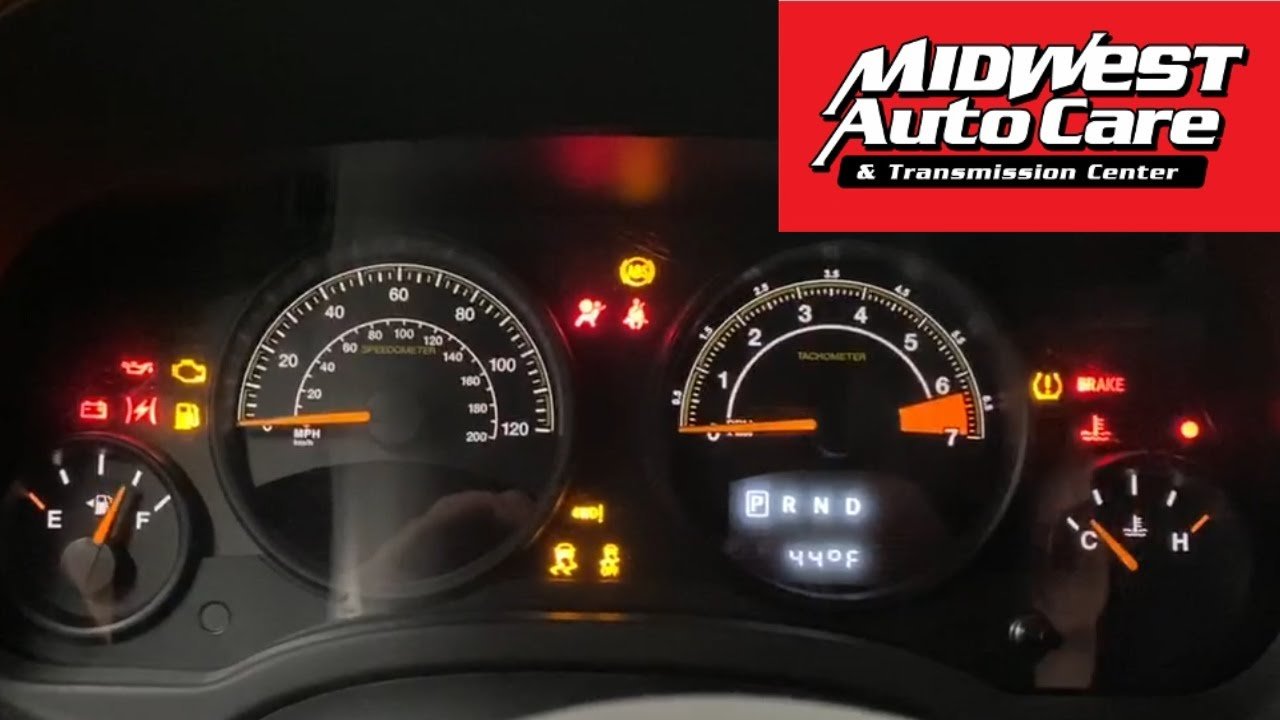
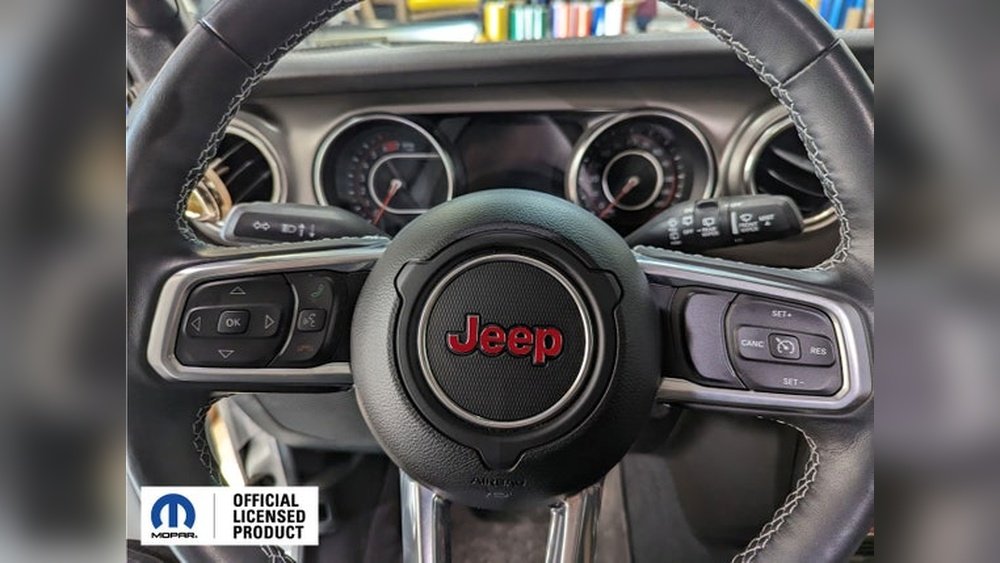
Resetting the oil change light on your Jeep Patriot is a simple but important task. If you recently changed the oil yourself or at a shop, you might notice the oil change reminder still appears on your dashboard.
This warning light doesn’t turn off automatically after changing the oil—it needs a manual reset. Keeping your oil change system up-to-date helps you track maintenance and protects your engine.
Many Jeep Patriot owners, especially new drivers, find this process confusing, but learning how to reset the light can save you money and frustration.
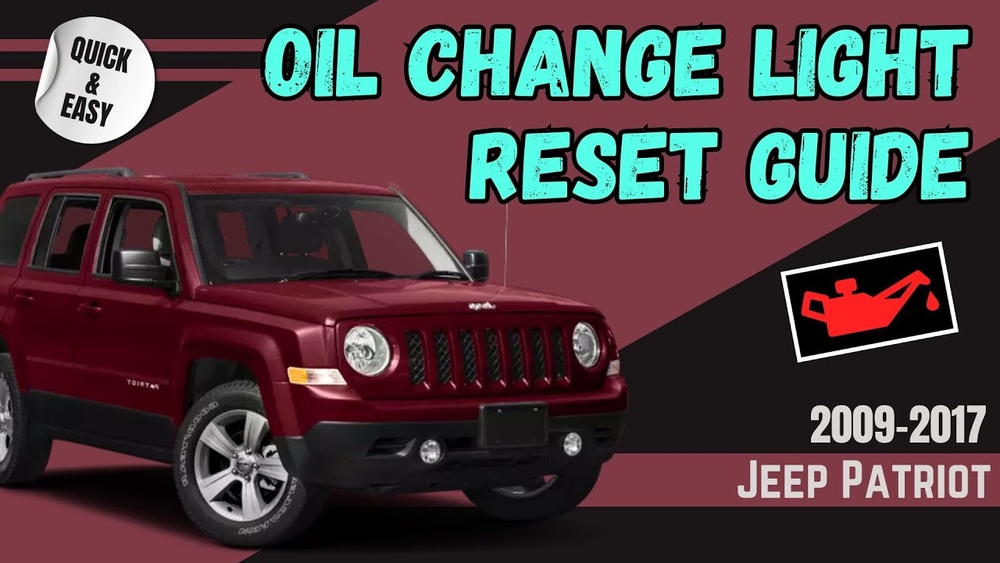
Why The Oil Change Light Matters
The oil change indicator is more than just a reminder. It’s part of your car’s maintenance system, tracking engine hours and driving conditions to estimate when the oil should be changed. Ignoring the light can lead to reduced engine efficiency and, over time, expensive repairs. Resetting the light ensures you get accurate reminders for your next oil change, making regular maintenance easier.
Step-by-step: Resetting The Oil Change Light
You don’t need special tools or a mechanic to reset the oil change light. Most Jeep Patriot models use the same reset process, but always check your owner’s manual for your year.
- Turn the ignition ON: Insert the key and turn it to the ON position without starting the engine.
- Press the gas pedal: Slowly press the accelerator all the way down three times within ten seconds.
- Turn the ignition OFF: After pressing the pedal, turn the key to the OFF position.
- Check the oil light: Start the engine. The oil change light should be gone. If it’s still on, repeat the steps.
This process works for most Jeep Patriot models from 2007 to 2017. Some newer cars may have slight variations, but the basic method remains similar.
Example Scenario
Imagine you just changed your oil at home. You turn on the car, but the oil change reminder still flashes. Following the steps above, you press the pedal three times, turn off the ignition, and restart. The warning is gone, and your maintenance tracker is reset.

Common Mistakes And How To Avoid Them
Many beginners make simple mistakes when resetting the oil change light.
- Not pressing the pedal fully: Always press the accelerator all the way down.
- Going too fast or slow: Timing matters. Complete all three presses within ten seconds.
- Starting the engine: Don’t start the car until after the reset steps.
- Not checking the manual: Some models have unique instructions. Always double-check.
If the light doesn’t reset, try again. Sometimes the timing can be tricky.
If it still doesn’t work after several tries, consult your manual or contact a Jeep dealer.
Oil Change Light Reset: Jeep Patriot Vs Other Cars
Different cars have different reset methods. Here’s a quick comparison:
| Car Model | Reset Method | Tools Needed |
|---|---|---|
| Jeep Patriot | Gas pedal method | None |
| Ford Focus | Dashboard buttons | None |
| Toyota Corolla | Trip meter reset | None |
| Honda Civic | Multi-information display | None |
The Jeep Patriot’s method is simple and doesn’t require special equipment or technical knowledge.
When Should You Change Oil?
The oil change light is a guide, but you should also follow recommended intervals. For most Jeep Patriot models, change the oil every 5,000 to 7,500 miles or every six months, whichever comes first. If you drive in tough conditions, like frequent short trips or extreme temperatures, change the oil more often.
Mileage Vs Oil Change Light
Sometimes the oil change light comes on before you reach the recommended mileage. This is because the system tracks engine hours and driving habits.
If you change oil earlier, always reset the light.
| Driving Condition | Recommended Change Interval | Oil Type |
|---|---|---|
| Normal | 7,500 miles | Conventional |
| Severe | 5,000 miles | Synthetic |
| Short Trips | 4,000 miles | Conventional |
Following these intervals and resetting the light ensures your engine stays healthy.
Tips For Jeep Patriot Owners
- Keep records: Write down your oil change date and mileage.
- Use quality oil: Always use the recommended oil type for your model.
- Check oil level: Don’t rely only on the reminder. Check your oil level regularly.
- Ask for help: If you’re unsure, get help from a mechanic or Jeep dealer.
A non-obvious tip: If you disconnect the battery or have electrical work done, the oil change light may reset automatically. This can confuse your maintenance schedule, so always check your records after any electrical work.
Another overlooked point: Sometimes a faulty sensor can cause the oil change light to stay on even after a reset. If this happens, have your car checked for sensor issues.
Benefits Of Resetting The Oil Change Light
Resetting the oil change light keeps your maintenance system accurate. You’ll know exactly when the next oil change is needed.
It also prevents unnecessary reminders, which can be distracting or annoying. Regular resets help you follow the manufacturer’s schedule and increase your car’s resale value by showing proper maintenance.
Many people skip this step, thinking it’s not important, but it’s a quick process that pays off in the long run.
Frequently Asked Questions
How Often Should I Reset The Oil Change Light?
You should reset the oil change light every time you change the oil, whether you do it yourself or at a shop.
Does The Oil Change Light Mean Low Oil?
No, the oil change light is a maintenance reminder, not an indicator of low oil. Always check your oil level separately.
Can I Reset The Oil Change Light Without Changing The Oil?
Yes, but it’s not recommended. The light is there to help you maintain your car.
Only reset it after an actual oil change.
What If The Oil Change Light Won’t Turn Off?
If the light doesn’t reset after following the steps, check your owner’s manual, try again, or contact a Jeep dealer. Sometimes a sensor or electrical issue is the cause.
Where Can I Find Official Jeep Patriot Maintenance Guidelines?
Official maintenance information is available at the Jeep website: Jeep Owners Manual.
Resetting your oil change light is a small task, but it keeps your Jeep Patriot running smoothly and protects your investment. With just a few steps, you can ensure your maintenance system is accurate and reliable.