If your Jeep’s check engine light just came on, you’re probably wondering what to do next. Ignoring it can lead to bigger problems, but rushing to the mechanic might not always be necessary.
What if you could reset that light yourself and get back on the road with confidence? Whether you want to clear a false warning or simply understand the process, show you simple, effective ways to reset your Jeep’s check engine light.
From using an OBD-II scanner to quick tricks you can try at home, you’ll learn exactly what steps to take. Keep reading, your Jeep (and your peace of mind) will thank you.

Common Causes For Check Engine Light
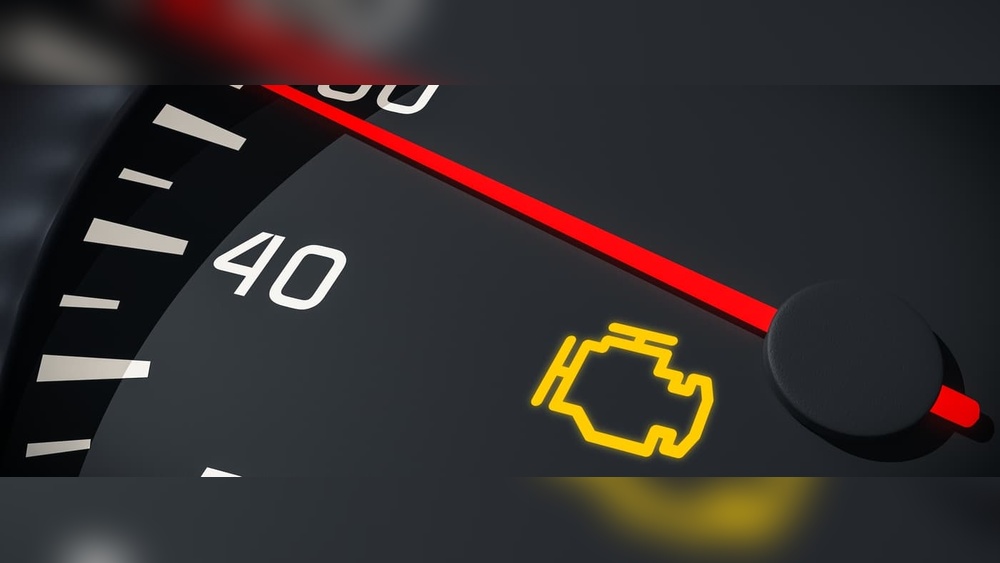
The check engine light in your Jeep signals a problem detected by the vehicle’s computer. Understanding common causes helps you decide the next steps.
Some issues are simple, while others need professional help.
Knowing typical reasons for this warning can save time and money. It also keeps your Jeep running safely and efficiently.
Loose Or Damaged Gas Cap
A loose or damaged gas cap is a frequent cause of the check engine light. It can let fuel vapors escape, triggering the warning.
Tightening or replacing the gas cap often clears the light quickly.
Faulty Oxygen Sensor
The oxygen sensor measures the amount of oxygen in the exhaust. A bad sensor sends wrong data to the engine’s computer.
This leads to poor fuel economy and increased emissions. Replacing the sensor usually fixes the problem.
Engine Misfire
An engine misfire happens when one or more cylinders don’t fire properly. This can cause rough running and lower power.
Misfires can result from bad spark plugs, ignition coils, or fuel issues. Repairing these parts stops the light.
Vacuum Leak
Vacuum leaks let unmetered air enter the engine, disturbing the fuel mixture. This causes the engine to run poorly and triggers the check engine light.
Finding and fixing leaks in hoses or gaskets resolves this issue.
Catalytic Converter Issues
The catalytic converter reduces harmful emissions. Problems here affect engine performance and fuel efficiency.
A failing catalytic converter often causes the check engine light to turn on. Replacing it restores proper function.
Using An Obd-ii Scanner
Using an OBD-II scanner is a straightforward way to reset the check engine light on your Jeep. This tool connects to your vehicle’s computer system and helps you identify issues.
It also lets you clear error codes safely, turning off the warning light.
Anyone can use an OBD-II scanner with basic instructions. It saves time and avoids unnecessary trips to the mechanic.
Below is a step-by-step guide to reset the check engine light using this device.
Locating The Diagnostic Port
The diagnostic port is usually under the dashboard on the driver’s side. Look beneath the steering wheel near the pedals.
It is a small, trapezoid-shaped connector with 16 pins. Your Jeep must be turned off before connecting the scanner.
Reading Error Codes
Plug the OBD-II scanner into the diagnostic port. Turn the ignition key to the “ON” position without starting the engine.
The scanner will power up and communicate with your Jeep’s computer. Follow the scanner’s menu to read error codes.
These codes explain why the check engine light is on.
Clearing Codes With The Scanner
After noting the error codes, select the “Erase” or “Clear Codes” option on the scanner. This action resets the check engine light.
Turn off the ignition and unplug the scanner. Start your Jeep to confirm the light is off.
If the problem persists, the light may return.
Recommended Obd-ii Scanners For Jeep
Choose a scanner that supports Jeep models and offers easy code reading. Popular options include the BlueDriver Bluetooth scanner, Autel AutoLink AL319, and FIXD OBD-II scanner.
These devices provide clear instructions and reliable code clearing. They work well for beginners and experienced users alike.
Key Cycle Method
The Key Cycle Method offers a simple way to reset the check engine light on your Jeep. This method does not require special tools.
It uses the ignition key to reset the vehicle’s computer system. Many Jeep owners find this method quick and easy to try before seeking professional help.
Steps To Perform Key Cycling
- Insert the key into the ignition.
- Turn the key to the “ON” position without starting the engine.
- Leave it in the “ON” position for about 10 seconds.
- Turn the key back to the “OFF” position.
- Repeat this cycle three to five times.
- After the last cycle, start the engine and check the light.
When This Method Works Best
The Key Cycle Method works best when the check engine light is on due to minor glitches. It is effective after the vehicle’s computer detects no serious faults.
If the problem is fixed, this method can reset the light. It works well for temporary issues that do not need repairs.
Limitations Of The Key Cycle Method
This method cannot clear serious engine problems. The check engine light will return if the issue remains.
It does not erase stored error codes in the computer. The method may not work on newer Jeep models with advanced systems.
Using a scanner is often more reliable for complex issues.

Battery Disconnect Method
The Battery Disconnect Method is a simple way to reset the check engine light on your Jeep. It works by cutting power to the vehicle’s computer system.
This forces the system to restart and clear error codes temporarily. This method does not fix the underlying issue but can turn off the light after minor problems.
Follow these steps carefully to avoid damage or injury. Always handle the battery with care.
Safety Precautions
Wear safety gloves and eye protection before starting. Make sure the Jeep is parked on a flat surface.
Turn off the engine and remove the key from the ignition. Avoid touching both battery terminals at the same time with any metal objects.
Keep metal tools away from the battery terminals to prevent sparks.
Disconnecting The Negative Battery Terminal
Open the hood and locate the battery. Identify the negative terminal marked with a minus sign (-) and usually covered with a black cap.
Use a wrench to loosen the nut on the negative terminal clamp. Carefully lift the clamp off the battery post and set it aside.
Do not let the clamp touch any metal parts of the car.
Draining Residual Power
Press the brake pedal several times to drain any leftover power in the system. This step helps clear the computer memory.
Wait for 10 to 15 minutes to ensure all residual power drains. Avoid opening doors or turning on lights during this time. This process resets the vehicle’s computer.
Reconnecting The Battery And Restarting
Place the negative terminal clamp back on the battery post. Tighten the nut securely with a wrench.
Close the hood and insert the key into the ignition. Turn the key to the “ON” position without starting the engine.
Wait a few seconds, then start the engine. Check if the check engine light is off.
If the light remains on, the issue may require professional diagnosis.
Conclusion
Resetting the check engine light on your Jeep is simple and quick. Use an OBD-II scanner to read and clear codes easily.
You can also disconnect the battery for a few minutes to reset the system. Always make sure the Jeep is parked safely and the engine is off before starting.
Remember, the light warns you of potential issues. If the light returns, seek professional help to avoid damage.
Keeping your Jeep in good shape ensures better performance and safety on the road.