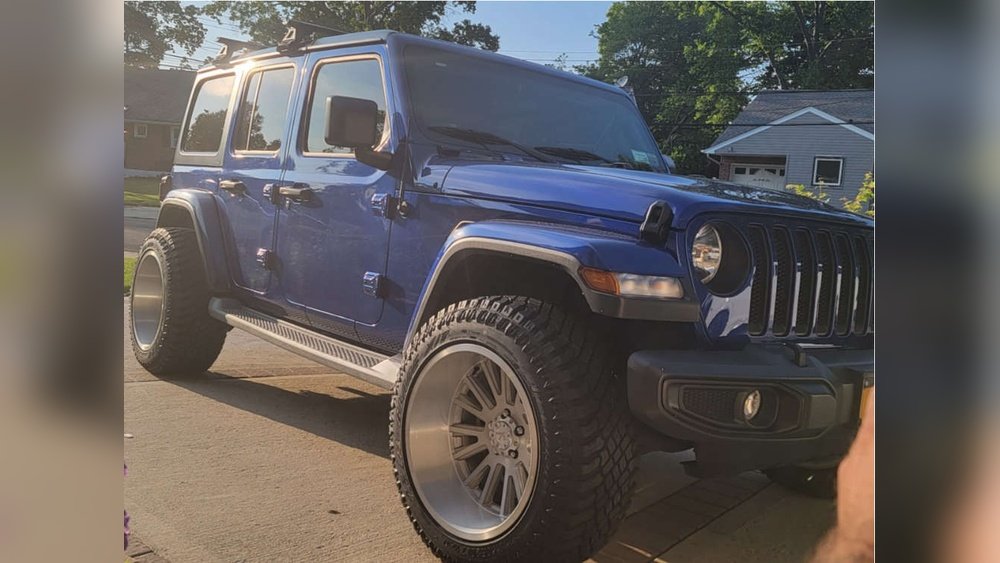
Your 2013 Jeep Wrangler’s check engine light just came on, and you’re wondering what to do next. You’re not alone—this little warning can cause a lot of stress.
But before you panic or rush to the mechanic, there are simple ways you can reset that light yourself. Imagine saving time and money by handling this quickly and easily.
In this guide, you’ll discover straightforward methods to reset your Jeep Wrangler’s check engine light, why it turns on, and what you need to watch out for.
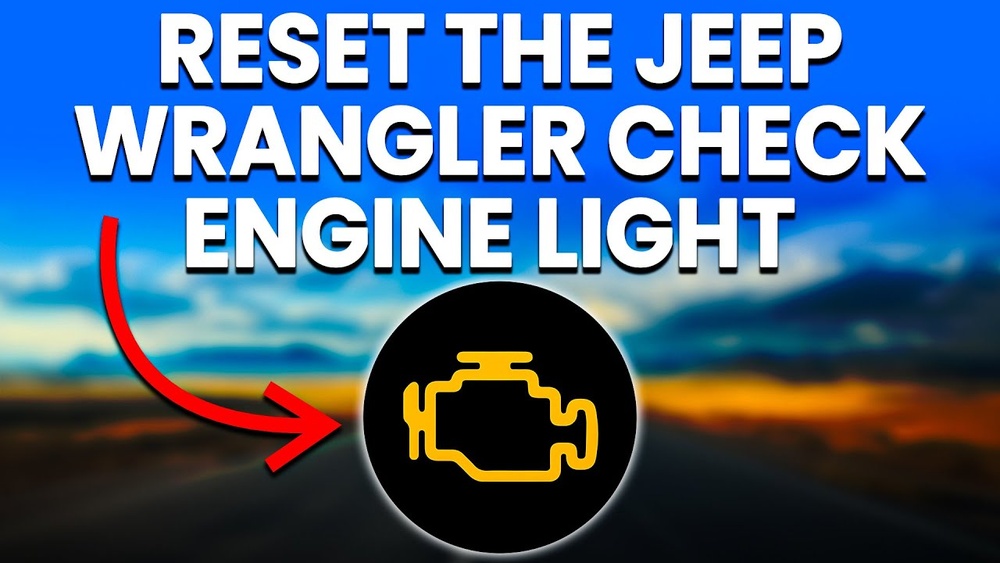
Keep reading, and you’ll have your Jeep back to running smoothly in no time.
Causes Of Check Engine Light
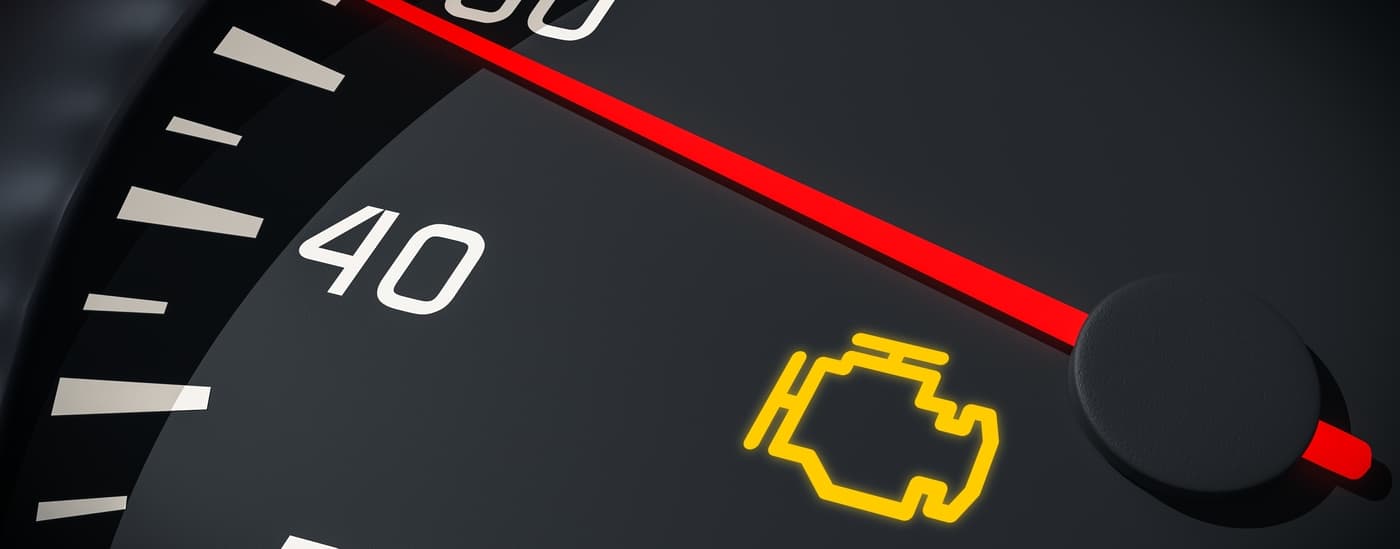
The check engine light signals a problem in your Jeep Wrangler 2013. It comes on when the vehicle’s computer detects an issue. Understanding the causes helps you decide what to do next. Problems can range from minor to serious. Some are easy fixes, while others need a mechanic’s attention.
Ignoring the light can lead to bigger problems. It is important to know the common reasons and when to be concerned.
This knowledge helps keep your Jeep running smoothly and safely.
Common Issues In Jeep Wrangler 2013
Faulty oxygen sensors often trigger the check engine light. These sensors monitor the air-fuel mix for efficient combustion.
A bad sensor affects fuel economy and emissions.
Loose or damaged gas caps cause leaks in the fuel system. This is a simple issue but enough to turn on the light. Check the cap for tightness and damage.
Problems with spark plugs or ignition coils also cause the light to appear. These parts affect engine performance and starting.
Worn plugs lead to misfires and rough running.
Issues with the catalytic converter can cause the light to flash or stay on. This part reduces harmful emissions.
A failing converter affects engine power and emissions tests.
When To Be Concerned
If the light is steady, it usually means a minor problem. The Jeep can still be driven but should be checked soon.
A flashing light means a serious engine misfire. Stop driving and get help quickly to avoid damage.
Do not ignore the check engine light if it stays on for many days. Even small problems can worsen over time.
Have the vehicle inspected to avoid costly repairs.
Pay attention to other signs like strange noises, poor fuel economy, or loss of power. These often accompany engine issues.
Early action keeps your Jeep safe and reliable.
Using An Obd-ii Scanner
Using an OBD-II scanner is the easiest way to reset the check engine light on your 2013 Jeep Wrangler. This tool connects to your vehicle’s computer and helps you find the exact problem. It also clears the codes safely once the issue is fixed. Below are the steps to use an OBD-II scanner properly.
Locating The Diagnostic Port
The diagnostic port is where you connect the OBD-II scanner. In most Jeep Wranglers, it is under the dashboard on the driver’s side.
Look below the steering wheel near the pedals. The port is shaped like a trapezoid and easy to spot.
Reading Trouble Codes
Turn the ignition key to the “ON” position without starting the engine. Plug the scanner into the diagnostic port.
Follow the scanner’s instructions to read the trouble codes stored in your Jeep’s computer. These codes tell you why the check engine light is on.
Clearing Codes Safely
After fixing the problem that caused the error codes, use the scanner to clear them. Select the clear or erase option on the device.
This action resets the check engine light. Make sure the issue is fully resolved to avoid the light coming back on.
Battery Disconnect Method
The Battery Disconnect Method is a simple way to reset the check engine light on your 2013 Jeep Wrangler. This method works by cutting the power to the vehicle’s computer, allowing it to clear any stored error codes.
It is useful if you do not have a diagnostic scanner or want a quick reset after fixing a minor issue.
Before disconnecting the battery, it is important to follow some safety steps. This prevents damage to your vehicle and keeps you safe during the process.
Safety Precautions
Wear safety glasses to protect your eyes from sparks or debris.
Make sure the engine is off and keys are removed from the ignition.
Avoid touching both battery terminals at the same time to prevent short circuits.
Keep metal tools away from the battery terminals to avoid sparks.
Steps To Disconnect Battery
Open the hood and locate the battery. The negative terminal usually has a black cover and a minus (-) sign.
Use a wrench to loosen the nut on the negative battery cable.
Carefully lift the negative cable off the battery terminal and set it aside.
Leave the cable disconnected for about 15 minutes to allow the vehicle’s computer to reset.
Reconnecting And Resetting
After 15 minutes, reconnect the negative cable to the battery terminal.
Tighten the nut securely with the wrench but do not overtighten.
Close the hood and start the Jeep Wrangler.
The check engine light should now be off. If the light remains on, the issue may need further diagnosis.
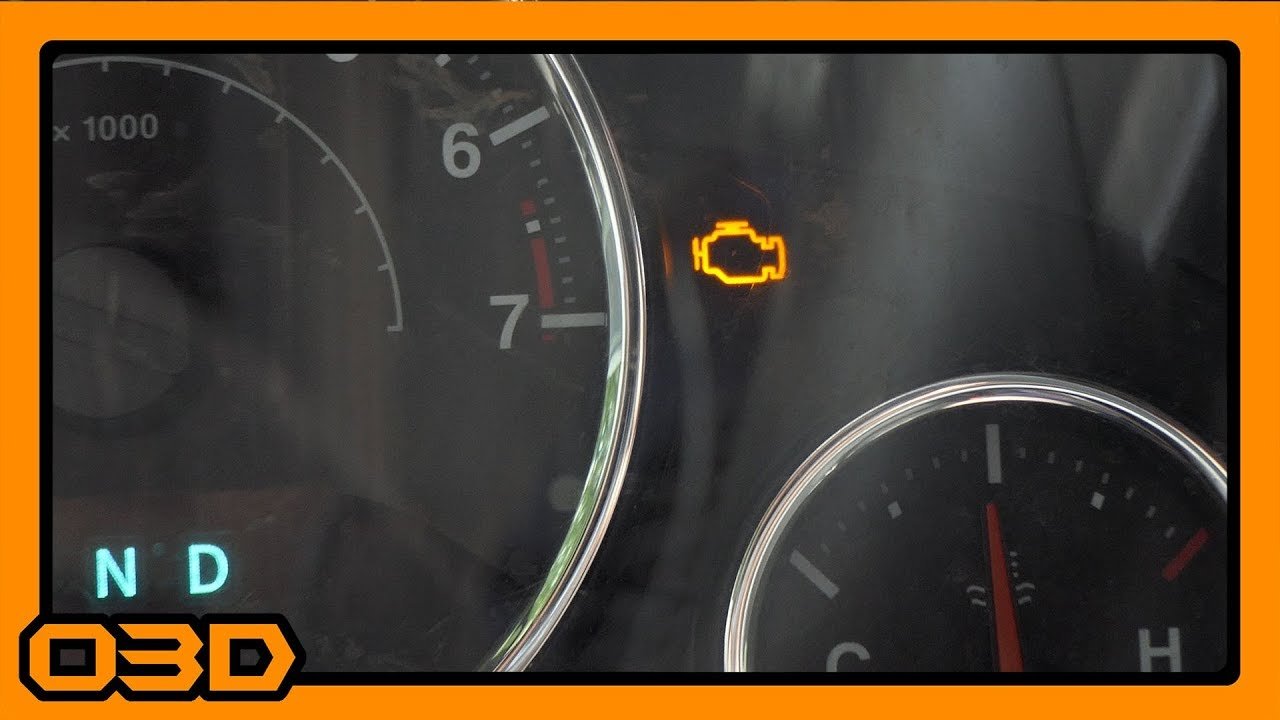
Key Cycle Reset Technique
The Key Cycle Reset Technique offers a simple way to reset the check engine light on a 2013 Jeep Wrangler. This method uses the ignition key to reset the vehicle’s computer system without extra tools.
This technique can help clear minor errors and turn off the check engine light. It works by cycling the ignition on and off, which signals the car’s computer to refresh itself.
Follow these easy steps to try this reset.
Turning Ignition Without Starting
Insert the key into the ignition and turn it to the “ON” position. Do not start the engine.
The dashboard lights will come on, including the check engine light.
Leave the key in this position for about 10 seconds. This allows the computer to scan for errors and prepare to reset.
After 10 seconds, turn the key back to the “OFF” position. Wait for 5 seconds before the next step.
Repeating The Cycle
Repeat the on-off cycle three or four times. Each cycle should last about 10 seconds in the “ON” position and 5 seconds in the “OFF” position.
This repetition helps clear the error codes stored in the computer. It refreshes the system and turns off the check engine light.
After the final cycle, try starting the engine to check if the light stays off. If the light remains, further diagnosis may be needed.
Manual Checks Before Reset
Before resetting the check engine light on your 2013 Jeep Wrangler, perform manual checks to avoid repeated issues. A reset without inspection might hide underlying problems.
Simple checks can save time and money by catching minor faults early. Focus on engine hoses and sensors first.
Then handle any small repairs you find. This approach helps keep your Jeep running smoothly and safely.
Inspecting Engine Hoses And Sensors
Begin by visually examining all engine hoses. Look for cracks, leaks, or loose connections.
Damaged hoses often cause engine problems and trigger the check engine light. Check each sensor connected to the engine system.
Sensors like the oxygen sensor or mass airflow sensor need to be clean and secure. Dirty or faulty sensors can send wrong signals to the engine control unit.
Fixing hose or sensor issues may turn off the light without a reset.
Addressing Minor Repairs
Look for small issues such as loose gas caps or worn spark plugs. A loose gas cap is a common cause of the check engine light.
Tighten it firmly and see if the light goes off. Inspect spark plugs for wear or damage.
Replace them if needed to improve engine performance. Check for minor vacuum leaks or clogged air filters.
Fixing these small problems helps prevent bigger engine faults. After repairs, the check engine light may reset on its own or require a manual reset.
When To Seek Professional Help
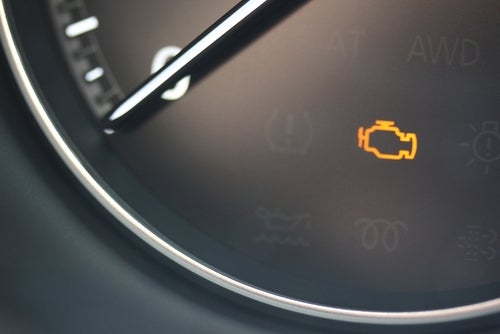
The check engine light on your 2013 Jeep Wrangler signals a problem in the vehicle’s system. Sometimes, resetting this light at home is enough.
Other times, you need help from a professional mechanic. Knowing when to seek expert help keeps your Jeep safe and running smoothly.
Persistent Check Engine Light
If the check engine light stays on after a reset, the issue may be serious. Repeated resets without fixing the cause can lead to more damage.
A steady light means the problem is still there and needs a professional’s attention. Ignoring it can cause costly repairs later.
Complex Issues Beyond Diy
Some problems require special tools and knowledge. Electrical faults, sensor failures, or engine troubles often need expert diagnostics.
Mechanics have scanners and experience to find hidden issues. Trying to fix complex problems without skills can make things worse.
Trust a professional when the cause is unclear or repairs are complicated.
Preventing Future Check Engine Lights
Preventing future check engine lights on your 2013 Jeep Wrangler helps avoid unexpected repairs. Staying proactive keeps your vehicle running smoothly.
It also saves time and money. Simple habits can make a big difference in your Jeep’s health.
Regular Maintenance Tips
Check your Jeep’s oil level and quality often. Change the oil and filter as recommended in the owner’s manual.
Inspect air filters and replace them if dirty. Clean or replace spark plugs to ensure proper ignition.
Check for loose or damaged hoses under the hood. Keep the fuel system clean by using quality fuel.
Regularly inspect the exhaust system for leaks or damage. Schedule routine inspections with a trusted mechanic.
Early detection of issues stops problems from growing.
Using Quality Parts
Always choose OEM or high-quality aftermarket parts. Cheap parts may fail faster and cause engine issues.
Use the correct type of oil and fluids for your Jeep. Replace sensors and components with parts made for your model.
Installing trusted parts improves performance and reliability. Avoid shortcuts that might cause the check engine light to come back.
Quality parts protect your engine and keep it running well. This reduces the chance of error codes and warnings.
Frequently Asked Questions
How Do I Turn Off The Check Engine Light In A Jeep Wrangler?
Use an OBD-II scanner to read and clear codes via the diagnostic port under the dashboard. Alternatively, disconnect the negative battery cable for a few minutes, then reconnect it.
Fix the underlying issue to prevent the light from returning.
How To Clear A Jeep Check Engine Light Without A Scanner?
Turn off the ignition and disconnect the negative battery cable for 5-10 minutes. Press the brake pedal to drain power, then reconnect the cable.
This resets the computer and clears the check engine light without a scanner.
Can I Clear My Check Engine Light Myself?
Yes, you can clear your check engine light yourself using an OBD-II scanner or by disconnecting the negative battery cable for a few minutes. Remember, the light may return if the underlying issue remains unresolved.
Can I Drive $1000 Miles With The Check Engine Light On?
Driving 1000 miles with the check engine light on can risk severe engine damage. Have a mechanic diagnose the issue first.
Conclusion
Resetting the check engine light on your 2013 Jeep Wrangler is simple. Use an OBD-II scanner for quick code reading and clearing.
Disconnecting the negative battery cable can also reset the light without tools. Remember, fixing the root problem stops the light from returning.
Always address engine issues promptly for safe driving. Keep your Jeep in top shape by regularly checking for warning signs.
This helps avoid costly repairs and keeps your Wrangler running smoothly.