Removing the fender liner from your Jeep JK is a task that many owners tackle to install larger tires, upgrade suspension, or simply clean mud and debris. While the process is straightforward, it requires careful steps to avoid damaging your vehicle.
This guide walks you through removing the fender liner efficiently, highlights common mistakes, and shares practical tips for a smooth experience.
Why Remove The Jeep Jk Fender Liner?
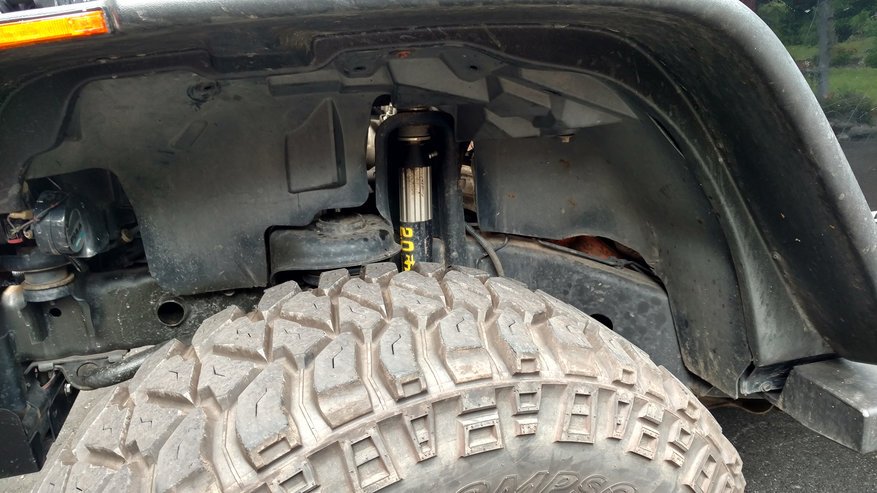
The fender liner is designed to protect the wheel wells from dirt, rocks, and water. However, many Jeep JK owners remove them to:
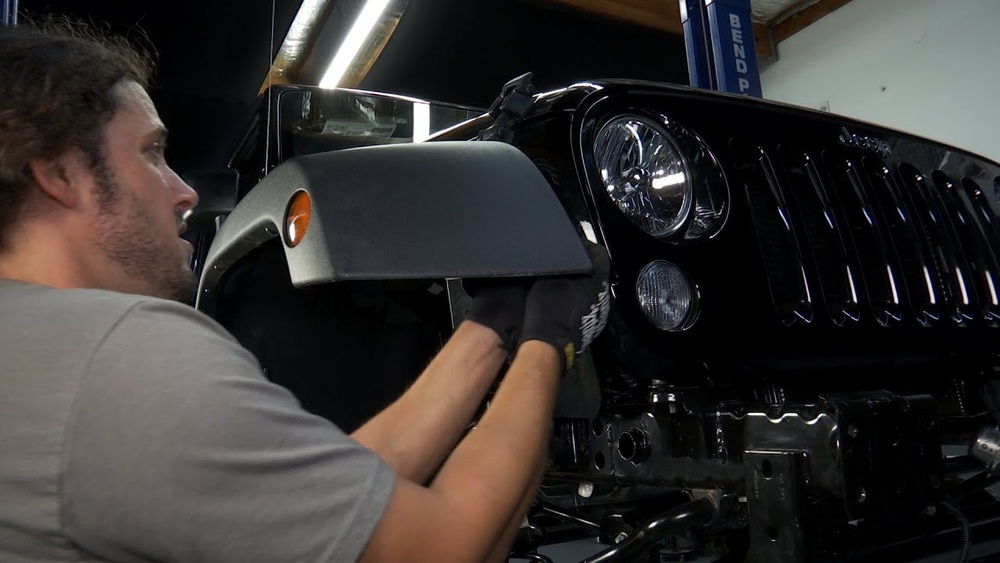
- Create more space for bigger tires
- Access damaged or rusted areas
- Install aftermarket fender flares
Here’s a quick comparison of situations where removing the fender liner makes sense:
| Reason | Benefit | Potential Risk |
|---|---|---|
| Bigger tires | Prevents rubbing | More exposure to debris |
| Rust repair | Easier access | Loss of protection |
| Custom flares | Clean install | May require trimming |
Tools And Preparation
Before starting, gather these tools:
- Flathead screwdriver
- Phillips screwdriver
- 10mm socket and ratchet
- Trim removal tool
- Work gloves
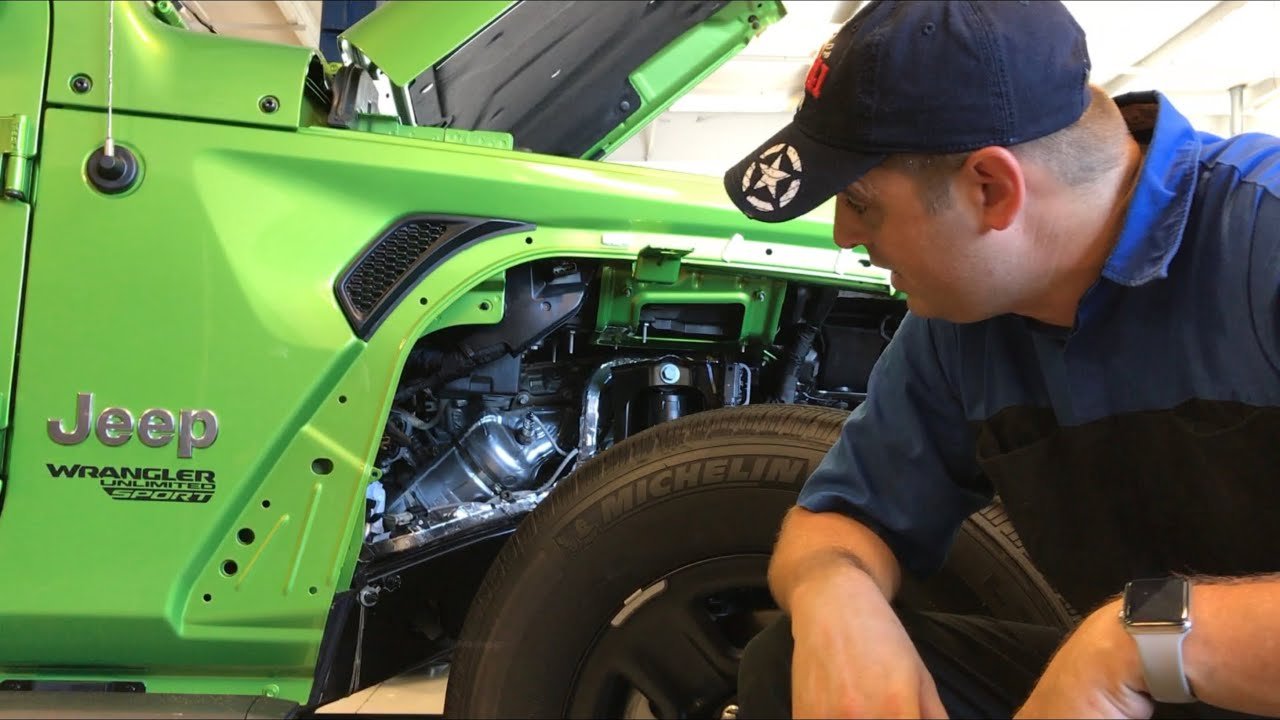
Also, park your Jeep JK on a flat surface and ensure the wheels are turned away from the fender you’re working on. This gives you better access.
Step-by-step Removal Process
Removing the fender liner is not complicated, but following the right sequence prevents unnecessary effort and damage.
1. Remove The Wheel (optional)
Removing the wheel makes the liner more accessible, but it’s not always necessary. If you keep the wheel on, turn it outward for extra space.
2. Locate Fasteners
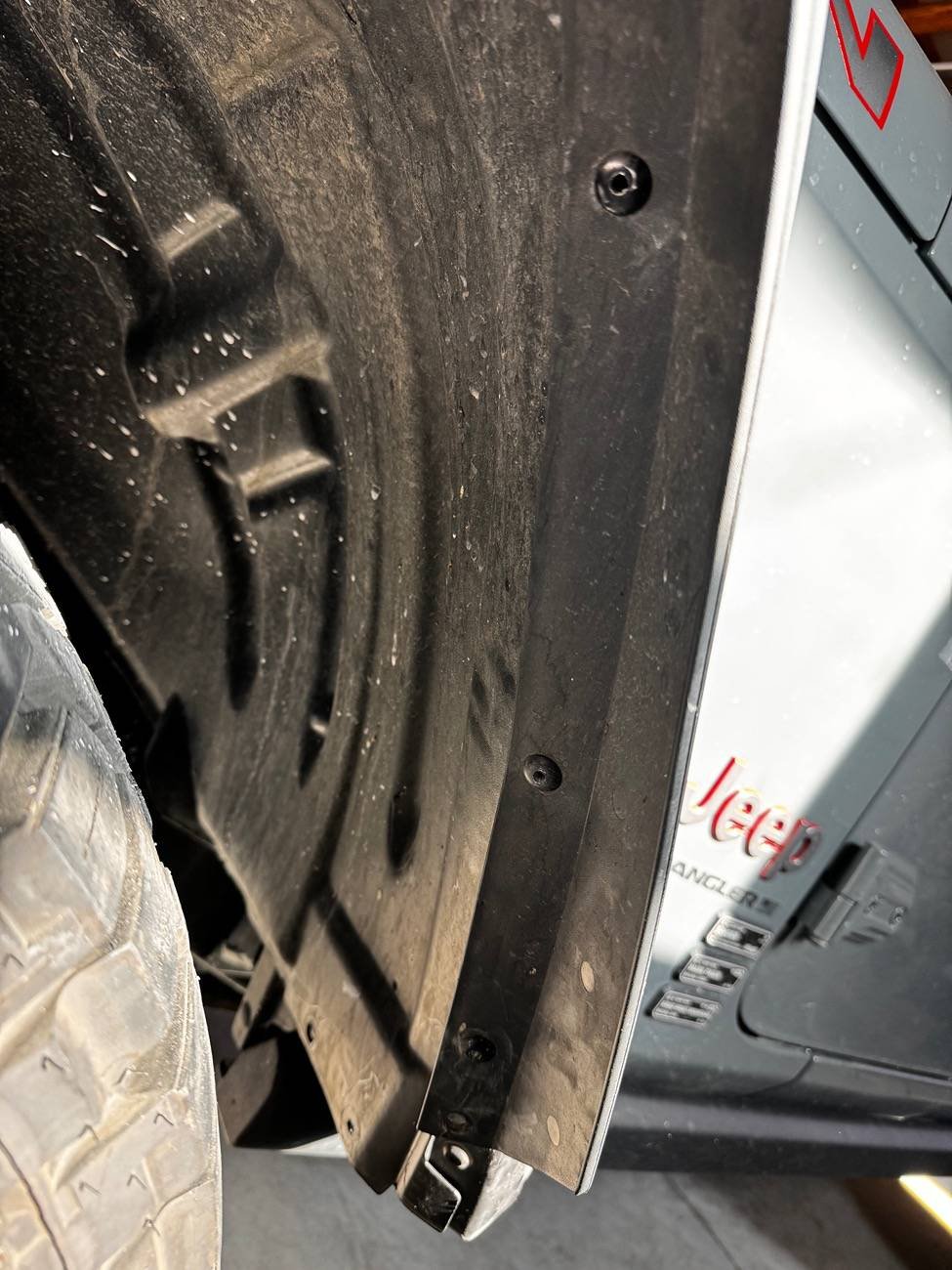
Jeep JK fender liners are held by a mix of plastic push pins and bolts. Typically, you’ll find:
- 7–10 plastic push pins around the liner edge
- 3–5 bolts near the fender flare
Here’s a breakdown of fastener locations:
| Fastener Type | Typical Number | Position |
|---|---|---|
| Plastic push pins | 7–10 | Edge of liner |
| Bolt | 3–5 | Near fender flare |
3. Remove Plastic Push Pins
Use a trim removal tool or flathead screwdriver. Slide under the pin head, gently pry up, and pull out. Take your time to avoid breaking the pins. If some pins are stuck, wiggle the tool side-to-side.
4. Unscrew Bolts
With your socket and ratchet, remove the bolts securing the liner. Keep the bolts safe for possible reuse.
5. Detach The Liner
Once fasteners are out, gently pull the liner away from the fender. It may stick in places due to mud or age.
Flex the plastic carefully too much force can crack the liner.
6. Inspect Area And Clean
After removal, check for rust, debris, or damaged wiring. Clean the wheel well thoroughly. This is a great time to apply rust-proofing spray if needed.
Practical Tips For A Smooth Removal
- Wear gloves to protect your hands from sharp edges.
- Keep all fasteners organized—use a small tray.
- If push pins break, replacements are inexpensive and easy to find.
- For stubborn bolts, spray a bit of penetrating oil and wait a few minutes.
- Never force the liner—it’s flexible, but too much bending causes cracks.
Many beginners overlook the importance of keeping track of fasteners and cleaning the wheel well after removal. Both steps save time and prevent future issues.
Common Mistakes To Avoid
- Breaking push pins – Using the wrong tool or rushing can snap pins. Always use a trim tool.
- Losing bolts – Store them safely for reinstallation or future projects.
- Ignoring rust – Removing the liner exposes hidden rust. Address it immediately.
- Skipping wheel removal – If access is limited, taking off the wheel speeds up the process.
After Removal: What’s Next?
You can leave the wheel wells exposed, but this increases the risk of water and mud damage. Many Jeep owners install aftermarket liners for extra protection. Some even trim the stock liner and reinstall parts for a custom fit.
Here’s a comparison of leaving the liner off vs. aftermarket options:
| Option | Protection Level | Cost | Installation Difficulty |
|---|---|---|---|
| No liner | Low | $0 | Easy |
| Aftermarket liner | High | $50–$200 | Medium |
| Trimmed stock liner | Medium | $0 | Medium |
If you drive off-road often, consider investing in a quality liner. It saves time and money in the long run.
Frequently Asked Questions
How Long Does It Take To Remove A Jeep Jk Fender Liner?
Usually, it takes 30–45 minutes per liner, depending on your experience and whether you remove the wheel.
Can I Reuse The Stock Fender Liner After Removal?
Yes, if you don’t damage it during removal. Be careful with push pins and bolts.
Sometimes trimming is needed to fit larger tires.
Will Removing The Liner Affect My Jeep’s Warranty?
In most cases, removing the fender liner does not affect your warranty. However, check your specific warranty terms or ask your dealer.
What’s The Best Tool For Removing Push Pins?
A trim removal tool works best. Flathead screwdrivers are common but can slip and damage the pins.
Is It Safe To Drive Without A Fender Liner?
It’s safe in dry conditions, but wheel wells will be exposed to water, mud, and rocks. This can cause rust or damage over time. Aftermarket liners or trimming the stock liner are safer solutions.
Taking out the Jeep JK fender liner is a practical job for any owner looking to upgrade or maintain their vehicle. With the right tools and approach, you’ll finish quickly and avoid common pitfalls. If you need detailed diagrams or more advanced guidance, the official Jeep site offers helpful resources.