If you own a Jeep Wrangler, you know how important the jack is for changing tires or handling off-road emergencies. But sometimes, you need to remove the jack—maybe to upgrade, clean, or access storage.
Many drivers struggle with this task, especially if it’s their first time. The process is not difficult, but it requires careful steps to avoid damaging your Jeep or injuring yourself.
This guide covers everything you need to know about removing the jack from your Jeep Wrangler, including tips that most beginners miss.
Understanding The Jeep Wrangler Jack System
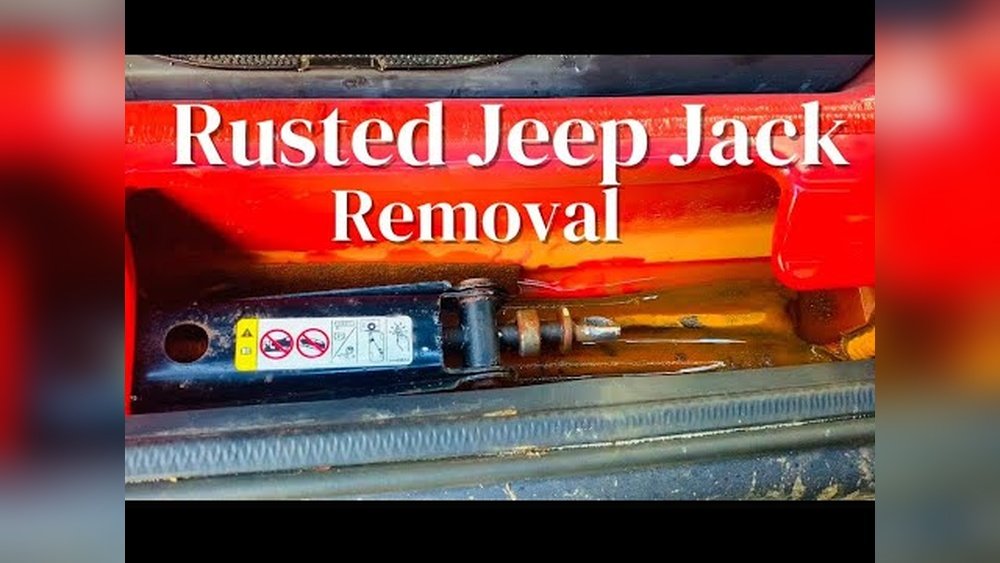
The Jeep Wrangler usually comes with a factory jack stored under the rear cargo area. It’s secured with a bolt or clamp to keep it stable during driving. Knowing the exact location and securing mechanism is essential before starting.
Here’s a quick overview of common Jeep Wrangler jack setups:
| Model Year | Jack Location | Securing Method |
|---|---|---|
| 2007-2018 (JK) | Under cargo floor | Bolt and clamp |
| 2018-present (JL) | Rear cargo panel | Plastic wing nut |
| Pre-2007 (TJ) | Under passenger seat | Metal bracket |
Some models also have the jack tools (handle, lug wrench) stored nearby. Always check your owner’s manual if you’re unsure.
Preparing To Remove The Jack
Before you start, gather the right tools and make sure your Jeep is parked safely.
- Park on a flat surface: Never attempt removal on a slope.
- Engage the parking brake: Prevents rolling.
- Open rear cargo area: Access the jack easily.
- Wear gloves: Protects your hands from sharp edges.
Most people forget to check for personal items blocking the cargo area. Remove any bags or gear for clear access.
Step-by-step Jack Removal Process
Follow these steps for a safe jack removal:
- Locate the jack: Find the jack under the cargo floor or behind the panel.
- Identify securing hardware: Look for the bolt, wing nut, or bracket holding the jack.
- Loosen securing device: Use your hands or a wrench to turn the bolt or wing nut counterclockwise.
- Remove jack tools first: Take out the handle and lug wrench if they’re stored with the jack.
- Lift the jack out: Grab the jack firmly and pull it upward. Avoid twisting, which can damage the bracket.
Some drivers struggle with tight bolts. If the securing hardware is stuck, spray a little penetrating oil and wait a few minutes before trying again.
Comparing Removal Difficulty By Model
Here’s how jack removal difficulty varies by Wrangler generation:
| Model | Removal Time | Typical Tools Needed | Common Challenges |
|---|---|---|---|
| JK (2007-2018) | 2-4 minutes | Wrench, gloves | Tight bolts |
| JL (2018+) | 1-3 minutes | Hands only | Plastic nut breakage |
| TJ (pre-2007) | 3-5 minutes | Socket wrench | Rusty bracket |
If you’re working with an older Wrangler, expect more resistance due to rust or age.
Practical Tips For Safe Removal
- Keep hardware together: Place bolts, nuts, and brackets in a small bag so you don’t lose them.
- Inspect jack after removal: Check for rust or damage. A faulty jack can be dangerous.
- Clean storage area: Wipe down the jack compartment to remove dirt and debris.
- Store tools properly: Don’t just toss them; organized tools save time later.
Many owners overlook the importance of checking the jack’s working condition. If you see bent parts or heavy rust, consider replacing it before your next adventure.
Reinstalling Or Upgrading Your Jack
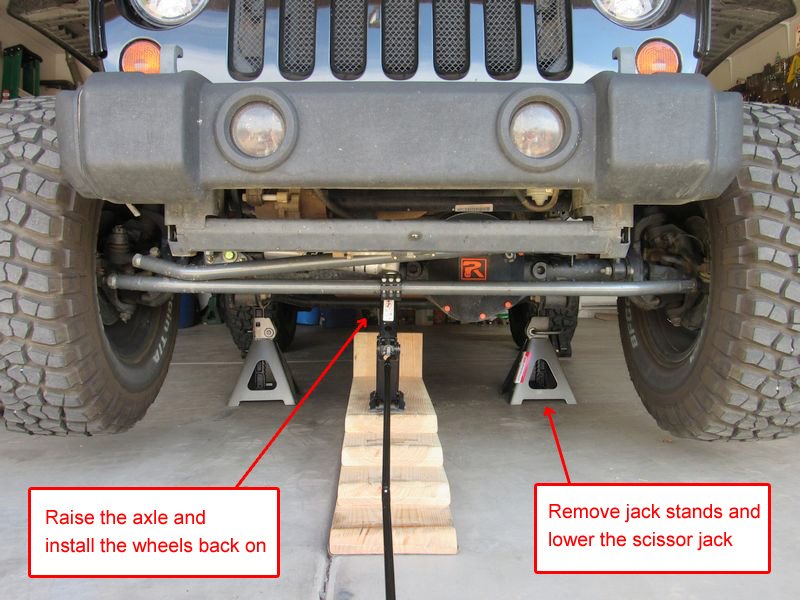
If you plan to reinstall the jack later or switch to an aftermarket model, follow these steps:
- Align new jack in compartment: Make sure it fits properly.
- Secure with original hardware: Reuse bolts or wing nuts if possible.
- Test stability: Shake gently to confirm it’s locked in place.
- Store tools back: Keep handle and wrench nearby for emergencies.
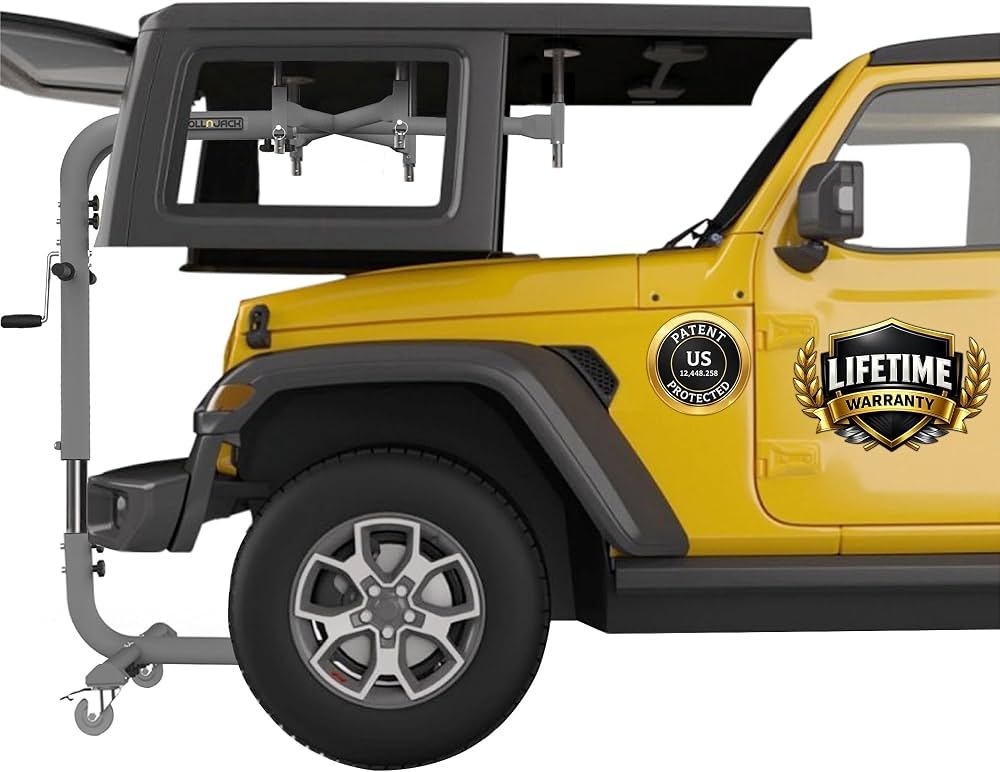
Aftermarket jacks, like high-lift jacks, require special mounting brackets. Always check compatibility before buying. Many aftermarket models offer better lifting power but need more space.
Aftermarket Jack Comparison
| Jack Type | Lifting Capacity | Storage Needs | Price Range |
|---|---|---|---|
| Factory scissor jack | 2 tons | Small | $30-$60 |
| High-lift jack | 4 tons | Large | $80-$150 |
| Hydraulic bottle jack | 3 tons | Medium | $40-$90 |
Choose a jack based on your needs off-road drivers often prefer high-lift jacks.
Common Mistakes To Avoid
- Forgetting to secure the jack: Loose jacks can rattle and cause noise.
- Using wrong tools: Improvised tools may strip bolts or break nuts.
- Ignoring rust: A rusty jack may fail when you need it most.
- Not checking fit for upgrades: Aftermarket jacks sometimes don’t fit factory storage areas.
Many beginners think any jack will fit their Jeep. But factory compartments are often too small for larger models. Measure before buying.
Frequently Asked Questions
How Do I Know If My Jeep Wrangler Jack Is Damaged?
Look for bent metal, heavy rust, or missing parts. If the jack won’t lift smoothly or makes strange noises, it’s probably damaged.
Can I Use Any Jack With My Jeep Wrangler?
No. Factory compartments are designed for specific jack types. High-lift or bottle jacks may not fit. Always check measurements and compatibility.
What Tools Do I Need To Remove The Jack?
Most newer Jeeps need only your hands to remove the jack. Older models may require a wrench or socket set for bolts and brackets.
How Often Should I Check My Jack?
Inspect your jack every 6 months or before long trips. This helps prevent failure during emergencies.
Where Can I Find Official Instructions For My Jeep Wrangler?
Official instructions are in the owner’s manual or on the Jeep website. For more details, visit Jeep Owner’s Manuals.
Removing the jack from your Jeep Wrangler is simple once you know the steps. Always work safely, keep track of hardware, and inspect your jack for damage.
Upgrading to a better jack can improve your off-road experience, but make sure it fits your Jeep.
By following these practical tips, you’ll be ready for any situation, whether it’s a flat tire or a weekend trail ride.