How To Put Coolant In Jeep Wrangler should stay tied to the exact Jeep Wrangler, the model year, and the current condition.
This editorial-review draft gives a safe owner-level path for How To Put Coolant In Jeep Wrangler and keeps the final model-specific verification step visible before publication.
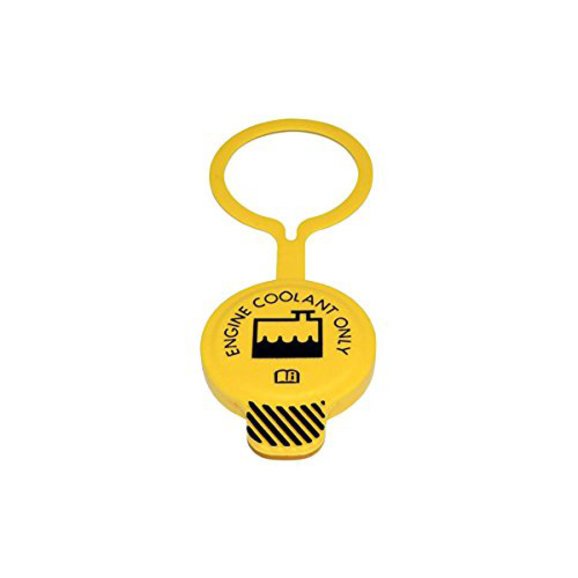
Quick Answer
For How To Put Coolant In Jeep Wrangler, work on a cool engine, use the correct coolant, and investigate repeated loss. Review the exact Jeep Wrangler manual before publishing or performing How To Put Coolant In Jeep Wrangler.
What to Check First
The How To Put Coolant In Jeep Wrangler review begins with five points: allow the engine to cool; check the manual; inspect level; look for leaks; monitor temperature.
These checks keep the How To Put Coolant In Jeep Wrangler article focused on a safe and verifiable owner-level process.
| Check | Why it matters |
|---|---|
| Allow the engine to cool | Supports a safer How To Put Coolant In Jeep Wrangler decision for the Jeep Wrangler. |
| Check the manual | Supports a safer How To Put Coolant In Jeep Wrangler decision for the Jeep Wrangler. |
| Inspect level | Supports a safer How To Put Coolant In Jeep Wrangler decision for the Jeep Wrangler. |
| Look for leaks | Supports a safer How To Put Coolant In Jeep Wrangler decision for the Jeep Wrangler. |
| Monitor temperature | Supports a safer How To Put Coolant In Jeep Wrangler decision for the Jeep Wrangler. |
Step-by-Step Review
- Record the Jeep Wrangler model year, trim, mileage, and recent work related to How To Put Coolant In Jeep Wrangler.
- Open the matching manual or official guidance before starting How To Put Coolant In Jeep Wrangler.
- Inspect allow the engine to cool and write down the starting condition for How To Put Coolant In Jeep Wrangler.
- Continue with check the manual and inspect level in a controlled order for How To Put Coolant In Jeep Wrangler.
- Complete the owner-level task only when look for leaks remains safe during How To Put Coolant In Jeep Wrangler.
- Test the result and compare it with the original goal behind How To Put Coolant In Jeep Wrangler.
- Save photos, receipts, part numbers, and warning messages from How To Put Coolant In Jeep Wrangler.
Common Mistakes to Avoid
- Starting How To Put Coolant In Jeep Wrangler without confirming the exact Jeep Wrangler model year.
- Forcing a part, switch, connector, latch, or setting during How To Put Coolant In Jeep Wrangler.
- Skipping the final parked function check after How To Put Coolant In Jeep Wrangler.
- Ignoring a warning message, leak, loose fastener, or damaged component during How To Put Coolant In Jeep Wrangler.
Model-Year and Fitment Check
The phrase “How To Put Coolant In Jeep Wrangler” does not prove that one universal procedure fits every Jeep Wrangler.
For How To Put Coolant In Jeep Wrangler, confirm the year, engine, drivetrain, radio, roof style, electrical system, or installed accessory whenever those details change the job.
Keep a Useful Vehicle Record
For How To Put Coolant In Jeep Wrangler, save the VIN, mileage, date, photos, manual page, receipts, scan results, and part numbers when relevant.
A focused How To Put Coolant In Jeep Wrangler record helps the next owner or workshop understand what was checked without repeating the earliest steps.
When to Stop and Get Help
For How To Put Coolant In Jeep Wrangler, stop when overheating or coolant loss repeats. Use qualified service whenever the How To Put Coolant In Jeep Wrangler owner-level path no longer gives a clear and safe result.
Frequently Asked Questions
Does How To Put Coolant In Jeep Wrangler use the same procedure on every Jeep?
No. Match How To Put Coolant In Jeep Wrangler to the exact Jeep Wrangler model year, trim, and installed equipment.
What should I check before starting How To Put Coolant In Jeep Wrangler?
For How To Put Coolant In Jeep Wrangler, begin with allow the engine to cool, then review check the manual. These How To Put Coolant In Jeep Wrangler checks reduce avoidable mistakes.
When should I stop the How To Put Coolant In Jeep Wrangler job?
The stopping rule for How To Put Coolant In Jeep Wrangler is simple: stop when overheating or coolant loss repeats. The How To Put Coolant In Jeep Wrangler process should stop before uncertainty turns into damage or a safety problem.
- How To Put Coolant In Jeep Wrangler 2
- How To Put Jeep Wrangler In 4l 3
- How To Put Soft Top Down On Jeep Wrangler
Final Takeaway
Final takeaway for How To Put Coolant In Jeep Wrangler: work on a cool engine, use the correct coolant, and investigate repeated loss.
Keep the final How To Put Coolant In Jeep Wrangler article tied to the exact Jeep Wrangler, a safe review order, and an editorial check before publication.