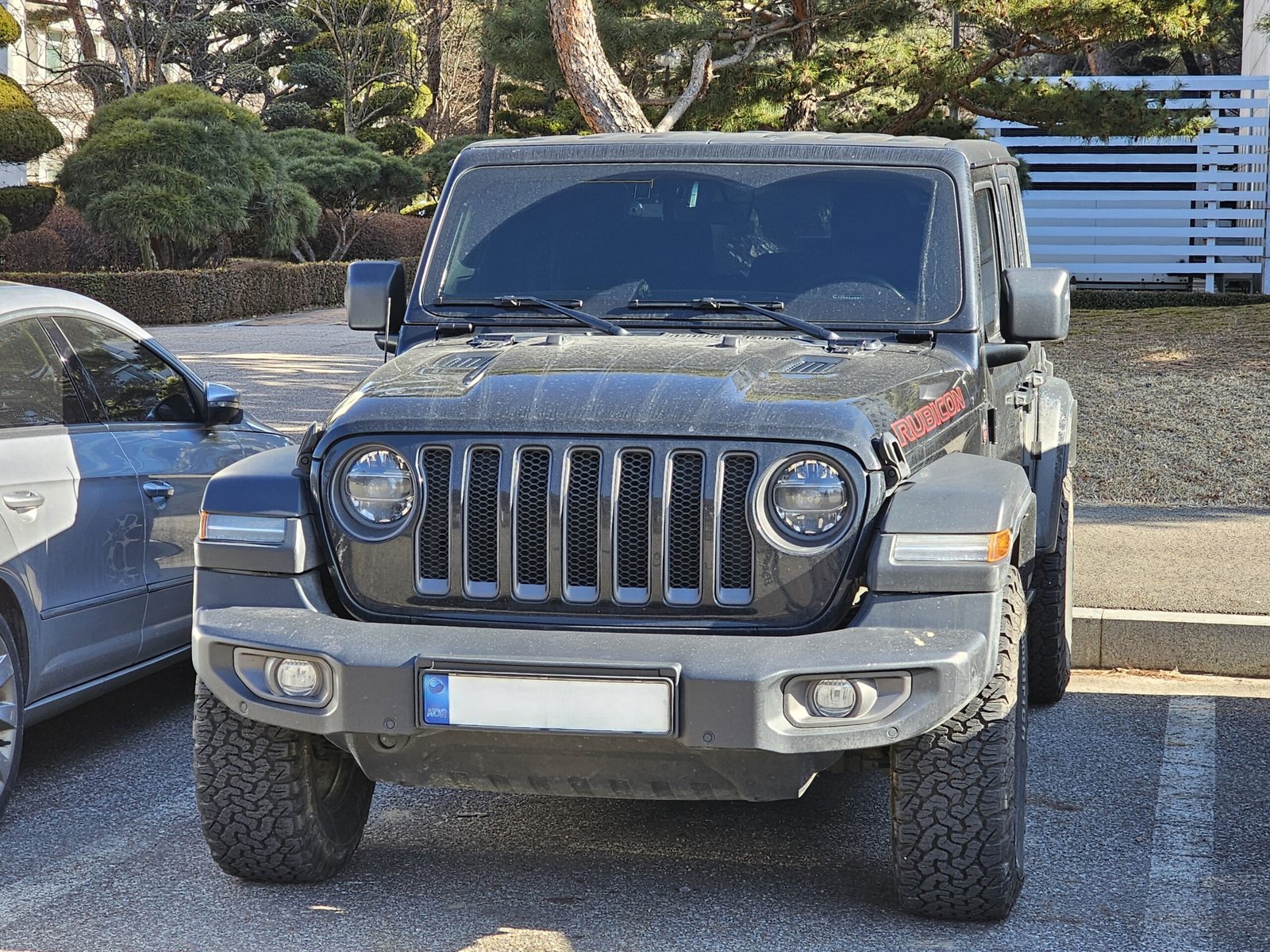
Putting your Jeep Wrangler in 4L (4 Low) is an essential skill if you drive off-road or in challenging conditions. Many Jeep owners, especially first-timers, feel nervous about shifting into 4L.
This guide will show you exactly how to do it, why it matters, and how to avoid common mistakes. You’ll also see clear tables that explain when to use 4L, what makes it different from other modes, and what to expect during the process.
What Does 4l Mean In A Jeep Wrangler?
4L stands for 4-wheel drive Low range. This setting gives your Jeep maximum torque at low speeds. It’s made for rough terrain like rocks, mud, deep sand, or steep hills. When you use 4L, your Jeep moves slower but with much more power—perfect for crawling over obstacles or getting out of tough spots.
When Should You Use 4l?
4L is not for everyday driving. You should only use it in special situations where you need extra traction and control. Here are examples when 4L is the right choice:
- Climbing or descending steep hills (especially off-road)
- Driving through deep mud, snow, or sand
- Crossing rocky terrain or obstacles
- Recovering a stuck vehicle
Never use 4L on dry pavement. The extra grip can damage your drivetrain and make turning difficult.

Difference Between 2h, 4h, And 4l
Many Jeep owners confuse the different drive modes. Here’s a simple table showing what each mode does:
| Mode | Speed Range | Best For |
|---|---|---|
| 2H (Two-Wheel Drive High) | 0–100+ mph | Normal roads, dry conditions |
| 4H (Four-Wheel Drive High) | 0–55 mph | Rain, snow, light off-roading |
| 4L (Four-Wheel Drive Low) | 0–25 mph | Deep mud, rocks, steep hills |
Notice that 4L is only for low speeds. Trying to drive fast in 4L can hurt your Jeep.
Step-by-step: How To Put Jeep Wrangler In 4l
Switching into 4L is easy once you know the steps. The process is similar for most Jeep Wranglers, but always check your owner’s manual for details.
- Bring your Jeep to a complete stop.
- Shifting while moving can damage your transfer case.
- Keep your foot on the brake pedal.
- This prevents the Jeep from rolling.
- Shift the transmission into Neutral (N).
- Never try to shift to 4L from Drive or Reverse.
- Grasp the transfer case lever.
- The lever is usually beside the gear shifter. It may be labeled 2H, 4H, N, and 4L.
- Firmly pull the lever straight down from 2H or 4H to 4L.
- You may feel resistance. That’s normal. Move it smoothly, not too fast.
- Wait for the 4L indicator light on your dashboard.
- The light means you’re in 4L mode.
- Shift the transmission back to Drive (D) or Reverse (R) and release the brake.
- You’re now ready to drive in 4L.
Here’s a quick reference table for the process:
| Step | Action | Notes |
|---|---|---|
| 1 | Stop the vehicle | Essential for safety |
| 2 | Press brake pedal | Prevents rolling |
| 3 | Shift to Neutral (N) | Required for 4L shift |
| 4 | Move transfer case lever to 4L | Use steady pressure |
| 5 | Check 4L light | Confirms engagement |

Common Mistakes And How To Avoid Them
Even experienced drivers make errors with 4L. Here are the most common mistakes and how to avoid them:
- Shifting while moving: Always stop before changing to 4L.
- Forgetting Neutral: The transmission must be in Neutral. If not, the transfer case may grind or refuse to shift.
- Not waiting for the indicator: If the 4L light doesn’t come on, you’re not fully in 4L. Try shifting again.
- Using 4L on pavement: This causes drivetrain stress. Only use 4L off-road or in very slippery conditions.
Pro tip: If the lever is hard to move, wiggle the vehicle gently by releasing the brake for a second and then pressing it again. This can help align the gears.
What To Expect When Driving In 4l
Driving in 4L feels different. Here’s what you’ll notice:
- Slower speed, more control: The Jeep moves slowly but climbs or descends more easily.
- Engine noise: You may hear the engine work harder at low speeds. This is normal.
- Tighter steering: Turning can feel heavier because all wheels are locked together.
Insight: You can use 4L for towing heavy loads at slow speeds, like pulling a trailer up a steep driveway. Just make sure you’re not on dry pavement.

Tips For Safe And Effective Use
- Practice before you need it: Try shifting into 4L in a safe, open area first.
- Don’t force the lever: If it feels stuck, double-check your steps instead of using extra strength.
- Use only as needed: Switch out of 4L when you return to better roads.
- Check your owner’s manual: Some Jeeps have electronic switches instead of levers. The steps are similar, but follow the display prompts.
Frequently Asked Questions
How Fast Can I Drive In 4l?
You should keep your speed below 25 mph in 4L. This mode is for slow, controlled driving over obstacles or through tough terrain.
Can I Switch To 4l While Moving?
No. Always stop the vehicle completely and shift the transmission into Neutral before moving the transfer case lever to 4L.
What If My Jeep Won’t Go Into 4l?
Check that your transmission is in Neutral and the vehicle is stopped. If it still won’t shift, gently rock the Jeep back and forth, or consult your owner’s manual.
Is It Safe To Use 4l On The Highway?
Never use 4L on highways or dry pavement. It’s only for off-road or very slippery conditions.
Driving fast in 4L can damage your Jeep.
Does Every Jeep Wrangler Have 4l?
Most Wrangler models have 4L, but some base models or special editions may not. Check your specific Jeep’s features in the owner’s manual or on the official Jeep website.
Shifting your Jeep Wrangler into 4L opens up new adventures and helps you stay safe in tough conditions. With these clear steps and tips, you’ll feel confident using all your Jeep’s capabilities, whether on the trail or in a snowstorm. Remember, practicing in a safe area before you need 4L can make all the difference when you really need it.