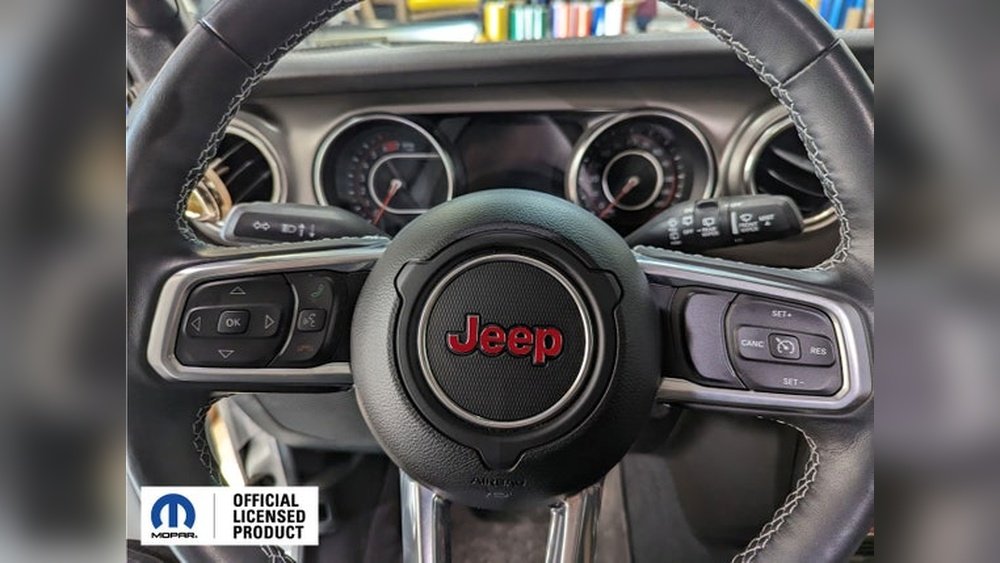
Lifting a Jeep Wrangler is one of the most popular upgrades among off-road fans. It makes your Wrangler look better, gives you more ground clearance, and lets you fit bigger tires.
But lifting isn’t as simple as just buying parts and bolting them on. The process involves careful planning, choosing the right kit, and understanding how it affects your Jeep’s performance.
If you’re new to this, or just want to avoid common mistakes, this guide will help you through every step.
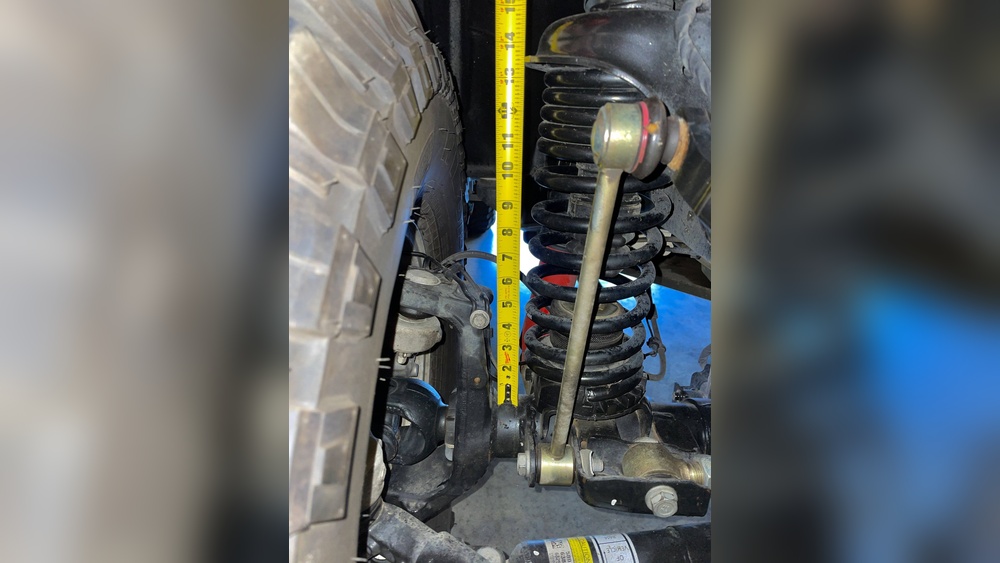
Understanding Lift Types
Before you start, it’s important to know the two main types of lifts: body lift and suspension lift.
| Lift Type | Height Range | Main Purpose | Cost Estimate |
|---|---|---|---|
| Body Lift | 1-3 inches | Looks, tire fitment | $200-$600 |
| Suspension Lift | 2-6 inches | Off-road performance | $800-$3,000+ |
Body lifts raise the Jeep’s body from the frame using spacers. They’re cheaper and easier but don’t improve off-road ability. Suspension lifts raise the whole vehicle by changing springs and shocks, improving both looks and trail performance.
Choosing The Right Lift Kit
Picking the right lift kit depends on how you use your Jeep. Ask yourself:
- How tall do you want to go? Most people lift between 2-4 inches.
- Do you drive mostly on-road or off-road? For daily driving, a smaller lift is safer and easier.
- What tire size do you want? Bigger tires need bigger lifts.
Here’s a simple comparison of popular tire sizes and the lift needed:
| Tire Size | Recommended Lift | Notes |
|---|---|---|
| 33 inches | 2-2.5 inches | No major parts needed |
| 35 inches | 2.5-4 inches | May need new driveshafts |
| 37 inches | 4+ inches | Steering and brake upgrades |
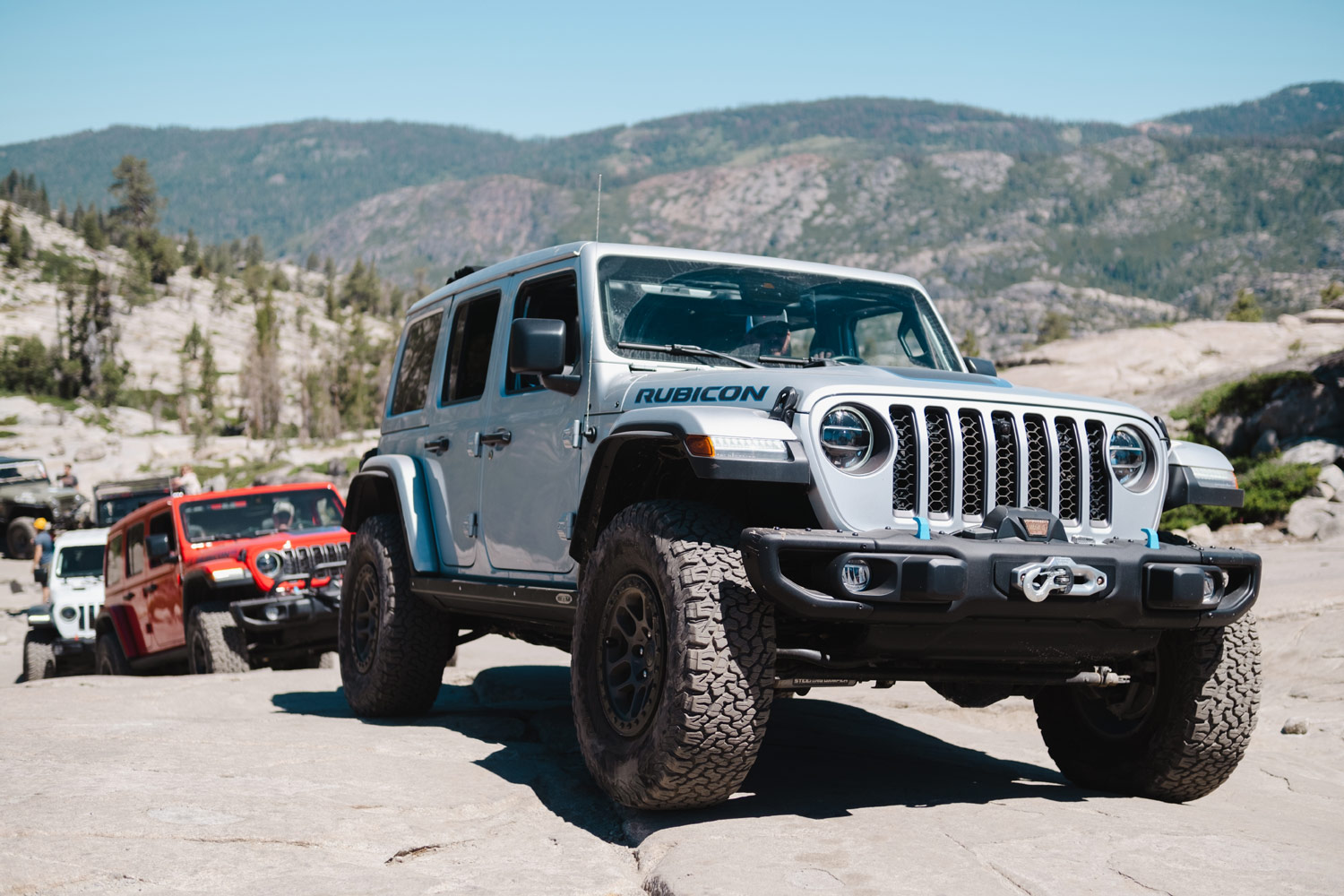
Many beginners overlook the effect of tire size. Going too big can cause rubbing, stress parts, and create safety issues.
Tools And Preparation
You’ll need some basic tools:
- Floor jack and jack stands
- Socket and wrench set
- Torque wrench
- Spring compressor (for suspension lifts)
- Safety glasses and gloves
Always read the lift kit instructions before starting. Make sure your garage has enough space and you have a friend to help.
Lifting a Jeep alone can be risky, especially for beginners.
Step-by-step Guide: Lifting Your Jeep Wrangler
1. Secure The Jeep
Park on a flat surface. Set the parking brake.
Lift the Jeep with a jack and secure it on stands. Never rely only on the jack.
2. Remove Wheels
Take off all four wheels. This gives better access to the suspension and body mounts.
3. Install Lift Kit
Follow the kit’s instructions. For body lifts, remove body mount bolts, add spacers, and tighten bolts. For suspension lifts, replace springs, shocks, and other parts as directed.
4. Check Brake Lines And Cables
Longer lifts may require extended brake lines or relocation brackets. Check for any stretching or tension.
5. Reinstall Wheels And Lower
Put the wheels back and lower the Jeep slowly. Check that everything sits properly and nothing rubs.
6. Alignment And Final Inspection
A lifted Jeep needs a new alignment. Driving without alignment can wear tires and make steering unsafe. Also, check all bolts and connections.
Many first-time lifters forget about driveshaft angles and steering geometry. If you lift more than 2.5 inches, you may need new driveshafts and parts to fix steering.

Common Mistakes To Avoid
- Skipping alignment: Always align after lifting.
- Ignoring brake lines: Too short brake lines can snap.
- Choosing too big tires: This can damage suspension and steering.
- Over-tightening bolts: Use a torque wrench, not just feel.
- Not researching kits: Cheap kits may not include all needed parts.
Extra Upgrades After Lifting
Lifting often leads to more upgrades. Here are some add-ons to consider:
- Shock absorbers: Better shocks help control the new height.
- Steering stabilizer: Prevents wobble, especially with big tires.
- Track bar relocation: Keeps the axle centered.
- Extended bump stops: Protects suspension at full compression.
- Regear differentials: Needed for much bigger tires.
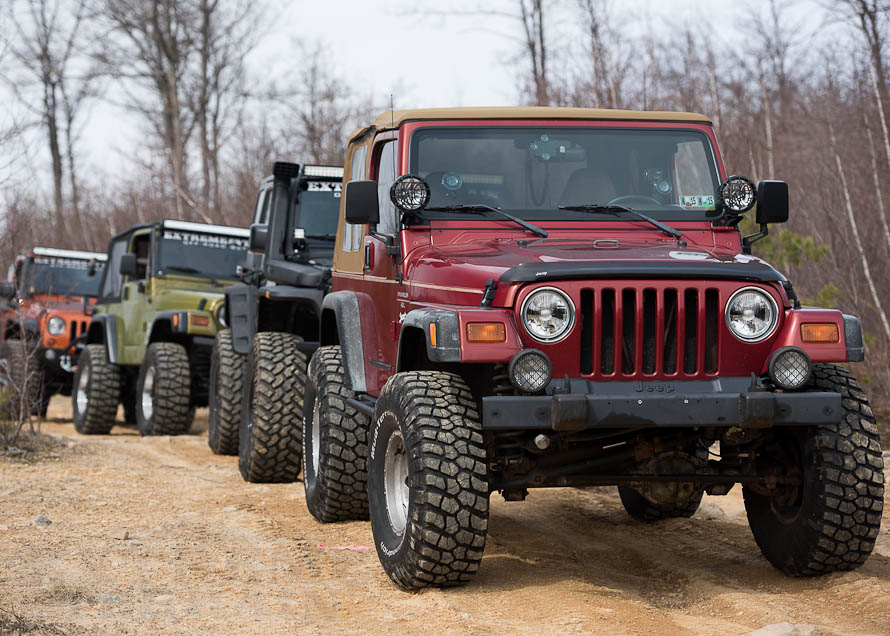
Many beginners miss the importance of regearing. Bigger tires change your Jeep’s performance and gas mileage. Regearing fixes this, but it’s a costly and advanced job.
Cost And Time Estimates
Lifting a Jeep is not cheap, and takes time. Here’s a quick overview:
| Lift Size | DIY Time | Professional Cost | DIY Cost |
|---|---|---|---|
| 2 inches | 4-6 hours | $800-$1,500 | $400-$800 |
| 4 inches | 8-10 hours | $1,800-$3,500 | $1,000-$2,000 |
Professional shops can do the job faster and safer. For advanced lifts, using a shop is often smarter.
Safety And Legal Issues
Lifting your Jeep may affect its road legality. Some states limit lift height or tire size. Always check local laws. Also, insurance companies may need to know about modifications.
For more information on laws and safety, see Wikipedia.
Frequently Asked Questions
Is Lifting A Jeep Wrangler Safe For Daily Driving?
Yes, if done properly and within 2-3 inches. Bigger lifts can affect handling and stability.
Will Lifting My Jeep Void The Warranty?
It depends. Some lifts may void parts of your warranty. Always check with your dealer first.
Can I Install A Lift Kit Myself?
If you have basic tools and follow instructions, a small lift is doable. Large lifts are best left to professionals.
What Size Tires Can I Fit After Lifting?
A 2-inch lift fits up to 33-inch tires. For 35 inches or more, you need a bigger lift and extra upgrades.
Do I Need To Change Other Parts When Lifting?
Often yes. Brake lines, driveshafts, and steering parts may need upgrades, especially for lifts over 2. 5 inches.
Lifting your Jeep Wrangler can transform its look and performance, but it requires careful planning and smart choices. With the right kit and proper installation, you’ll enjoy more adventure and better trails. Always focus on safety, research, and know your Jeep’s limits. Whether you lift for style or serious off-roading, smart decisions now will save you problems later.