Lifting a Jeep is one of the most popular upgrades for off-road enthusiasts. It gives your vehicle extra ground clearance, allows for larger tires, and helps you tackle rough terrain with confidence.
But lifting a Jeep is not as simple as buying a kit and bolting it on. You need to understand the process, choose the right lift, and follow safe steps.
This guide will help you lift your Jeep the right way, even if you’re new to vehicle modifications.
Why Lift A Jeep?
A lifted Jeep stands out visually and performs better on trails. The main reasons people lift their Jeeps are:
- Increased ground clearance: Helps avoid rocks and obstacles.
- Larger tires: Allows fitting tires up to 35 inches or more, improving traction.
- Better off-road capability: Handles mud, sand, and uneven surfaces with ease.
- Enhanced look: Many owners simply love the aggressive stance.
However, lifting a Jeep also changes the vehicle’s handling and center of gravity. It’s important to weigh the pros and cons before starting.
Types Of Jeep Lift Kits
Choosing the right lift kit depends on your needs and budget. Here is a simple comparison:
| Lift Kit Type | Lift Height | Main Purpose | Estimated Cost |
|---|---|---|---|
| Body Lift | 1-3 inches | Appearance, mild off-roading | $200-$400 |
| Suspension Lift | 2-6 inches | Serious off-roading | $600-$2,000+ |
| Coil Spacer Lift | 1-2 inches | Budget-friendly, light off-roading | $150-$300 |
| Long Arm Lift | 4-8 inches | Extreme off-road performance | $2,000-$4,000+ |
Body lifts only raise the body, not the suspension. This is good for looks and tire clearance but doesn’t improve off-road capability much. Suspension lifts are best for serious off-roading, as they lift the whole vehicle and improve travel. Coil spacer lifts are inexpensive and simple, adding a small height boost. Long arm lifts are advanced, offering maximum flexibility for extreme terrain.
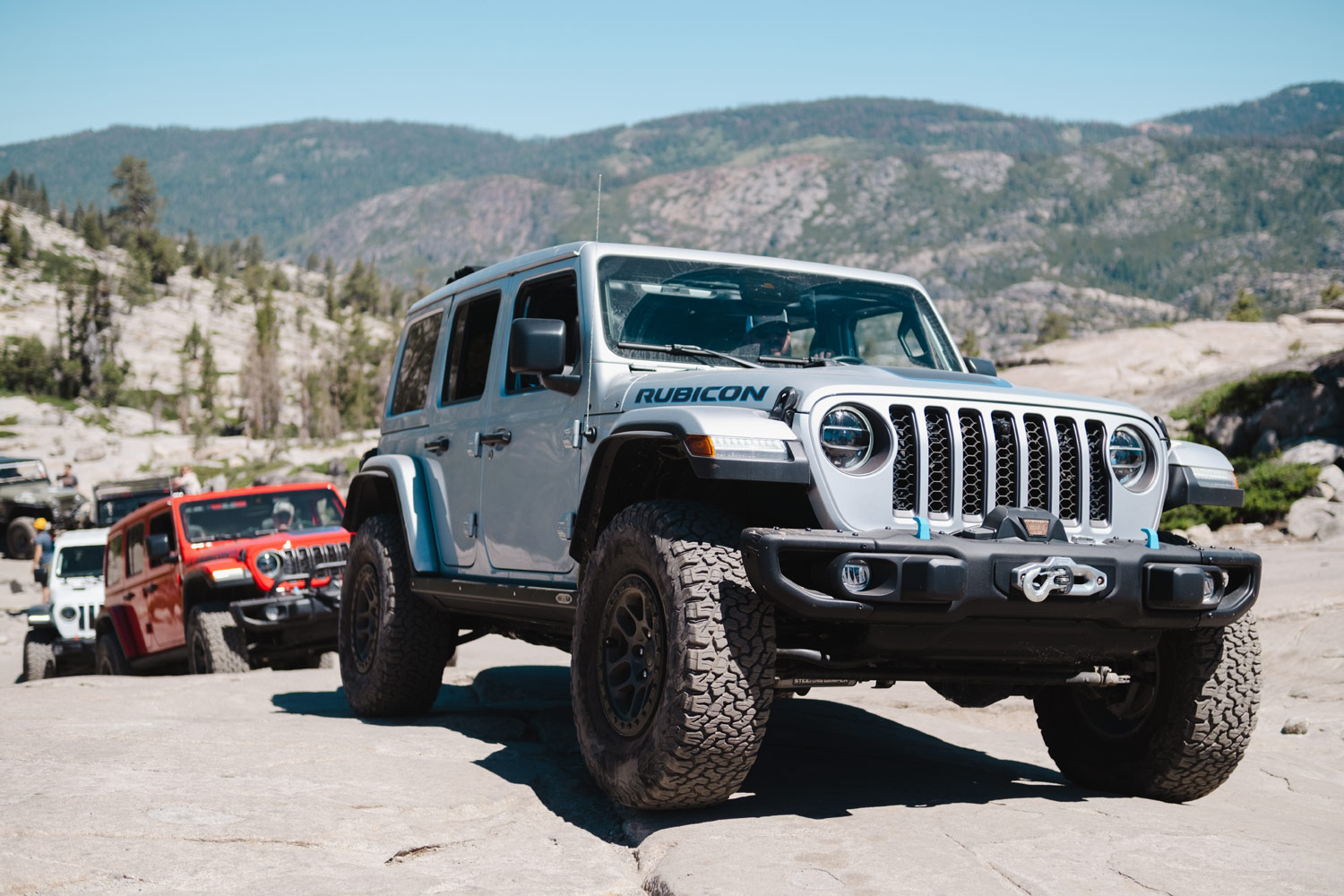
How To Lift Your Jeep: Step-by-step Guide
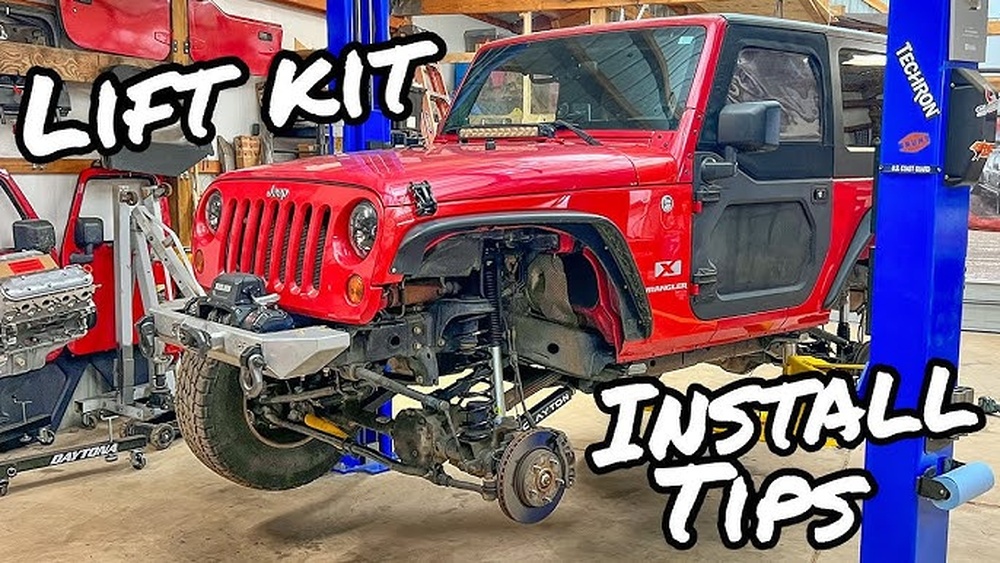
Lifting a Jeep is a big job but can be done with basic tools and careful planning. Here’s how to do it safely:
- Choose your lift kit: Decide on the lift height and type based on your needs. Suspension lifts are most popular for trail use.
- Prepare tools and workspace: You’ll need a floor jack, jack stands, socket set, wrenches, and safety gear. Work on a level surface.
- Disconnect battery: Safety comes first. Disconnect the battery to prevent electrical issues.
- Lift the Jeep: Use the floor jack to raise the Jeep, then secure it with jack stands. Never rely only on the jack.
- Remove wheels: Take off the wheels for better access.
- Install lift kit components: Follow the kit instructions closely. Usually, you replace or add springs, shocks, spacers, and sometimes control arms.
- Check brake lines and driveshafts: Longer brake lines and driveshafts may be needed for bigger lifts. Don’t skip this step.
- Reinstall wheels and lower Jeep: Once all parts are in place, put the wheels back and lower the Jeep carefully.
- Torque bolts: Tighten all bolts to the recommended specs. Loose bolts are dangerous.
- Get an alignment: After lifting, your Jeep’s steering and tire wear can change. Visit a shop for professional alignment.
Here’s a quick look at tools required:
| Tool | Purpose |
|---|---|
| Floor Jack | Lifting vehicle |
| Jack Stands | Securing vehicle |
| Socket Set | Removing nuts and bolts |
| Wrenches | Turning bolts |
| Torque Wrench | Proper tightening |
Practical Tips And Common Mistakes
Lifting a Jeep is exciting, but beginners often miss these important points:
- Check local laws: Some areas have height limits for vehicles.
- Upgrade supporting parts: Lifting may require new shocks, brake lines, and steering components.
- Avoid cheap kits: Low-quality lifts can cause handling problems and safety risks.
- Test drive after lift: Always take a slow test drive to check for noises or steering issues.
- Don’t skip alignment: A lifted Jeep needs a new alignment to prevent tire wear.
It’s easy to focus only on height, but ride quality can suffer if you ignore shocks and springs. Also, larger tires may rub against the body if the lift isn’t high enough.
| Lift Height | Tire Size Supported | Required Upgrades |
|---|---|---|
| 2 inches | Up to 33″ | None or minor |
| 3-4 inches | Up to 35″ | Brake lines, shocks |
| 6 inches | 37″+ | Driveshafts, control arms, steering |
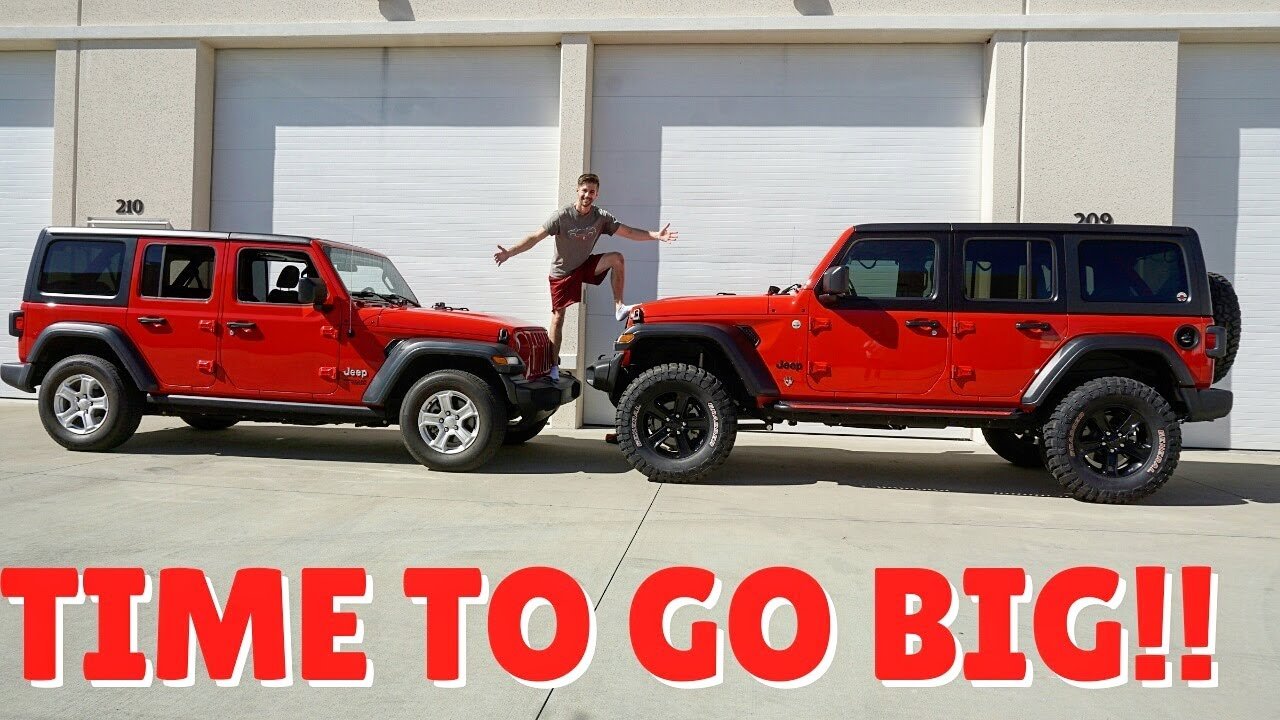
Real-world Example
Let’s say you want to lift a Jeep Wrangler for weekend trail use. You pick a 3-inch suspension lift, which supports 35-inch tires. You buy a kit for $1,200, spend a weekend installing it, and get an alignment for $100. Your Jeep now has better ground clearance and a tougher look, but you notice the ride is firmer. After upgrading the shocks and brake lines, it performs smoothly off-road.
Experienced Jeep owners often recommend spending extra on quality kits. Cheap lifts may save money now, but often lead to costly repairs later.
Where To Find More Information
If you want detailed instructions or reviews on different lift kits, visit ExtremeTerrain for trusted resources and guides.
Frequently Asked Questions
How Much Does It Cost To Lift A Jeep?
Costs depend on the lift type and labor. Body lifts start at $200, while suspension lifts can reach $2,000 or more. Professional installation adds $500 $1,000.
Can I Lift A Jeep Myself?
Yes, many Jeep owners do their own lifts with basic tools and patience. However, suspension lifts are harder and may require special skills or help.
Does Lifting Affect Jeep Performance?
Yes. Lifting improves off-road ability but can change handling and ride comfort.
Bigger lifts may need upgrades like new shocks or steering parts.
What Size Tires Can I Use After Lifting?
The tire size depends on your lift height. A 2-inch lift fits up to 33-inch tires, while a 4-inch lift can handle 35-inch or larger tires.
Is Alignment Necessary After Lifting?
Absolutely. Lifting changes your Jeep’s suspension geometry.
Without alignment, you risk poor handling and fast tire wear.
Lifting your Jeep opens a world of adventure, but it’s important to do it right. Take your time, use quality parts, and always check your work.
With the right lift, your Jeep will handle rough trails and look great wherever you go.