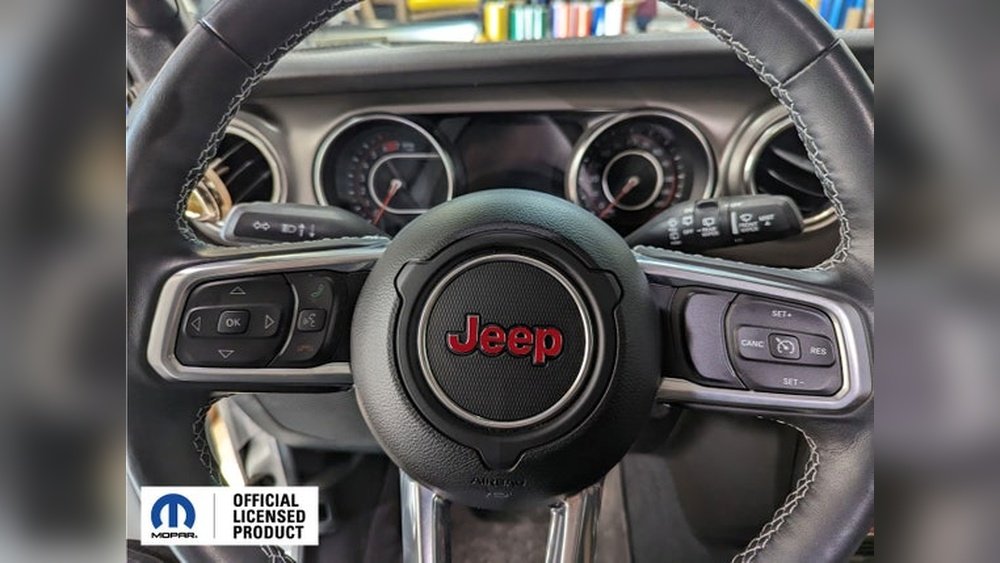
Is your Jeep’s check engine light on, and you’re wondering what it means? You don’t always need an expensive scanner or a mechanic to find out what’s going on under the hood.
Knowing how to check Jeep engine codes yourself can save you time, money, and stress. In this guide, you’ll learn simple, step-by-step methods to retrieve your Jeep’s engine trouble codes quickly sometimes using just your ignition key and odometer.
Ready to take control of your Jeep’s health and avoid surprises?
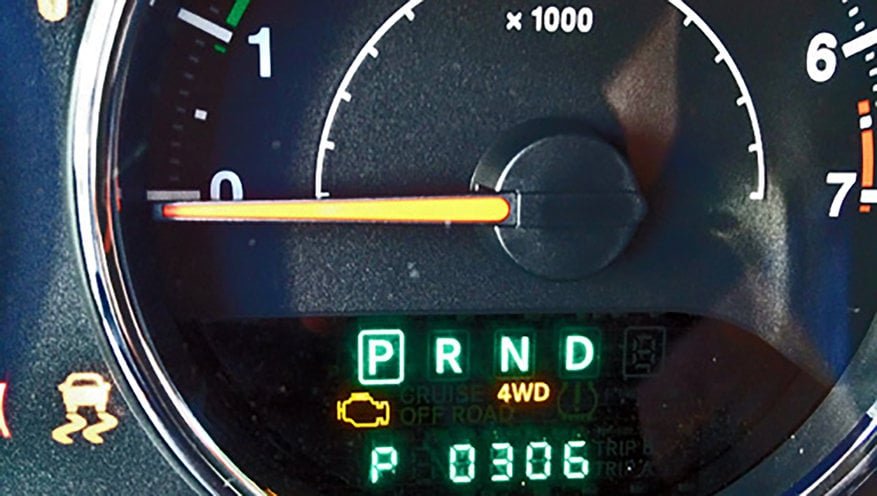
Keep reading, and you’ll be able to diagnose common issues like a pro.
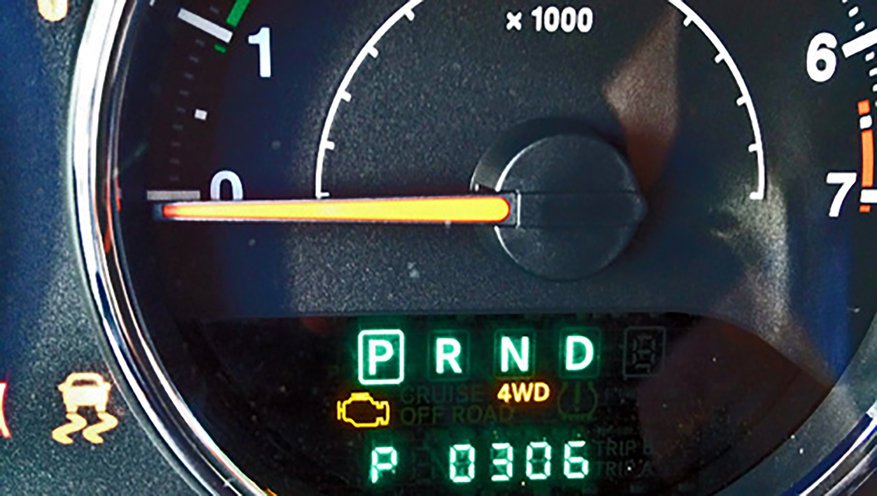
Locate The Ignition And Odometer
After retrieving your Jeep’s engine codes, the next step is to interpret them. Engine codes are a combination of letters and numbers that point to specific issues in your vehicle.
Understanding these codes helps you identify the problem accurately. This knowledge guides you to the right fix, saving time and money.
Each code starts with a letter followed by four digits. The letter indicates the system affected, such as ‘P’ for powertrain.
The digits narrow down the exact fault. Learning common codes makes it easier to decode messages from your Jeep’s computer.
Common Jeep Code Meanings
Some codes appear frequently in Jeep vehicles. For example, P0300 means random misfires in the engine cylinders.
P0420 signals a catalytic converter efficiency issue. P0171 indicates a lean fuel mixture, which means too much air or not enough fuel.
Recognizing these common codes helps you decide whether to fix the problem yourself or see a mechanic.
Resources For Code Definitions
Several online tools and manuals explain engine codes in simple terms. Websites like the official Jeep forums and automotive parts sites offer free code lists.
You can also find mobile apps that read and define codes instantly. Repair manuals for your Jeep model provide detailed explanations and troubleshooting tips.
Using these resources makes code interpretation straightforward and less confusing.
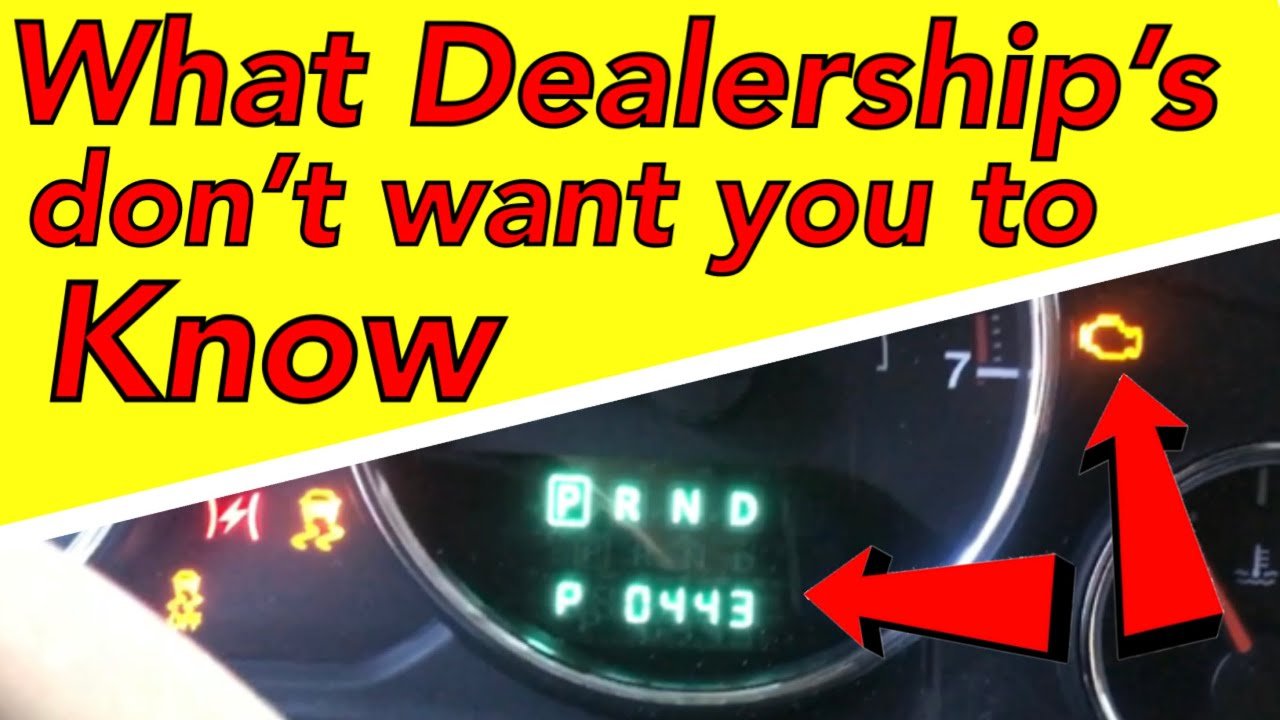
Turn Ignition Key In Sequence
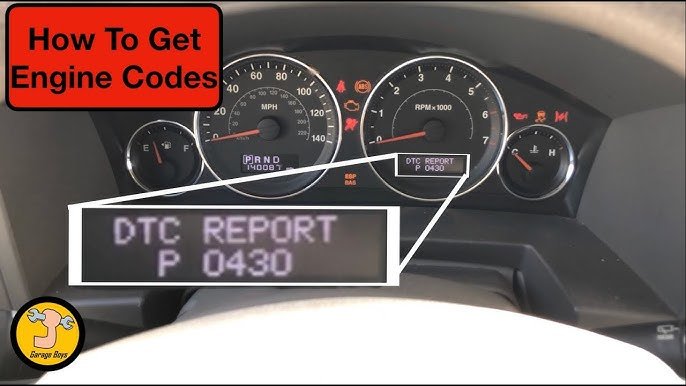
Turn the ignition key on and off three times, ending in the on position. Watch the odometer for flashing engine codes.
These codes help identify Jeep engine issues without a scanner.
Signs Your Jeep Needs A Mechanic’s Attention
Some engine codes show simple problems. Others point to serious issues.
If your Jeep shows multiple codes, do not ignore them. Strange noises or smoke from the engine are warning signs.
Poor fuel economy or stalling also means trouble. These symptoms need a professional’s care.
Complex Engine Codes And Diagnostics
Simple code readers show basic faults. Some codes require deeper analysis.
Advanced tools and knowledge help find hidden issues. Professionals can access detailed data.
They interpret complex engine codes correctly. This prevents wrong repairs and saves money.
When Diy Checks Are Not Enough
Basic code reading is easy. Fixing certain engine problems is not.
If you lack tools or skills, avoid guessing. Mistakes can worsen damage.
A mechanic has the right equipment. They ensure safe and proper repairs.
Safety Concerns And Engine Repairs
Engine problems can affect driving safety. Brake or transmission issues may show as engine codes.
Ignoring these risks your life and others. Professional mechanics follow safety protocols.
Trust experts to keep you safe on the road.
Conclusion
Checking Jeep engine codes helps you find issues quickly. Use simple steps to read codes without extra tools.
Knowing the code guides you to the problem area. This saves time and avoids costly repairs. Regular checks keep your Jeep running smoothly.
Practice this easy method to stay informed. Your Jeep’s health depends on quick attention. Stay safe and enjoy your driving experience.