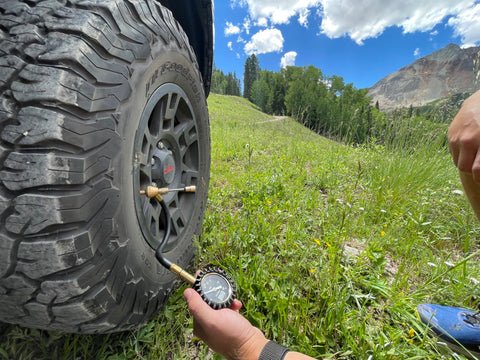
Driving on sand can be tricky, even for experienced off-roaders. One key technique is airing down tires—reducing tire pressure—to help your vehicle stay on top of loose sand instead of sinking or getting stuck.
If you do it right, you’ll enjoy smoother rides, better traction, and less risk of damage. But many people worry about doing it safely or making mistakes.
In this guide, you’ll discover how to air down tires for sand, including how much pressure to use, tools you’ll need, step-by-step instructions, and practical tips that most beginners miss.
Why Air Down Tires For Sand?
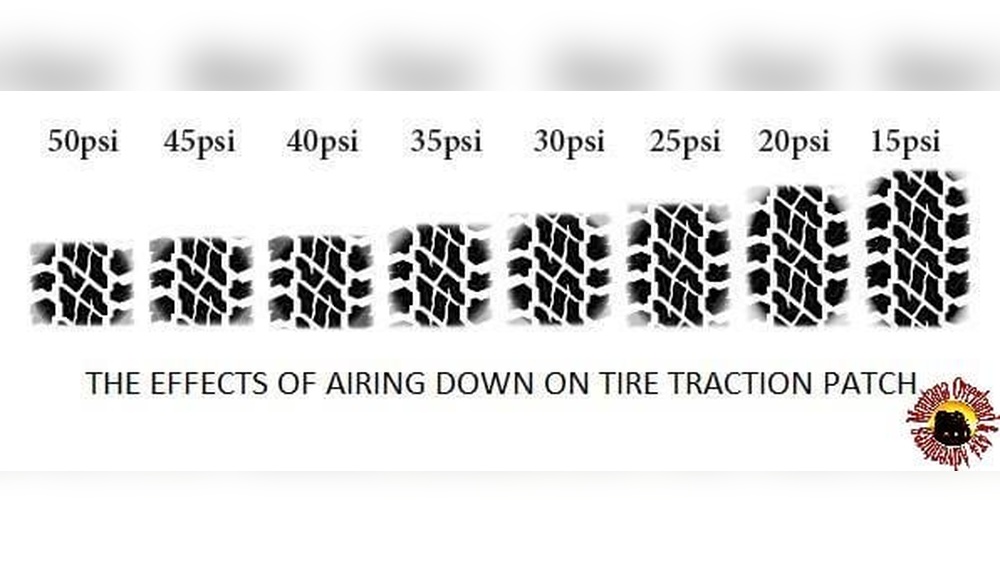
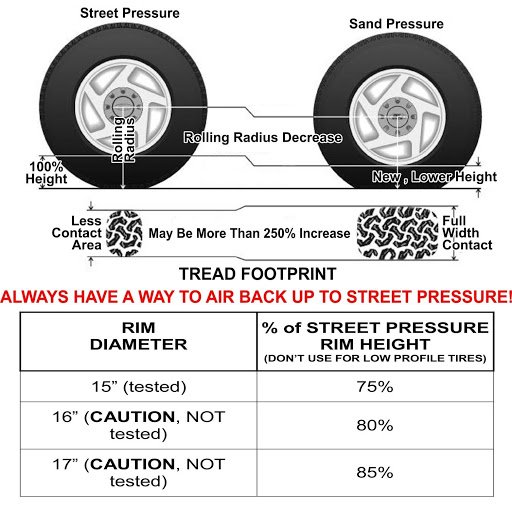
Sand is soft and uneven. If your tires are too firm, they dig in, making it harder for your vehicle to move. Lowering tire pressure increases the tire’s footprint, spreading the weight so you float on the surface.
Here are some clear benefits:
- Improved traction: Wider tires grip better and slip less.
- Reduced risk of getting stuck: You ride over, not into, the sand.
- Smoother ride: Softer tires absorb bumps and vibrations.
But there are trade-offs. Too little pressure can damage tires or rims, and you may lose control at higher speeds.
What Tire Pressure Works Best For Sand?
There’s no single answer. The ideal pressure depends on your vehicle’s weight, tire size, and sand conditions. However, most off-road experts recommend:
- For SUVs and trucks: 15–18 psi
- For smaller vehicles: 12–16 psi
- For heavy vehicles: 18–22 psi
It’s important to never go below the tire manufacturer’s recommended minimum pressure, which is usually marked on the tire sidewall.
Here is a comparison of typical sand tire pressures for different vehicles:
| Vehicle Type | Normal Pressure (psi) | Sand Pressure (psi) |
|---|---|---|
| Compact SUV | 32–35 | 12–16 |
| Full-Size Truck | 40–45 | 15–18 |
| Heavy RV | 60–80 | 18–22 |
Tools You Need To Air Down Tires
You can air down tires using basic tools, but a few specialist items make the process safer and quicker:
- Tire pressure gauge: Essential for checking psi accurately.
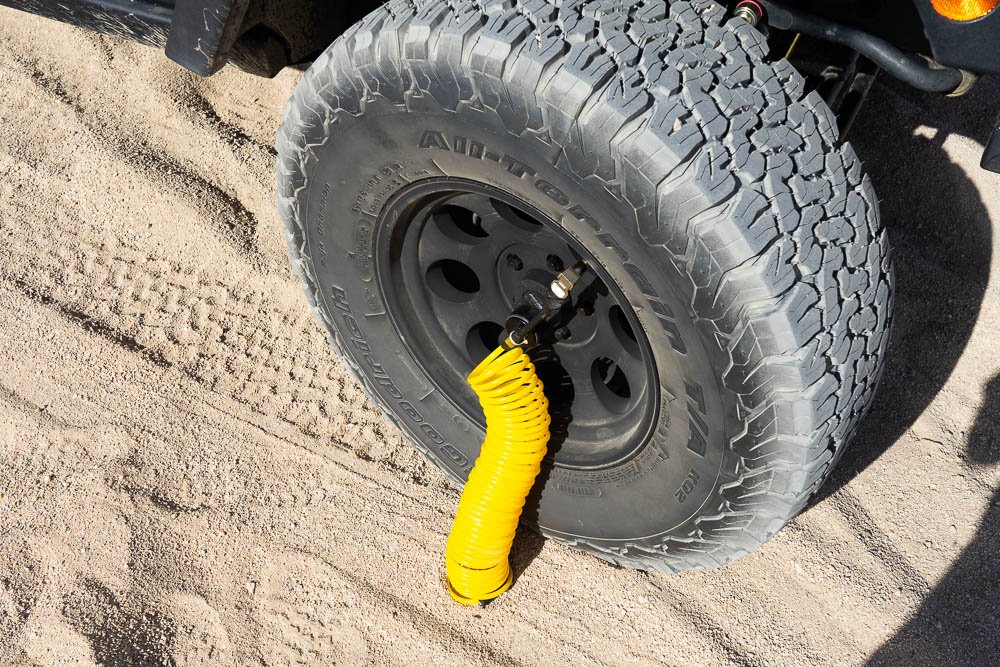
- Tire deflators: Devices that screw onto the valve and release air to a set level.
- Air compressor: To re-inflate tires after sand driving.
- Valve core tool: For removing or tightening the valve if needed.
Most off-roaders prefer automatic tire deflators for speed and precision. Manual methods (using a stick or pressing the valve) are slower and less accurate.
Here’s a look at manual vs. automatic tire deflation:
| Method | Speed (mins per tire) | Accuracy | Risk of Over-deflation |
|---|---|---|---|
| Manual (stick) | 2–3 | Low | High |
| Pressure gauge only | 1–2 | Medium | Medium |
| Automatic deflator | 0.5–1 | High | Low |
Step-by-step: How To Air Down Tires For Sand
Follow these steps to air down your tires safely and effectively:
- Park safely: Stop on a flat surface before entering sand. Engage your parking brake.
- Check tire condition: Look for any visible damage or cracks. Never air down damaged tires.
- Find your starting pressure: Read your current psi with a tire pressure gauge.
- Attach tire deflators: If using automatic deflators, screw them onto the valve stems. Set your target psi.
- Monitor pressure: Watch the gauge as air escapes. For manual methods, check often to avoid going too low.
- Repeat for all tires: Air down each tire to the same psi.
- Double-check: Confirm all tires are at the target pressure before driving.
If you’re unsure, start higher (18 psi) and test your traction. Lower pressure if you still struggle, but never drop below 10 psi unless you’re experienced and have beadlock wheels.
Common Mistakes When Airing Down
Many beginners make errors that can lead to flat tires or damage. Here are a few to avoid:
- Going too low: Pressures under 10 psi can cause tires to pop off the rim (debeading), especially without beadlocks.
- Forgetting to re-inflate: Returning to pavement with low psi risks tire failure and dangerous handling.
- Ignoring tire load: Heavier vehicles need higher pressure; don’t copy lighter vehicle settings.
- Skipping the gauge: Guessing psi is risky. Always use a reliable gauge.
A non-obvious tip: When airing down, check your spare tire too. If you get stuck, you’ll need it ready.
Practical Tips For Sand Driving After Air Down
- Drive slow: Lower psi means less control at high speed. Stay under 25 mph.
- Avoid sharp turns: Sudden turns can unseat the tire bead.
- Keep momentum: Don’t stop in soft sand unless necessary.
- Re-inflate before leaving sand: Use your air compressor to restore normal psi.
If you get stuck, try lowering pressure by 2 3 psi more. Sometimes, just that small change will free your vehicle.
Safety And Tire Maintenance
Airing down tires for sand is safe if you follow best practices. Regularly inspect tires for wear, cracks, or damage.
After sand driving, clean tires and wheels to remove grit. Re-inflate to recommended pressure immediately for highway driving.
Here’s a quick comparison of tire life based on sand driving habits:
| Driving Habit | Tire Life (miles) | Risk of Failure |
|---|---|---|
| Frequent sand, correct psi | 35,000–45,000 | Low |
| Frequent sand, too low psi | 25,000–30,000 | High |
| Rare sand use, correct psi | 50,000–60,000 | Very low |
For more advanced guidance, you can check the Tread Magazine’s air down tire guide.
Frequently Asked Questions
What Happens If I Air Down Too Much?
If you lower pressure too much, tires can lose their seal with the rim (debeading), leading to sudden air loss. This is dangerous, especially off-road. Always stay above 10 psi unless you have beadlock rims.
Can I Drive On Pavement With Aired-down Tires?
No. Low-pressure tires are unsafe on pavement.
They can overheat, wear out quickly, and lose control. Always re-inflate before returning to paved roads.
How Do I Re-inflate Tires After Sand Driving?
Use a portable air compressor or stop at a gas station with an air pump. Inflate to the manufacturer’s recommended psi, which is usually printed on the tire or door frame.
Does Airing Down Work On All Tire Types?
Most tires benefit from airing down in sand, but not all. Low-profile or run-flat tires may not respond well.
Check your tire type and manufacturer’s advice before airing down.
How Often Should I Check Tire Pressure While On Sand?
Check tire pressure every few hours, or if you notice poor traction. Temperature changes and hard driving can cause pressure to drop further, so regular checks help prevent problems.
Airing down tires for sand is a simple yet powerful technique. With the right tools, safe methods, and attention to detail, you’ll enjoy better performance and less risk.
Remember always re-inflate before returning to pavement, and inspect your tires regularly for safety.