Adjusting your headrest in a Jeep Grand Cherokee might seem simple, but doing it right makes a big difference for both safety and comfort. A properly positioned headrest can prevent neck injuries during a crash and reduce fatigue on long drives.
Yet, many drivers forget to check or adjust this essential part of their seat. Let’s look at how you can easily adjust your headrest and why it matters more than you might think.
Understanding Headrest Types In Jeep Grand Cherokee
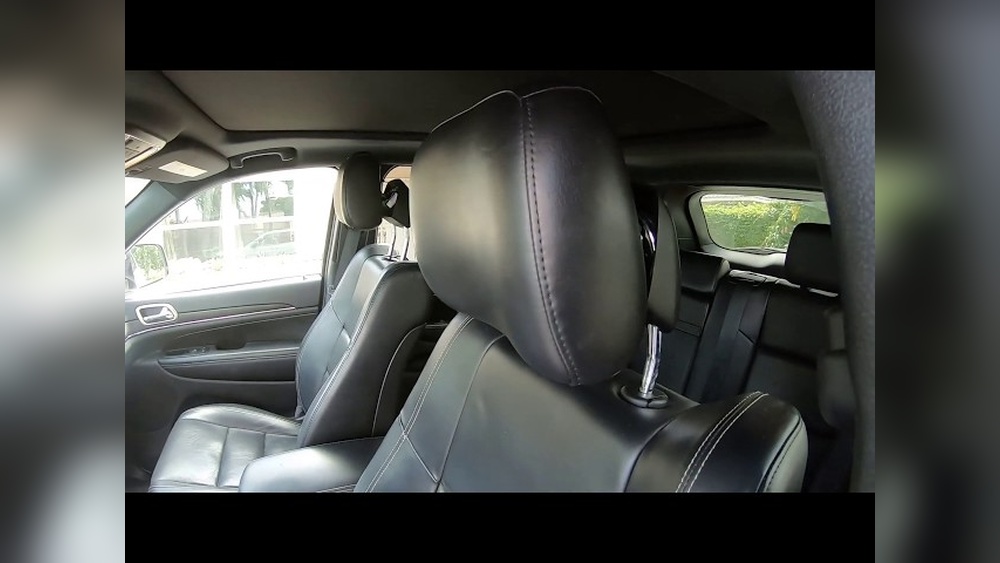
The Jeep Grand Cherokee offers different headrest designs depending on the trim and model year. Knowing your type helps you adjust it properly.
| Headrest Type | Adjustment Method | Model Years |
|---|---|---|
| Manual | Hand-operated buttons | 2011–2020 |
| Active | Spring-loaded for crash safety | 2014–2024 |
| Power | Electronic controls | 2021–2024 |
Manual headrests are most common, but newer models may have power-operated or active headrests designed to move during a crash.
Why Proper Headrest Adjustment Matters
Setting your headrest correctly is not only about comfort—it’s also about reducing whiplash risk. Studies show that up to 75% of whiplash injuries can be reduced with a properly adjusted headrest. If the headrest is too low or far back, your neck is less protected.
Many drivers miss two key points:
- The top of the headrest should line up with the top of your head—not your neck.
- The headrest should be as close to your head as possible, ideally less than two inches away.

How To Adjust Headrest In Jeep Grand Cherokee
Adjusting your headrest depends on your vehicle’s model and seat type. Let’s break down the steps for manual and power-adjustable headrests.
Manual Headrest Adjustment
- Sit in your normal driving position.
- Hold both sides of the headrest.
- Press the small button or lever at the base.
- While holding the button, move the headrest up or down.
- Release the button to lock in position.
- Check alignment: The top should be at the top of your head, and the headrest should be close (within 2 inches) to your head.
Tip: If you feel resistance, don’t force it. Some Grand Cherokee models have a safety lock or require the seat to be upright.
Power Headrest Adjustment
- Locate the power seat controls on the side of your seat.
- Find the button with a headrest icon.
- Push the button up or down to move the headrest.
- Fine-tune the tilt if your model allows (some offer forward/backward tilt).
- Double-check the position for safety and comfort.
Folding Or Removing The Headrest
Some situations require folding or removing the headrest, such as installing a child seat.
- To fold: Press and hold the release button, then push the headrest forward.
- To remove: Lift the headrest to the highest position, press the release button(s), and pull it out.
- To reinstall: Align the rods with the holes and push down until it locks.
Caution: Always reinstall the headrest before driving. Driving without it reduces safety.
Common Mistakes When Adjusting Headrests
Many Grand Cherokee drivers make these mistakes:
- Setting the headrest too low: Protects the neck less.
- Leaning the seat back too much: Increases distance from headrest.
- Ignoring the headrest after seat adjustments: Every time you change your seat position, check your headrest too.
- Removing headrest and not reinstalling: Always use the headrest for protection.

Headrest Adjustment Data Across Jeep Grand Cherokee Models
It helps to know which features your model supports. Here’s a quick comparison.
| Model Year | Manual Adjustment | Power Adjustment | Active Headrest |
|---|---|---|---|
| 2011–2013 | Yes | No | No |
| 2014–2020 | Yes | No | Yes |
| 2021–2024 | Yes | Yes (select trims) | Yes |
If you’re not sure about your model, check your owner’s manual or the Jeep website.
Practical Tips For Better Headrest Adjustment
- Ask someone to check alignment: Sometimes it’s hard to judge from the driver’s seat.
- Adjust after every seat change: Moving your seat changes headrest alignment.
- Don’t ignore rear headrests: Passengers need protection too.
- Check for locking: Gently pull the headrest after adjusting to ensure it’s locked.
- Consider accessories carefully: Avoid cushions that make the headrest less effective.
Headrest Safety And Comfort: Beyond Basics
A good headrest position reduces fatigue on long drives and makes your ride more comfortable. If you notice neck pain or headaches after driving, recheck your headrest.
Some Jeep Grand Cherokee trims offer memory seat functions that save your favorite positions, including the headrest. Using memory settings can help you keep the perfect adjustment every time.
When installing a child safety seat, you may need to remove or fold the headrest. Always reinstall it afterward, as it’s an important safety device for all passengers.
For more details on seat safety and whiplash prevention, visit the National Highway Traffic Safety Administration.
Frequently Asked Questions
How Do I Know If My Headrest Is In The Right Position?
The top of the headrest should be even with the top of your head and as close to your head as possible. There should be less than two inches between your head and the headrest.
Can I Adjust The Headrest Angle In My Jeep Grand Cherokee?
Some newer and higher-trim models allow you to tilt the headrest forward or backward. Manual models usually move up and down only.
Why Does My Headrest Move Forward Suddenly In A Crash?
This is called an active headrest. It’s designed to move forward during a rear-end collision to reduce neck injuries.
Is It Safe To Remove The Headrest When Using A Child Seat?
You may need to remove or fold the headrest for certain child seats. Always reinstall the headrest when the child seat is not in use for maximum safety.
What Should I Do If My Headrest Is Stuck?
First, check for objects blocking the rods. Try adjusting the seat upright.
If it’s still stuck, consult your owner’s manual or visit a certified Jeep service center.
A well-adjusted headrest doesn’t just make your drive smoother—it keeps you and your passengers safer. Take a few minutes to check your headrest the next time you get into your Jeep Grand Cherokee. It’s a small step that makes a big difference on every journey.