Adjusting the steering wheel in your Jeep Grand Cherokee is more than a comfort issue—it impacts safety and control. Many drivers overlook this simple step, but getting the wheel in the right position can prevent fatigue and make your drive smoother.
Whether you’re new to driving a Grand Cherokee or just want to improve your experience, learning how to adjust the steering wheel is easy, quick, and worthwhile.
Why Steering Wheel Position Matters
The steering wheel is your main point of contact with your car. If it’s too high or too low, your arms can get tired and your reaction time may slow. Poor positioning can also block your view of the dashboard or cause strain on your shoulders and neck. Studies show that a comfortable steering wheel position reduces driver fatigue by almost 20% during long trips.
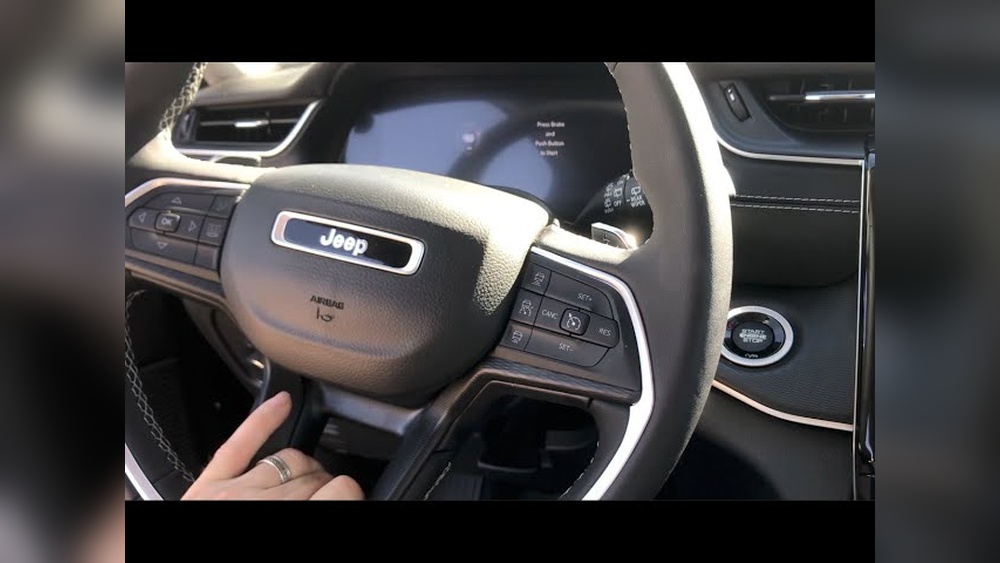
Another important factor is safety. In a crash, a poorly adjusted steering wheel can interfere with the airbag deployment.
By keeping the wheel in the right position, you help the airbag protect you better.
Types Of Steering Wheel Adjustments In Jeep Grand Cherokee
Jeep Grand Cherokee models typically offer two types of adjustments:
- Manual adjustment – Found in most standard trims. You move the wheel using a lever under the column.
- Power adjustment – Common in higher trims. You use buttons or a joystick, usually mounted on the side of the steering column.
Here’s a quick comparison of both systems:
| Adjustment Type | How It Works | Model Availability |
|---|---|---|
| Manual | Lever-operated, up/down & in/out | Laredo, Limited, older models |
| Power | Button or joystick, electronic | Overland, Summit, newer models |

Step-by-step: Adjusting The Steering Wheel
Making the adjustment is straightforward. Here’s how to do it safely:
Manual Adjustment
- Park safely: Always adjust while parked, never while driving.
- Locate the lever: Underneath the steering column, you’ll find a lever.
- Release the lock: Pull the lever down. This unlocks the steering wheel.
- Move the wheel: Adjust up, down, closer, or farther as needed.
- Lock in place: Push the lever back up to secure the wheel.
Power Adjustment
- Ignition on: For power adjustment, the car must be on or in accessory mode.
- Find the controls: Look for buttons or a small joystick on the side of the steering column.
- Adjust position: Move the wheel up, down, in, or out using the controls.
- Check comfort: Make sure your arms are slightly bent and your view of the dashboard is clear.
A common mistake is not locking the wheel after adjusting. If you forget, the wheel can move unexpectedly, which is dangerous.
How To Find The Perfect Steering Wheel Position
Finding your ideal position is not just about comfort. Here are key points to remember:
- Your hands should rest at 9 and 3 o’clock positions.
- Arms should be slightly bent, not straight.
- The wheel should not block your view of gauges.
- The airbag should face your chest, not your face.
- You should be able to reach all controls without stretching.
Research shows that setting the wheel lower and closer improves control for most drivers, but always adjust for your body size and seat height.

If you want the best driving experience, don’t stop at the steering wheel. Adjust your seat and mirrors too.
| Feature | Adjustment | Purpose |
|---|---|---|
| Seat Height | Raise/lower | Better visibility |
| Seat Distance | Move forward/back | Reach pedals comfortably |
| Mirror Angle | Tilt for full view | Reduce blind spots |
Many drivers forget to adjust mirrors after moving the wheel. Take a minute to check your mirror angles before hitting the road.
Troubleshooting Common Problems
Sometimes, you may run into issues when adjusting the steering wheel:
- Wheel won’t move: Check if the lever or controls are stuck. Debris or old grease can block movement.
- No power adjustment: If buttons don’t respond, check the fuse box for blown fuses or consult your manual.
- Strange noises: Grinding sounds mean something may be loose. Visit a mechanic for inspection.
If your steering wheel feels loose after adjustment, it’s best to have it checked. Loose wheels can affect handling and safety.
When To Seek Professional Help
If you notice persistent problems like a wheel that won’t lock, or electric controls that fail repeatedly get help from a qualified technician. Steering wheel mechanisms are tied to safety systems like airbags and steering column locks.
Never force the wheel or attempt repairs unless you have experience.
For more detailed technical information, the official Jeep site has guides and manuals. You can visit Jeep Official Site for model-specific instructions.
Frequently Asked Questions
How Often Should I Adjust My Steering Wheel?
You should adjust the steering wheel every time you change drivers or after moving your seat. If you feel discomfort or strain, make a quick adjustment.
Can I Adjust The Steering Wheel While Driving?
No, it is unsafe. Always adjust while the vehicle is parked with the engine off or in accessory mode.
Is There A Memory Feature For The Steering Wheel In Newer Grand Cherokees?
Yes, some models have a memory function. It saves your settings and restores them automatically when you unlock the car.
What If The Steering Wheel Adjustment Is Stuck?
Try cleaning around the lever or controls. If it still won’t move, consult your Jeep dealer. Forcing the mechanism can cause damage.
Does Adjusting The Steering Wheel Affect Airbag Safety?
Yes. The airbag is designed to protect you when the wheel is positioned correctly.
Make sure it faces your chest, not your face or neck, for best protection.
Adjusting your Jeep Grand Cherokee’s steering wheel is a small task with big benefits. Proper adjustment keeps you comfortable, improves control, and helps you stay safe.
Take a few moments to set the wheel right every time you drive it’s a habit that pays off in comfort and safety.