Adding transmission fluid to your Jeep Cherokee 2014 is a simple task, but it requires careful attention. If your transmission fluid is low, your SUV may experience rough shifting, strange noises, or even fail to move.
Many owners don’t realize that this routine maintenance can prevent expensive repairs and extend the life of your vehicle.
This guide will show you exactly how to add transmission fluid, what to watch out for, and common mistakes to avoid. Whether you’re a beginner or have some experience, you’ll find clear steps and practical advice.
Checking Transmission Fluid Levels
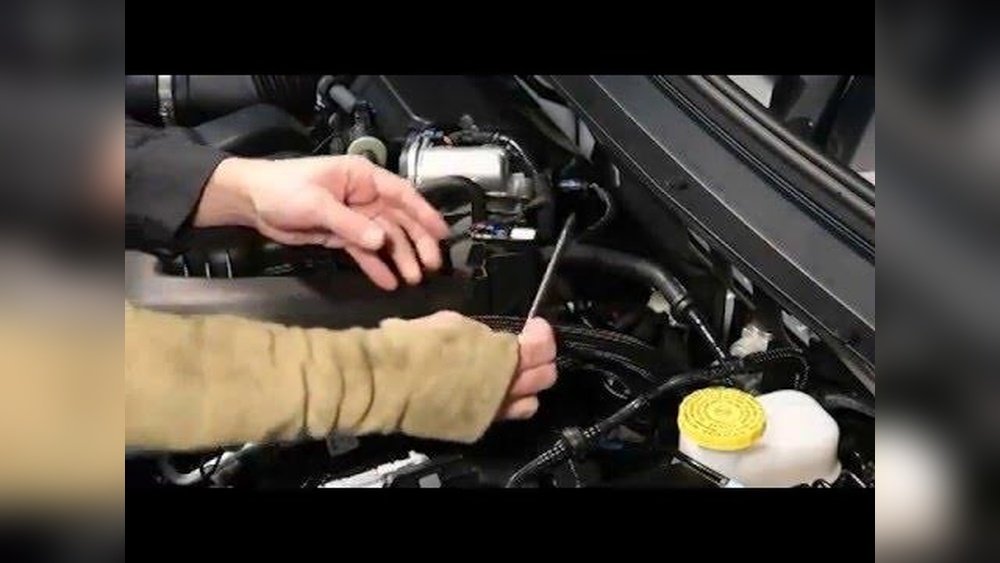
Before adding fluid, you need to check the current level. The 2014 Jeep Cherokee uses a sealed transmission, so there is no traditional dipstick. Instead, you’ll use a fill plug and level check procedure.
- Park on a level surface.
- Set the parking brake and let the engine cool.
- Raise the vehicle with a jack and secure it with jack stands.
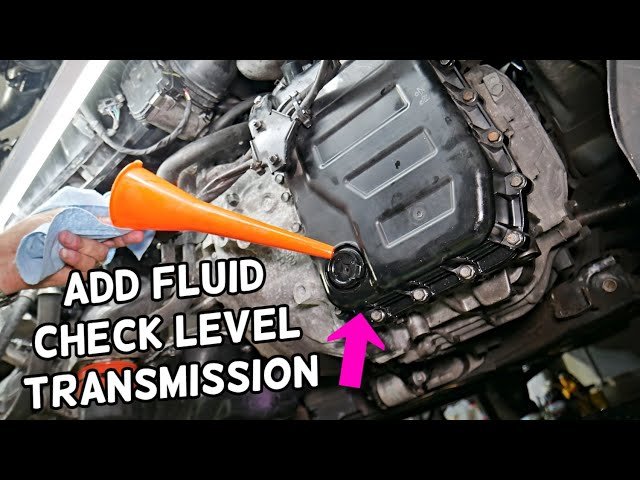
- Locate the transmission fill plug on the side of the transmission housing.
Many owners skip using proper safety measures, which can lead to injury. Always use jack stands; never rely on just a jack.
Tools Needed
- Socket set
- Funnel with a long neck
- Transmission fluid (check your owner’s manual for the exact type; usually ATF+4)
- Clean rags
- Jack and jack stands
How To Add Transmission Fluid
Follow these steps to add fluid safely and correctly:
Step 1: Identify The Correct Fluid
The Jeep Cherokee 2014 usually requires ATF+4 transmission fluid. Using the wrong fluid can cause damage or shifting problems. Always double-check the fluid type in your manual or with a trusted mechanic.
Step 2: Prepare Your Vehicle
- Lift the car safely.
- Locate the fill plug (usually a hex bolt).
- Clean around the fill plug to prevent dirt from entering the transmission.
Step 3: Remove The Fill Plug
- Use the correct socket to remove the fill plug.
- Place a catch pan underneath in case fluid spills.
Step 4: Add Transmission Fluid
- Insert the funnel into the fill hole.
- Pour fluid slowly; do not rush.
- Wait for fluid to start dripping out of the fill hole. This means the fluid has reached the correct level.
Step 5: Reinstall The Fill Plug
- Wipe away any excess fluid.
- Tighten the fill plug securely.
Step 6: Lower The Vehicle And Test
- Remove jack stands and lower the car.
- Start the engine and shift through all gears.
- Drive for a short distance, then recheck the fluid level if possible.
Many people forget to shift through all gears after adding fluid. This step helps the fluid circulate and ensures accurate levels.
Choosing The Right Transmission Fluid
Not all transmission fluids are the same. Using the wrong type can damage your transmission.
| Fluid Type | Compatibility | Price (per quart) |
|---|---|---|
| ATF+4 | Jeep Cherokee 2014 | $8–$12 |
| Dexron VI | Not recommended | $6–$10 |
| Multi-Vehicle ATF | Check compatibility | $7–$13 |
Always use ATF+4 for the Jeep Cherokee 2014. Other fluids can cause slipping or overheating.
Common Mistakes And How To Avoid Them
Many beginners make errors when adding transmission fluid. Here are the most frequent mistakes:
- Using the wrong fluid type. Always check your manual.
- Overfilling. Too much fluid can cause leaks and shifting issues.
- Not cleaning around the fill plug. Dirt can enter the transmission and cause damage.
- Failing to test drive after adding fluid. This may result in inaccurate fluid levels.
Some owners also forget to secure the fill plug, leading to leaks. Always double-check your work.

Signs You Need More Transmission Fluid
Your Jeep Cherokee will often show signs if the fluid is low:
- Slipping gears
- Delayed shifting
- Strange noises from the transmission
- Transmission warning light
If you notice these symptoms, check the fluid level immediately. Ignoring them can lead to expensive repairs.
Transmission Fluid Capacity
Knowing how much fluid your transmission holds is important. The 2014 Jeep Cherokee typically holds about 5.5 quarts for a fluid change.
| Transmission Model | Fluid Capacity (quarts) | Service Interval |
|---|---|---|
| 948TE (9-speed) | 5.5 | 60,000 miles |
| ZF 9HP48 | 5.5 | 60,000 miles |
If you are only topping off, you will need much less fluid. Always add slowly to prevent overfilling.
Practical Tips For Adding Fluid
- Use a long-neck funnel to avoid spills.
- Always wear gloves to protect your hands.
- Buy extra fluid; sometimes you need more than expected.
- Dispose of old fluid properly.
- If unsure, consult a mechanic.
Many beginners miss that the transmission must be at operating temperature for an accurate check. Run your engine for a few minutes before checking the level.
When To Change Transmission Fluid
Adding fluid is not the same as changing it. For best performance, change your transmission fluid every 60,000 miles or as recommended by your manual. Fresh fluid keeps your transmission running smoothly and prevents breakdowns.
If you drive in harsh conditions (heavy towing, extreme heat), consider changing fluid more often. Clean fluid reduces wear and extends the life of your transmission.
Frequently Asked Questions
How Often Should I Add Transmission Fluid To My Jeep Cherokee 2014?
You should only add fluid if the level is low. Normally, you don’t need to add fluid between changes unless you have a leak or drive in extreme conditions.
What Type Of Transmission Fluid Does The Jeep Cherokee 2014 Use?
The 2014 Jeep Cherokee uses ATF+4. Always check your owner’s manual to confirm.
Can I Use Dexron Vi Or Other Fluids Instead Of Atf+4?
No. Using fluids other than ATF+4 can cause damage. Stick with the recommended type for safety.
How Do I Know If My Transmission Fluid Is Low?
Common signs include slipping gears, delayed shifting, and transmission warning lights. If you notice these, check the fluid level.
Is It Safe To Add Transmission Fluid Myself?
Yes, if you follow the steps carefully and use the correct tools. If you’re not comfortable, ask a mechanic for help or follow official instructions from Jeep Owners Manual.
Taking care of your Jeep Cherokee’s transmission is important for smooth driving and avoiding costly repairs. By learning how to add transmission fluid properly, you can keep your vehicle running well and stay safe on the road.
Always use the right tools, double-check your fluid type, and don’t rush the process.
With these steps, you’ll be ready for confident, trouble-free driving.