Jeep soft tops are more than just a cover. They offer flexibility, style, and protection for your vehicle.
If you’ve ever seen a Jeep with a fabric roof and wondered how it works, you’re not alone. Many beginners struggle to understand the mechanics behind soft tops, especially when comparing them to hard tops.
This guide breaks down how Jeep soft tops function, their benefits, and what you should know before using one.
What Is A Jeep Soft Top?
A Jeep soft top is a flexible roof made of durable fabric, usually vinyl, canvas, or polyester. It stretches over a frame to cover the cabin. Unlike hard tops, which are made from metal or fiberglass, soft tops can be folded, removed, or replaced easily. Most Jeep models, especially the Wrangler, offer both soft and hard top options.
Soft tops are popular for several reasons:
- Lightweight: Easier to handle and install.
- Convertible: Can be rolled back for open-air driving.
- Affordable: Usually less expensive than hard tops.
How Jeep Soft Tops Work
Jeep soft tops rely on a combination of materials and engineering. The main components include:
- Fabric Cover: The actual roof, made from water-resistant material.
- Frame or Bow System: Metal rods and brackets that support the fabric.
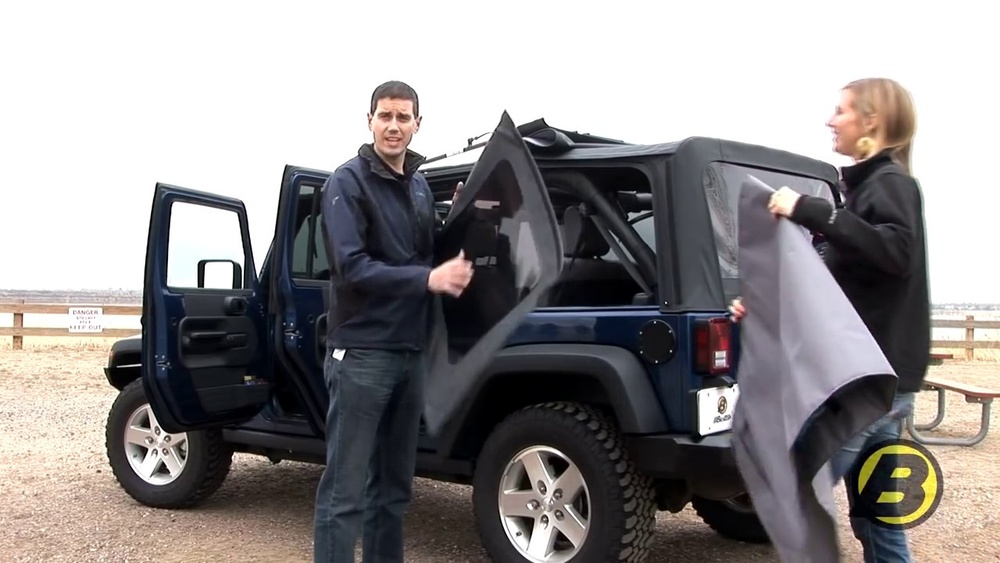
- Windows: Clear plastic panels, usually zippered or Velcro-attached.
- Seals and Fasteners: Zippers, Velcro, snaps, and clips to secure the top.
When you want to remove or fold the soft top, you usually:
- Unzip or unclip the windows.
- Release the fasteners holding the fabric.
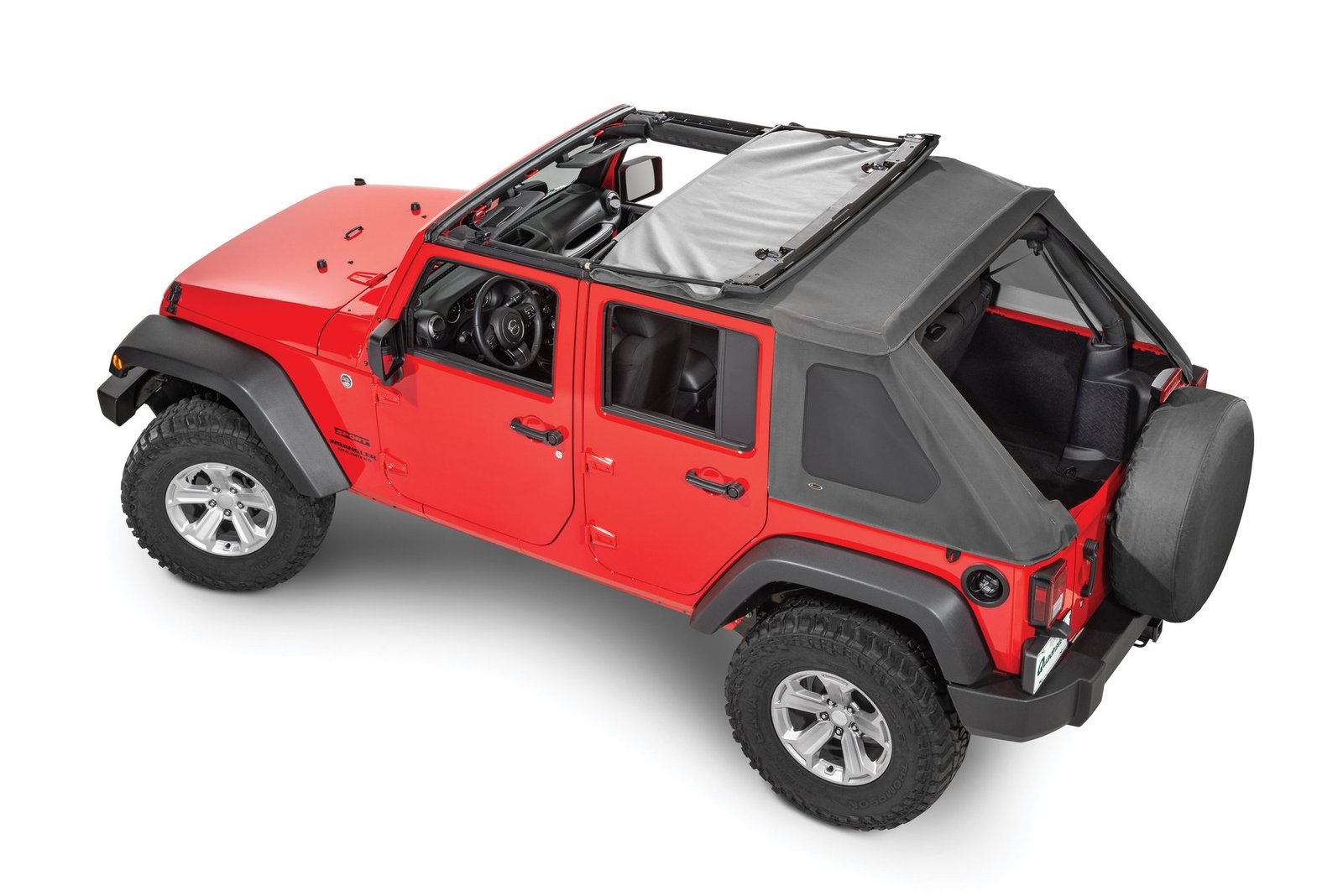
- Fold the frame backward, allowing the fabric to collapse.
Some models offer a “Sunrider” feature, which lets you flip open just the front section for partial sunlight.
Soft Top Operation Example
Imagine you’re driving a Jeep Wrangler with a soft top. On a sunny day, you decide to open up for fresh air. You unzip the rear window, release the latches above the windshield, and fold the roof backward. In a few minutes, your Jeep transforms from a closed SUV to an open convertible.
Manual Vs. Automatic Soft Tops
Most Jeep soft tops are manual, requiring you to physically unzip, unclip, and fold the roof. However, newer models sometimes offer power-operated soft tops. These use motors and switches to open or close the roof with the push of a button. Power tops are faster and easier but cost more.
Comparing Soft Tops And Hard Tops
Choosing between a soft top and a hard top is a big decision. Here’s a quick comparison:
| Feature | Soft Top | Hard Top |
|---|---|---|
| Weight | Light | Heavy |
| Installation | Easy | Difficult |
| Weather Protection | Moderate | High |
| Security | Low | High |
| Cost | Lower | Higher |
| Convertible Option | Yes | No |
Soft tops are perfect for summer and off-roading fans, while hard tops are better for harsh winters and city driving.
Types Of Jeep Soft Tops
Jeep soft tops come in various styles. Here are the main types:
| Type | Description | Best For |
|---|---|---|
| Full Soft Top | Covers the entire cabin, including doors and windows. | Year-round use |
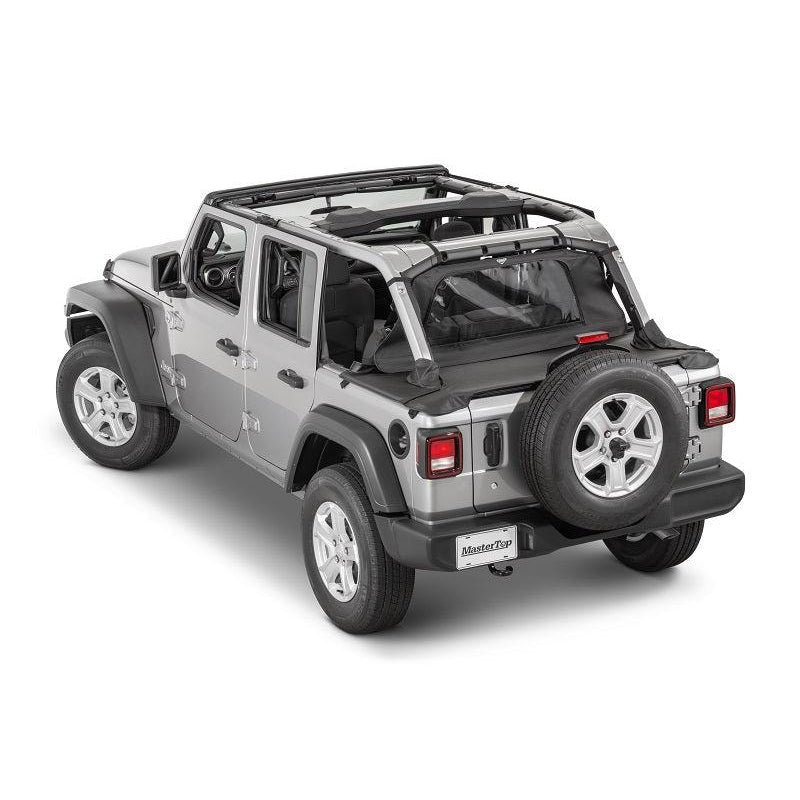
| Bikini Top | Covers only the front seats. | Summer driving |
| Half Top | Covers front and rear seats, leaves cargo open. | Flexible needs |
Many Jeep owners have multiple soft tops for different seasons.
Installation And Maintenance Tips
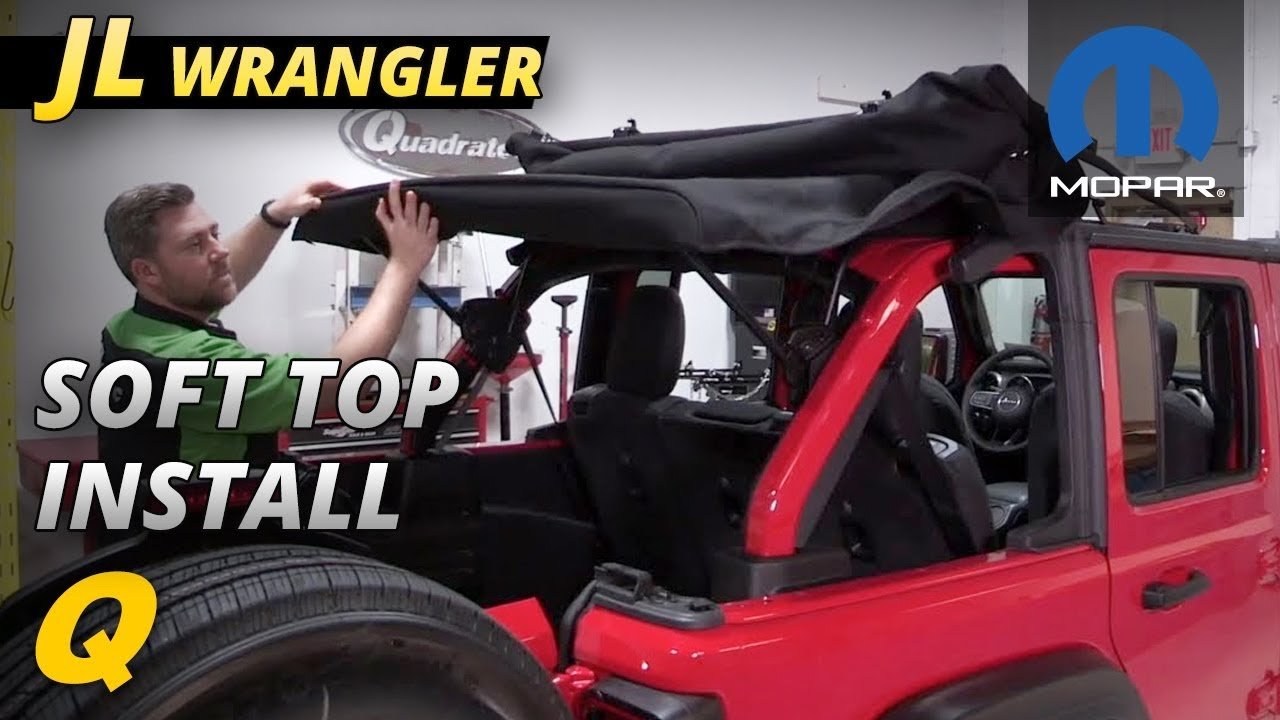
Installing a Jeep soft top is not difficult, but it takes some practice. Here are a few tips:
- Read the manual: Always follow the instructions from the manufacturer.
- Check the frame: Make sure all rods and brackets are secure.
- Warm weather helps: Soft tops stretch better in warm temperatures.
- Lubricate zippers: Use silicone spray to keep zippers working smoothly.
- Clean regularly: Wash the fabric with mild soap and water.
A common mistake is forcing cold or stiff fabric, which can cause tears. Another error is forgetting to align the frame, leading to leaks.
Pros And Cons Of Jeep Soft Tops
Let’s look at the main advantages and disadvantages:
| Pros | Cons |
|---|---|
| Easy to remove | Less secure |
| Convertible feel | Noisy at high speeds |
| Lower cost | Less insulation |
| Lightweight | Shorter lifespan |
An insight many beginners miss: soft tops can fade or crack if exposed to sun for long periods. Using a cover or parking in shade extends their life.
Common Problems And Solutions
Soft tops are practical, but they have some issues:
- Leaks: Check seals and repair tears with patch kits.
- Noise: Tighten the frame and close all windows.
- Cloudy windows: Clean with plastic-safe cleaners.
- Broken zippers: Replace or lubricate.
A tip: Always store soft tops flat and dry to avoid mildew.
Upgrades And Accessories
You can improve your Jeep soft top experience with accessories:
- Tinted windows: Reduce glare and heat.
- Heavy-duty fabric: For better durability.
- Quick-release fasteners: Make removal faster.
- Wind bar: Reduces cabin noise.
Some owners also add security locks to prevent theft.
For more technical details on Jeep roofs, you can visit Wikipedia.
Frequently Asked Questions
How Long Does A Jeep Soft Top Last?
Most soft tops last 3-5 years with proper care. Sun, rain, and snow can shorten their lifespan.
Can You Drive A Jeep With The Soft Top Partially Open?
Yes, but make sure all fasteners are secure. Never drive at high speed with loose fabric, as it can flap and tear.
Are Soft Tops Waterproof?
Soft tops are water-resistant, not fully waterproof. Heavy rain may cause leaks if seals are damaged.
Is It Easy To Switch Between Soft And Hard Tops?
Switching takes 30-60 minutes with the right tools. Hard tops are heavier, so having help is useful.
What Is The Best Way To Clean Jeep Soft Tops?
Use mild soap and water. Avoid harsh chemicals, which can damage fabric and windows.
Jeep soft tops offer freedom and versatility, making them a favorite for outdoor adventures. Understanding how they work, their benefits, and their care helps you get the most out of your Jeep.
Whether you want a convertible feel or just an easy-to-use roof, a soft top is a great choice for many drivers.