Jeep vehicles are famous for their rugged design and off-road abilities. But many drivers overlook one important detail—the steering wheel. The steering wheel is not just a tool for control; it’s a key part of the driving experience. Whether you drive a classic Wrangler, a luxurious Grand Cherokee, or a modern Gladiator, the right steering wheel can improve comfort, handling, and style. Let’s explore how Jeep steering wheels compare and why your choice matters.
Types Of Jeep Steering Wheels
Jeep offers different steering wheel styles, materials, and features. Understanding these differences can help you choose the best option for your needs.
Factory Steering Wheels
Most Jeep models come with a factory steering wheel designed for general use. These wheels are usually made from plastic or urethane, sometimes wrapped in leather. They often feature:
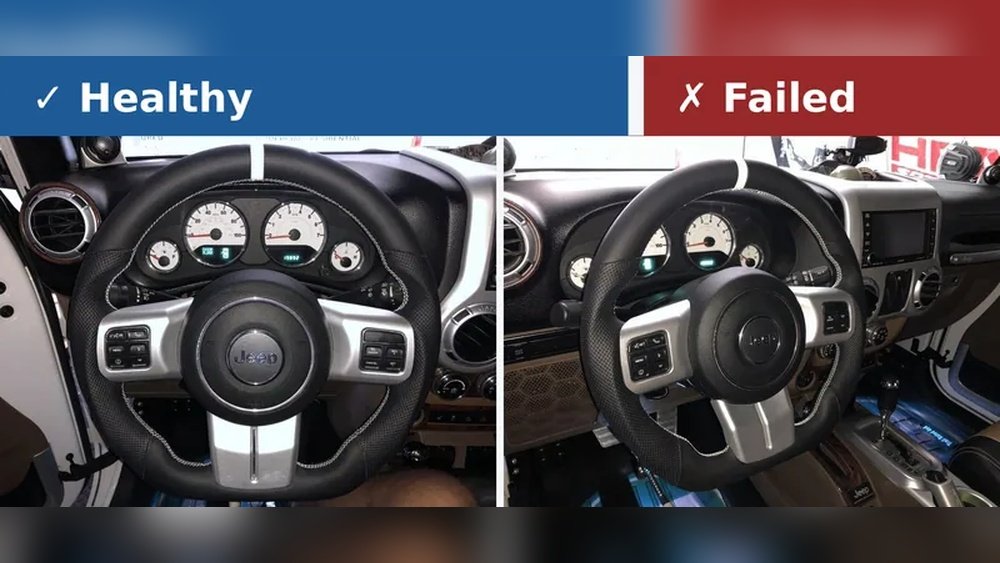
- Standard size (14-15 inches diameter)
- Basic grip pattern
- Integrated controls for radio, cruise, and phone
For example, the Jeep Wrangler JL comes with a leather-wrapped wheel and buttons for various features.
Aftermarket Steering Wheels
Many Jeep owners swap out their factory steering wheels for aftermarket options. These wheels offer:
- Custom shapes and sizes (smaller or thicker for better grip)
- Unique materials (carbon fiber, suede, wood)
- Enhanced comfort or sporty styling
Brands like Momo, Grant, and Sparco are popular for performance and off-road upgrades.
Specialty Wheels
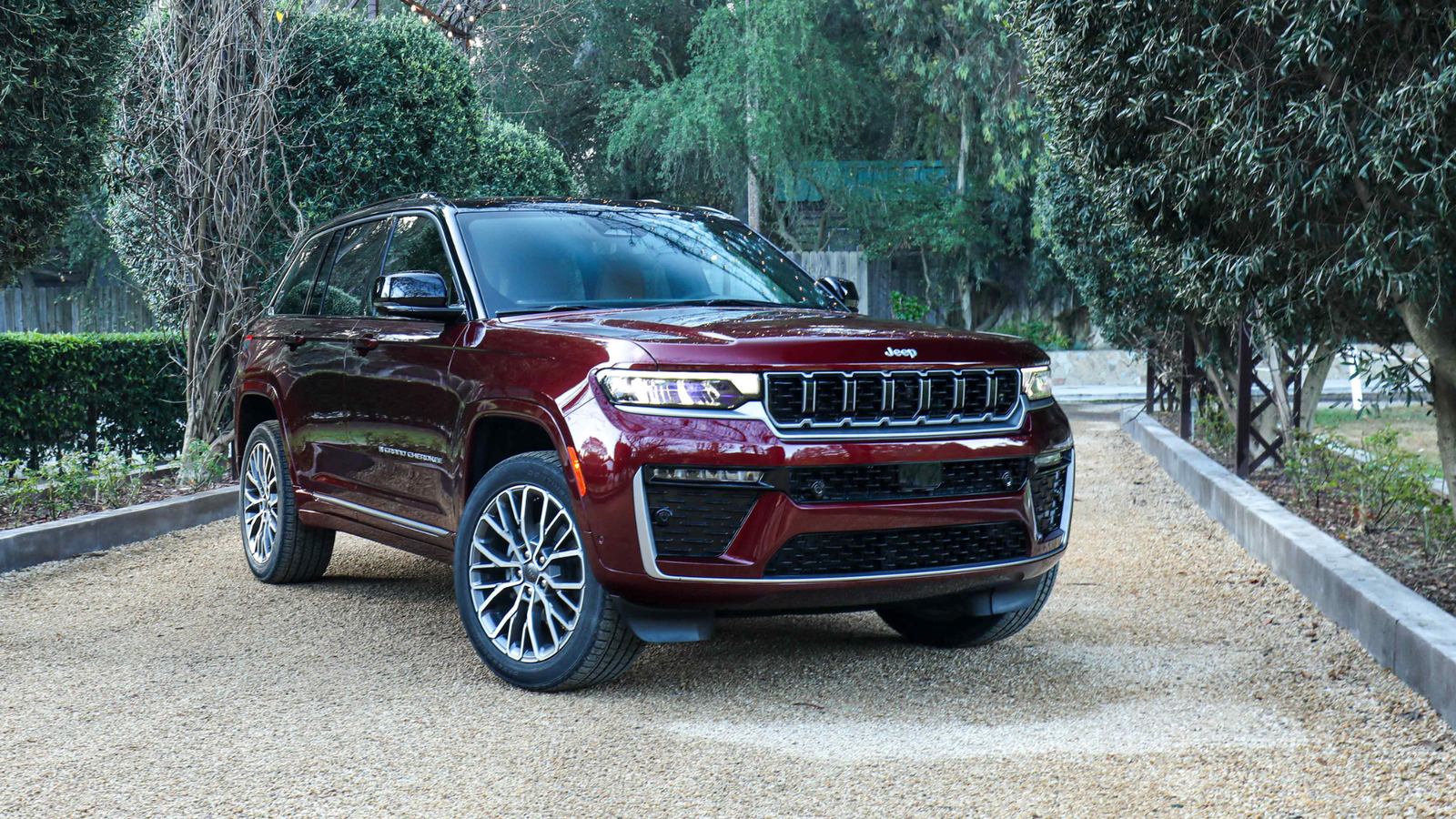
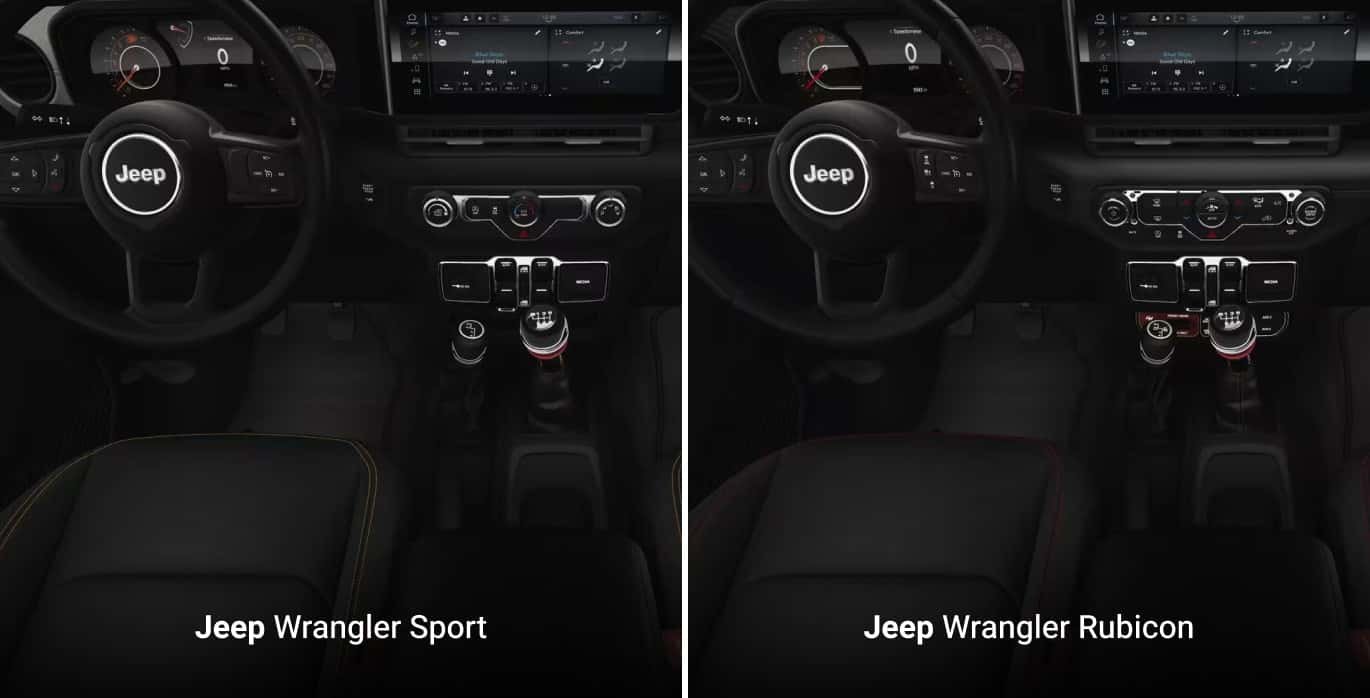
Some Jeeps are equipped with specialty steering wheels for luxury or extreme use. For example, the Grand Cherokee Summit features a heated leather wheel, while Rubicon models may use a more rugged design for off-roading.
Comparing Features And Materials
When looking at Jeep steering wheels, certain features and materials stand out. Here’s a closer look:
| Feature | Factory Wheels | Aftermarket Wheels |
|---|---|---|
| Material | Plastic, Leather | Leather, Suede, Carbon Fiber, Wood |
| Controls | Integrated (radio, cruise) | Usually not integrated |
| Size | 14-15 inches | 12-15 inches |
| Grip | Standard | Enhanced (thicker, textured) |
| Heating | Optional | Rare |
Factory wheels focus on comfort and technology. Aftermarket wheels focus on performance and style, but may lack built-in controls.
Performance And Handling Differences
The steering wheel affects how you drive. Let’s compare the impact of different types:
Off-road Performance
A thicker or smaller wheel can make off-road driving easier. You get more precise control, especially on rough terrain. Many Wrangler owners upgrade to a wheel with better grip for this reason.
On-road Comfort
On-road, a leather-wrapped wheel with built-in heating feels comfortable in all weather. The Grand Cherokee’s luxury models offer this for daily driving.
Safety
Factory wheels are designed to work with airbags and electronic systems. Aftermarket wheels may require special adapters. Always check compatibility before changing your wheel.
Style And Personalization
Jeep steering wheels let you express your style. Some drivers want a classic look, others prefer a modern touch. Here are some popular choices:
- Leather-wrapped wheels: Smooth, comfortable, and stylish.
- Suede or Alcantara: Sporty, grippy, and often used in racing.
- Wood: Classic look, seen in vintage Jeeps.
- Carbon fiber: Lightweight and futuristic.
Upgrading your wheel can change the feel of your Jeep’s interior. Some wheels even have colored stitching or custom logos.
Cost Comparison
Prices for Jeep steering wheels vary by type and brand. Here’s a quick breakdown:
| Type | Average Cost (USD) |
|---|---|
| Factory Replacement | $200 – $500 |
| Aftermarket Basic | $100 – $300 |
| Aftermarket Premium | $400 – $800 |
| Luxury (heated, leather) | $500 – $1,000 |
Installation can add $50 $150. Some wheels require adapters or extra parts, especially for airbag compatibility.
Two Common Mistakes When Choosing
Many beginners make mistakes when upgrading their Jeep steering wheel:
- Ignoring Airbag Compatibility: Some aftermarket wheels do not support airbags. This can affect your safety and may not meet legal requirements.
- Choosing the Wrong Size: A wheel that’s too small or too large can make driving uncomfortable and reduce control, especially off-road.
Always check fitment and safety before buying.

Practical Tips For Selecting A Jeep Steering Wheel
- Test grip and comfort before purchase.
- Confirm compatibility with your Jeep model and year.
- Make sure integrated controls (if needed) will work.
- Look for wheels with durable materials if you drive off-road.
- For daily use, heated and leather-wrapped wheels are best for comfort.
For more details on steering wheel types and safety, visit the Wikipedia Steering Wheel page.
Frequently Asked Questions
What Is The Best Material For A Jeep Steering Wheel?
Leather is popular for comfort and durability. Suede is best for grip in performance driving. For off-roading, look for textured materials.
Can I Install An Aftermarket Steering Wheel On My Jeep?
Yes, but check for airbag compatibility and make sure you have the correct adapters. Some aftermarket wheels may not support built-in controls.
How Much Does A Jeep Steering Wheel Replacement Cost?
A basic replacement can cost $100–$300. Premium or luxury options may reach $1,000 including installation.
Will Changing My Steering Wheel Affect My Warranty?
If you use aftermarket parts, your warranty may be affected, especially if airbags or electronics are involved. Check your Jeep’s policy before making changes.
Are Heated Steering Wheels Available For All Jeep Models?
No, heated steering wheels are usually found on luxury or higher trim levels. Some aftermarket heated wheels exist, but installation can be complex.
Choosing the right steering wheel can upgrade your Jeep’s comfort, style, and performance. Whether you stick with factory options or go for a custom look, focus on safety, fit, and features.
Avoid common mistakes by checking compatibility and materials. A good steering wheel makes every drive more enjoyable, whether you’re on the highway or a dirt trail.