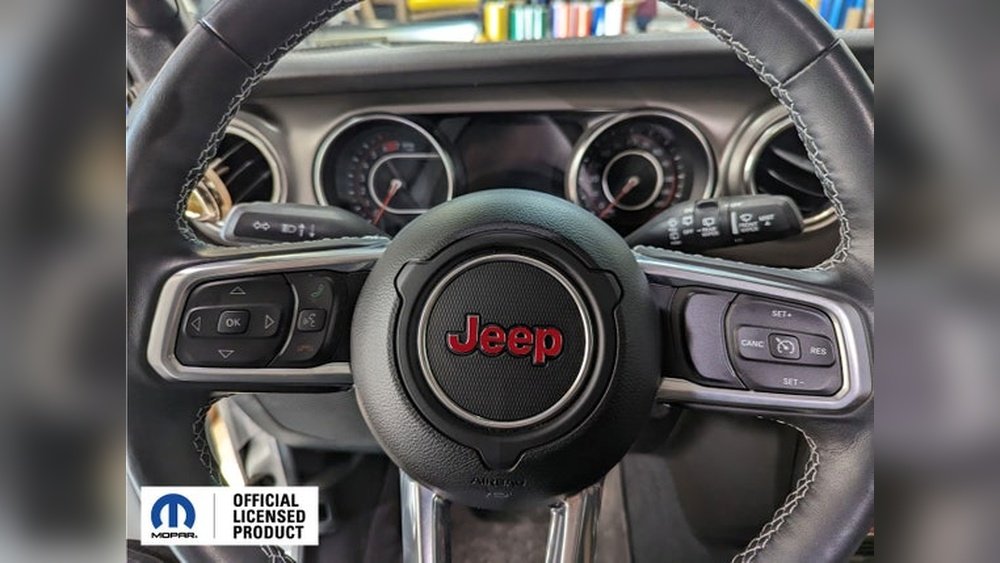
If you see the check engine light glowing on your Jeep Grand Cherokee’s dashboard, it can be unsettling. You might wonder, “Is it something serious?
Can I keep driving? What should I do next?
” This little warning light is your Jeep’s way of telling you that something needs your attention whether it’s a minor issue like a loose gas cap or a more serious engine problem.
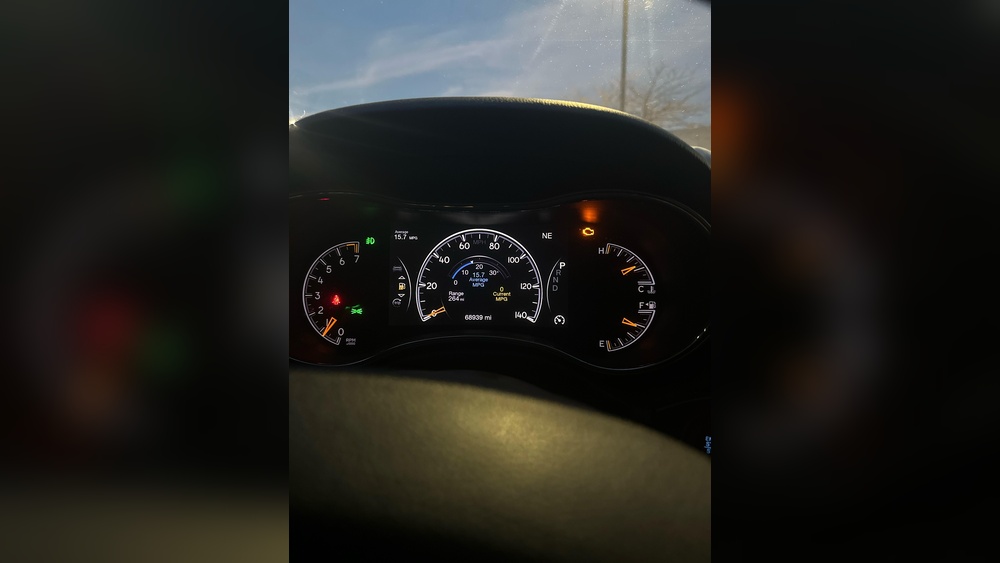
Understanding why that light is on and how to respond can save you time, money, and stress. You’ll learn the common reasons behind the check engine light on your Jeep Grand Cherokee and simple steps you can take to diagnose and fix the problem. Keep reading to take control of your Jeep’s health and avoid costly repairs down the road.
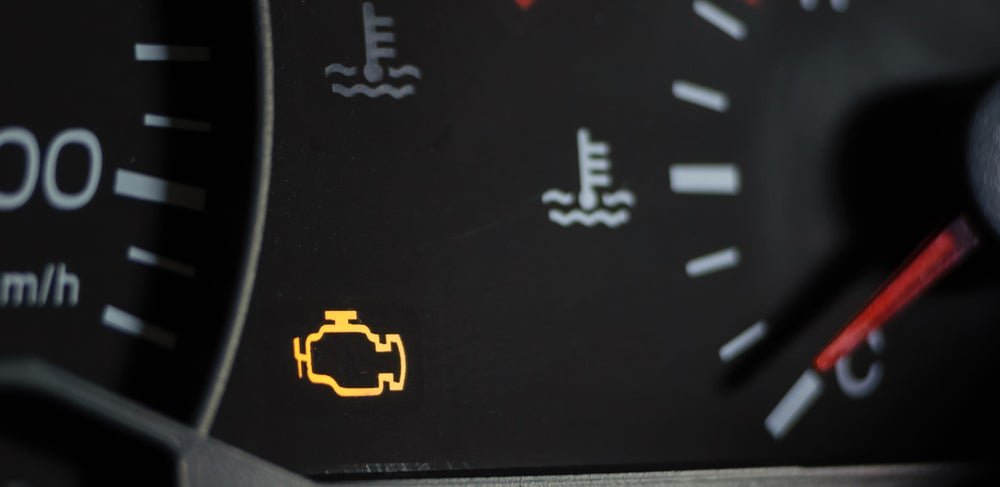
Common Causes
The check engine light on your Jeep Grand Cherokee warns you about engine troubles. Knowing when to seek professional help protects your vehicle and your safety. Some signs mean a quick fix at home. Others require expert attention. Pay close attention to these key signals.
Persistent Warning Lights
If your check engine light stays on for several days, have your Jeep checked. A steady light means a fault detected by the system.
It could be a minor or serious issue. Ignoring it may lead to more damage and costly repairs later.
A mechanic can read the trouble codes and find the exact problem.
Flashing Light Emergencies
A flashing check engine light signals a severe engine problem. Stop driving as soon as it is safe.
Continuing to drive risks major damage like a broken catalytic converter. Call for roadside assistance or have your Jeep towed to a repair shop.
Immediate professional help can save you money and prevent breakdowns.
Unusual Engine Noises Or Performance
Strange sounds or poor engine performance are red flags. If your Jeep stutters, stalls, or runs rough, get help fast.
These symptoms often come with a check engine light. A trained technician can inspect the engine and fix the root cause.
Don’t wait for these problems to get worse.

Check Engine Light Types
Keeping your Jeep Grand Cherokee running smoothly means staying ahead of problems. Preventive maintenance helps catch issues before they cause the check engine light to turn on.
Simple, regular care improves your vehicle’s performance and saves money on repairs.
Regular Spark Plug Replacement
Spark plugs ignite the fuel in your engine. Worn or dirty spark plugs cause misfires and reduce fuel efficiency.
Replace spark plugs every 30,000 to 50,000 miles. This keeps the engine running clean and smooth.
Fresh spark plugs prevent rough idling and help avoid check engine light alerts.
Routine Battery Checks
The battery powers your Jeep’s electrical system. A weak or corroded battery can trigger warning lights.
Check the battery terminals for corrosion and clean them as needed. Test the battery voltage regularly, especially before long trips.
Healthy batteries support proper engine management and sensor function.
Scheduled Sensor Inspections
Engine sensors monitor vital systems and send data to the computer. Faulty sensors cause the check engine light to activate.
Inspect oxygen sensors, mass airflow sensors, and coolant temperature sensors at recommended intervals. Replace any sensor showing signs of wear or malfunction.
Proper sensor performance ensures accurate engine control and emissions management.
Conclusion
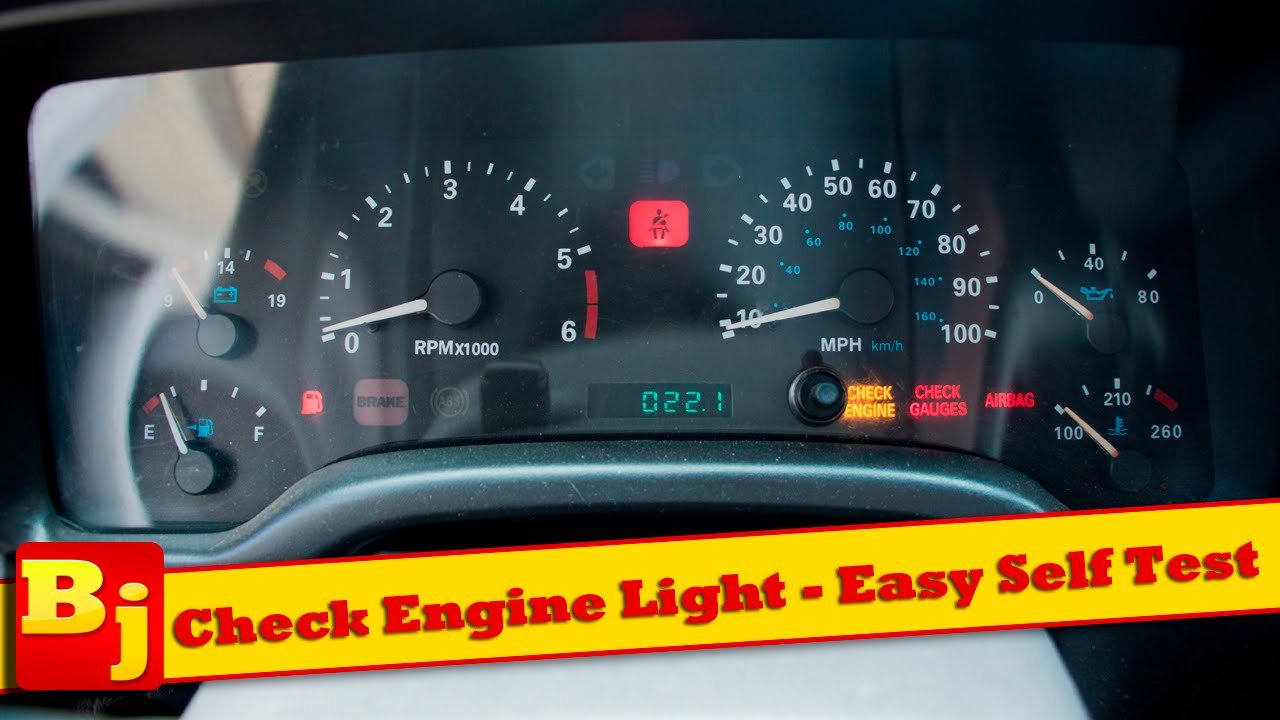
The check engine light on your Jeep Grand Cherokee is an important alert. It warns you about issues with the engine or emissions system.
Don’t ignore this signal. Tighten the gas cap first and see if the light turns off.
Use an OBD-II scanner or visit a store to read the codes. A flashing light means stop driving and get help immediately. Taking quick action can prevent costly repairs and keep your Jeep running smoothly. Stay alert and address the warning to protect your vehicle.