If you own a Jeep and have seen the dreaded C121C code pop up, you’re probably wondering what it means and how it affects your ride. This code isn’t just a random error, it signals a problem with your Jeep’s traction control or ABS system.
Ignoring it could lead to reduced power, unexpected warning lights, or even “limp mode,” which limits your vehicle’s performance. But don’t worry you’re in the right place to get clear, straightforward answers.
You’ll discover what triggers the C121C code, how it impacts your Jeep, and simple steps you can take to diagnose and fix the issue.
Keep reading to protect your Jeep’s performance and keep your drives safe and smooth.
C121c Code Basics
The C121C code is a specific diagnostic trouble code seen in Jeep vehicles. It points to issues related to torque requests and the vehicle’s powertrain control module (PCM).
Understanding this code helps in identifying problems early and avoiding bigger repairs.
The code often shows up when the vehicle’s system detects a mismatch in torque signals. This can affect how your Jeep drives and how the engine performs.
Knowing the basics of the C121C code is key for Jeep owners and mechanics alike.
What Triggers The C121c Code
The C121C code triggers when the PCM denies a torque request. This means the system stops the engine from delivering the power the driver asks for. Several issues can cause this denial.
Faulty sensors like the camshaft or crankshaft position sensors often cause this code. These sensors help the PCM understand engine timing and load.
If they fail, the PCM can’t control torque properly.
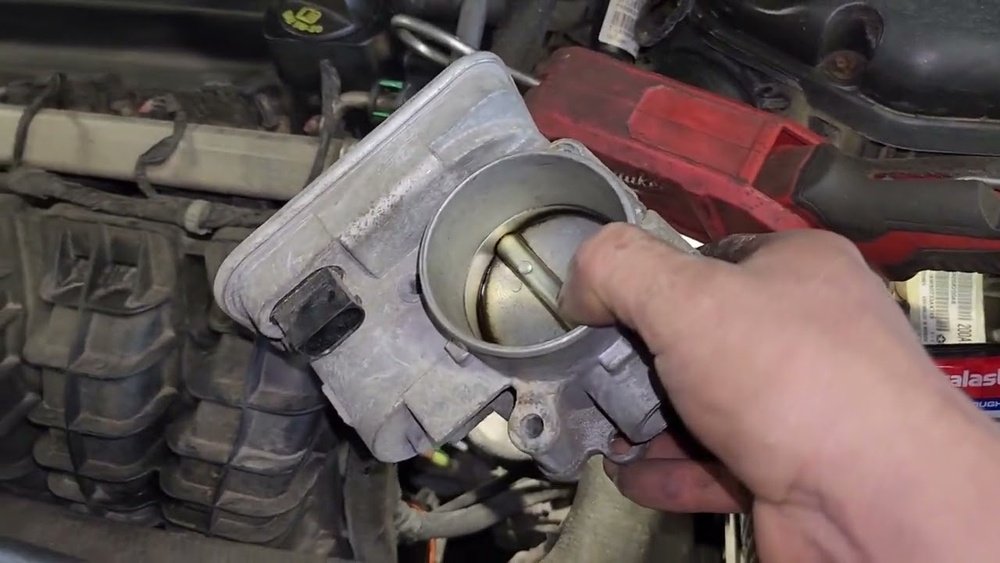
Problems with the electronic throttle body also trigger C121C. A dirty or failing throttle position sensor sends wrong signals.
The PCM then denies torque to protect the engine.
The brake light switch can cause the code if it fails or reads incorrectly. It sends a signal to the PCM about brake use.
If the signal is wrong, torque requests may be denied.
Low battery voltage or a weak alternator can disrupt the vehicle’s electrical system. This can confuse the PCM and trigger false torque-related codes like C121C.
Symptoms To Watch For
When the C121C code is active, certain symptoms appear on your Jeep. Watch for these signs to catch the problem early.
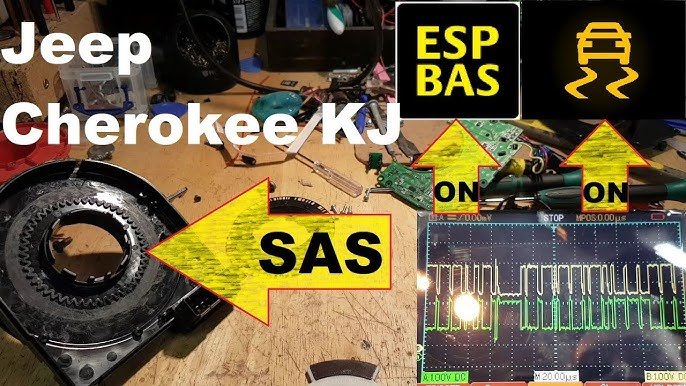
Traction control, ESC, or ABS warning lights often turn on. These dashboard lights indicate the vehicle’s safety systems face issues.
Your Jeep may enter limp mode. This mode reduces engine power to protect it from damage.
You will notice weaker acceleration and limited speed.
Cruise control might stop working. Since torque requests are denied, the system can’t maintain steady speed.
Gear shifts may feel jerky or rough. This happens because the transmission control depends on engine torque signals. Faulty signals cause poor shifting behavior.
Engine performance can drop suddenly. The vehicle may hesitate or stall during acceleration.
This is a direct effect of torque control problems.
Common Causes
The C121C Jeep code appears due to various common issues. These problems affect the vehicle’s performance and safety.
Understanding each cause helps in quick diagnosis and repair. This section covers the main areas to check when this code shows up.
Sensor Failures
Sensors play a key role in engine control. The camshaft and crankshaft position sensors are often the culprits.
If these sensors fail, the engine may misfire or lose timing sync. This stops the powertrain control module from adjusting torque properly.
Dirt, wear, or wiring problems can cause sensor failure.
Throttle Body Issues
The throttle body controls airflow into the engine. A dirty or failing electronic throttle body can deny torque requests.
Throttle position sensors inside the throttle body may also fail. This causes poor engine response and triggers the C121C code.
Cleaning or replacing the throttle body can fix these problems.
Brake Light Switch Problems
The brake light switch signals when the brake pedal is pressed. If this switch fails or sends wrong signals, torque requests may be blocked.
This safety feature prevents power delivery during braking. A faulty brake light switch can cause the vehicle to enter limp mode or reduce power.
Battery And Voltage Concerns
Low battery voltage can disrupt the vehicle’s electronics. A weak battery or failing alternator may cause communication errors between modules.
This leads to false codes, including C121C. Testing the battery and alternator voltage ensures the electrical system works correctly.
Replacing a weak battery often solves these issues.
Diagnosing The Problem
Diagnosing the C121C Jeep issue requires a clear and simple approach. Understanding the root cause helps fix the problem quickly.
This section covers key tests and inspections. Each step targets common trouble spots in the vehicle’s system.
Follow these checks carefully. They help avoid unnecessary repairs and save money.
Let’s begin with the battery and alternator tests.
Battery And Alternator Testing
Start by checking the battery condition. A weak battery can cause many electrical issues.
Use a multimeter to measure voltage. A healthy battery should read about 12.6 volts when off.
Next, test the alternator. It charges the battery while the engine runs.
The voltage should increase to about 13.5 to 14.5 volts. If voltage is low or unstable, the alternator may fail.
Visit an auto parts store for free battery and alternator tests. This step helps rule out power problems quickly.
Inspecting Camshaft And Crankshaft Sensors
These sensors tell the engine’s computer how the engine parts move. Faulty sensors cause misfires and performance drops.
Remove each sensor and check for dirt or damage.
Clean sensors gently with a soft cloth. Replace any sensor that looks worn or damaged.
Use a scan tool to read error codes. Codes related to camshaft or crankshaft sensors confirm sensor issues.
Checking Throttle Position Sensors
The throttle position sensor controls how much air enters the engine. A bad sensor causes poor acceleration and engine hesitation.
Use a multimeter to check sensor voltage while moving the throttle.
The voltage should rise smoothly from low to high. If the voltage jumps or drops suddenly, the sensor needs replacement.
Clean the throttle body to remove dirt that affects sensor reading.
Evaluating Brake Pedal Switch
The brake pedal switch tells the computer when you press the brake. A faulty switch can block torque requests and cause safety features to fail.
Press the brake and listen for a click sound.
Test the switch with a multimeter for proper electrical continuity. Replace the switch if it does not respond correctly.
Check the brake light operation as an extra step.
Repair And Reset Tips
Repair and reset tips are essential for maintaining your C121C Jeep’s performance. Proper care can prevent minor issues from becoming costly repairs.
This section covers key steps to keep your Jeep running smoothly and efficiently.
Sensor Cleaning And Replacement
Sensors play a vital role in your Jeep’s operation. Dirt and grime can cause faulty readings.
Clean sensors gently with a soft cloth and sensor-safe cleaner. Avoid harsh chemicals that may damage sensitive parts.
If cleaning does not improve performance, consider replacing the sensor. Use OEM parts for the best fit and reliability.
Faulty sensors often cause error codes and poor engine behavior.
Ecu And Pcm Reset Procedures
The Engine Control Unit (ECU) and Powertrain Control Module (PCM) manage your Jeep’s engine functions. Resetting these can clear error codes and fix minor glitches.
To reset, disconnect the vehicle battery for about 15 minutes.
After reconnecting, start the engine and drive normally. This allows the system to recalibrate.
Use an OBD-II scanner for a more precise reset. Follow the scanner’s instructions carefully to avoid damage.
When To Seek Professional Help
Some issues require expert diagnosis and repair. Persistent error codes or warning lights mean professional attention is needed.
Complex electrical faults or repeated resets are signs of deeper problems.
Certified Jeep mechanics have the tools to diagnose and fix advanced issues. They can prevent further damage and ensure your Jeep remains safe on the road. Don’t delay professional service if problems persist.
Performance Upgrades
The C121C Jeep offers a solid base for performance upgrades. Enhancing its systems improves driving reliability and control.
This section covers key upgrades to boost your Jeep’s performance and durability.
Focus on sensors, electrical parts, and the ECU to ensure smooth operation. These upgrades help the vehicle handle rough conditions better and maintain accuracy.
Improving Sensor Reliability
Sensors in the C121C Jeep monitor engine and wheel functions. Upgrading to higher-quality sensors reduces errors and false readings. Reliable sensors prevent misfires and engine stalls.
Use sensors designed for off-road and harsh environments. Properly sealed sensors resist dirt, water, and vibration.
This keeps your Jeep running smoothly in tough terrain.
Upgrading Electrical Components
Electrical parts control power delivery and signal flow. Replace old wiring and connectors with durable, corrosion-resistant materials. This upgrade stops shorts and voltage drops.
Installing a stronger battery and alternator supports additional electronic upgrades. Better electrical components improve starting power and system stability. Avoid sudden power loss during demanding drives.
Enhancing Ecu Capabilities
The ECU is the brain of your Jeep’s engine management. Upgrading the ECU allows for more precise fuel and ignition control.
This leads to better fuel economy and smoother acceleration.
Use ECU tuning software to customize settings for your driving style. Enhanced ECUs can handle added sensors and performance parts.
This upgrade ensures your Jeep runs at its best.

Maintaining Optimal Performance
Maintaining optimal performance in your C121C Jeep ensures it runs smoothly and reliably. Regular care helps avoid unexpected breakdowns and keeps fuel efficiency high.
Small steps in maintenance can extend your Jeep’s life and improve driving experience.
Focus on key areas like sensors, battery health, and software updates. These elements work together to keep your Jeep performing at its best.
Ignoring them may lead to costly repairs and poor vehicle response.
Regular Sensor Maintenance
Sensors monitor your Jeep’s vital systems. Dirt or damage can cause incorrect readings.
Clean sensors gently with a soft cloth to remove dust and grime. Check sensor connections to ensure they are tight and free of corrosion.
Replace faulty sensors quickly to avoid engine problems and poor fuel economy.
Battery Care Tips
Battery health directly affects your Jeep’s performance. Inspect battery terminals for corrosion and clean them if needed.
Secure battery connections to prevent power loss. Test battery voltage regularly, especially before long trips.
Replace old batteries to avoid starting issues and electrical faults.
Software Updates And Tuning
Software controls many Jeep functions. Keep your vehicle’s software up to date for better performance and security.
Visit authorized service centers for official updates. Proper tuning adjusts engine settings, improving power and efficiency.
Avoid unauthorized software changes that may harm your Jeep’s system.
Conclusion
The C121C Jeep code points to torque request issues affecting vehicle control. Common causes include sensor faults, throttle body problems, or electrical faults.
Testing the battery and inspecting sensors can help find the root cause. Addressing these issues quickly keeps your Jeep running smoothly and safely.
Understanding this code helps you maintain your Jeep better. Stay alert to warning signs and act promptly for best results.