Thinking about bigger tires for your Jeep Wrangler? Most owners debate between 33-inch and 35-inch tires. Both sizes look great, but they impact your ride, wallet, and off-road ability in unique ways. This guide compares 33 vs 35 tires across 33 key points, so you can confidently pick what’s best for your Jeep.
1. Appearance
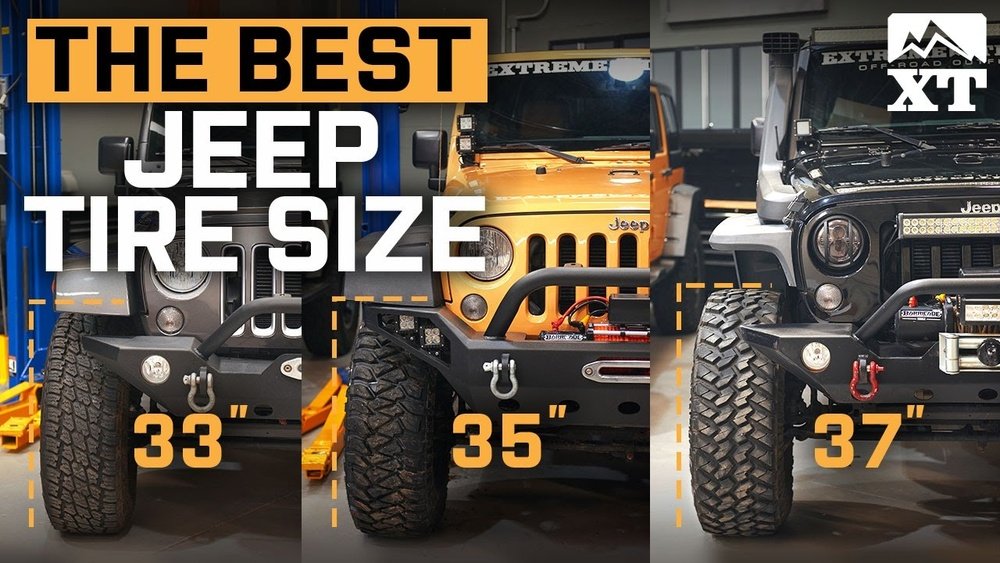
33-inch tires fill the wheel wells nicely and give a rugged stance without looking extreme. 35-inch tires offer an aggressive, show-stopping look, making your Jeep stand out.
2. Off-road Performance
Bigger tires mean better ground clearance. 35s roll over rocks and ruts easier, while 33s still boost off-road ability but with fewer changes needed.
3. Daily Driving
33-inch tires keep the ride comfortable and quiet. 35s can add road noise and a stiffer feel, especially if your Jeep isn’t heavily modified.
4. Fuel Economy
Going bigger usually means using more gas. Expect to lose 1–2 mpg with 33s and up to 3–4 mpg with 35s due to added weight and rolling resistance.
5. Acceleration
You’ll notice slower acceleration with 35s because they’re heavier and change your gear ratio. 33s have less impact, keeping your Jeep peppy.
6. Speedometer Accuracy
Both sizes throw off your speedometer, but 35-inch tires make it read slower by a bigger margin. Calibration is almost a must with 35s.
7. Gearing Needs
35s often require new gears to restore power and efficiency, especially with factory ratios. 33s are more forgiving—you may get by without re-gearing.
8. Suspension Lift
33s fit with a mild lift (2–2.5 inches). 35s need 2.5–3.5 inches, plus possible fender trimming.
9. Cost
35-inch tires cost more to buy, install, and maintain. You’ll also spend more on supporting mods. 33s are usually more budget-friendly.
10. Wheel Upgrades
35s often need wider wheels with less backspacing. 33s can fit stock wheels, saving you money.
11. Turning Radius
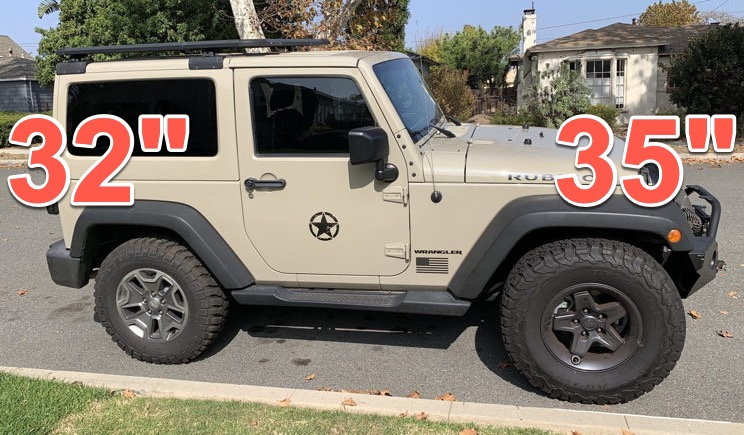
Larger tires reduce turning clearance. 35s may rub at full lock unless you adjust stops or trim fenders. 33s rarely have this problem.
12. Brake Performance
Heavier 35-inch tires demand stronger brakes for safe stops. 33s don’t push the limits of factory brakes as much.
13. Drivetrain Stress
35s put more strain on axles, driveshafts, and joints. 33s are less likely to cause premature wear or breakage.
14. Ride Quality
33-inch tires maintain a smooth, factory-like ride. 35s make bumps and vibrations more noticeable.
15. Legal Issues
In some places, 35s can stick out past fenders, risking tickets. Check local laws before upgrading.
16. Towing
33s keep towing power close to stock. 35s reduce torque, making towing harder unless you re-gear.

17. Weight
A typical 35-inch tire weighs 10–15 lbs more than a 33, affecting mileage, handling, and parts longevity.
18. Spare Tire
A 35-inch spare may not fit the factory carrier or tailgate. You might need a reinforced tire carrier.
19. Insurance
Modifying for 35s can raise premiums or require special coverage. 33s are less likely to trigger insurance changes.
20. Warranty
Heavy mods for 35s might void parts of your Jeep’s warranty. 33s are less risky in this area.
21. Speed And Power Loss
35s reduce top speed and highway power more noticeably. 33s have a smaller impact, keeping the Jeep easier to drive in all conditions.
22. Road Handling
33-inch tires handle better on pavement, with less sway and body roll. 35s can feel “floaty” if your suspension isn’t matched.
23. Road Noise
Larger, more aggressive 35s are louder. 33s are quieter, especially with all-terrain tread.
24. Tire Choice
There’s a wider selection of brands and tread patterns in the 33-inch range. 35-inch tires offer plenty of choices, but prices climb fast.
25. Airing Down
35s have a bigger air volume for airing down on trails, giving more grip and a softer ride off-road.
26. Mud And Snow
35s clear mud better and float more in deep snow. 33s perform well, but don’t match the flotation of 35s.
27. Urban Driving
For city use, 33s are easier to park and maneuver. 35s are bulkier and can make tight spaces challenging.
28. Rock Crawling
35-inch tires grip better on rocks and lift your Jeep higher over ledges. 33s are capable, but may hit obstacles sooner.
29. Tire Pressure Monitoring
Some systems struggle to read 35s accurately, sometimes triggering warnings. 33s have fewer sensor issues.
30. Resale Value
A well-modified Jeep with 33s appeals to a broader market. Extreme builds with 35s may only attract certain buyers.
31. Maintenance
35s wear out suspension and steering parts faster, leading to more frequent repairs. 33s are gentler on the Jeep.
32. Ride Height
35s plus a lift make getting in and out harder, especially for kids or shorter adults. 33s keep the step-up reasonable.
33. Community And Support
Both tire sizes have strong support among Jeep owners. However, advice and parts for 33-inch builds are slightly easier to find, especially for beginners.
Here’s a quick reference to some of the differences:
| Feature | 33-inch Tires | 35-inch Tires |
|---|---|---|
| Lift Needed | 2–2.5 inches | 2.5–3.5 inches |
| Average MPG Loss | 1–2 mpg | 3–4 mpg |
| Cost (per tire) | $200–$300 | $300–$450 |
Still unsure which size fits your needs? Think about how you use your Jeep most off-roading every weekend, or mostly city driving with the occasional trail.
Here’s a summary of the most important differences:
| Usage | Best Tire Size | Why? |
|---|---|---|
| Daily Driving/Commute | 33-inch | Better comfort, less wear |
| Extreme Off-Roading | 35-inch | More clearance, grip |
| Balanced Use | 33-inch | Fewer mods, good all-around |
If you want to dig deeper into Jeep tire sizes and their impact, check out this detailed guide from Quadratec.
Choosing between 33 vs 35 tires comes down to your goals, budget, and willingness to modify your Jeep. For most daily drivers and light trail users, 33s offer big improvement with fewer trade-offs. For serious off-roaders or those who love the lifted look, 35s unlock more capability—just be ready for the extra work and cost.
Frequently Asked Questions
Will 35-inch Tires Fit On My Stock Jeep Wrangler?
No, you’ll need a lift (at least 2. 5 inches) and possibly other modifications to prevent rubbing.
Do I Need To Re-gear For 33-inch Tires?
Not always. Most Wranglers handle 33s on stock gears, though re-gearing improves performance.
How Much Does Fuel Economy Drop With 35-inch Tires?
Expect to lose 3 4 mpg, depending on driving style and other modifications.
Are 35-inch Tires Worth It For Daily Driving?
For most, no. They look great but add cost, noise, and require more changes. 33s are easier for daily use.
What’s The Biggest Tire I Can Fit Without A Lift?
Most Jeep Wranglers can fit 33s with little to no lift, especially with the right wheels. Always check for clearance before buying.