If you own a 2017 Jeep Wrangler and have noticed the P0128 error code popping up, you’re likely wondering what it means and how it affects your ride. This code signals that your engine coolant temperature is below the thermostat’s regulating temperature, which can impact your Jeep’s performance and fuel efficiency.
Don’t ignore it understanding the cause and fixing it early can save you from bigger problems down the road.
You’ll learn why the P0128 code appears, the most common reasons behind it, and simple steps you can take to get your Jeep running smoothly again.
Keep reading to take control of your Wrangler’s health and hit the road with confidence.
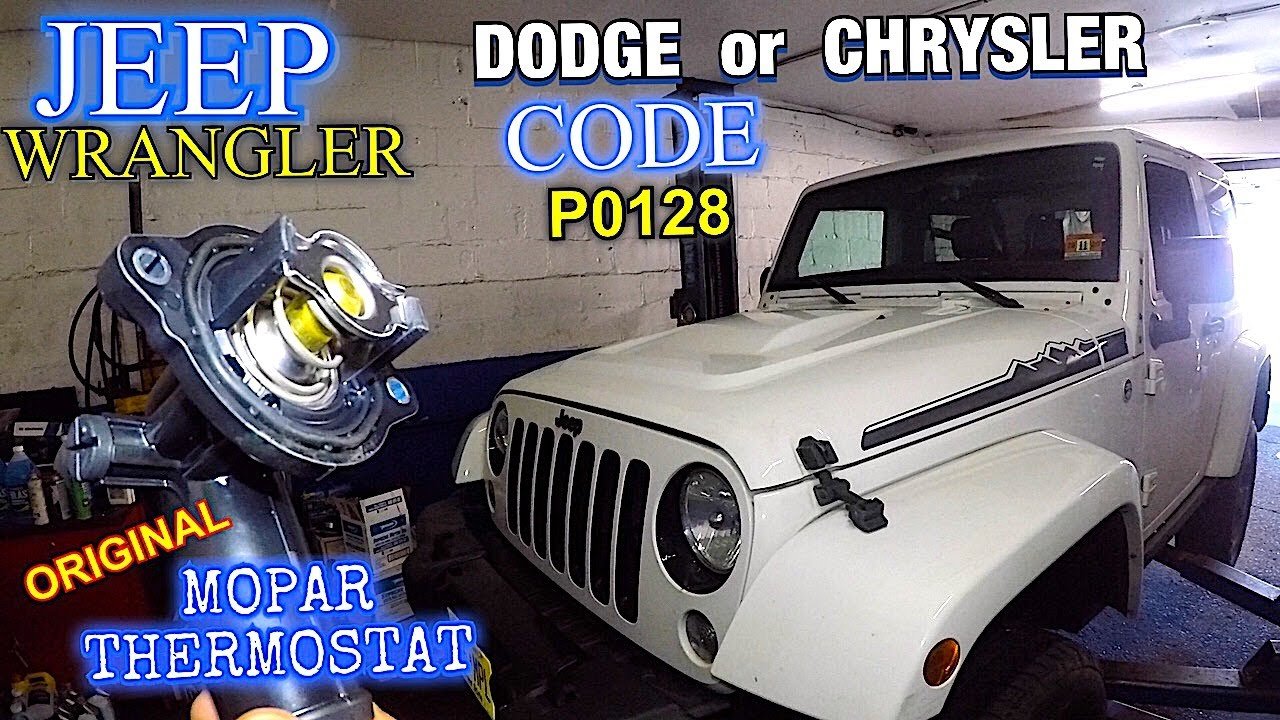
P0128 Code Explained
Testing coolant components is vital for diagnosing the P0128 code on a 2017 Jeep Wrangler. This code often points to issues with the engine’s temperature regulation. Checking key parts of the cooling system helps identify the root cause. Proper testing ensures the engine reaches the right temperature quickly. A systematic approach saves time and prevents damage.
Checking Coolant Level And Air Pockets
Start by inspecting the coolant level in the reservoir and radiator. Low coolant can trigger the P0128 code. Look for any leaks or signs of fluid loss. Next, check for air pockets trapped in the cooling system. Air can block coolant flow and cause inaccurate temperature readings. Bleed the system to remove air and restore proper circulation. This simple step often fixes cooling issues.
Using Obd-ii Scanner For Sensor Data
Use an OBD-II scanner to read live sensor data from the coolant temperature sensor. This sensor sends temperature information to the engine control unit (ECU). Compare sensor readings with actual engine temperature. If the sensor data is incorrect, the ECU may wrongly detect a cold engine. The scanner helps determine if the sensor needs replacement or if the problem lies elsewhere.
Testing Thermostat Function
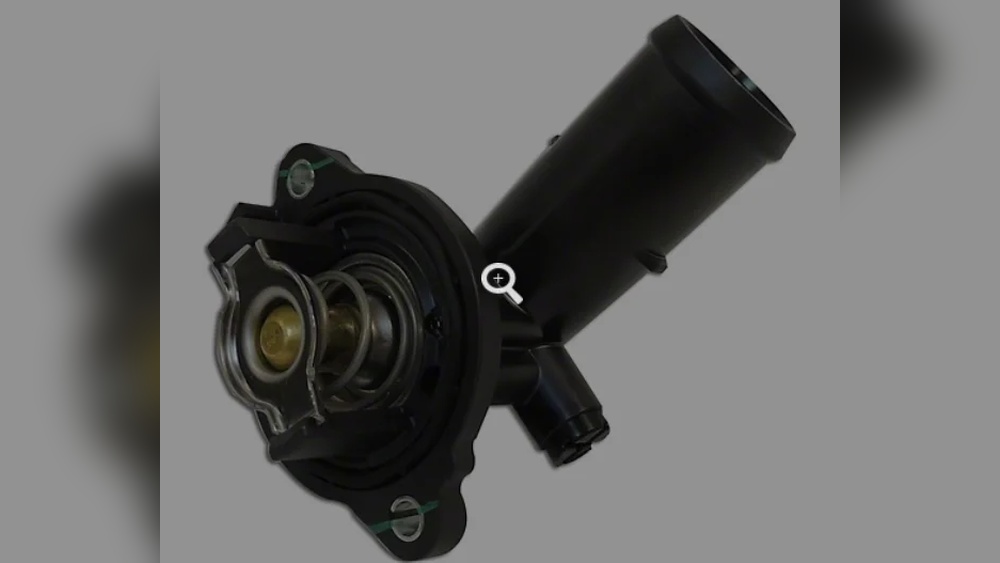
The thermostat controls coolant flow based on engine temperature. A stuck thermostat can prevent the engine from warming up properly. Remove the thermostat and test it by heating it in water. Watch for opening at the correct temperature, usually around 195°F. If it doesn’t open or opens late, replace it. A functional thermostat ensures the engine reaches optimal temperature quickly.

Common Coolant Issues
After fixing the P0128 code on your 2017 Jeep Wrangler, clearing the code and resetting the system is essential. This step allows the vehicle’s computer to recognize the repair and monitor the engine properly. Without clearing the code, the check engine light may stay on, causing confusion and unnecessary worry.
Resetting the system also helps prevent false alerts and ensures your Jeep runs smoothly. The process involves using scan tools, bleeding the coolant system, and verifying the repair’s success. Each step plays a key role in restoring your Jeep’s performance and reliability.
Using Scan Tools
Start by connecting an OBD-II scan tool to your Jeep’s diagnostic port. The tool reads stored trouble codes and lets you clear them. Follow the scan tool’s instructions to erase the P0128 code. This action resets the engine control unit (ECU) and turns off the check engine light. Using scan tools is quick and requires no special skills. It also helps track if the code returns after repairs.
Bleeding The Coolant System
Trapped air in the cooling system causes inaccurate temperature readings. Bleed the coolant system to remove this air. Open the bleed valves or remove the radiator cap while the engine is cool. Run the engine until the thermostat opens, allowing coolant to circulate. Keep adding coolant as needed to maintain the proper level. Bleeding prevents overheating and supports accurate sensor readings.
Verifying Repair Success
After clearing codes and bleeding the system, verify the repair worked. Drive your Jeep under normal conditions. Watch for the check engine light to stay off. Use the scan tool to check live data for proper coolant temperature. The engine should reach and hold normal operating temperature without triggering the P0128 code. Verification confirms your Jeep is back to optimal health.
Testing Coolant Components
Maintaining your 2017 Jeep Wrangler helps avoid common issues like the P0128 code. Regular care keeps your engine running smoothly and prevents costly repairs. Focus on simple checks and cleanings that ensure your vehicle stays healthy.
Regular Coolant Checks
Check the coolant level often. Low coolant can cause your engine to run cold. Inspect for leaks around hoses and the radiator. Use the recommended coolant type for your Jeep. Replace old coolant according to the schedule in your manual. Proper coolant levels keep the engine temperature stable.
Sensor Inspection And Cleaning
The coolant temperature sensor sends data to your Jeep’s computer. Dirt or damage can cause wrong readings, triggering the P0128 code. Clean the sensor gently with a soft cloth. Inspect the wiring for breaks or corrosion. Replace the sensor if it shows signs of failure. A clean sensor ensures accurate temperature reporting.
Thermostat Care
The thermostat controls engine temperature by regulating coolant flow. A stuck thermostat causes the engine to run too cold or hot. Test the thermostat regularly for proper function. Replace it if it does not open or close at the right temperature. Maintaining the thermostat helps your Jeep reach and keep the right temperature quickly.
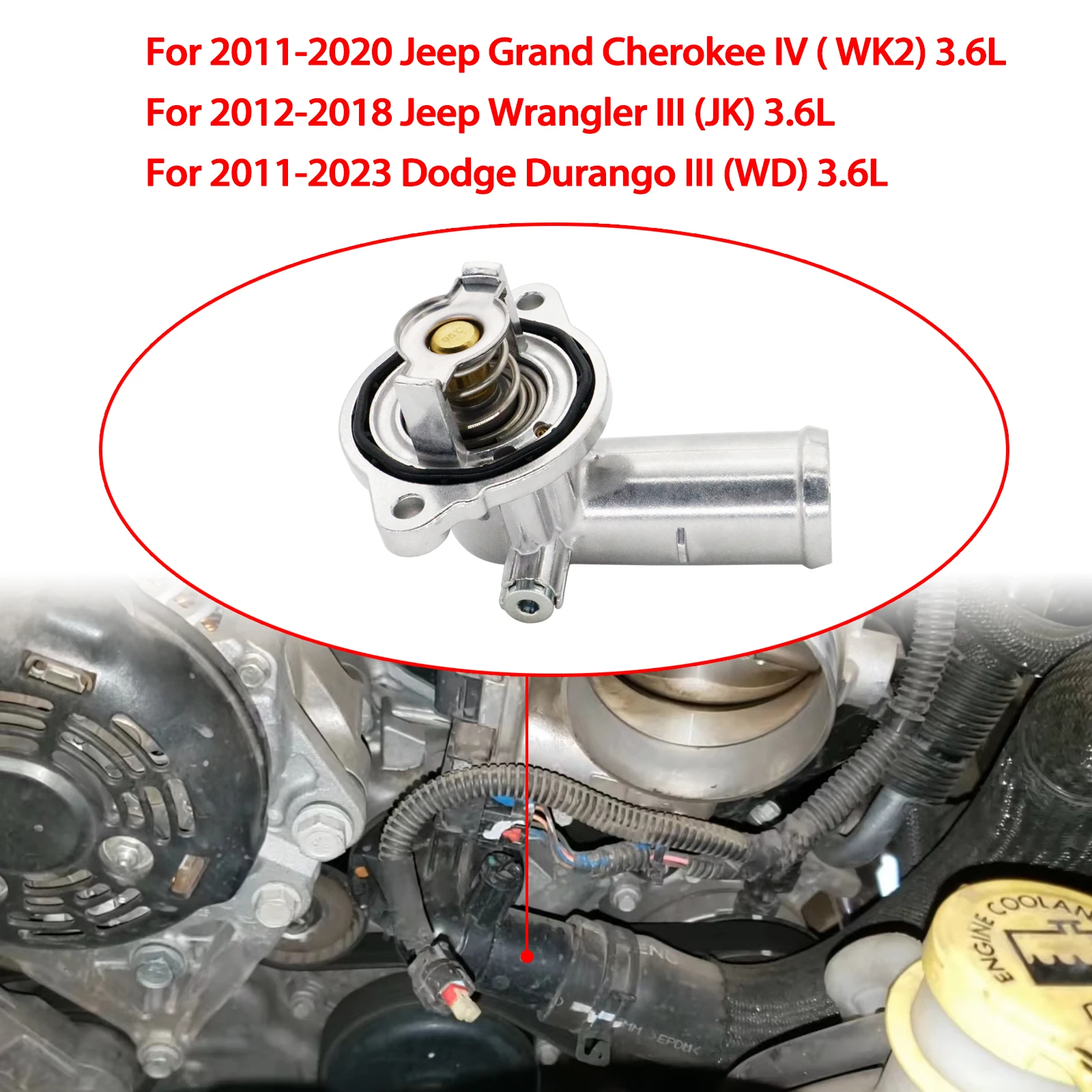
Diy Thermostat Replacement
Knowing when to get professional help for your 2017 Jeep Wrangler P0128 code is key. This code signals an issue with the engine’s coolant temperature. Some problems you can fix yourself, but others need expert care. Acting at the right time keeps your Jeep running smoothly and avoids bigger damage.
Persistent P0128 Code
If the P0128 code keeps coming back after basic fixes, seek a mechanic. Persistent codes often mean deeper issues. Simple steps like topping off coolant or replacing the thermostat might not be enough. A professional can use advanced tools to find hidden faults. Ignoring a recurring code risks engine damage.
Complex Cooling System Problems
The Jeep’s cooling system has many parts working together. Problems like leaks, air pockets, or a failing water pump are hard to spot. These issues can cause the P0128 code and lead to overheating. Skilled technicians know how to test and repair these complex faults. Avoid guessing and trust a pro for safety and reliability.
<!– wp:rank-math/faq-block {"questions":[{"id":"faq-question-52d6b70a7676","title":"How To Fix P0128 Code Jeep Wrangler?","content":"Check coolant level and refill if low. Inspect and replace a faulty thermostat.
nnnnClear the error code with an OBD-II scanner. Test the coolant temperature sensor and replace if malfunctioning.
nnnnEnsure the cooling system is properly bled to remove air pockets.
“,”visible”:true},{“id”:”faq-question-0d778114a89e”,”title”:”How Do You Fix The Code P0128?”,”content”:”Check and top off the coolant level. Test the coolant temperature sensor for accuracy.
nnnnReplace a faulty thermostat if needed. Clear the error code with an OBD-II scanner.
nnnnEnsure the cooling system is properly bled to remove air pockets.
“,”visible”:true},{“id”:”faq-question-a52646c43851″,”title”:”Does P0128 Mean I Need A New Thermostat?”,”content”:”P0128 means the engine is running cooler than expected. Check coolant level and sensor first. Replace the thermostat if issues persist.
“,”visible”:true},{“id”:”faq-question-d5451e1fdcd1″,”title”:”Can I Drive My Jeep With A Po128 Code?”,”content”:”You can drive your Jeep with a P0128 code, but it may run inefficiently and risk engine damage. Fix soon.
“,”visible”:true}]} –>How To Fix P0128 Code Jeep Wrangler?
Check coolant level and refill if low. Inspect and replace a faulty thermostat.
Clear the error code with an OBD-II scanner. Test the coolant temperature sensor and replace if malfunctioning.
Ensure the cooling system is properly bled to remove air pockets.
How Do You Fix The Code P0128?
Check and top off the coolant level. Test the coolant temperature sensor for accuracy.
Replace a faulty thermostat if needed. Clear the error code with an OBD-II scanner.
Ensure the cooling system is properly bled to remove air pockets.
Does P0128 Mean I Need A New Thermostat?
P0128 means the engine is running cooler than expected. Check coolant level and sensor first. Replace the thermostat if issues persist.
Can I Drive My Jeep With A Po128 Code?
You can drive your Jeep with a P0128 code, but it may run inefficiently and risk engine damage. Fix soon.
Conclusion
The P0128 code in your 2017 Jeep Wrangler signals a coolant temperature issue. It often points to a stuck thermostat or low coolant level.
Checking the coolant and sensor can help find the problem fast. Replacing a faulty thermostat usually fixes the issue.
Keeping the cooling system in good shape protects your engine. Regular maintenance avoids costly repairs down the road.
Stay alert to warning signs and act quickly. Your Jeep will run smoothly and safely with proper care.