The wheels you choose for your Jeep Wrangler do more than just change its look. They impact the way your Jeep handles, how it feels on and off the road, and even its fuel efficiency.
If you’re considering a switch between 17 inch and 18 inch wheels, it’s important to know how each size affects your Wrangler’s performance. Let’s explore the 17 most important differences and factors to help you make the right decision for your driving style.
1. Ride Comfort
17 inch wheels usually offer a smoother ride. That’s because they allow for taller tire sidewalls, which absorb more bumps and uneven surfaces. 18 inch wheels have shorter sidewalls, so the ride feels firmer and you’ll notice more road imperfections.
2. Off-road Performance
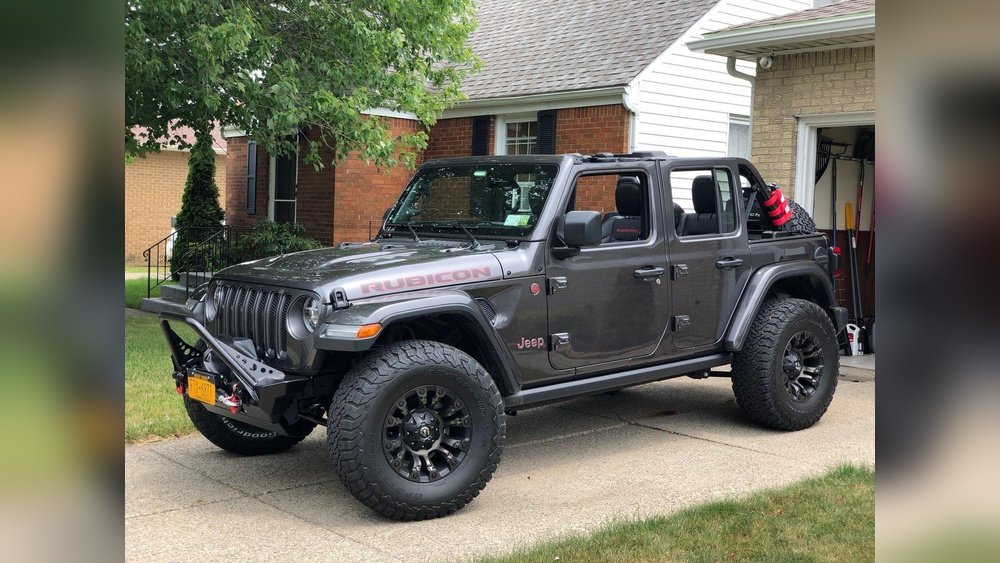
Many Wrangler owners love to take their vehicles off-road. 17 inch wheels with larger, softer tires provide better traction and help prevent damage to the wheels when driving over rocks or rough terrain. The increased sidewall flex also means better grip on mud and sand.
3. On-road Handling
18 inch wheels often deliver sharper, more responsive handling on paved roads. The lower profile tires decrease sidewall flex, giving a more direct steering feel. However, the difference isn’t dramatic unless you drive aggressively or at higher speeds.
4. Tire Availability
You’ll find a wider selection of 17 inch off-road tires, especially those designed for all-terrain and mud-terrain use. While 18 inch tire options are growing, they are still more limited and sometimes more expensive for off-road styles.
5. Appearance
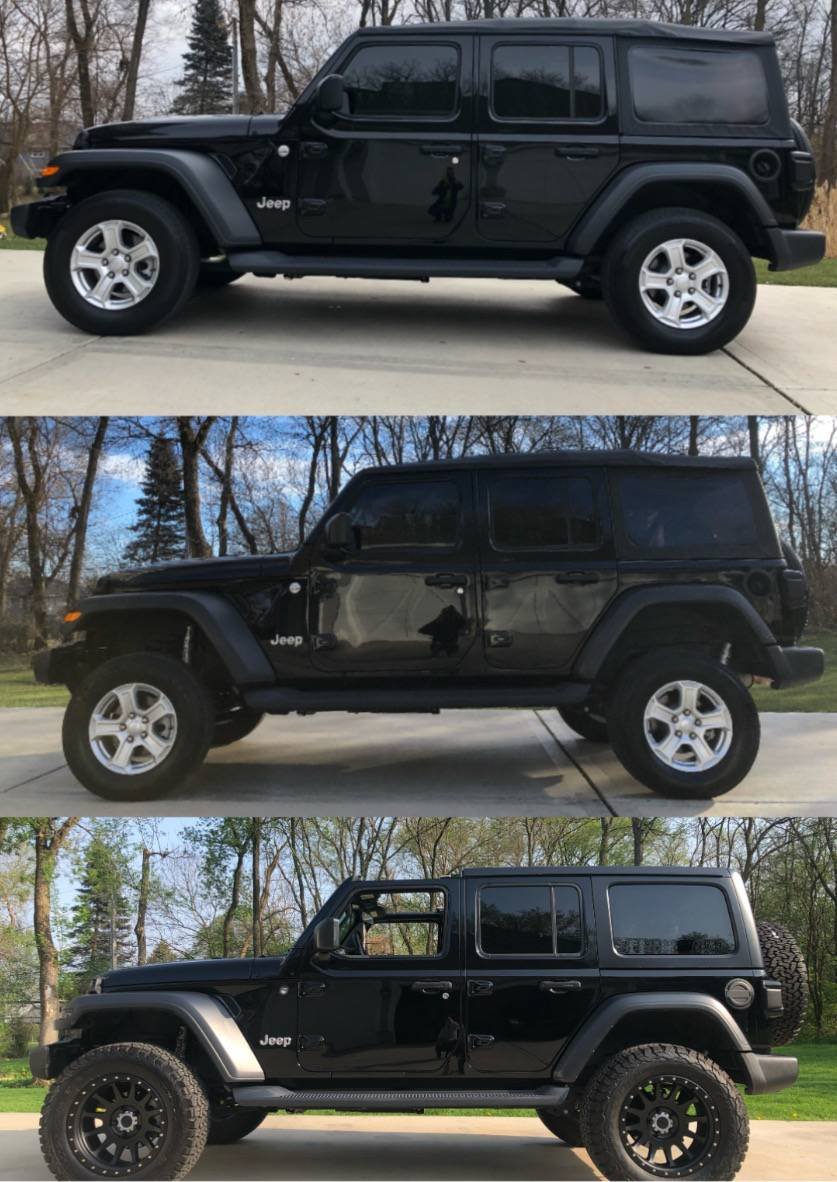
If you want your Jeep to look more modern or aggressive, 18 inch wheels can fill the wheel wells better and give a sleeker appearance. 17 inch wheels often look more traditional, especially with chunkier tires, which some Jeep fans prefer.
6. Wheel Weight
17 inch wheels are often lighter than 18 inch alternatives, especially when comparing steel wheels. Less weight means better fuel economy and less strain on the suspension. Heavier 18 inch wheels can slightly reduce acceleration and add to unsprung weight.
7. Sidewall Protection
Taller tire sidewalls on 17 inch wheels protect the rim from rocks, potholes, and curbs. 18 inch wheels with low-profile tires expose the rim more, increasing the risk of damage during tough off-road trips.
8. Cost
17 inch wheels and tires tend to cost less than 18 inch combos, both when buying new and when replacing worn tires. The savings add up over time, especially for drivers who rack up lots of miles or tackle rough terrain.
9. Fuel Efficiency
Because of their lower weight and better rolling resistance, 17 inch wheels can help improve fuel economy by a small margin. With 18 inch wheels, the effect is usually minor, but every bit counts if you drive long distances.
10. Brake Clearance
Some aftermarket big brake kits need larger wheels for proper fitment. 18 inch wheels offer more space for bigger rotors and calipers. If you plan to upgrade your brakes for towing or high-speed use, check compatibility first.

11. Speedometer Accuracy
Changing wheel size affects your Jeep’s speedometer reading. If you switch to 18 inch wheels but keep the same overall tire diameter, your speedometer stays accurate. However, using low-profile tires on 18s without adjusting the diameter can make your speedometer read incorrectly.
12. Towing Stability
18 inch wheels with low-profile tires can offer slightly better stability when towing trailers at highway speeds. The stiffer sidewalls reduce sway, but the difference is small unless you tow heavy loads often.
13. Road Noise
Taller sidewalls on 17 inch tires tend to absorb sound better, making for a quieter ride, especially over rough roads. 18 inch wheels with thinner tires might transmit more vibration and noise into the cabin.
14. Snow And Ice Performance
The increased sidewall height and ability to run narrower tires on 17 inch wheels can help with traction in snow and ice. Lower-profile 18 inch tires usually have a wider footprint, which is not always best for winter driving.
15. Load Carrying Capacity
Some 18 inch tires are rated for higher loads, especially those designed for trucks and SUVs. However, most Wrangler owners will not notice this unless they frequently carry heavy cargo or tow.
16. Customization Options
Aftermarket manufacturers make more 17 inch wheels for Jeep Wranglers, so you’ll have more designs, colors, and finishes to choose from. 18 inch wheels are becoming more popular, but the selection is still smaller.
17. Resale Value
If you plan to sell your Wrangler later, 17 inch wheels are closer to the factory standard and appeal to more buyers. 18 inch wheels may attract those who want a sportier look, but can limit your market.
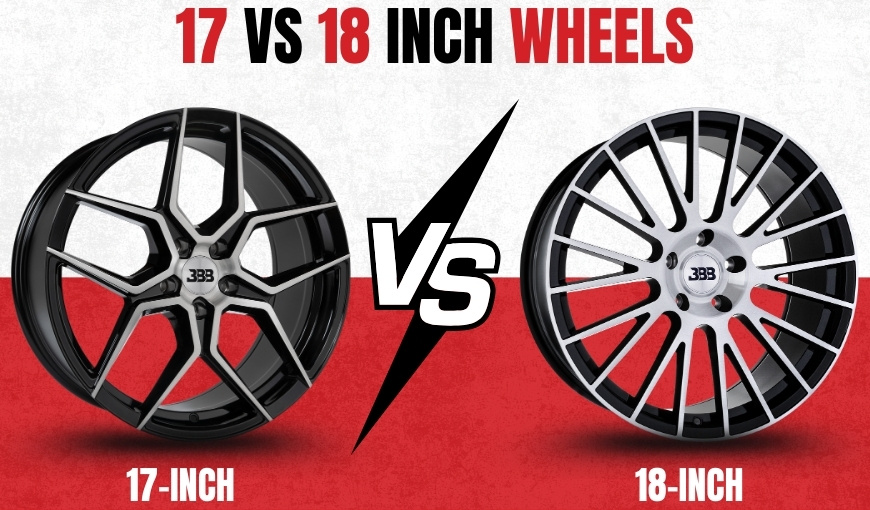
Here’s a quick comparison of key specs:
| Feature | 17 Inch Wheels | 18 Inch Wheels |
|---|---|---|
| Ride Comfort | Smoother | Firmer |
| Off-Road Grip | Better | Good |
| Looks | Classic | Modern/Aggressive |
| Cost | Lower | Higher |
Real-world Examples
Many stock Jeep Wranglers, especially Rubicon models, come with 17 inch wheels because of their proven performance off-road. Owners who lift their Jeeps or install bigger tires usually stick with 17s for flexibility. On the other hand, some Sahara or special edition models come with 18 inch wheels for a more upscale look and slightly sharper road feel.
Two Key Insights Most Miss
First, many beginners forget that changing from 17 to 18 inch wheels can force you to buy completely new tires, not just wheels. Tire fitment and overall diameter matter for both performance and legal speedometer accuracy. Second, the weight of the wheel and tire combo affects your Jeep’s suspension and fuel use more than you might expect. Always check the total weight—not just the size—before upgrading.
Data On Popular Choices
According to a 2023 survey by the Jeep Wrangler Forum, about 72% of owners prefer 17 inch wheels for off-roading and everyday use, while 18 inch wheels are chosen mainly for street-driven Wranglers that rarely see trails.
Another important point: The tire’s aspect ratio (sidewall height) and tread type matter as much as the wheel size itself. You can have a 17 inch wheel with a very aggressive tire, or an 18 inch with a highway tire—each will perform differently.
Here’s a table showing typical tire sizes for each wheel:
| Wheel Size | Common Tire Size | Overall Diameter (in) |
|---|---|---|
| 17 Inch | 245/75R17 | 31.5 |
| 18 Inch | 255/70R18 | 32.1 |
Final Thoughts
Choosing between 17 inch and 18 inch wheels for your Jeep Wrangler isn’t just about looks. Think about how and where you drive, your budget, and your long-term plans. For most off-roaders and daily drivers, 17 inch wheels offer the best mix of comfort, performance, and value. If you want a sharper look and spend most of your time on pavement, 18 inch wheels can be a good choice—just be aware of the trade-offs.
For more technical details, you can visit the official Jeep Wrangler specifications.
Frequently Asked Questions
What Is The Main Advantage Of 17 Inch Wheels For A Jeep Wrangler?
17 inch wheels provide a smoother ride and better off-road traction because of their taller tire sidewalls.
Are 18 Inch Wheels Bad For Off-roading?
They’re not bad, but 18 inch wheels are more likely to get damaged off-road and offer less sidewall flex compared to 17s.
Will Switching To 18 Inch Wheels Affect My Speedometer?
It can, if the overall tire diameter changes. Always match the new tire’s diameter to your original setup for accurate readings.
Which Wheel Size Is Cheaper To Maintain?
17 inch wheels and tires are usually less expensive to buy and replace than 18 inch options.
Can I Fit Bigger Brakes With 17 Inch Wheels?
Most big brake kits fit 18 inch wheels better. Some may fit 17s, but always check your brake kit’s requirements before buying.