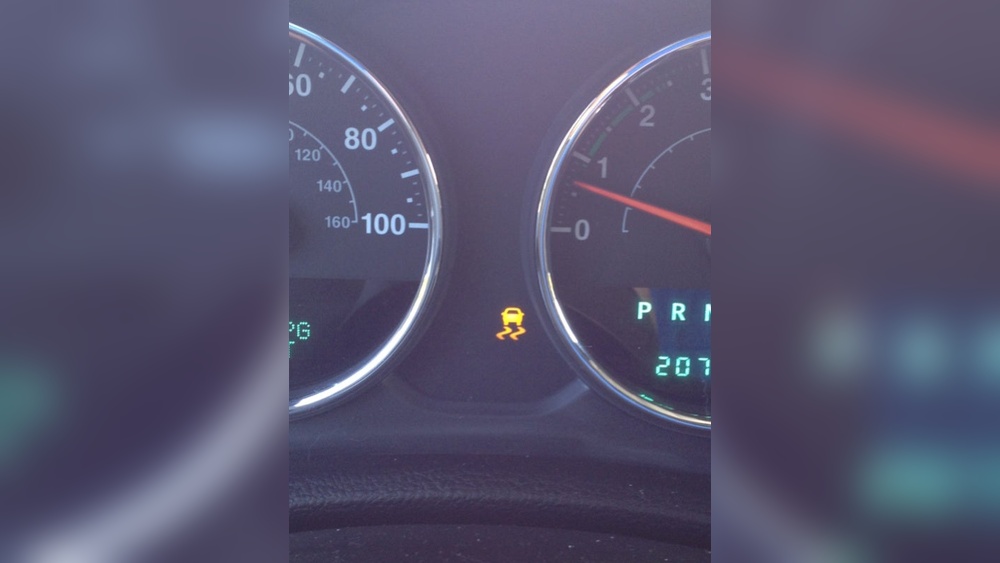
If you’ve noticed the traction control light glowing on your Jeep’s dashboard, you’re probably wondering what it means and if it’s something to worry about. That little warning can feel confusing, especially if you rely on your Jeep for daily drives or weekend adventures.
The good news is, this light isn’t always a sign of a serious problem, but it does mean your vehicle’s traction system has detected something unusual.
Maybe it’s a simple fix like low tire pressure or a misaligned steering wheel, or maybe it points to an issue that needs more attention.
You’ll discover the most common reasons why your traction control light is on, what you can do to troubleshoot it yourself, and when it’s time to get professional help.
Keep reading you’ll want to know exactly what’s going on before hitting the road again.
Traction Control Light Basics
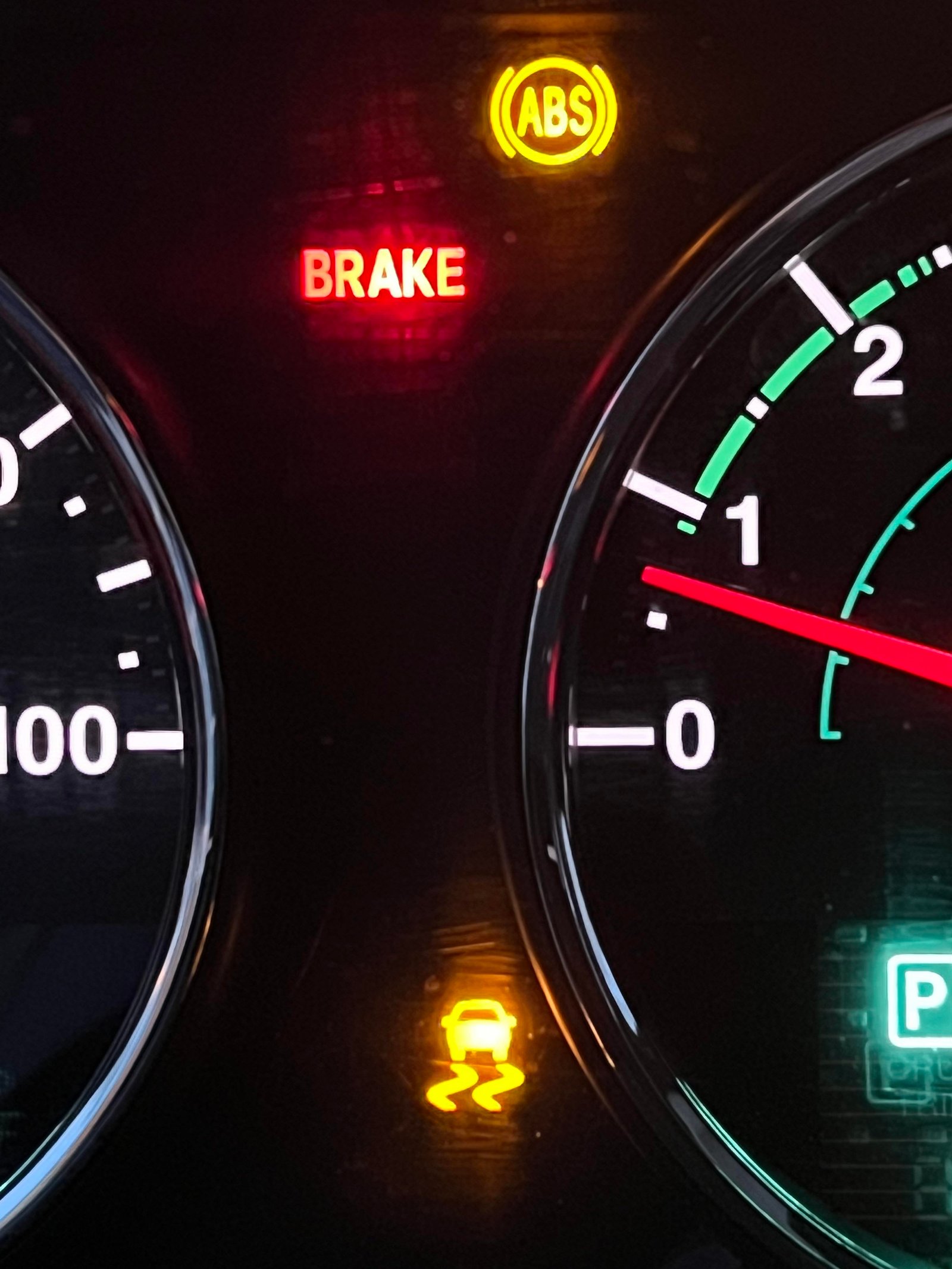
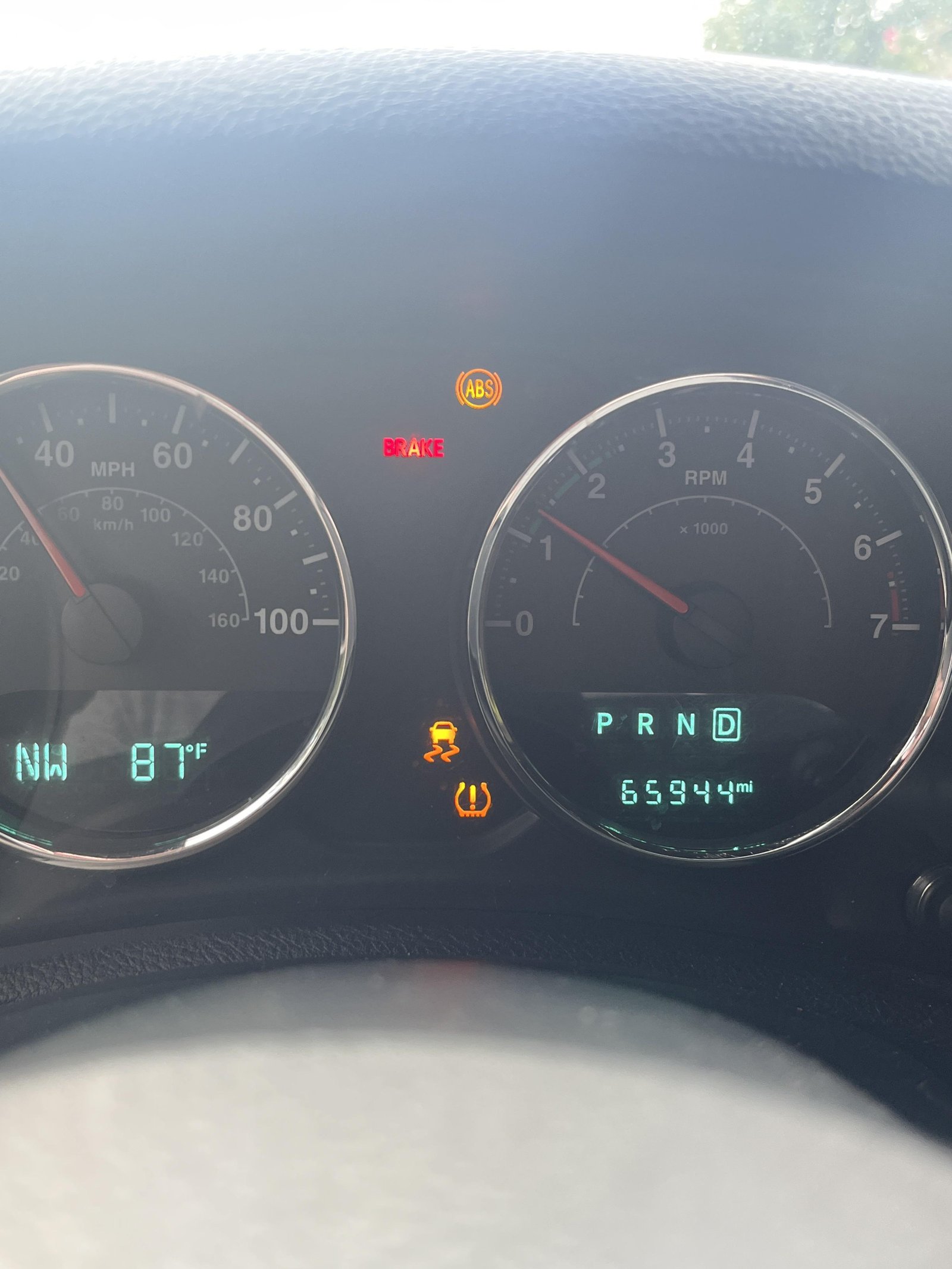
The traction control light on your Jeep signals a problem with the system that helps keep your wheels from slipping. Common causes include faulty sensors, low tire pressure, or wiring issues.
Sometimes, the light comes on if the system is turned off or after off-road driving.
The traction control light on your Jeep is a key alert system. It tells you about your vehicle’s traction control system status.
This system helps keep your Jeep stable on slippery roads.
The light usually comes on when the system is active. It flashes during wheel slip to show traction control is working. Sometimes, it stays on, signaling a problem.
What The Traction Control Light Means
The light means the system detected wheel slip or an issue. It may turn on if sensors detect the wheels spinning unevenly.
This helps prevent loss of control on wet or icy roads.
If the light stays on, it could mean the system is disabled. This happens due to a fault or manual deactivation.
Your Jeep may need a checkup to fix the issue.
Common Causes Of Traction Control Light Activation
Common causes include faulty wheel-speed sensors or damaged wiring. Low tire pressure can also trigger the light.
Sometimes, recent modifications like lifting the Jeep affect sensor readings.
Each cause affects the system’s ability to monitor traction. Fixing these can turn off the warning light and restore safety features.

Common Causes Of The Light
The traction control light on your Jeep signals a problem with the traction control system. This system helps prevent wheel slip during acceleration.
The light turns on if the system detects an issue or has been turned off.
Several common reasons cause the traction control light to come on. Some are easy to fix, while others may need professional help.
Understanding these causes helps you decide the next step.
Faulty Wheel Speed Sensors
Wheel speed sensors track the rotation speed of each wheel. If a sensor fails, the system cannot read wheel speeds correctly.
This triggers the traction control light. Dirt, debris, or damage often cause sensor failure.
Low Tire Pressure
Uneven or low tire pressure affects wheel rotation and traction. The system detects this difference and turns on the light.
Check all tires regularly and keep them at the recommended pressure. This simple step can prevent the light from coming on.
Damaged Wiring And Sensors
Wiring connects sensors to the vehicle’s computer. Damage from road debris or corrosion can break these connections.
A broken wire or sensor sends wrong signals, activating the traction control light. Inspect wiring near each wheel and clean sensors to maintain good connections.
Steering Wheel Misalignment
A steering wheel that is not centered while driving straight confuses the system. The computer thinks the vehicle is turning, which causes the traction control light to flash.
This often happens after lifting the Jeep or heavy off-roading. Centering the steering wheel usually fixes this issue.
Manual System Deactivation
The traction control system can be turned off by pressing a button or through settings. When manually deactivated, the light stays on as a reminder.
Check your dashboard or user manual to ensure the system is active. Turning it back on will turn off the light.
Effects Of Off-roading And Modifications
Off-roading and vehicle modifications often change how your Jeep performs. These changes can confuse the traction control system.
The system relies on sensors and data based on factory settings. When you add new parts or drive in rough conditions, these sensors may send unexpected signals.
This can cause the traction control light to turn on. Understanding these effects helps you diagnose the issue quickly.
Oversized Tires Impact
Many Jeep owners install bigger tires for better off-road grip. Larger tires spin differently than stock ones.
This difference affects wheel speed sensors and the computer’s calculations. The traction control system might think one tire is slipping.
That triggers the warning light. Adjusting the computer to recognize the new tire size often solves this problem.
Lift Kits And Suspension Changes
Lifting your Jeep changes the suspension height and wheel alignment. Sensors might detect unusual angles or speeds.
These changes can confuse the traction control system. The system might see this as wheel slip or fault.
This activates the traction control light. Proper calibration after lifting can stop false warnings.
It helps the system work with the new suspension setup.
Sensor Contamination From Grease Or Dirt
Off-roading exposes sensors to mud, grease, and dirt. Wheel speed sensors near the hubs are vulnerable.
Dirt buildup can block signals or create false readings. Grease on sensors, especially from leaking axle seals, causes errors.
The traction control system responds by turning on the warning light. Cleaning the sensors carefully restores proper function. Regular sensor checks prevent repeated problems.
Diagnosing The Problem
The traction control light on your Jeep signals a problem with the system. Diagnosing the cause helps you fix it quickly.
The issue often involves sensors, wiring, or error codes. Follow these steps to find the root cause.
Checking Wheel Speed Sensors
Wheel speed sensors measure each wheel’s rotation speed. A faulty sensor sends wrong data to the computer.
This mistake triggers the traction control light. Inspect each sensor for dirt, damage, or loose connections.
Clean the sensors gently with brake cleaner. Replace any sensor that looks broken or worn.
Inspecting Wiring Near Wheel Hubs
Wiring near the wheel hubs carries signals from sensors to the control module. Wires can get damaged by road debris or corrosion.
Check for cuts, frays, or loose connections. Clean off any dirt or grease on the wires.
Fix or replace damaged wiring to restore proper signals.
Using Obd-ii Tools For Error Codes
OBD-II scanners read your Jeep’s diagnostic codes. These codes point to specific problems causing the light.
Connect the scanner to your Jeep’s port under the dashboard. Look for codes related to traction control or ABS.
Use the codes to guide repairs or reset the system after fixing the issue.
Simple Fixes To Try At Home
The traction control light on your Jeep can turn on for several reasons. Some issues are simple and can be fixed at home.
Trying these easy steps may save you a trip to the mechanic. Start with these quick fixes before seeking professional help.
Resetting The Traction Control Light
Sometimes, the traction control light stays on due to a minor glitch. Turn your Jeep off and then back on.
This action may reset the system and turn off the light. If the light stays on, try disconnecting the battery for a few minutes.
Reconnect it and check the light again. This simple reset can clear errors in the system.
Centering The Steering Wheel
Your Jeep’s computer checks the steering wheel position. If the wheel is slightly off-center while driving straight, the light may turn on.
This often happens after lifting the Jeep or off-road driving. To fix this, straighten the steering wheel while driving.
Make sure the wheel is perfectly centered. This can stop the traction control light from coming on.
Cleaning Sensors And Connectors
The traction control system uses sensors on each wheel. Dirt, grease, or corrosion can block these sensors.
Inspect the sensors near the wheel hubs. Use brake cleaner to gently clean dirt and grime off the sensors.
Check wiring for any damage or loose connections. Fix any damaged wires or replace faulty sensors.
Clean and secure sensors often solve traction control issues.
When To See A Mechanic
Preventive maintenance plays a key role in keeping your Jeep’s traction control system working properly. Regular care reduces the chance of the traction control light turning on unexpectedly.
Simple actions can help avoid common issues that trigger this warning light. Follow these tips to maintain your Jeep and enjoy safer drives.
Regular Tire Pressure Checks
Low tire pressure can cause the traction control light to activate. Check your tire pressure at least once a month.
Use a reliable tire gauge to ensure all tires match the recommended pressure. Properly inflated tires help your Jeep maintain traction and stability on the road.
Routine Sensor Cleaning
Traction control depends on sensors that detect wheel speed. Dirt, mud, and brake dust can build up on these sensors.
Clean the wheel speed sensors carefully during routine maintenance. Use brake cleaner and a soft brush to remove grime without damaging the parts.
Clean sensors improve system accuracy and prevent false warnings.
Avoiding Harsh Off-road Conditions
Jeep owners often enjoy off-road adventures, but harsh terrain can harm sensors and wiring. Avoid deep mud, heavy water crossings, and rocky trails that can damage critical parts.
Drive cautiously on rough surfaces to protect your traction control system. Gentle off-roading helps keep your Jeep’s electronics safe and functional.
Frequently Asked Questions
What Causes A Jeep Traction Control Light To Come On?
A Jeep traction control light comes on due to faulty wheel-speed sensors, low tire pressure, damaged wiring, or electronic control unit issues. It may also activate if the system detects wheel slip or if manually turned off.
How To Reset Jeep Traction Control Light?
To reset the Jeep traction control light, turn the ignition to “On” without starting. Press the gas pedal fully three times quickly. This resets temporary faults. If the light stays on, check wheel sensors, wiring, or tire size settings. Use an OBD-II scanner for advanced resets.
How Much Does It Cost To Fix Traction Control?
Fixing traction control typically costs between $100 and $500, depending on the issue and labor fees. Common repairs include sensor replacement or wiring fixes.
Complex problems may increase costs. Always get a diagnostic check to identify the exact cause before repair.
What Should I Do If My Traction Control Light Comes On?
Check tire pressure and steering wheel alignment first. Clean wheel speed sensors and inspect wiring for damage.
Reset the system by turning the key on and pressing the gas pedal thrice. If the light stays on, have a mechanic diagnose potential sensor or control module issues.
Conclusion
Your Jeep’s traction control light signals a possible issue with wheel sensors or wiring. Simple fixes like checking tire pressure or centering the steering wheel can solve the problem.
Sometimes, a quick system reset works too. Ignoring the light may lead to safety risks or costly repairs.
Keep your Jeep safe by addressing the light promptly. Regular checks help maintain traction control and driving stability.
Stay aware, and your Jeep will handle the road better.