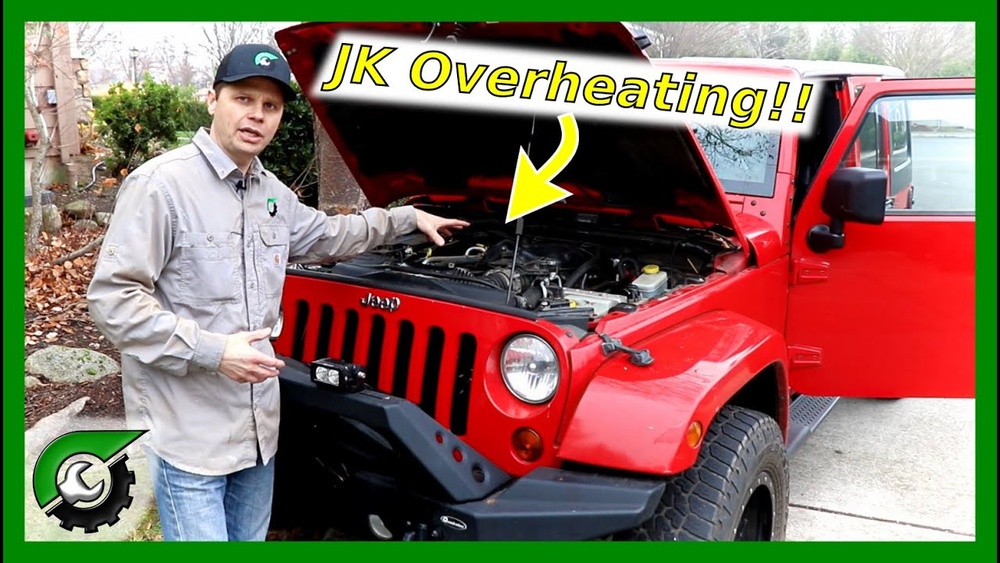
Owning a Jeep Wrangler is all about adventure, but nothing can ruin a trip faster than seeing your temperature gauge climb into the red. Overheating is a common issue for many Wrangler owners, especially after long drives, off-roading, or in hot weather.
If your Jeep is running hot, it’s important to fix the problem fast to avoid expensive engine damage. Let’s explore the real reasons your Jeep Wrangler overheats, how to spot early warning signs, and what you can do to keep your ride cool.
Main Causes Of Jeep Wrangler Overheating
Understanding why your Wrangler overheats will help you fix it faster and prevent future problems. Here are the most common causes:
- Low coolant levels: Coolant keeps your engine from getting too hot. If it’s low, your engine can quickly overheat.
- Faulty thermostat: The thermostat controls coolant flow. If it’s stuck closed, hot coolant stays trapped in the engine.
- Radiator problems: Clogged, leaking, or damaged radiators can’t cool the engine properly.
- Bad water pump: The water pump moves coolant through the engine. A failing pump means poor circulation.
- Broken cooling fans: Electric or mechanical fans pull air through the radiator. If they stop working, heat builds up.
- Blocked hoses: Dirt, rust, or debris in hoses restrict coolant flow.
- Air pockets: Air trapped in the cooling system reduces efficiency and causes hot spots.
- Head gasket failure: A blown gasket can let coolant leak into the engine or oil, leading to overheating.
- External factors: Off-roading mud, bugs, or leaves can block the radiator and reduce airflow.
Signs Your Jeep Wrangler Is Overheating
Spotting early symptoms can save you from costly repairs. Look for:
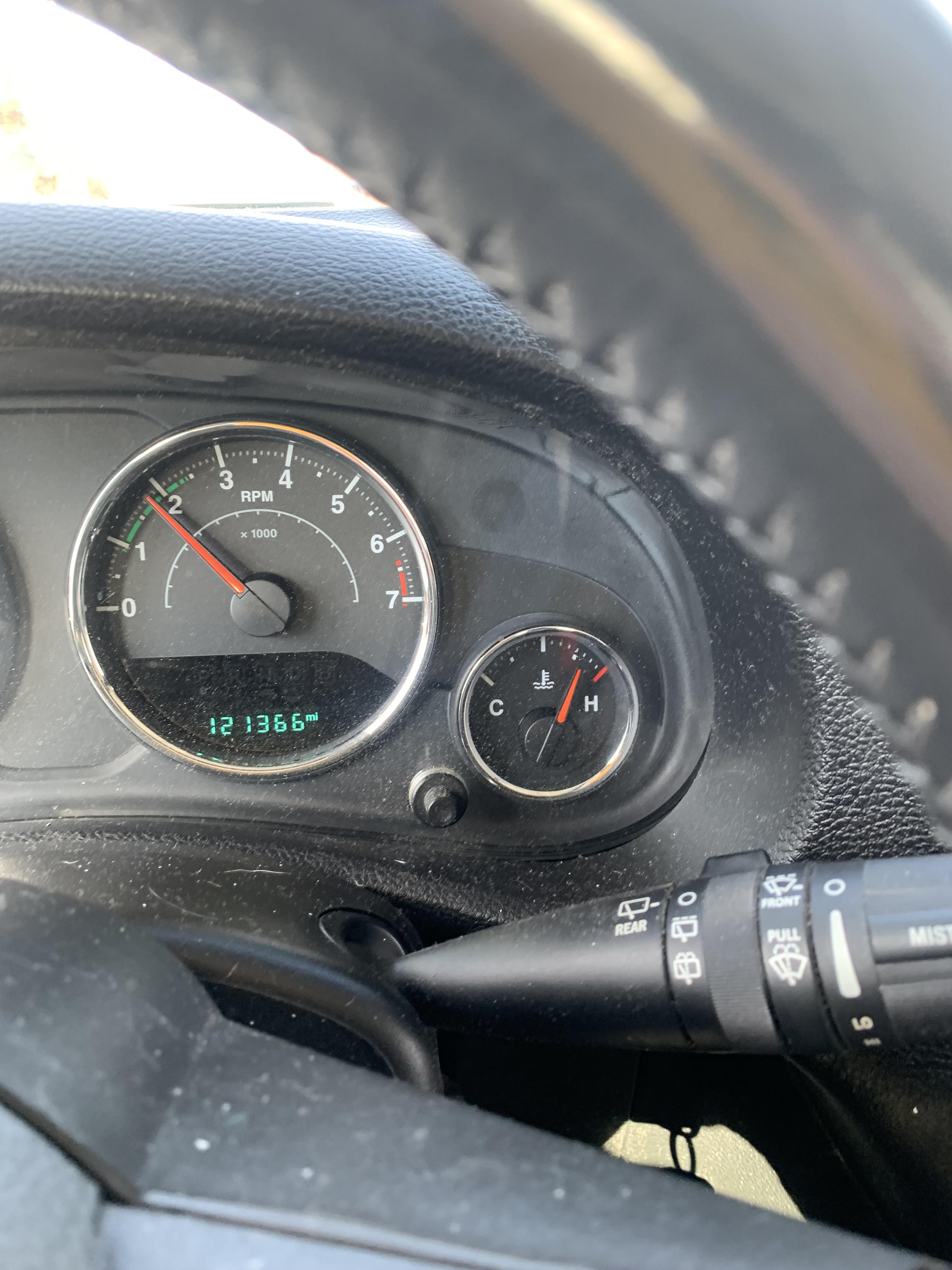
- Temperature gauge climbing above normal
- Steam coming from under the hood
- Sweet smell (coolant leaking)
- Engine warning lights
- Loss of power or rough running
If you notice these signs, stop driving as soon as it’s safe. Driving while overheating can cause serious engine damage.
Comparing Common Jeep Wrangler Cooling Problems
Here’s a quick comparison of how different issues affect your Jeep’s cooling system:
| Problem | Effect | Repair Cost (USD) |
|---|---|---|
| Low Coolant | Fast temperature rise | 10–30 |
| Faulty Thermostat | Engine stays hot | 100–200 |
| Radiator Clog | Poor cooling | 150–600 |
| Broken Fan | No airflow | 80–350 |
| Head Gasket | Major leaks | 900–2000 |
How To Fix Overheating In Your Jeep Wrangler
Most overheating issues can be fixed with the right steps. Here’s what you should do:
- Let the engine cool: Never open the radiator cap while the engine is hot. Wait at least 30 minutes.
- Check coolant level: If low, add a 50/50 mix of coolant and distilled water.
- Inspect the radiator: Look for leaks, clogs, or damage. Clean off mud and debris.
- Test the thermostat: If your Jeep keeps overheating, replace the thermostat.
- Check the water pump: Look for leaks or listen for grinding noises. Replace if faulty.
- Inspect cooling fans: Make sure they run when the engine is hot. Replace if broken.
- Flush the system: Remove air pockets and old coolant by flushing the system.
- Check hoses: Look for cracks, bulges, or blockages. Replace damaged hoses.
- Look for head gasket issues: White smoke from the exhaust or milky oil are signs. This repair needs a professional.
Wrangler Models Most Prone To Overheating
Certain Jeep Wrangler models and years are more likely to overheat:
| Model Year | Engine | Known Issue |
|---|---|---|
| 2007–2011 | 3.8L V6 | Head gasket leaks |
| 2012–2018 | 3.6L Pentastar | Thermostat failures |
| 2019–2023 | 2.0L Turbo | Radiator clogs |
Many drivers report overheating during summer or after off-road trips. If you own one of these models, check your cooling system often.
Preventing Overheating In Jeep Wrangler
Avoiding overheating is easier than you think. Here are practical tips:
- Check coolant monthly: Top up as needed. Use the recommended type for your Jeep.
- Inspect radiator and fans: Clean off debris after every off-road drive.
- Flush coolant every 2 years: This keeps your system clean and removes air pockets.
- Replace thermostat every 4 years: Even if it works, it can fail suddenly.
- Use quality parts: Cheap hoses and coolant often fail faster.
- Monitor the temperature gauge: Don’t ignore warning signs.
Many beginners forget to check the cooling fan operation. This simple step can prevent most overheating situations.
Also, always use a mix of coolant and distilled water tap water can cause deposits and blockages.
When To Visit A Mechanic
Some overheating problems need expert help. If you see white smoke, oil and coolant mixing, or repeated overheating after repairs, go to a trusted mechanic.
These signs often mean head gasket failure or major engine damage.
Real-world Example
A Jeep owner noticed the temperature gauge climbing after a muddy trail ride. After stopping, they found mud blocking the radiator. Cleaning it fixed the problem. This shows how external blockages are a hidden cause many miss.

Frequently Asked Questions
What Should I Do If My Jeep Starts Overheating While Driving?
Pull over safely, turn off the engine, and let it cool. Don’t open the radiator cap while hot.
Once cooled, check the coolant and look for leaks.
Can I Drive My Jeep If It’s Overheating?
No. Driving while overheating can cause major engine damage.
It’s best to stop and fix the issue before continuing.
How Often Should I Check My Jeep’s Coolant?
Check the coolant level every month, especially before long trips or off-roading. Top up as needed.
What Is The Normal Operating Temperature For A Jeep Wrangler?
Most Wranglers run between 195–210°F. Higher readings mean something is wrong.
Where Can I Learn More About Jeep Cooling Systems?
Visit Wikipedia’s cooling system page for detailed information and diagrams.
Taking care of your Jeep Wrangler’s cooling system keeps your adventures safe and your engine running strong. Knowing the causes and solutions for overheating will help you avoid breakdowns and costly repairs. Stay alert, check your coolant often, and don’t ignore warning signs. With the right knowledge, you’ll enjoy many miles of trouble-free driving.